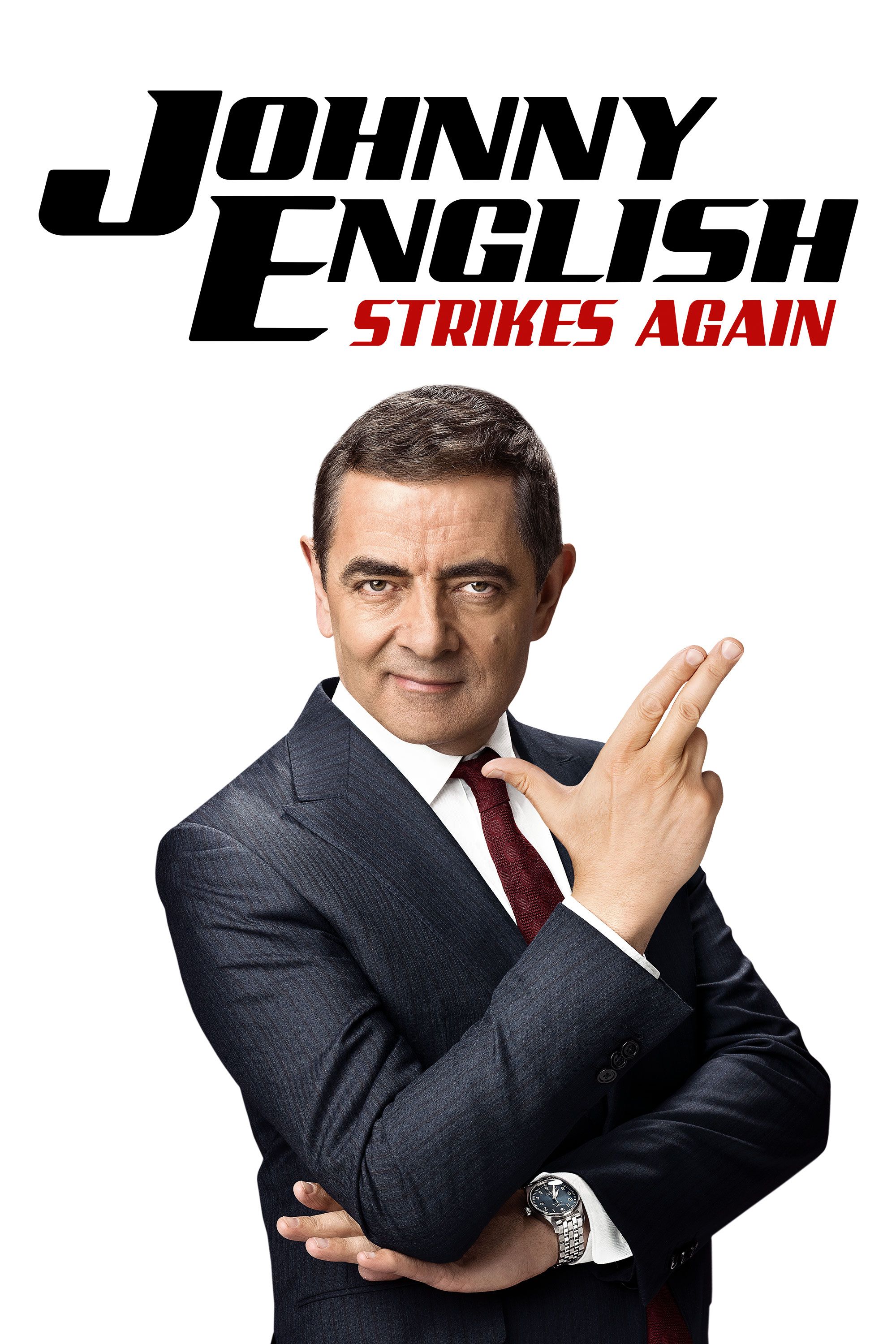
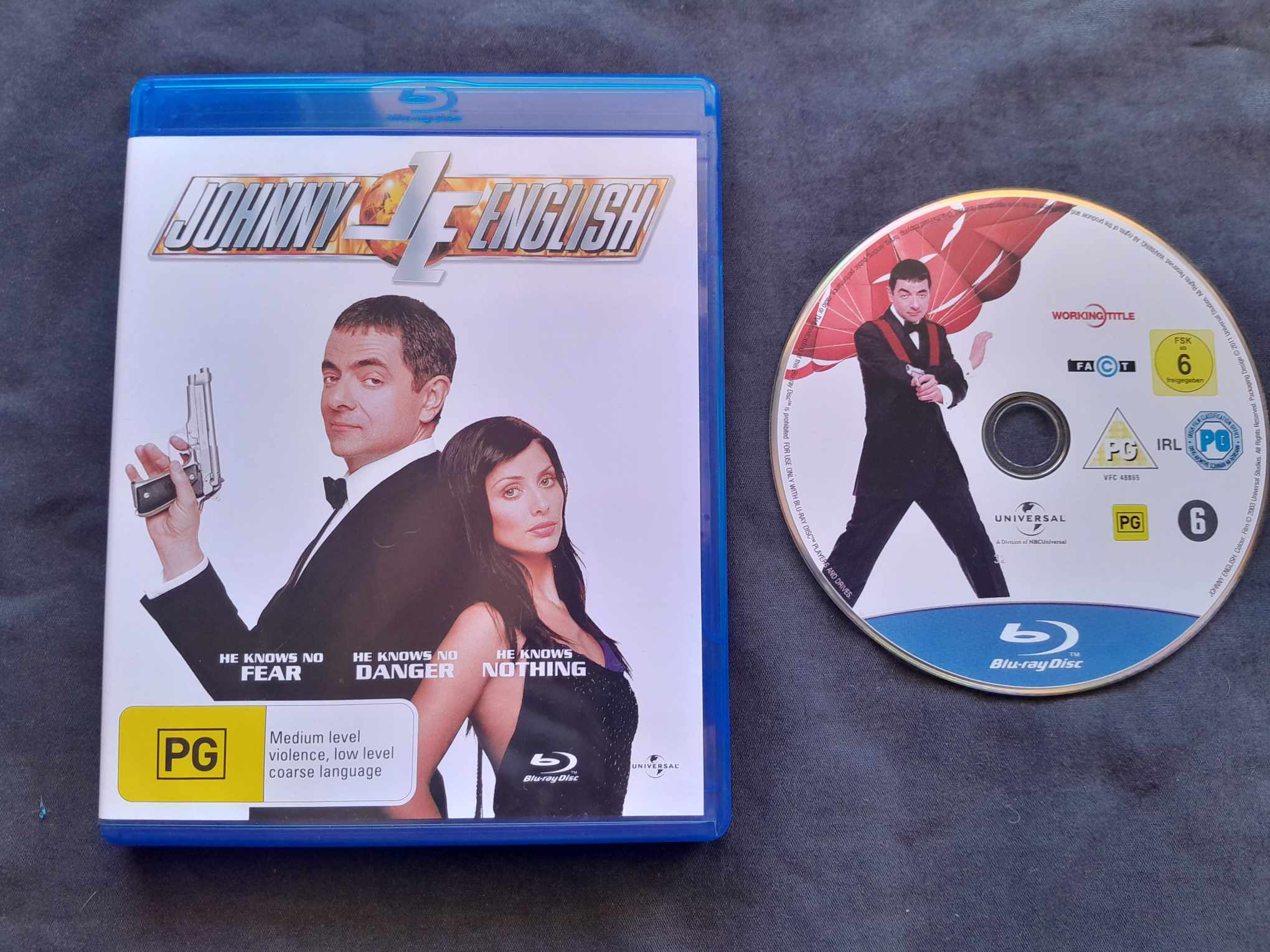
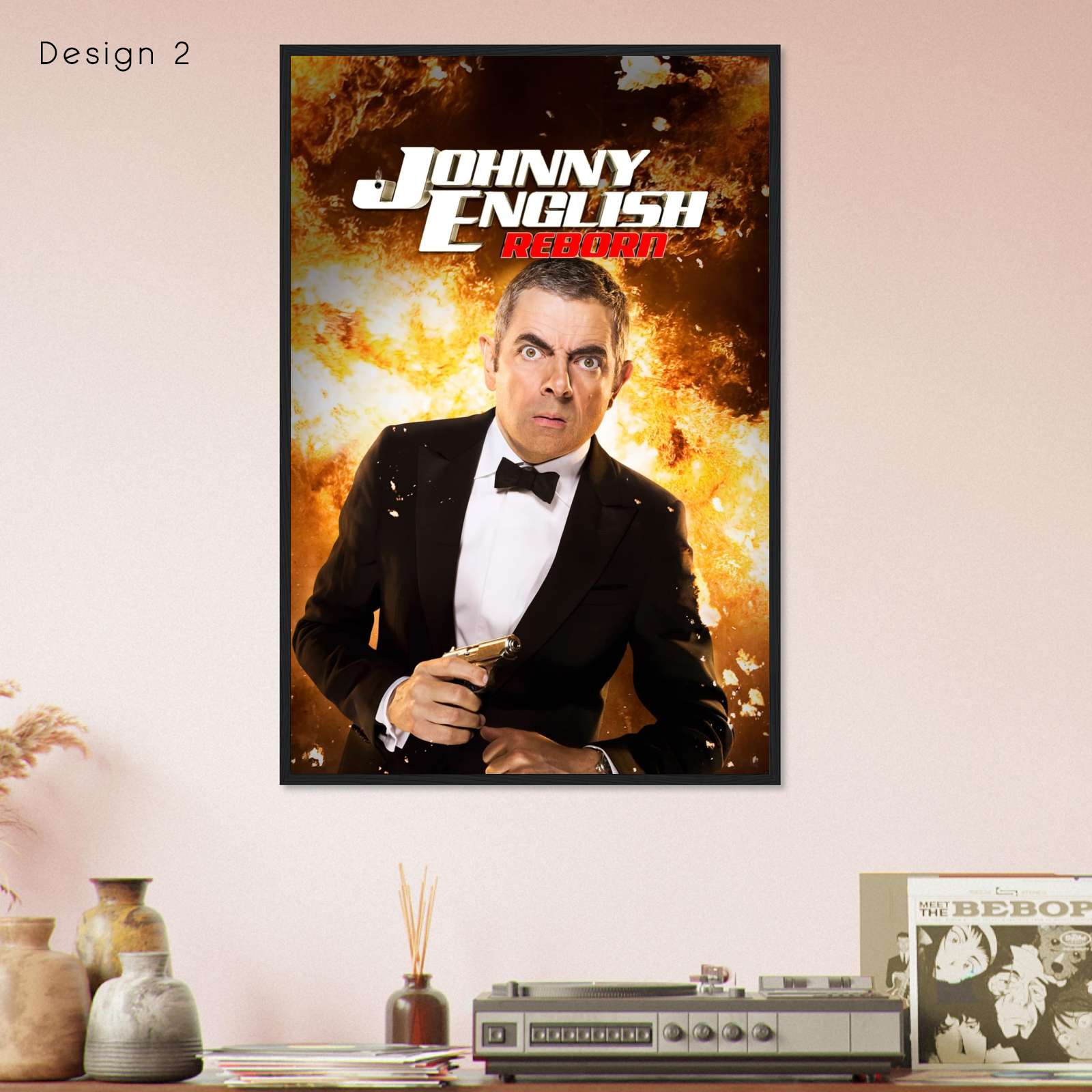
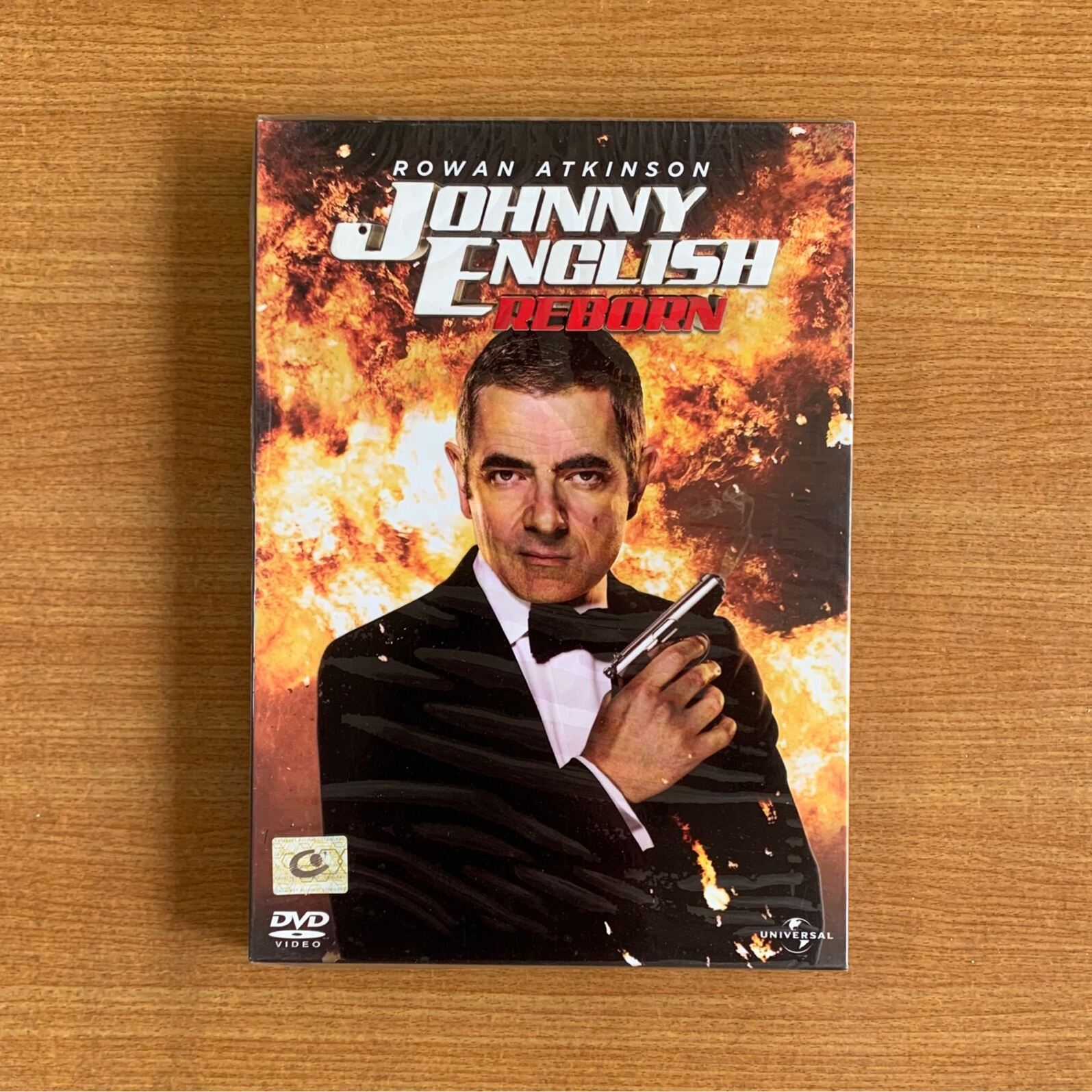
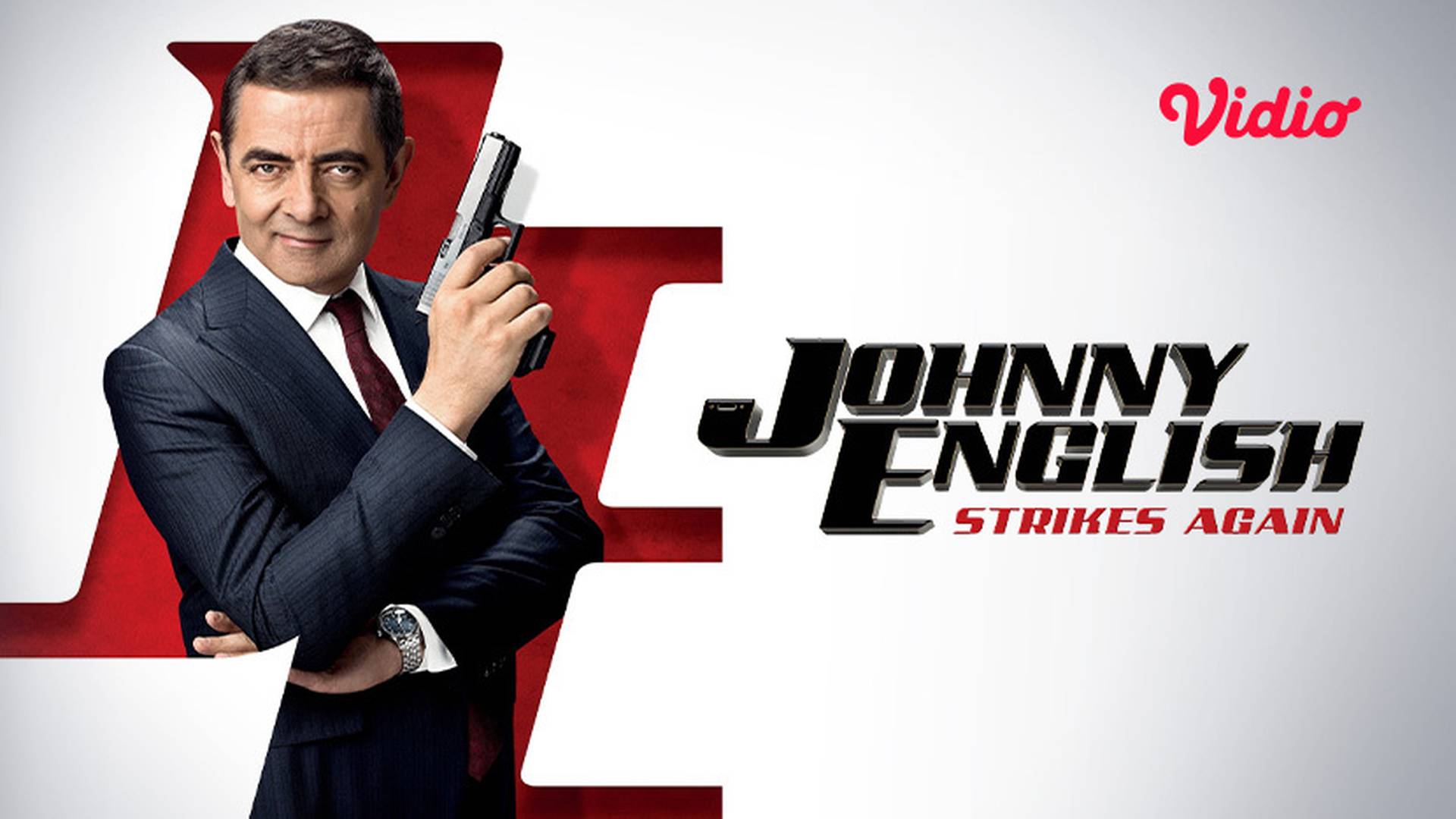
The 2011 theatrical trailer for Johnny English Reborn serves as a quintessential marketing artifact of early 2010s blockbuster comedy promotion, blending high-stakes espionage tropes with physical slapstick humor led by Rowan Atkinson. By examining this promotional preview, audiences gain insights into the film's structural narrative, comedic style, and distribution strategy.
The Cultural and Cinematic Context of Johnny English Reborn
To understand the impact of the 2011 promotional campaign, one must first look at the origins of the franchise. The original Johnny English was released in 2003, establishing Rowan Atkinson as a bumbling, well-meaning MI7 agent who stands in stark contrast to the suave, competent archetype popularized by James Bond. Eight years later, Universal Pictures and StudioCanal revived the character for a sequel titled Johnny English Reborn, directed by Oliver Parker.
The 2011 trailer functioned as the primary bridge between a dormant intellectual property and a modern theatrical audience. In the years following the first film, the landscape of action-comedy had evolved significantly, influenced by the gritty realism of the Daniel Craig Bond era (specifically Casino Royale and Quantum of Solace). The marketing team capitalized on this contrast, positioning Johnny English not just as a parody of classic spy films, but as a direct, satirical counter-weight to contemporary, ultra-serious secret agent thrillers.
Breakdown of the 2011 Theatrical Trailer Structure
Movie trailers are meticulously engineered narratives designed to capture attention within a two-to-three-minute window. The promotional preview for Johnny English Reborn follows a classic three-act trailer structure: the setup, the escalation, and the punchline sequence.
1. The Setup: Establishing the Premise
The preview opens with sweeping, cinematic establishing shots that mimic high-end action thrillers. Epic orchestral scores swell as exotic locations—such as Tibetan monasteries and high-security government facilities—flash across the screen. This misdirection is deliberate; the audience is initially led to believe they are watching a genuine spy epic.
Rowan Atkinson’s voiceover or introduction quickly shatters this illusion. The trailer reveals Johnny English in retreat, seeking spiritual and martial arts enlightenment following a past failure. This premise establishes a narrative arc of redemption, giving the character a nominal motivation beyond pure physical comedy.
2. The Escalation: Gadgets, Action, and Misadventure
As the trailer progresses, the tone shifts from dramatic to comedic chaos. Key sequences highlighted in the promotional cut include:
- The High-Tech Wheelchair Chase: Showcasing English operating an advanced motorized wheelchair through bustling streets, resulting in accidental destruction and traffic disruption.
- Interrogation and Combat Mishaps: Displaying English attempting to master high-end espionage gadgets, only for them to backfire catastrophically in training environments.
- Ensemble Introductions: Brief glimpses of supporting cast members, including Gillian Anderson as MI7's Pegasus, Dominic West as agent Simon Ambrose, and Rosamund Pike as behavioral psychologist Kate Sumner, grounding the comedy within a recognizable cinematic structure.
3. The Comedic Coda
Trailers from this era typically conclude with a standalone comedic beat that does not necessarily spoil a major plot point but encapsulates the film's primary comedic flavor. In the 2011 preview, this moment usually involves Atkinson executing a wildly misguided physical maneuver or reacting with characteristic facial expressiveness to an absurd situation, leaving a memorable final impression on the viewer.
| Trailer Element | Cinematic Purpose | Audience Impact |
|---|---|---|
| Dramatic Opening | Sets a high-budget tone mimicking traditional spy thrillers | Creates comedic contrast when expectations are subverted |
| Gadget Misuse | Demonstrates classic slapstick and mechanical failure | Highlights the character's incompetence against modern technology |
| Ensemble Showcase | Introduces high-profile supporting actors (Anderson, West, Pike) | Validates the film as a major studio release with broad appeal |
| Final Gag | Delivers an immediate, memorable laugh | Encourages social sharing and theatrical ticket pre-sales |
Marketing Strategy and Digital Distribution in 2011
The rollout of the 2011 trailer coincided with a transitional period in film marketing, where traditional television spots and theatrical screenings shared equal billing with emerging digital distribution platforms like YouTube and Apple Trailers.
Universal Pictures deployed a multi-tier distribution strategy for the preview:
- Theatrical Placements: Attached to major summer blockbusters of 2011 to capture prime demographics of comedy and family audiences.
- Viral and Social Sharing: Optimized for early-stage video embedding on entertainment news portals, movie blogs, and social networking sites.
- Global Localization: Releasing localized versions with dubbed audio or localized subtitles to service international markets where Rowan Atkinson’s physical comedy transcends linguistic barriers.
Reception and Legacy of the Promotional Campaign
Upon its release, the trailer successfully communicated that Johnny English Reborn would retain the family-friendly, slapstick DNA of its predecessor while introducing updated production values and a more international scope. The preview played a significant role in driving box office performance, helping the film gross over $160 million worldwide against a moderate production budget.
For film historians and media analysts, the trailer remains a textbook example of how to market a legacy sequel by balancing nostalgia for the original property with fresh narrative stakes and elevated cinematic scale.
Frequently Asked Questions
What is the plot of the film featured in the 2011 trailer?
The film follows Johnny English as he returns from a self-imposed exile in a Tibetan monastery to investigate a plot against the Chinese premier. He must navigate international espionage, double agents, and his own ineptitude to save the day, all while trying to restore his disgraced reputation within MI7.
Who directed Johnny English Reborn (2011)?
The film was directed by British filmmaker Oliver Parker, known for his work on literary adaptations such as The Importance of Being Earnest (2002) and Dorian Gray (2009), which brought a distinct visual style to the sequel's action sequences.
Where was the 2011 trailer officially distributed?
The trailer was released across multiple digital channels, most notably Apple’s movie trailer portal and official studio YouTube channels, alongside physical screenings in cinemas worldwide attached to major studio releases during the summer of 2011.
Does the trailer accurately represent the final film's tone?
Yes, the promotional material maintained a high level of transparency regarding the film's tone, ensuring audiences understood it was a slapstick spy parody rather than a serious action movie, thereby aligning viewer expectations with the final cinematic product.
Conclusion and Next Actions
For those examining the evolution of comedy marketing or seeking to revisit Rowan Atkinson's physical performance, locating the official 2011 trailer on verified streaming archives provides a clear look into studio marketing trends of the early 2010s. Reviewing the complete feature film Johnny English Reborn offers deeper context into how the specific gags highlighted in the preview are integrated into the overarching narrative structure.