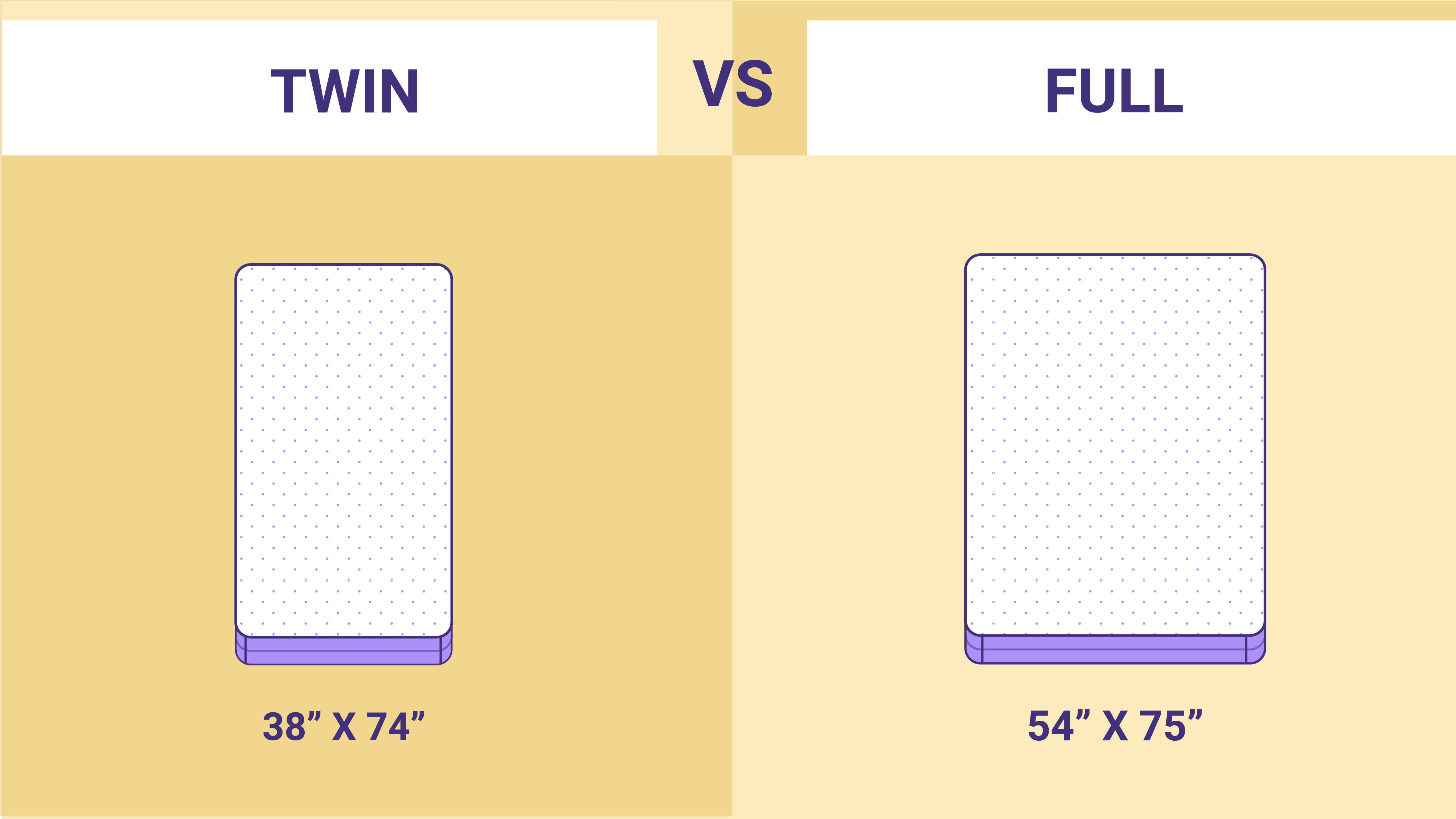
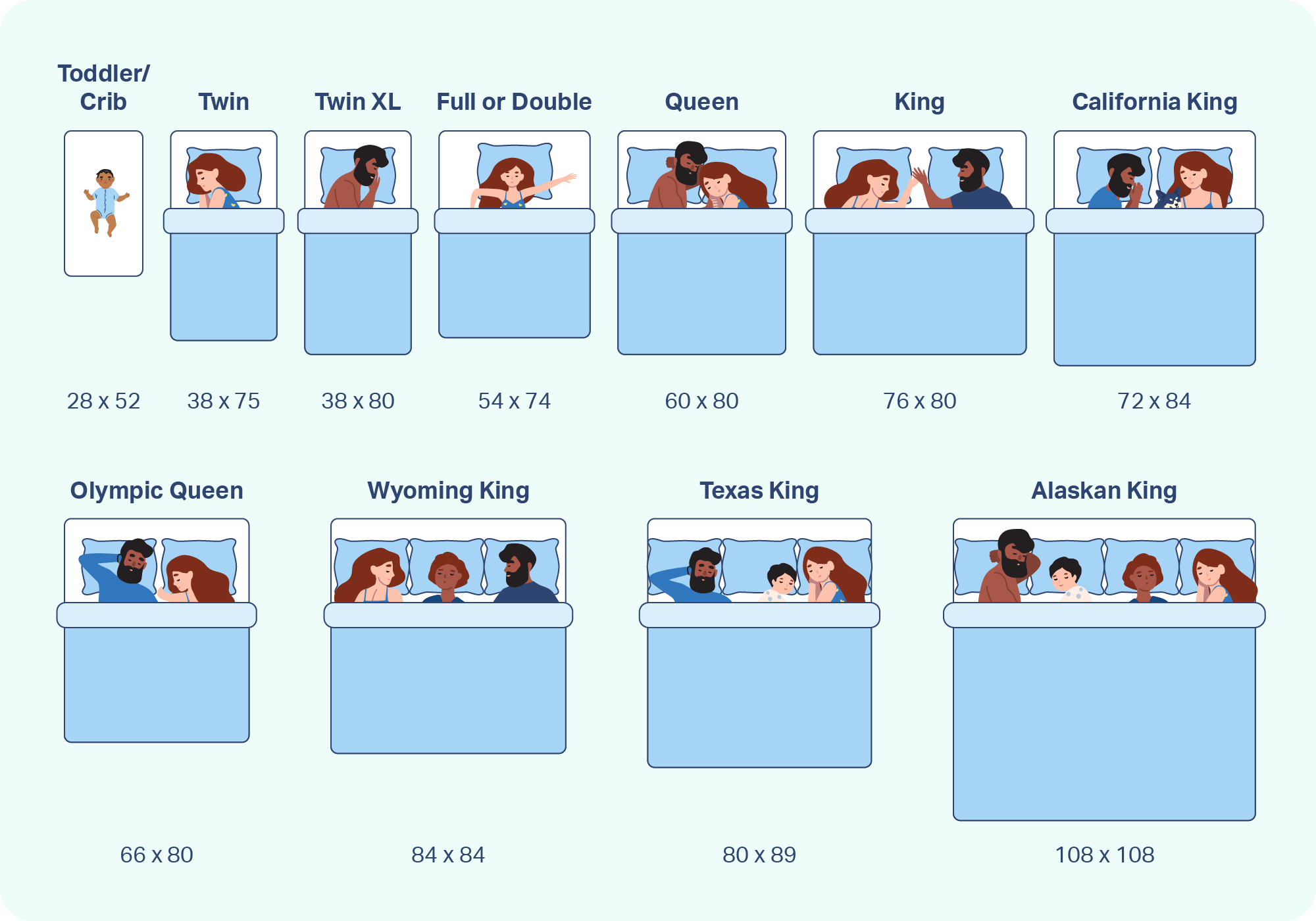
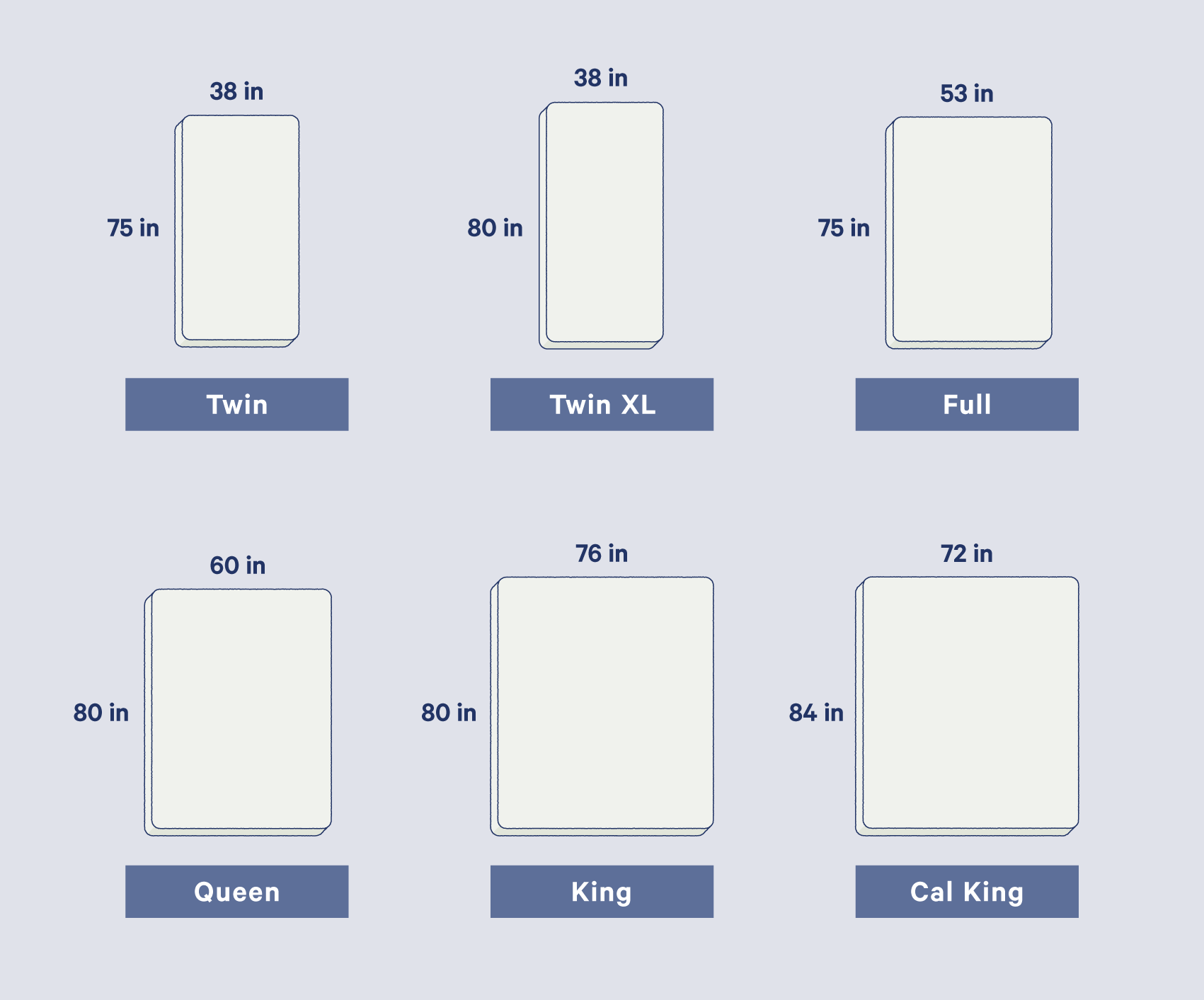
When shopping for bedroom furniture or evaluating room layouts, understanding that 1 double bed means more than a mattress size is essential. While a standard double—or full—bed traditionally measures 54 inches by 75 inches (approx. 137 cm by 190 cm), its true impact involves spatial footprint, clearance requirements, frame architecture, bedding logistics, and long-term ergonomics for single sleepers or co-sleeping adults.
Introduction to the Double Bed Reality
The moment you commit to buying or placing a double bed in a room, you transition from looking at a simple dimension on a retail tag to managing a complex spatial ecosystem. While the mattress dimensions of 54 x 75 inches seem straightforward, the physical object that enters your bedroom includes structural elements like headboards, footboards, side rails, and potential under-bed storage drawers. Furthermore, human ergonomics demand clearance space around the perimeter of the furniture to allow for comfortable movement, bed-making, and door swing clearance.
Misunderstanding these broader parameters often leads to cramped bedrooms, restricted airflow, blocked heating vents, and poor traffic flow. To master the concept of a double bed, you must look past the fabric and foam surface and evaluate the architectural, ergonomic, and practical realities of integrating this specific mattress size into a real living space.
Standard Dimensions and Structural Footprints
To fully comprehend why a double bed extends past its nominal surface area, you must analyze both the mattress specifications and the frame variations that house them.
Nominal Mattress Dimensions vs. Total Frame Dimensions
A standard double mattress provides 54 inches of width and 75 inches of length. However, the bed frame itself rarely matches these exact numbers. Platform beds, upholstered frames, and traditional wooden sleigh beds add bulk.
- Platform Beds: Typically add 1 to 3 inches around the perimeter, bringing the total footprint to roughly 57–60 inches wide by 78–81 inches long.
- Storage Beds: Incorporate built-in drawers underneath, which can extend the side clearance requirements or require extra lateral space to pull drawers out fully.
- Headboards and Footboards: A thick upholstered headboard can push the head of the bed 4 to 8 inches away from the wall, reducing the usable length of the room.
Height and Clearance Profiles
Height is another dimension frequently overlooked. Standard profile mattresses range from 8 to 12 inches thick, while luxury pillow-top variants can reach 14 to 16 inches. When combined with a standard box spring (typically 5 to 9 inches) and a bed frame, the sleeping surface often rests 24 to 30 inches off the floor. This height dictates window sill clearance, nightstand alignment, and ease of access for individuals with mobility considerations.
Spatial Planning and Room Size Requirements
Placing a double bed requires careful consideration of the room's overall square footage. Real estate guidelines and interior design standards suggest specific minimum room sizes to ensure functional livability.
Minimum Room Dimensions
The absolute minimum recommended room size for a double bed is typically 10 feet by 10 feet (100 square feet). This dimension allows the bed to fit against one wall while leaving enough clearance to navigate the remaining three sides. In rooms measuring 9 feet by 9 feet or smaller, a double bed forces furniture placement directly against walls, eliminating walking paths on one or more sides and making routine tasks like changing bed linens significantly more difficult.
The 24-Inch Rule for Circulation
Interior designers rely on the "24-inch rule" for bedroom circulation. Ideally, you should maintain at least 24 inches of clear walking space on all sides of the bed that are not pushed against a wall.
- Foot of the bed: 24 to 30 inches of clearance is necessary to walk past comfortably, open dresser drawers opposite the bed, or accommodate a bedroom bench.
- Sides of the bed: 24 inches allows a person to slip in and out of bed easily and provides enough room to kneel down when making the bed.
| Room Feature | Minimum Clearance Needed | Ideal Clearance | Impact if Ignored |
|---|---|---|---|
| Side Walking Path | 18 inches | 24–36 inches | Difficulty walking, bruised shins, restricted nightstand access |
| Foot Clearance | 20 inches | 30+ inches | Cramped walkways, inability to place benches or dressers |
| Drawer / Closet Swing | Width of door + 2 inches | Door width + 6 inches | Blocked drawers, damaged walls, unusable storage |
| Window Clearance | 3–6 inches frame offset | 12+ inches | Blocked natural light, obstructed window operation |
Ergonomics and Co-Sleeping Dynamics
Beyond physical dimensions, a double bed implies specific ergonomic compromises, particularly when shared by two adults.
The Mathematics of Co-Sleeping
When a double bed accommodates two people, each sleeper receives an effective width of 27 inches. To put this into perspective, a standard crib mattress is 28 inches wide. Consequently, co-sleeping on a double bed means sharing a space slightly narrower than a crib for each person. This spatial constraint increases motion transfer, reduces thermal regulation efficiency, and frequently disrupts sleep cycles.
Who Benefits Most from a Double Bed?
Despite spatial limitations, the double bed remains a staple of modern housing because it suits specific user profiles exceptionally well:
- Single Adults and Teenagers: Offers generous sprawl room without dominating smaller bedrooms or studio apartments.
- Guest Rooms: Maximizes sleeping capacity for occasional visitors while preserving floor space for desks or sitting areas when guests are absent.
- Pet Owners (Solo): Provides enough width for a single sleeper and a medium-sized pet without severe crowding.
Bedding, Linens, and Accessories
A common hidden friction point of owning a double bed involves sourcing and maintaining compatible accessories.
Sizing Discrepancies
Manufacturers often bundle "Full and Queen" or label products generically as "Full/Double." However, full and queen sizes are entirely distinct. A queen mattress is 60 inches wide and 80 inches long—6 inches wider and 5 inches longer than a double. Purchasing queen-sized flat sheets or duvets for a double bed results in excessive fabric dragging on the floor, while full-sized fitted sheets will tear or slip off if paired with an unusually thick double mattress.
Weight and Maneuverability
Unlike king or queen mattresses, which often require two people to transport and maneuver around tight stairwells and corners, a standard double mattress is significantly more manageable. Its lighter weight and smaller profile make rotating the mattress seasonally—a critical practice for preventing premature sagging—an achievable single-person chore.
Cost Considerations and Long-Term Value
Financial investment extends far beyond the initial retail price of the mattress itself. Evaluating total ownership costs reveals several ongoing factors.
Associated Upfront Expenses
- Bed Frames and Foundations: Must match the exact 54 x 75-inch footprint. Custom or oversized frames will leave unsightly gaps or fail to support the mattress edges properly.
- Linens: Standard full-size sheet sets, mattress protectors, and blankets are generally less expensive than queen or king equivalents, lowering initial setup costs.
Resale and Replacement Lifespan
Double beds typically exhibit a rapid turnover rate in guest rooms and rental properties, but high-quality models used by single adults can easily last 7 to 10 years. Because of their standardized dimensions, finding replacement foundations or specialized toppers remains straightforward and cost-effective across almost all major bedding brands.
Common Mistakes to Avoid When Buying a Double Bed
- Measuring Only the Mattress: Failing to account for the frame's outer dimensions, headboard thickness, and protruding hardware.
- Ignoring Doorways and Hallways: Assuming that because the bed fits in the room, it can navigate sharp corridor turns or narrow staircase landings during delivery.
- Overcrowding the Room: Placing a double bed in a small room without leaving space for essential storage like wardrobes, dressers, or desks.
- Assuming Full and Queen Are Interchangeable: Buying bedding or frames labeled for queen sizes and attempting to force them onto a double setup.
Frequently Asked Questions
Is a double bed the same size as a full bed?
Yes. In the modern bedding industry, "double" and "full" refer to the exact same mattress dimensions: 54 inches wide by 75 inches long. The term "double" is an older historical designation, while "full" became popular later, but both terms describe identical products.
How much space do you need around a double bed?
You should aim for a minimum of 24 inches of clearance on all accessible sides and the foot of the bed. This ensures comfortable movement, straightforward bed-making, and adequate room to open nearby closet doors or pull out dresser drawers.
Can two adults sleep comfortably on a double bed?
While two adults can physically fit on a double bed, it provides only 27 inches of personal sleeping width per person—equivalent to the width of a crib mattress. It is generally recommended for single sleepers, guest rooms, or couples with smaller frames who prefer close quarters.
What size room is required for a double bed?
A room measuring at least 10 feet by 10 feet (100 square feet) is recommended for a double bed. This allows the mattress to fit comfortably while leaving sufficient perimeter space for walking paths and basic bedroom furniture like a nightstand or dresser.
Why do double beds feel smaller than expected in real rooms?
Double beds often feel larger in retail showrooms due to open sightlines and high ceilings. Once placed in a residential bedroom alongside walls, windows, radiators, and additional furniture, the physical mass of the frame and required circulation space create a much tighter environment.
Conclusion and Next Actions
Recognizing that 1 double bed means more than a mattress size allows you to approach bedroom planning with architectural clarity. Before making a purchase, measure your room precisely, map out the 24-inch circulation buffers, verify your frame and headboard dimensions, and ensure your home's entry points can accommodate the delivery. By balancing the physical footprint with your functional daily needs, you can select and position a double bed that enhances your living space rather than overwhelming it.