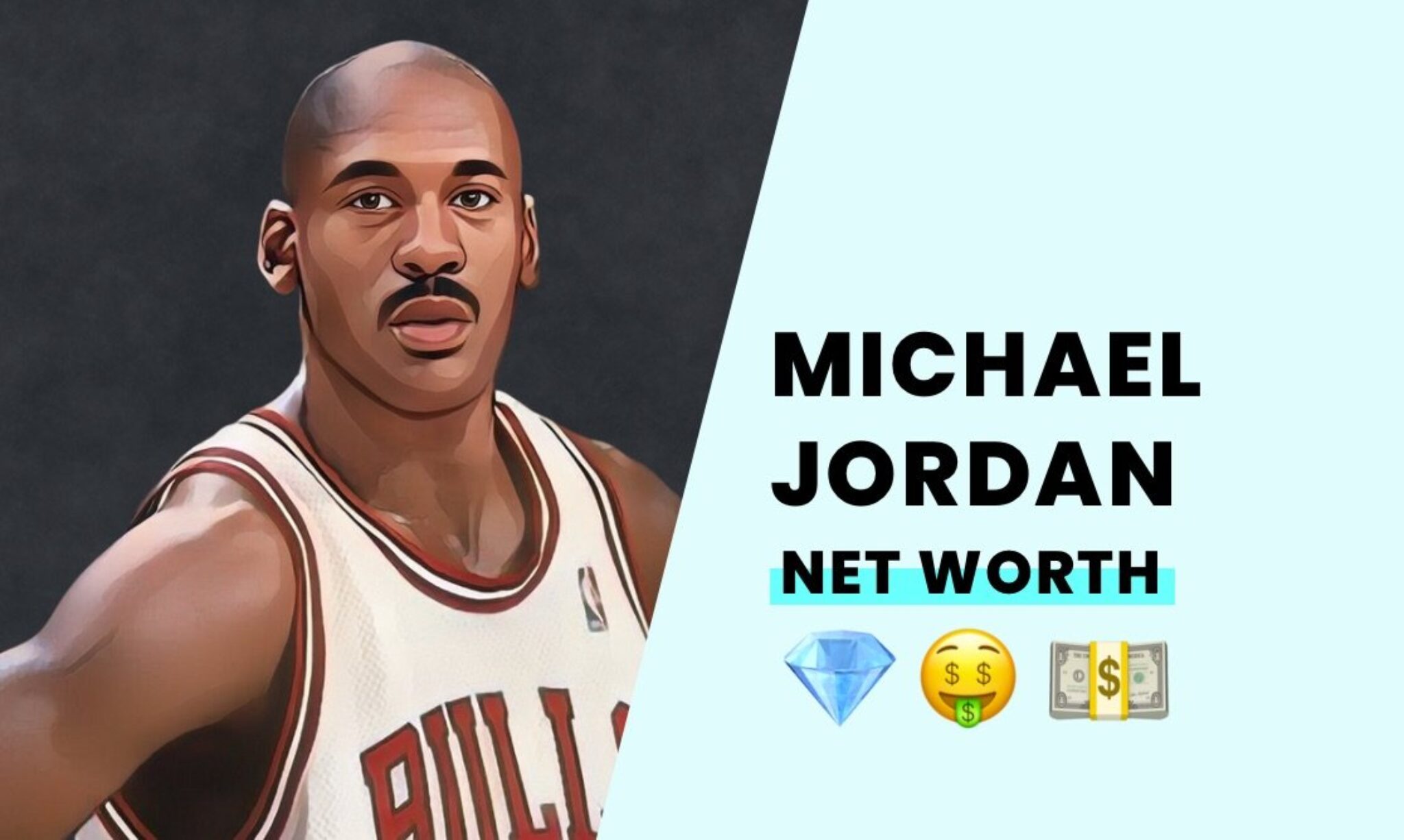
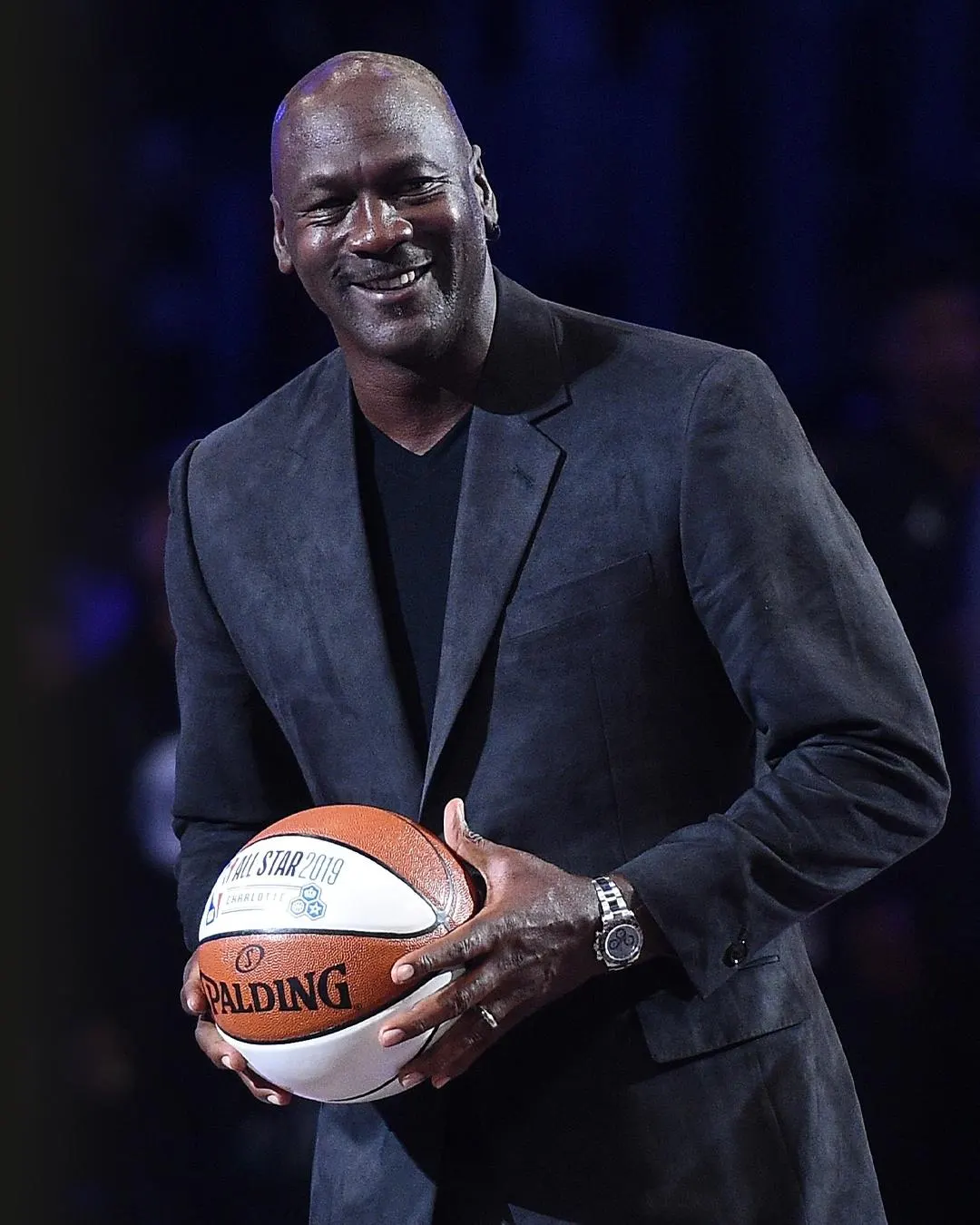
In 2017, Michael Jordan’s net worth reached a staggering $1.31 billion, securing his position on the Forbes and Fortune lists of the world’s wealthiest individuals. This financial milestone was primarily driven by the soaring valuation of the Charlotte Hornets and his lucrative, long-standing partnership with Nike's Jordan Brand.
The year 2017 served as a pivotal moment for "His Airness." While many legendary athletes struggle to maintain their wealth post-retirement, Jordan demonstrated a masterclass in equity growth and brand sustainability. This article explores the specific components of his 2017 fortune, the economic factors that boosted his net worth, and how his business empire set the blueprint for the billionaire athletes we see today in 2026.
The Composition of the $1.3 Billion Milestone
To understand how Michael Jordan reached $1.3 billion by 2017, one must look at the convergence of two massive revenue streams: professional sports team ownership and global apparel dominance. In 2017, Jordan was ranked as the 1,567th richest person in the world. Though he was far from the top of the overall list, he was in a league of his own among former professional athletes.
The Charlotte Hornets Asset
The single largest contributor to Jordan's net worth in 2017 was his majority stake in the Charlotte Hornets. Jordan first became a minority investor in the team (then the Bobcats) in 2006 and later purchased a majority stake in 2010 for approximately $175 million.
By 2017, the value of NBA franchises had moved into a new stratosphere. This was largely due to the NBA’s $24 billion television deal with ESPN and TNT, which began during the 2016-2017 season. This influx of capital increased the "enterprise value" of every team in the league. In 2017, the Hornets were valued at roughly $780 million. Because Jordan owned approximately 90% of the team at that time, his equity in the franchise accounted for more than half of his total billion-dollar net worth.
The Nike and Jordan Brand Engine
While the Hornets provided the equity growth, the Jordan Brand provided the liquid cash flow. By 2017, the Jordan Brand was no longer just a basketball shoe line; it was a cultural phenomenon generating over $3 billion in annual revenue for Nike.
Jordan’s deal with Nike is unique in the history of sports marketing. Unlike standard endorsement deals that pay a flat fee, Jordan receives a royalty on every item sold under the "Jumpman" logo. Estimates in 2017 suggested his royalty rate was approximately 5%. This resulted in an annual payout of more than $100 million in 2017 alone—more than he earned in total salary during his entire 15-season NBA career ($93.8 million).
Financial Breakdown of Michael Jordan’s 2017 Assets
The following table outlines the estimated distribution of Jordan’s wealth during the 2017 fiscal year. These figures reflect the valuations reported by major financial outlets like Fortune and Forbes during that period.
| Asset Category | Estimated Value/Revenue (2017) | Primary Source of Growth |
|---|---|---|
| Charlotte Hornets Stake | ~$700 Million (Equity) | NBA Television Rights & Revenue Sharing |
| Nike/Jordan Brand Royalties | ~$120 Million (Annual) | Global Expansion & Retro Sneaker Demand |
| Other Endorsements | ~$15 Million (Annual) | Gatorade, Hanes, Upper Deck, 2K Sports |
| Real Estate & Personal Assets | ~$100 Million+ | Chicago/Florida Estates, Private Jet (N236MJ) |
| Investments & Cash | ~$350 Million+ | Accumulated earnings and private equity |
The Impact of the 2016-2017 NBA Media Deal
The jump from Jordan's 2016 valuation ($1.1 billion) to his 2017 valuation ($1.31 billion) was not an accident. It was the direct result of the NBA’s revolutionary media rights agreement. When the league secured a 9-year, $24 billion deal, the "floor" for team valuations rose significantly.
Even a "small market" team like the Charlotte Hornets saw its value nearly triple between the time Jordan bought it and the 2017 reporting period. This increase in value was purely on paper (unrealized gains), but it allowed Jordan to leverage his position for further investments. It also proved that his 2010 purchase, which many analysts at the time thought was risky, was actually one of the most astute sports business moves in history.
The Jordan Brand’s Cultural Dominance in 2017
By 2017, the sneaker industry had shifted. While performance basketball shoes were seeing a slight decline in growth, the "Retro" market was exploding. Michael Jordan had been retired for 14 years by 2017, yet the Jordan Brand held a 65% share of the U.S. basketball shoe market.
Strategic Scarcity
A key reason for the financial success in 2017 was Nike’s strategy of "managed scarcity." By releasing limited quantities of classic silhouettes (like the Air Jordan 1, 3, and 11), they maintained high demand and secondary market relevance. This cultural "hype" ensured that Jordan’s royalty checks remained consistent regardless of his absence from the court.
Diversification into Other Sports
In 2017, we also saw the Jordan Brand expanding its reach. It began moving into college football (partnering with the University of Michigan) and global soccer (the Paris Saint-Germain partnership followed shortly after). This expansion signaled that the "Jordan" name was becoming a luxury athletic badge rather than just a basketball shoe, further securing the long-term valuation of his fortune.
Secondary Endorsements and Business Ventures
While Nike and the Hornets were the "Big Two," Jordan maintained a portfolio of high-value endorsements in 2017 that most active players would envy.
- Gatorade: A partnership that dated back to the iconic "Be Like Mike" campaign of the early 90s. In 2017, Jordan remained the face of the brand’s heritage.
- Hanes: Jordan’s relationship with Hanes had spanned nearly three decades by 2017, providing a steady stream of passive income.
- Upper Deck: As the most collectible athlete in history, Jordan’s exclusive deal with Upper Deck for authenticated memorabilia and trading cards was (and remains) a multi-million dollar annual revenue stream.
- Five Two-Three Restaurants: Jordan’s steakhouse group contributed to his "brand presence" in major cities like Chicago and New York.
Comparing Jordan to Other Billionaires in 2017
In 2017, the idea of an athlete-billionaire was still relatively new. To put his $1.3 billion fortune in perspective, we can compare his standing to other notable figures of that era:
- Tiger Woods: While Woods was a massive earner, his net worth in 2017 was estimated at roughly $740 million, still shy of the billionaire mark.
- Magic Johnson: Through Magic Johnson Enterprises, he was one of the few athletes nearing Jordan’s level of business acumen, with a net worth around $600 million in 2017.
- LeBron James: In 2017, LeBron was still in his prime with the Cleveland Cavaliers. His net worth was estimated at $400 million at the time, though he would eventually follow Jordan’s path to billionaire status years later.
Jordan's ability to outpace his peers was rooted in equity ownership. While other athletes focused on "cash for services" (endorsements), Jordan focused on "assets that appreciate" (the Hornets and the Jordan Brand royalty structure).
The Legacy of the 2017 Valuation
The 2017 Fortune and Forbes reports were more than just a list of numbers; they were a validation of the "Athlete-CEO" model. Jordan proved that an athlete’s brand could be decoupled from their physical performance.
From the vantage point of 2026, we can see that 2017 was a middle-point in Jordan's wealth trajectory. His net worth would eventually double and then triple as he eventually sold his majority stake in the Hornets in 2023 for a valuation of approximately $3 billion. However, it was the $1.3 billion mark in 2017 that solidified the realization that Michael Jordan was no longer just a basketball player—he was a financial institution.
Frequently Asked Questions
Was Michael Jordan the first athlete to become a billionaire?
Michael Jordan became the first athlete to reach billionaire status in 2014, primarily due to the increased valuation of the NBA’s Charlotte Hornets. By 2017, his fortune had grown to $1.31 billion as the NBA's new media deal further boosted team values.
How much did Michael Jordan make from Nike in 2017?
In 2017, Michael Jordan earned an estimated $120 million in royalties from Nike. This was more than double his highest annual NBA salary and was driven by the global success of the Jordan Brand and the growing "retro" sneaker market.
Did Michael Jordan’s net worth include his career NBA earnings?
While his career earnings of $93.8 million provided the seed capital for his investments, they were a very small fraction of his $1.3 billion net worth in 2017. Most of his wealth was "new money" generated through the appreciation of his ownership in the Charlotte Hornets and ongoing royalties from Nike.
What was the main reason for the jump in his wealth between 2016 and 2017?
The primary driver was the massive increase in NBA team valuations. Following the league's $24 billion TV deal, the value of the Charlotte Hornets rose significantly, which in turn increased the value of Jordan's roughly 90% ownership stake.
How many other billionaire athletes were there in 2017?
In 2017, Michael Jordan was essentially alone in the "Billionaire Athlete" category. While other stars like Tiger Woods and LeBron James were wealthy, they had not yet reached the billion-dollar threshold that Jordan surpassed through his majority stake in an NBA team.
Practical Takeaway: The Power of Equity
For those studying the "1.3 billion Michael Jordan 2017 Fortune" figures, the most significant lesson is the difference between income and equity.
Jordan’s wealth didn't come from a paycheck; it came from owning a piece of the "engine." By owning the Charlotte Hornets and a percentage of every Jordan Brand sale, his wealth grew even when he was not actively "working." For investors and entrepreneurs in 2026, the 2017 Jordan model remains the gold standard: find assets with built-in scarcity, leverage a powerful brand, and prioritize equity over short-term cash payments.