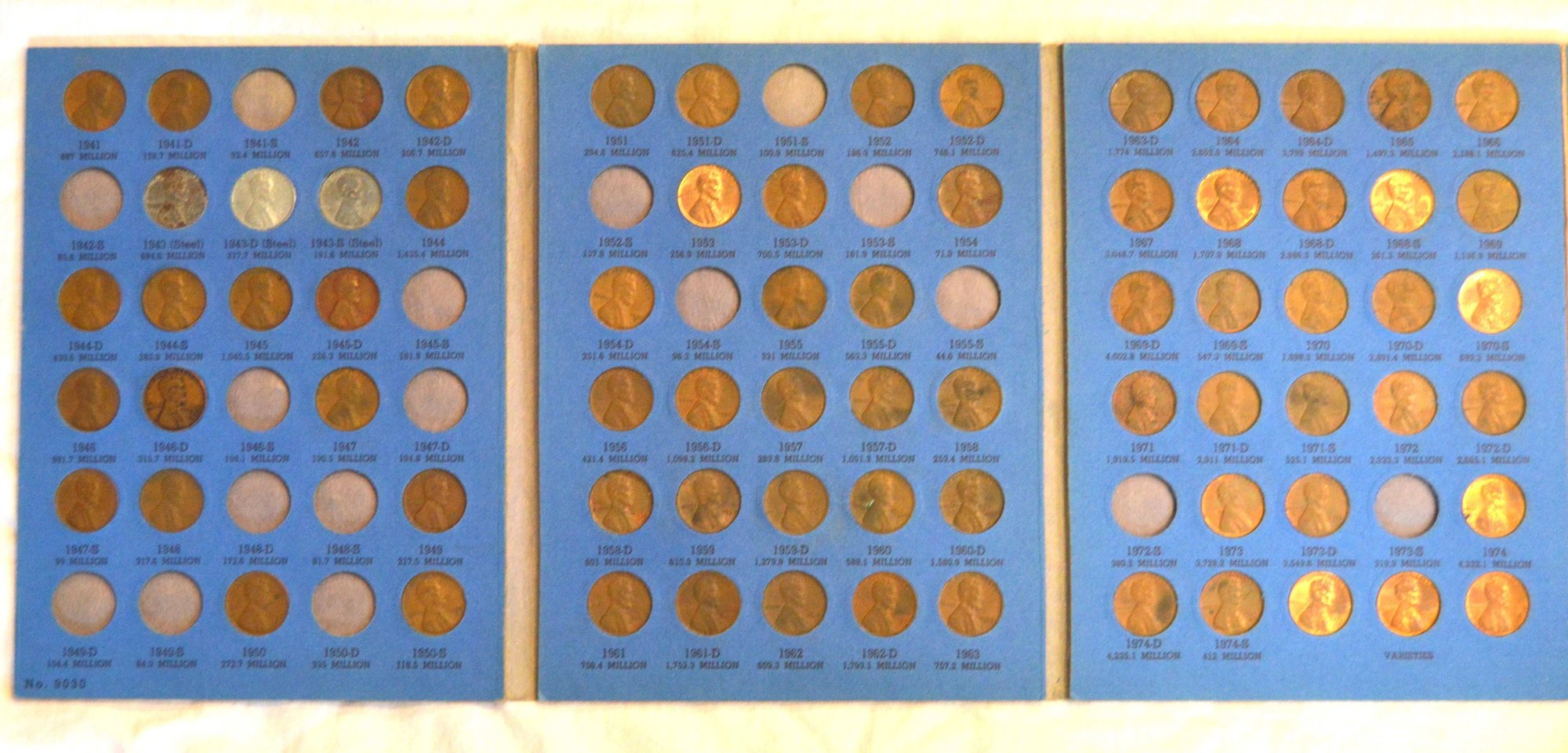
Whether a collection of pennies holds significant financial value depends almost entirely on the specific dates, mint marks, composition, and physical condition of the individual coins rather than the size of the collection itself. While the vast majority of modern "wheat pennies" and Lincoln Memorial cents found in circulation or old jars are worth only their face value or a modest premium to collectors, rare variations, errors, and high-grade specimens can command substantial sums in the 2026 numismatic market.
Understanding the Mechanics of Penny Value
To determine if your penny collection has value, you must first move beyond the assumption that age equals wealth. In numismatics—the study and collection of currency—the value of a coin is determined by a combination of rarity, demand, and grade.
For the average individual with a "penny jar" or an inherited collection, most pieces are likely to be standard circulation issues. These coins were minted in the hundreds of millions or billions, meaning they are common. However, even within common series, specific "key dates" or coins exhibiting unique minting errors can be worth hundreds or thousands of dollars. The transition from copper-based coins to zinc-coated planchets in 1982 also provides a clear dividing line that impacts the metal value of the collection, though usually only at a significant scale.
The Role of Mint Marks and Key Dates
The most critical task for any collector is identifying the mint mark and the year. The mint mark, usually located beneath the date on the obverse (front) of the coin, indicates where it was produced. A "D" denotes the Denver Mint, an "S" indicates the San Francisco Mint, and the absence of a mint mark typically signifies the Philadelphia Mint.
Key dates are years where the mintage was unusually low or where specific circumstances caused a scarcity of surviving high-quality examples. For instance, the 1909-S VDB Lincoln cent is a legendary key date, highly sought after by collectors. Other dates, such as the 1914-D or the 1922 "no-D" strike, carry significant premiums. You must examine your collection against a current 2026 Red Book (A Guide Book of United States Coins), which serves as the industry-standard reference for retail values.
Assessing Physical Condition: The Grade
In the world of coin collecting, the physical condition of the item is arguably more important than the date. A coin is graded on a scale, typically ranging from "Poor" (barely identifiable) to "Mint State" (perfect, as if it left the factory yesterday).
Even a "key date" coin loses nearly all of its numismatic value if it is heavily worn, corroded, or cleaned. Cleaning a coin—using chemical dips, abrasive cloths, or polish—is the most common mistake made by beginners. It permanently damages the surface of the metal and destroys the "patina," effectively rendering the coin worthless to serious collectors. If you possess a potentially valuable coin, leave it exactly as it is. Professional grading services, such as the Professional Coin Grading Service (PCGS) or the Numismatic Guaranty Company (NGC), offer authentication and encapsulation services that verify the grade and condition of a coin for a fee.
Material Value: Copper vs. Zinc
Since 1982, the composition of the U.S. one-cent coin has changed. From 1909 to 1982, pennies were composed of 95% copper (with slight variations). Starting in 1982, the U.S. Mint transitioned to a copper-plated zinc core to reduce costs.
Because the intrinsic metal value of older copper pennies sometimes exceeds their face value, some collectors hoard them as a hedge against inflation or as a long-term commodity play. However, it is important to note that, as of 2026, melting down U.S. currency for its metal content remains a complex area subject to specific federal regulations under the U.S. Mint's rules regarding the export and destruction of coinage. For the average collector, the value of these pennies is rarely sufficient to justify the weight and storage space required to hold them, unless you are dealing with tens of thousands of specimens.
Identifying Errors and Varieties
Errors occur during the minting process and are often the most exciting discoveries in a collection. These include:
- Doubled Dies: Where the image or text appears doubled due to a misalignment in the die used to strike the coin.
- Off-Center Strikes: When the planchet is not properly centered in the press, resulting in a coin with a large blank area.
- Missing Mint Marks: On rare occasions, a coin is struck without the intended mint mark, which can add significant value to specific issues.
- Clipped Planchets: Coins that were struck on a planchet with a piece missing from the edge.
It is vital to distinguish between a genuine mint error and "post-mint damage." A coin that has been run over by a car, exposed to acid, or damaged in a dryer is not an error; it is damaged currency. Genuine errors command a premium because they are rare accidents that passed through the Mint's quality control.
Comparison of Coin Types and Potential Value
The following table outlines how different types of penny collections are generally viewed by the market in 2026.
| Collection Type | Potential Value Drivers | Typical Market Status |
|---|---|---|
| Circulated Wheat Cents | Specific dates, mint marks, and errors. | Low to Moderate (Value in volume) |
| Uncirculated Mint Sets | Preservation of original finish and luster. | Moderate to High (Depends on year) |
| Copper Hoards (Pre-1982) | Intrinsic metal value (Bullion). | Value tied to commodity copper prices |
| Certified/Graded Rarities | Professional verification of high grade. | High (Investment grade) |
| Damaged/Cleaned Coins | Rarity is negated by surface damage. | Face Value or lower (Numismatic void) |
How to Evaluate Your Collection
If you believe you have a valuable collection, follow this structured process:
- Catalog the Inventory: Create a spreadsheet. Sort your pennies by decade, then by year and mint mark.
- Use a Magnifying Glass: Use at least a 5x or 10x jeweler's loupe to inspect the details of the coins. Look for the "doubling" effect on dates or letters.
- Cross-Reference: Check your list against an official price guide. Remember that the "book value" is often a retail price; selling to a dealer will likely yield a percentage of that value (usually 40–70%), as they must make a profit on resale.
- Avoid Cleaning: Reiterate this rule: do not attempt to clean or brighten your coins.
- Professional Consultation: If you suspect you have a high-value piece, take it to a reputable local coin shop (look for members of the American Numismatic Association) for an appraisal. Do not send coins by mail for "free appraisals" without verifying the credentials of the entity.
Common Mistakes to Avoid
Many people search through old pennies hoping to find a "retirement fund." While legendary discoveries happen, they are statistically improbable. The most common mistake is assuming that all old coins are rare. Millions of wheat pennies were saved by households for decades; their relative abundance keeps prices for common dates very low.
Another common pitfall is falling victim to "scam" listings on online auction sites. You may see common coins listed for thousands of dollars. These are often speculative prices or attempts to trap inexperienced buyers. Always rely on closed auction data—what a coin actually sold for—rather than what someone is asking for it.
FAQ: Common Questions Regarding Penny Collections
Does every wheat penny have value? No. While wheat pennies (1909–1958) are popular, their value is heavily dependent on the date and mint mark. Many common-date wheat pennies in average condition sell for only a few cents each.
Can I take my collection to a bank? Yes, but a bank will only give you face value. If you have a collection of 5,000 pennies, a bank will exchange them for $50. They do not have the expertise or the mandate to evaluate the numismatic value of your collection.
Is it worth getting my coins graded? Only for coins that are likely to grade very high or are known high-value rarities. Grading fees can range from $20 to $50 or more per coin, so it is not financially logical to grade a coin that is only worth $10.
How do I find a reputable coin dealer? Look for dealers who are members of professional organizations such as the American Numismatic Association (ANA) or the Professional Numismatists Guild (PNG). These organizations have codes of ethics that their members must follow.
What should I do if I find a rare coin? Do not touch the surfaces with your fingers. Place it in a non-PVC coin flip or holder to protect it from further environmental damage. Consult a professional appraiser and research the coin's recent auction history to understand its true market value before attempting to sell.
Next Actions for Your Collection
If you have inherited or found a large collection, your first step should be to organize it systematically. Once sorted, identify any coins that appear on "key date" lists. If you find nothing of note, your collection is likely a sentimental historical record rather than a high-value investment. If you do identify rare items, contact a professional dealer for a formal appraisal. Remember that collecting is primarily a hobby; the joy of preservation and history often exceeds the monetary gain found in standard circulation coins.