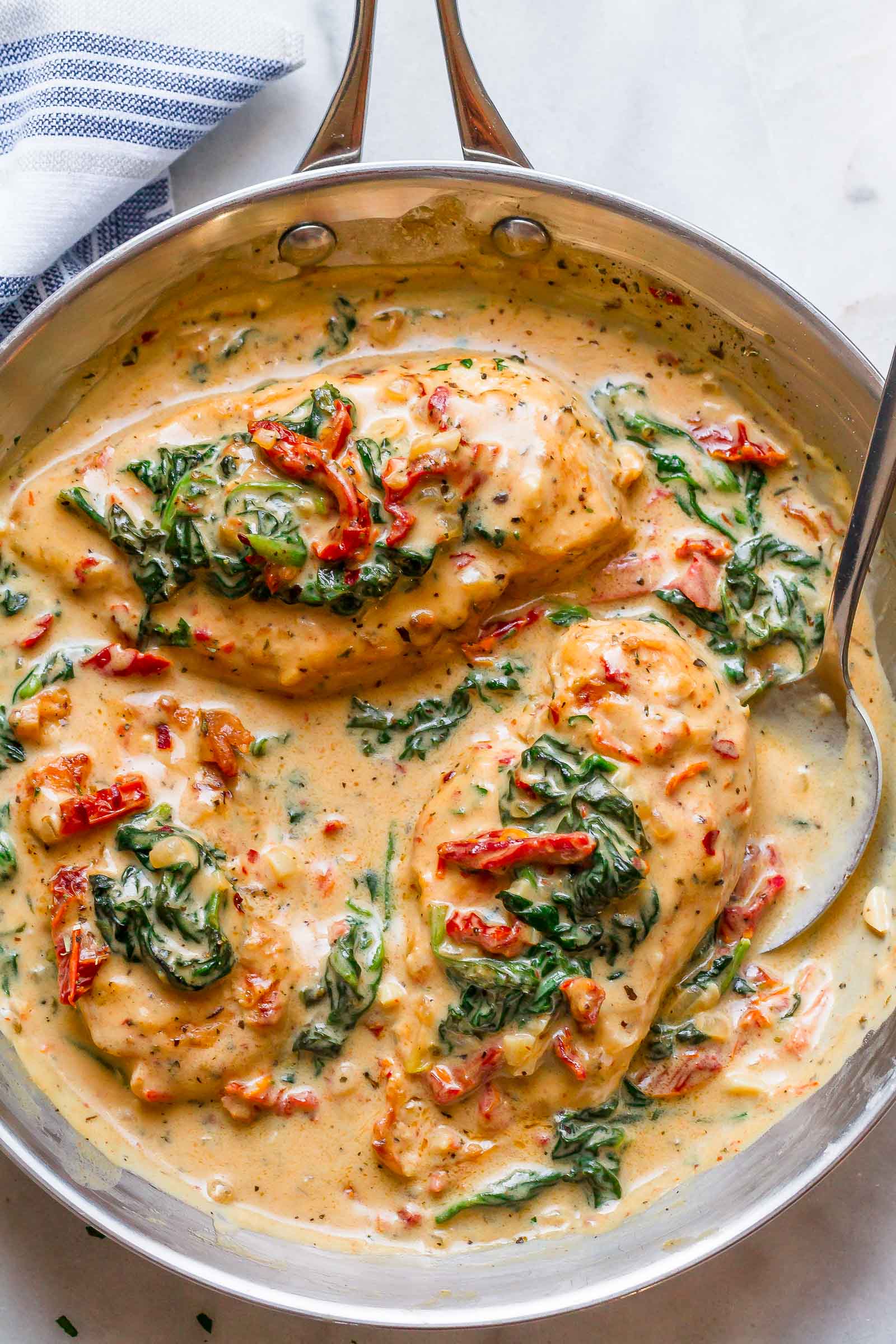
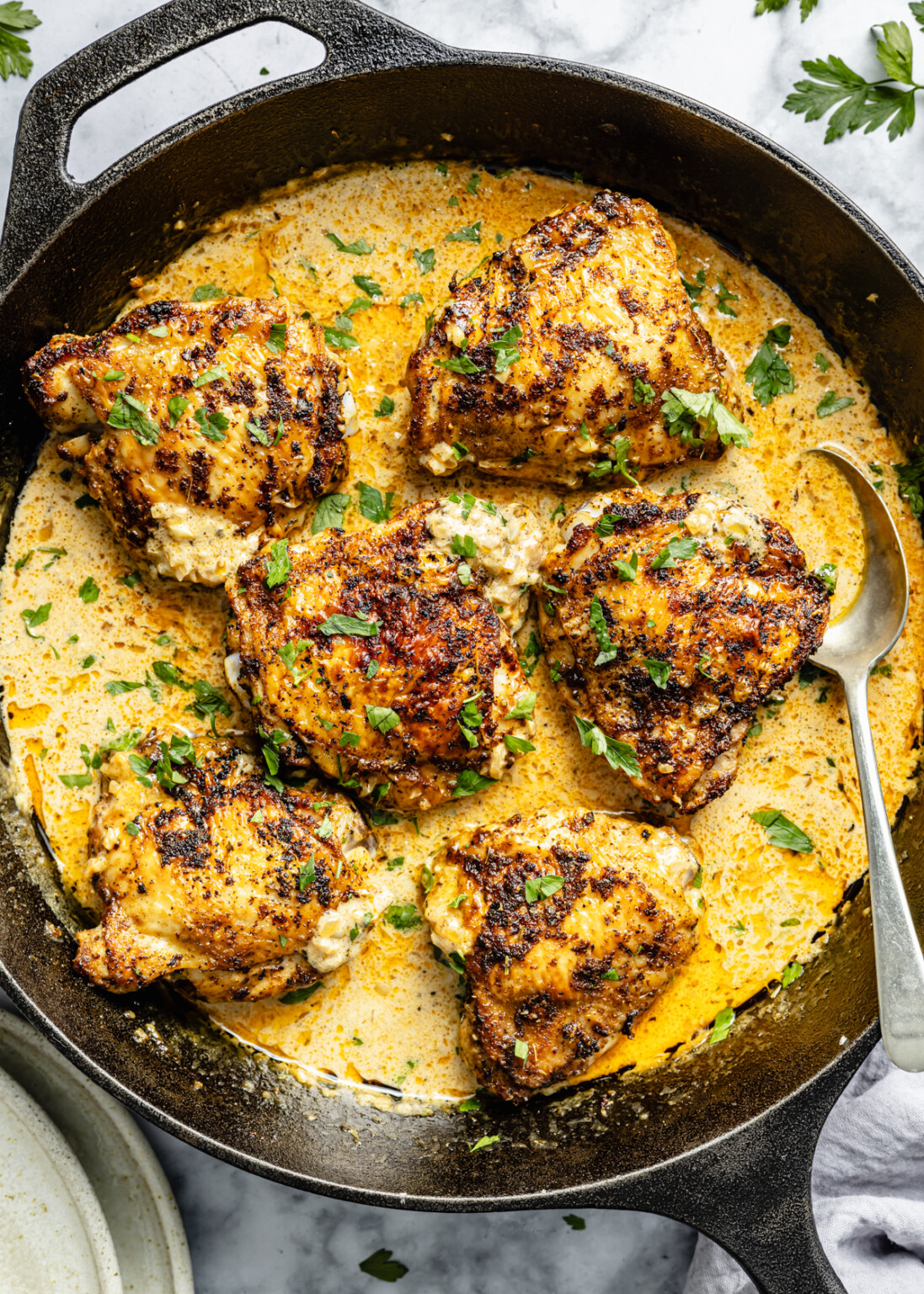
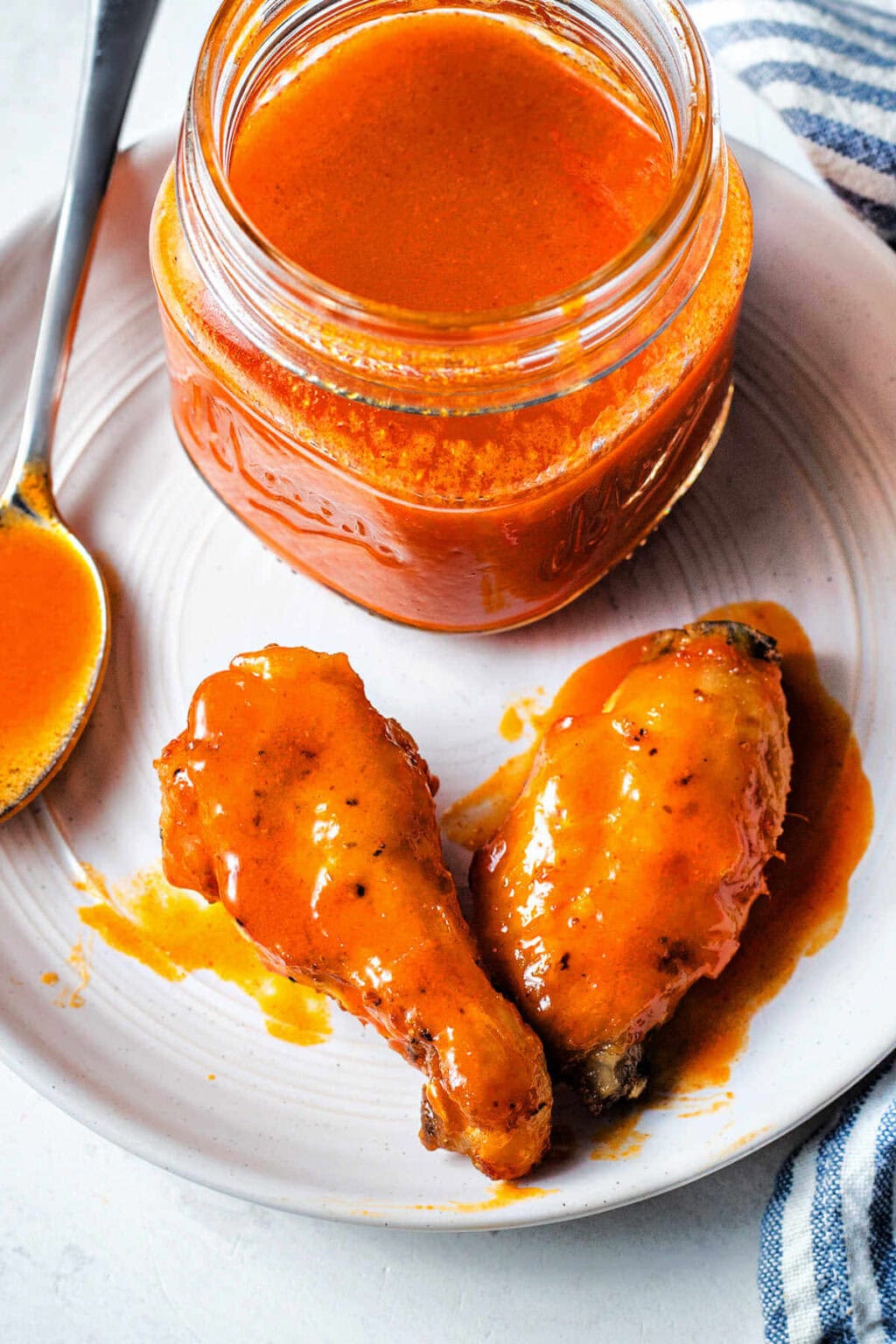
A nice sauce for chicken balances acid, fat, and savory aromatics to complement the meat's fat content and preparation method. Top options range from pan-deglazed lemon-caper sauces for seared breasts to rich Dijon cream for baked cuts, and vibrant herb chimichurri or garlic-honey glazes for grilled chicken thighs.
Understanding Flavor Dynamics: Matching Sauces to Chicken Cuts
Selecting or creating a sauce for chicken requires analyzing the cut of poultry and the cooking method utilized. Chicken is culinary canvas: white meat (breasts and tenderloins) features mild flavor and low fat content, while dark meat (th thighs, drumsticks, and wings) contains higher fat, connective tissue, and richer flavor.
Chicken Cut & Sauce Pairing Framework:
- White Meat (Breasts, Tenderloins)
- Characteristics: Lean, delicate flavor, easy to dry out
- Ideal Sauces: Rich pan sauces, velvety cream reductions, compound butter, fruit glazes
- Dark Meat (Thighs, Drumsticks, Wings)
- Characteristics: Higher fat content, robust flavor, rich gelatin
- Ideal Sauces: High-acid herb reductions, spicy glazes, sharp mustard sauces, dark soy reductions
Lean Cuts vs. Fatty Cuts
Because boneless, skinless chicken breasts lack natural fat, they benefit immensely from sauces containing emulsified fats—such as butter, heavy cream, olive oil, or pan reductions. The fat coats the palate, masking dryness and amplifying subtle poultry notes.
Conversely, chicken thighs and drumsticks contain sufficient intramuscular fat to stand up to bold, high-acid sauces. High-acidity ingredients like lemon juice, sherry vinegar, or pickled capers cut through the natural richness of dark meat, preventing the dish from feeling overly heavy.
Flavor Pillars for Poultry Sauces
Every balanced chicken sauce relies on four foundational culinary components:
- Acid: Lemon juice, white wine, cider vinegar, or fortified wines like dry vermouth. Acid brightens the dish and cuts through chicken fat.
- Fat: Unsalted butter, heavy cream, extra virgin olive oil, or rendered chicken fat (schmaltz). Fat carries flavor compounds across the tastebuds.
- Aromatics: Shallots, garlic, leeks, fresh herbs (tarragon, thyme, rosemary, parsley), and peppercorns provide structure and fragrance.
- Umami/Body: High-gelatin chicken stock, pan fond, Dijon mustard, soy sauce, or parmesan cheese supply depth and rich mouthfeel.
Classic French Pan Sauces: Harnessing the Power of Fond
Pan sauces are the cornerstone of restaurant-quality chicken dishes. They rely on the fond—the caramelized, browned bits of protein and carbohydrates left on the bottom of a pan after searing meat via the Maillard reaction.
Deglazing the pan with a liquid dissolves this concentrated flavor base, turning pan drippings into an intensely flavorful sauce.
Pan Sauce Architecture:
- Pan Fond + Rendered Fat
- Sweat Aromatics (Add Aromatics: Shallots, Garlic)
- Liquid Reduction by 50-70% (Deglaze: Wine, Stock, or Acid)
- Emulsified Master Pan Sauce (Finish: Cold Butter "Monter au Beurre")
Recipe 1: Classic Lemon-Caper Butter Pan Sauce (Piccata Style)
This pan sauce offers sharp acidity, salty punch from capers, and silky body from cold butter emulsification.
- Best For: Pan-seared chicken breasts or cutlets.
- Prep Time: 5 minutes
- Cook Time: 7 minutes
Ingredients
- 1/4 cup dry white wine (such as Sauvignon Blanc or Pinot Grigio)
- 1/2 cup low-sodium chicken stock (preferably gelatin-rich)
- 2 tablespoons fresh lemon juice
- 1 tablespoon nonpareil capers, drained and rinsed
- 1 medium shallot, finely minced
- 3 tablespoons cold unsalted butter, cut into small cubes
- 2 tablespoons fresh flat-leaf parsley, finely chopped
- Kosher salt and freshly cracked black pepper to taste
Step-by-Step Instructions
- After searing chicken breasts in a stainless steel or cast-iron skillet, transfer the meat to a warm plate to rest.
- Pour off all but 1 tablespoon of fat from the skillet. Return the pan to medium heat.
- Add the minced shallot and cook for 1 to 2 minutes until soft and translucent, stirring constantly to prevent burning.
- Pour in the dry white wine, using a wooden spoon to scrape up all the browned fond stuck to the bottom of the skillet.
- Simmer the wine until it reduces by half (about 2 to 3 minutes).
- Add the chicken stock, lemon juice, and capers. Bring to a simmer and reduce the liquid by half again until slightly thickened.
- Reduce heat to low. Add the cold butter cubes one at a time, whisking vigorously after each addition (monter au beurre). The sauce will transform into a glossy, smooth emulsion.
- Stir in the fresh parsley, season with salt and pepper, and spoon immediately over the rested chicken.
Recipe 2: Shallot, White Wine, and Tarragon Reduction
Tarragon provides a subtle anise-like aroma that pairs exceptionally well with roasted or pan-seared chicken.
- Best For: Roasted chicken thighs, pan-seared airline breasts.
- Prep Time: 5 minutes
- Cook Time: 8 minutes
Ingredients
- 1/3 cup dry white wine or dry vermouth
- 3/4 cup high-quality chicken stock
- 2 shallots, minced
- 1 tablespoon fresh French tarragon, finely chopped
- 1 teaspoon Dijon mustard
- 2 tablespoons cold unsalted butter
- 1 teaspoon fresh lemon juice
Step-by-Step Instructions
- In the pan used for searing chicken, add the minced shallots over medium heat. Sweat until tender (approx. 2 minutes).
- Deglaze the pan with white wine or vermouth, scraping up fond. Reduce until the liquid is nearly evaporated (reduced à sec).
- Whisk in the Dijon mustard and chicken stock. Simmer until the sauce coats the back of a spoon (about 4 to 5 minutes).
- Remove the pan from heat. Whisk in the cold butter to build an emulsion.
- Stir in the fresh tarragon and lemon juice right before serving to preserve the herb's bright essential oils.
Rich Cream and Emulsified Sauces
Cream sauces offer luxurious texture and comforting flavor profile. When working with cream sauces for chicken, using heavy cream (minimum 36% milkfat) is essential. Lower-fat dairy like milk or half-and-half lacks sufficient fat-to-water ratios, causing the sauce to curdle when mixed with acidic ingredients like wine or lemon.
Recipe 3: Garlic Dijon Cream Sauce
This sauce features sharp Dijon mustard balanced by velvety heavy cream and aromatic garlic, making it a reliable crowd-pleaser.
- Best For: Baked chicken breasts, pan-seared chicken thighs, pork chops.
- Prep Time: 5 minutes
- Cook Time: 6 minutes
- Melt Butter & Garlic
- Add Dijon & Heavy Cream
- Simmer 3-5 Min until Spoon Coating
- Whisk Parmesan & Adjust Salt/Pepper
Ingredients
- 4 cloves garlic, minced
- 1 tablespoon unsalted butter
- 3/4 cup heavy cream
- 2 tablespoons Dijon mustard (smooth or coarse grain)
- 1/4 cup freshly grated Parmesan cheese (microplaned)
- 1/4 teaspoon cracked black pepper
- Pinch of red pepper flakes (optional)
Step-by-Step Instructions
- Melt butter in a saucepan or skillet over medium-low heat. Add minced garlic and sauté for 1 minute until fragrant, ensuring the garlic does not brown.
- Whisk in the Dijon mustard and heavy cream until fully integrated.
- Bring the mixture to a gentle simmer. Reduce heat to low and simmer for 3 to 5 minutes until the cream thickens enough to coat the back of a spoon (nappe consistency).
- Remove from heat and stir in the freshly grated Parmesan cheese until melted and smooth.
- Season with black pepper and red pepper flakes. Serve drizzled over cooked chicken.
Recipe 4: Creamy Tuscan Sun-Dried Tomato and Spinach Sauce
This vibrant sauce incorporates rich textures with colorful vegetables, making it suitable for serving over chicken resting on pasta or rice.
- Best For: Pan-seared boneless chicken breasts or cutlets.
- Prep Time: 10 minutes
- Cook Time: 10 minutes
Ingredients
- 1 tablespoon oil from sun-dried tomato jar
- 3 cloves garlic, minced
- 1/3 cup sun-dried tomatoes (packed in oil), drained and sliced into strips
- 1/2 cup chicken stock
- 3/4 cup heavy cream
- 2 cups fresh baby spinach, packed
- 1/3 cup Parmesan cheese, grated
- 1 tablespoon fresh basil, chiffonade
Step-by-Step Instructions
- Heat the sun-dried tomato oil in a skillet over medium heat. Add garlic and sun-dried tomatoes; sauté for 1 to 2 minutes.
- Pour in the chicken stock and heavy cream. Bring to a simmer.
- Simmer for 4 to 5 minutes until reduced by roughly one-third.
- Add the baby spinach in batches, stirring until the leaves wilt into the warm sauce (about 1 to 2 minutes).
- Stir in the grated Parmesan cheese until completely melted. Adjust seasoning with salt and pepper.
- Garnish with fresh basil before serving over sliced chicken.
Fresh Herb and Oil-Based Sauces
Not all great chicken sauces require cooking on the stove. Fresh herb-and-oil reductions offer vibrant color, strong acidity, and intense aromatic profiles that lift heavy roasted or grilled poultry.
Recipe 5: Argentine Chimichurri
Chimichurri relies on raw herbs, vinegar, and garlic suspended in quality oil. Its crisp acidity cuts through charred chicken skin and grilled thighs.
- Best For: Grilled chicken thighs, spatchcocked roasted chicken, chicken skewers.
- Prep Time: 15 minutes (plus resting time)
- Cook Time: 0 minutes
- Chop Parsley, Oregano & Garlic
- Combine with Vinegar & Salt
- Slowly Whisk Olive Oil
- Rest 30 Mins
Ingredients
- 1 cup fresh flat-leaf parsley, finely chopped (packed)
- 4 cloves garlic, finely minced or grated
- 2 tablespoons fresh oregano leaves, finely chopped (or 1 tsp dried oregano)
- 1/3 cup red wine vinegar
- 1/2 cup extra virgin olive oil
- 1/2 teaspoon red pepper flakes
- 1 teaspoon Kosher salt
- 1/2 teaspoon freshly ground black pepper
Step-by-Step Instructions
- In a medium glass or stainless steel bowl, combine the chopped parsley, garlic, oregano, red pepper flakes, salt, and black pepper.
- Pour in the red wine vinegar and mix thoroughly. Let the mixture sit for 5 minutes to allow the acid to soften the raw garlic.
- Whisk in the extra virgin olive oil until evenly blended.
- Cover the bowl and let it rest at room temperature for at least 30 minutes before serving. This allows the fat-soluble flavor compounds in the herbs and garlic to infuse into the oil.
- Spoon over hot grilled chicken just before serving.
Recipe 6: Pistachio and Basil Pesto
Traditional basil pesto gets a modern upgrade with buttery toasted pistachios, offering a rich, nutty texture that adheres well to warm chicken breasts.
- Best For: Baked chicken cutlets, grilled chicken tenders, chicken caprese.
- Prep Time: 10 minutes
- Cook Time: 0 minutes
Ingredients
- 2 cups fresh basil leaves, tightly packed
- 1/3 cup shelled pistachios, lightly toasted
- 2 cloves garlic, peeled
- 1/2 cup extra virgin olive oil
- 1/2 cup Pecorino Romano or Parmesan cheese, freshly grated
- 1 tablespoon fresh lemon juice
- 1/2 teaspoon coarse salt
Step-by-Step Instructions
- Place the toasted pistachios, garlic, and coarse salt in the bowl of a food processor. Pulse several times until coarsely chopped.
- Add the fresh basil leaves and lemon juice. Pulse until a coarse paste forms, scraping down the sides of the bowl as needed.
- With the processor running on low speed, slowly stream in the extra virgin olive oil until emulsified.
- Transfer the pesto to a bowl and fold in the grated Pecorino Romano cheese with a spatula. Season to taste.
Sweet, Savory, and Sticky Glazes
Glazes rely on sugar sources (honey, maple syrup, brown sugar, fruit juices) combined with savory bases (soy sauce, mustard, fish sauce) to coat cooked chicken. Because sugars burn easily when exposed to direct flame, glazes are typically applied during the final minutes of cooking or brushed on immediately after removing meat from the heat source.
Recipe 7: Honey Mustard Glaze
This classic sauce combines sweet honey, pungent coarse mustard, and a touch of apple cider vinegar for balanced tanginess.
- Best For: Roasted chicken legs, grilled chicken wings, baked chicken tenders.
- Prep Time: 5 minutes
- Cook Time: 3 minutes
- Combine Honey, Mustard, Cider Vinegar
- Gentle Heat Simmer (2-3 Mins)
- Brush onto Chicken
Ingredients
- 1/3 cup raw honey
- 1/4 cup coarse grain Dijon mustard
- 2 tablespoons yellow mustard
- 1 tablespoon apple cider vinegar
- 1 tablespoon unsalted butter
- 1/4 teaspoon garlic powder
- 1/4 teaspoon smoked paprika
Step-by-Step Instructions
- Combine honey, coarse Dijon mustard, yellow mustard, apple cider vinegar, butter, garlic powder, and smoked paprika in a small saucepan over medium-low heat.
- Whisk constantly until the butter melts and the mixture comes to a low simmer.
- Cook for 2 to 3 minutes until slightly thickened.
- Brush over baked or grilled chicken during the last 3 minutes of cooking, or serve as a dipping sauce on the side.
Recipe 8: Soy, Ginger, and Brown Sugar Glaze
This Asian-inspired glaze offers a deep umami flavor with background heat from fresh ginger and garlic.
- Best For: Grilled chicken thighs, pan-seared chicken wings, stir-fried chicken.
- Prep Time: 5 minutes
- Cook Time: 6 minutes
Ingredients
- 1/2 cup low-sodium soy sauce
- 1/4 cup dark brown sugar, packed
- 2 tablespoons mirin (Japanese sweet rice wine)
- 1 tablespoon rice vinegar
- 2 teaspoons fresh ginger, finely grated
- 2 cloves garlic, finely grated
- 1 teaspoon sesame oil
- 1 teaspoon cornstarch dissolved in 1 tablespoon cold water (slurry)
Step-by-Step Instructions
- Whisk soy sauce, brown sugar, mirin, rice vinegar, grated ginger, and grated garlic in a small saucepan over medium heat.
- Bring the mixture to a gentle boil, stirring until the brown sugar dissolves.
- Stir the cornstarch slurry into the simmering sauce.
- Reduce heat to medium-low and cook for 2 to 3 minutes, stirring constantly until the sauce coats a spoon with a thick, mirror-like glaze.
- Remove from heat and stir in the sesame oil. Brush onto chicken during the final minute of cooking.
Sauce Selection and Technical Matrix
The matrix below compares key metrics for selecting and executing the right sauce based on cut, flavor, and technique.
| Sauce Name | Primary Flavor Profile | Ideal Chicken Cut | Prep & Cook Time | Emulsifier / Viscosity Base | Shelf Life (Refrigerated) |
|---|---|---|---|---|---|
| Lemon-Caper Butter (Piccata) | Bright, acidic, salty | Boneless chicken breasts | 12 mins | Cold Butter (Monter au beurre) | Best fresh (1-2 days) |
| Shallot Tarragon Reduction | Herbaceous, savory, wine-forward | Whole roasted chicken, thighs | 13 mins | Reduced stock & butter | 3 days |
| Garlic Dijon Cream | Rich, velvety, tangy | Baked breasts, seared thighs | 11 mins | Heavy cream & Parmesan | 4 days |
| Creamy Tuscan Tomato | Earthy, savory, creamy | Cutlets, breast tenderloins | 20 mins | Heavy cream & cheese | 3 days |
| Argentine Chimichurri | Sharp, herbaceous, garlic-forward | Grilled thighs, drumsticks | 15 mins (raw) | Extra virgin olive oil | 7 days |
| Pistachio Basil Pesto | Nutty, fresh, savory | Grilled or baked cutlets | 10 mins (raw) | Olive oil & grated cheese | 5 days |
| Honey Mustard Glaze | Sweet, tangy, smoky | Wings, baked tenders | 8 mins | Honey reduction & butter | 14 days |
| Soy Ginger Glaze | Umami, sweet, pungent | Thighs, wings, skewers | 11 mins | Cornstarch slurry & sugar | 10 days |
Step-by-Step Blueprint: Crafting a Master Pan Sauce in 10 Minutes
Mastering a pan sauce allows home cooks to create custom sauces on the fly without relying on rigid recipes.
Follow this step-by-step workflow every time you sear chicken in a pan:
- Step 1: Sear Chicken & Build Fond
- Step 2: Clear Excess Fat & Sweat Aromatics
- Step 3: Deglaze with Acid / Spirit
- Step 4: Add Gelatinous Stock & Reduce
- Step 5: Mount with Cold Butter (Monter au Beurre)
- Step 6: Final Seasoning & Herb Addition
1. Sear the Chicken
Sear chicken pieces in a stainless steel skillet using an oil with a high smoke point (such as avocado oil or refined olive oil). Cook until the meat reaches the recommended internal temperature of 165°F (74°C) as verified by an instant-read thermometer according to standard USDA Food Safety Guidelines. Transfer chicken to a cutting board or warm plate.
2. Manage Pan Fat and Add Aromatics
Pour off excess rendered fat, leaving approximately 1 tablespoon in the skillet. Reduce heat to medium. Add finely minced aromatics (shallots, garlic, leeks, or minced mushrooms). Cook for 60 to 90 seconds until translucent. Do not allow garlic or shallots to burn, as burnt aromatics turn the final sauce bitter.
3. Deglaze the Pan
Add 1/3 cup of deglazing liquid. Excellent options include:
- Dry white wine (Sauvignon Blanc, Pinot Grigio)
- Fortified wines (Dry Vermouth, Dry Sherry, Marsala)
- Citrus juice diluted with stock (Lemon, Orange)
Scrape the bottom of the skillet vigorously with a wooden spatula to dissolve the brown fond into the liquid. Bring to a boil and reduce until the liquid is reduced by at least half.
4. Add Body with Stock
Pour in 1/2 to 3/4 cup of chicken stock. For best results, use homemade stock rich in natural gelatin, or add 1/2 teaspoon of unflavored powdered gelatin to commercial low-sodium chicken broth. Reduce the liquid over medium-high heat until it reaches a thin syrup consistency.
5. Mount with Butter (Monter au Beurre)
Turn off the heat entirely or remove the pan from the burner. Drop in 2 to 3 tablespoons of ice-cold unsalted butter, cut into small cubes. Whisk rapidly in a circular motion.
The cold fat from the butter will suspend within the warm liquid, forming a temporary emulsion that gives the sauce a glossy finish and creamy texture without adding heavy cream.
6. Season and Finish
Stir in fresh, soft herbs (tarragon, chives, parsley, or basil) and a squeeze of fresh lemon juice. Season with sea salt and fresh black pepper. Pour the sauce directly over the cooked chicken and serve immediately.
Troubleshooting Common Sauce Pitfalls
Even simple sauces can run into technical issues during preparation. The troubleshooting guide below outlines how to fix common sauce problems.
Common Sauce Failure Modes & Remedies:
- Problem: Sauce Has Broken (Oil & Water Separated)
- Fix: Whisk in 1 tbsp hot water or cold cream off heat
- Problem: Sauce Is Too Thin / Watery
- Fix: Simmer further, or add cornstarch slurry / butter cold mount
- Problem: Sauce Is Too Salty
- Fix: Add heavy cream, raw potato slice, or pinch of sugar + lemon
- Problem: Flavor Tastes Dull / Flat
- Fix: Add acid (lemon juice/vinegar) & pinch of Kosher salt
1. The Sauce Has Broken (Fat Separated)
- Why It Happens: The temperature got too hot, the butter was added too quickly, or there was insufficient liquid to hold the emulsion.
- How to Fix It: Remove the pan from heat immediately. Whisk in 1 tablespoon of ice-cold water or heavy cream vigorously until the emulsion re-forms. Alternatively, whisk a new teaspoon of cold butter into a clean bowl with a drop of hot water, then gradually whisk the broken sauce into it.
2. The Sauce Is Too Thin
- Why It Happens: The liquid was not reduced sufficiently before mounting with butter or adding cream.
- How to Fix It: Continue reducing over medium heat before adding butter. If the butter has already been added, do not boil it hard. Instead, stir in a slurry of 1/2 teaspoon cornstarch mixed with 1 teaspoon cold water, and simmer gently for 1 minute until thickened.
3. The Reduction Is Overly Salty
- Why It Happens: Commercial stock with high sodium was reduced down, concentrating the salt.
- How to Fix It: Never add salt to a sauce until the final step after reduction is complete. If the sauce is already too salty, dilute it by whisking in extra unsalted stock, a splash of heavy cream, or a squeeze of fresh lemon juice to mask saltiness.
4. Flavor Tastes Flat or Boring
- Why It Happens: Lack of acidity to balance fat, or under-seasoning.
- How to Fix It: Add a fresh splash of lemon juice, a few drops of white wine vinegar, or a dash of hot sauce. Acid wakes up muted flavors. Finish with a final pinch of coarse sea salt.
Frequently Asked Questions
What is the easiest sauce to make for chicken breasts?
The easiest sauce for chicken breasts is a simple pan sauce. After searing chicken breasts in a skillet, add a minced shallot, 1/4 cup of white wine or chicken broth, scrape up the browned bits, simmer for 3 minutes, and whisk in 2 tablespoons of cold butter off the heat.
How do I keep cream sauce from curdling when making chicken?
To prevent cream sauces from curdling, always use full-fat heavy cream (at least 36% milkfat) rather than low-fat milk or half-and-half. Avoid boiling heavy cream rapidly after adding acidic ingredients like lemon juice or wine; simmer gently over low heat instead.
Can I make chicken sauces ahead of time?
Cold herb sauces (like chimichurri and pesto) and glazes (like honey mustard or soy-ginger) can be made 3 to 7 days ahead of time and stored in airtight glass containers in the refrigerator. Pan sauces mounted with butter are best prepared fresh, as reheating can cause the butter emulsion to break.
What is a good substitute for white wine in chicken pan sauces?
If you cook without alcohol, substitute white wine with an equal volume of low-sodium chicken stock combined with 1 tablespoon of fresh lemon juice or 1 teaspoon of white wine vinegar to match the missing acidity.
How do I make a pan sauce thicker without using flour?
To thicken a pan sauce without flour or a cornstarch slurry, reduce the stock down until the natural gelatins concentrate. Alternatively, finish the sauce off the heat by whisking in cold butter (monter au beurre) or stirring in finely grated Parmesan cheese.
Final Guidance for Home Cooks
To elevate everyday chicken meals, master one classic pan sauce and one cold herb sauce. For weeknight pan-seared breasts, rely on the Lemon-Caper Butter Pan Sauce to turn pan drippings into a restaurant-quality meal within minutes.
For weekend grilling or batch-cooked roasted chicken thighs, prepare a jar of Argentine Chimichurri or Pistachio Basil Pesto in advance to add freshness and acidity. Focus on balancing fat, acid, and salt, and always adjust your sauce's viscosity after reducing to achieve consistent results.