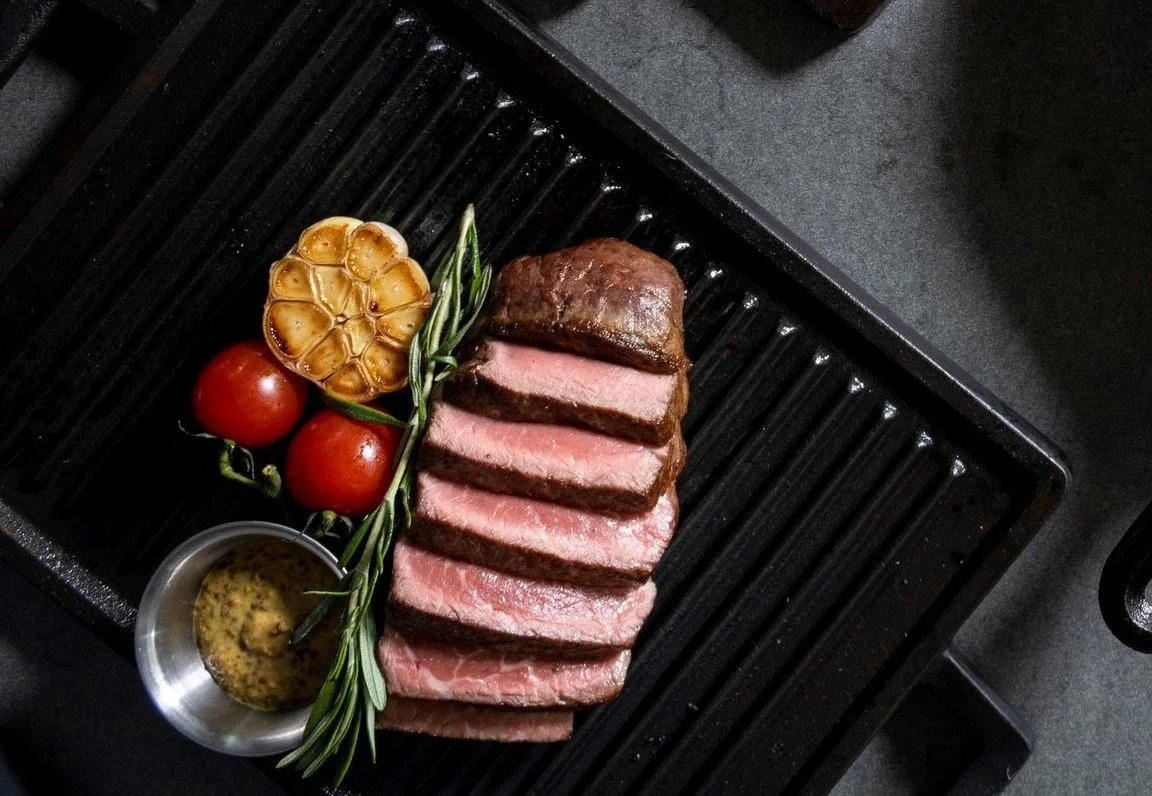
Consuming a medium-rare steak is generally considered safe for healthy adults, provided the meat is a whole-muscle cut and has been handled and prepared correctly. While the USDA recommends a minimum internal temperature of 145°F (63°C) followed by a three-minute rest, many culinary experts and consumers prefer the 130°F to 135°F range of medium-rare, which effectively kills surface bacteria during the searing process.
Defining Medium Rare: Temperature and Texture in 2026
In the culinary world of 2026, the definition of a "perfect" steak remains centered on the medium-rare finish. This level of doneness is characterized by a warm, red center and a firm, browned exterior. Technically, a medium-rare steak reaches an internal temperature between 130°F and 135°F (54°C to 57°C).
At this temperature range, the proteins in the beef (specifically myosin) begin to denature, but the meat retains most of its moisture and intramuscular fat. This results in the tender, juicy texture that steak enthusiasts prize. However, from a strictly regulatory standpoint, this temperature falls slightly below the official safety threshold established by national health organizations. Understanding why this gap exists—and why millions consume medium-rare beef without incident—requires a look at the microbiology of meat.
The Science of Meat Contamination: Surface vs. Interior
The primary reason why a medium-rare steak is safer than, for example, a medium-rare hamburger, lies in the physical structure of the meat. Pathogenic bacteria, such as Escherichia coli (E. coli) and Salmonella, typically reside on the surface of the meat. These bacteria are introduced during the slaughtering and butchering process, often through contact with the animal's hide or intestinal tract.
Whole-Muscle Integrity
In a whole-muscle cut like a ribeye, New York strip, or filet mignon, the internal muscle fibers are dense and sterile. Bacteria are too large to penetrate deep into the center of a solid piece of muscle. When you place a steak on a hot grill or cast-iron skillet, the intense heat (usually upwards of 400°F) instantly destroys any pathogens lingering on the exterior. Even if the center only reaches 130°F, the "danger zone" on the outside has been neutralized.
The Danger of Mechanical Tenderization
A critical exception to this rule occurs if the steak has been mechanically tenderized. Many commercial producers use machines with needles or small blades to pierce the meat, breaking down tough fibers. This process can inadvertently push surface bacteria into the sterile center of the steak. If a steak is labeled as mechanically tenderized, it is no longer safe to eat at medium-rare; it must be cooked to a minimum of 145°F to ensure internal pathogens are killed.
USDA Guidelines vs. Culinary Standards
The United States Department of Agriculture (USDA) maintains a conservative stance on food safety to protect the broadest possible population. Their current 2026 guidelines recommend that all whole cuts of beef be cooked to an internal temperature of 145°F (63°C) with a mandatory three-minute rest period.
The "Safety Buffer"
The 145°F recommendation is designed as a "fail-safe." At this temperature, the meat is technically "medium" doneness—showing more pink than red and possessing a firmer texture. The USDA’s goal is the total eradication of pathogens. However, the culinary industry generally views 145°F as overcooked for premium cuts.
Food scientists often point out that "lethality" (the killing of bacteria) is a function of both temperature and time. While 145°F kills bacteria almost instantly, holding meat at 130°F for a longer period (as seen in sous vide cooking) can achieve the same level of safety. For traditional pan-searing or grilling, the high-heat sear provides the necessary lethality for surface contaminants, making the slightly lower internal temperature acceptable for most healthy individuals.
Identifying the Primary Risks: Pathogens at Play
While beef is generally safer than poultry or pork regarding certain parasites, it is not without risks. Understanding the specific pathogens associated with undercooked beef is essential for assessing your personal risk tolerance.
- Escherichia coli (E. coli): This is the most significant concern with beef. Certain strains, such as O157:H7, can cause severe abdominal cramping, bloody diarrhea, and in extreme cases, hemolytic uremic syndrome (HUS), which leads to kidney failure.
- Salmonella: Though more common in chicken, Salmonella can contaminate beef surfaces. It causes fever, diarrhea, and abdominal cramps.
- Listeria monocytogenes: This bacterium is particularly dangerous because it can grow at refrigeration temperatures. While heat kills it, cross-contamination in the kitchen is a common vector.
- Staphylococcus aureus: This is often introduced through improper handling by humans. It produces a toxin that is heat-resistant, meaning that even cooking the steak might not prevent illness if the meat was left out too long before cooking.
High-Risk Groups: Who Should Avoid Medium-Rare?
While a healthy adult with a robust immune system can typically handle the small risks associated with medium-rare beef, certain populations are much more vulnerable to foodborne illnesses. For these individuals, the USDA guidelines are not just suggestions; they are critical safety requirements.
- Pregnant Women: Infections like Listeria or Toxoplasmosis can cross the placenta, leading to miscarriage, stillbirth, or severe developmental issues for the newborn.
- Young Children: Children under the age of five have developing immune systems and are at a much higher risk for complications like kidney failure from E. coli infections.
- The Elderly: As we age, our immune response weakens, and stomach acid (which helps kill bacteria) decreases, making it easier for pathogens to take hold.
- Immunocompromised Individuals: Those undergoing chemotherapy, living with HIV/AIDS, or taking immunosuppressant drugs after an organ transplant should always cook meat to the full 145°F (or higher).
The Crucial Distinction: Steak vs. Ground Beef
It is a common and dangerous mistake to apply steak safety logic to ground beef. In the production of hamburger meat, various cuts of beef are ground together. This process takes the bacteria that were once only on the surface and distributes them throughout the entire batch.
When you cook a burger, there is no "sterile center." Every part of the patty must reach 160°F (71°C) to be considered safe. A medium-rare burger carries a significantly higher risk of food poisoning than a medium-rare steak because the interior has been exposed to surface contaminants during the grinding process.
Practical Steps to Minimize Risk
If you choose to enjoy your steak medium-rare, you can significantly reduce your risk by following strict food safety protocols from the moment of purchase to the moment of consumption.
Sourcing and Storage
Always buy meat from reputable butchers or retailers with high turnover. Check the "packed on" or "sell-by" dates. In 2026, many high-end retailers use blockchain or enhanced labeling to show the exact origin and processing date of the meat. Keep your refrigerator at or below 40°F (4°C). If you aren't cooking the steak within two days of purchase, freeze it to prevent bacterial growth.
Avoiding Cross-Contamination
Most cases of food poisoning occur not from the meat itself, but from the kitchen environment.
- Use separate cutting boards for raw meat and vegetables.
- Wash your hands for at least 20 seconds after handling raw beef.
- Never place a cooked steak back onto the same plate that held it when it was raw.
The Role of the Digital Thermometer
The only way to truly know the doneness of a steak is with an instant-read digital thermometer. Relying on "the finger test" (touching the meat to gauge firmness) or visual cues like color is notoriously inaccurate. To get an accurate reading:
- Insert the probe into the thickest part of the steak.
- Avoid hitting the bone or large deposits of fat, which can give false temperature readings.
- Pull the meat off the heat about 2–3 degrees before your target temperature, as "carryover cooking" will continue to raise the internal temp.
Comparing Steak Doneness and Safety
The following table outlines the relationship between internal temperature, culinary doneness, and the associated safety profile according to standard food safety metrics.
| Doneness | Internal Temp (°F) | Internal Temp (°C) | Appearance | Risk Level |
|---|---|---|---|---|
| Rare | 120°F – 125°F | 49°C – 52°C | Bright red, cool center | High |
| Medium-Rare | 130°F – 135°F | 54°C – 57°C | Warm red center | Moderate/Low* |
| Medium | 140°F – 145°F | 60°C – 63°C | Warm pink center | Very Low |
| Medium-Well | 150°F – 155°F | 65°C – 68°C | Slightly pink center | Negligible |
| Well Done | 160°F+ | 71°C+ | No pink, brown center | Minimal |
*Low for healthy adults; Moderate for high-risk populations.
The Importance of the Rest Period
Resting meat is often discussed in terms of flavor and juice retention, but it has a secondary safety benefit. When you remove a steak from the grill, the internal temperature continues to rise for several minutes—a phenomenon known as carryover cooking.
A steak pulled at 132°F may peak at 135°F while resting. This extended time at a consistent temperature aids in the reduction of any potential pathogens. Furthermore, allowing the fibers to relax ensures that the juices (and any potential surface bacteria that were missed) don't immediately run out onto the plate when the meat is sliced.
Sous Vide: A Path to Safer Low-Temp Cooking
For those who are particularly concerned about safety but refuse to eat a well-done steak, sous vide cooking offers a scientific solution. This method involves vacuum-sealing the meat and immersing it in a precision-controlled water bath.
Because the meat is held at a specific temperature for a long duration (often 1 to 4 hours), it undergoes a process of pasteurization. According to the FDA Food Code, you can achieve the same pathogen reduction at 130°F held for 112 minutes as you do at 145°F held for a few seconds. This is the most effective way to enjoy a perfectly medium-rare steak with a safety profile equivalent to a well-done one.
Frequently Asked Questions
Is it safe to eat steak that is pink in the middle?
Yes, for whole-muscle cuts of beef, a pink or red center is generally safe for healthy adults. This is because the bacteria that cause food poisoning are usually found on the outside of the meat and are destroyed by the high heat used for searing.
Why does the USDA say 145°F if chefs say 130°F?
The USDA (United States Department of Agriculture) sets guidelines to ensure the safety of the most vulnerable citizens. Their 145°F recommendation provides a significant safety margin. Chefs prioritize flavor and texture, knowing that for healthy adults, the risk at 130°F is statistically very low.
Can you get parasites from medium-rare steak?
While parasites like Taenia saginata (beef tapeworm) can exist in beef, they are extremely rare in modern commercial cattle in developed nations due to strict veterinary inspections and feed regulations. Bacterial infections from E. coli or Salmonella are much more common concerns than parasites.
Is "bloody" juice in the steak actual blood?
No. The red liquid you see in a medium-rare steak is myoglobin, a protein found in muscle tissue that stores oxygen. It is mixed with water. Almost all actual blood is removed during the slaughtering process. Myoglobin turns from red to brown as it is heated, which is why well-done steaks lose their red color.
Does searing the outside make a rare steak safe?
Searing the outside significantly reduces the risk because it kills the most likely source of contamination. However, a "rare" steak (120°F–125°F) does not reach a high enough internal temperature to kill any bacteria that might have migrated inward, which is why it is considered higher risk than medium-rare.
Final Recommendation: Balancing Taste and Health
Choosing to eat a medium-rare steak is a calculated risk that most people find acceptable. To enjoy your meal with peace of mind in 2026, follow a simple three-step approach: Source high-quality, non-tenderized whole cuts; Monitor the temperature with a digital thermometer to hit the 130°F-135°F range; and Protect the vulnerable by ensuring that children, the elderly, and pregnant women are served meat cooked to at least 145°F. By understanding the distinction between surface contamination and internal sterility, you can appreciate the culinary benefits of medium-rare beef while maintaining a safe kitchen.