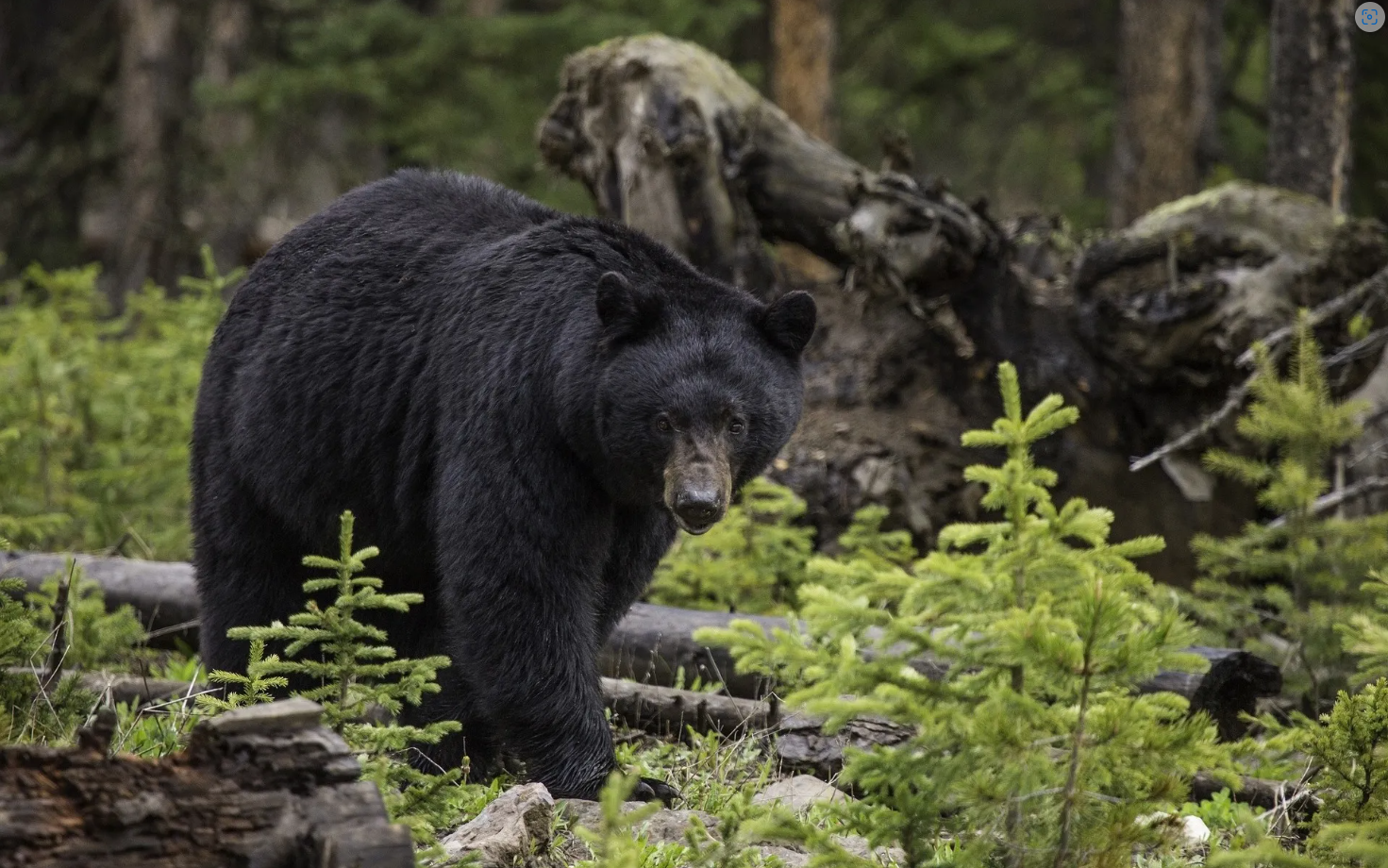
In 2008, biologist Adam Warwick performed a legendary rescue at Alligator Point, Florida, by swimming into the Gulf of Mexico to save a 375-pound black bear that had become incapacitated by a tranquilizer dart. This incident remains the most significant example of human intervention during a wildlife emergency involving a large predator.
The story of "a man saves a drowning bear" is not merely a viral anecdote; it is a complex intersection of wildlife management, pharmacology, and high-stakes decision-making. As of 2026, the incident serves as a primary case study for wildlife biologists and emergency responders when discussing the risks of sedating large animals near water bodies. To understand the gravity of the event, one must analyze the biological state of the bear, the physiological challenges of a water rescue, and the evolution of bear management protocols in the decades following the event.
The Alligator Point Incident: How Adam Warwick Saved a 375-Pound Bear
The event began when a large Florida black bear (Ursus americanus floridanus) wandered into a residential neighborhood in Alligator Point, a coastal community in Franklin County, Florida. Following standard wildlife management protocols of the time, the Florida Fish and Wildlife Conservation Commission (FWC) attempted to relocate the animal to a safer, less populated habitat.
A biologist fired a tranquilizer dart at the bear to sedate it for transport. However, instead of retreating toward land, the bear—disoriented and panicked by the dart's impact—bolted toward the Gulf of Mexico. As the sedative began to take hold, the bear’s motor functions failed, and it began to drift into deep water, unable to keep its head above the surface.
Adam Warwick, an FWC biologist on the scene, recognized that the bear would drown within minutes. Without hesitation, he dove into the water. Warwick swam roughly 25 yards out to the bear, which was twice his weight and increasingly lethargic. He managed to get in front of the bear, keeping its snout above the water by grabbing the scruff of its neck and its front legs, and physically guided the 375-pound animal back to the shore.
The Science of Sedation: Why the Bear Ran Into the Water
To understand why the bear’s life was in danger, it is necessary to examine the pharmacology of wildlife immobilization. In 2008, and still in many applications in 2026, biologists often utilize a combination of Tiletamine and Zolazepam (commonly known as Telazol).
How Sedatives Affect Large Mammals
When a large mammal like a black bear is darted, the drugs work by depressing the central nervous system. This causes:
- Ataxia: Loss of full control of bodily movements.
- Muscle Relaxation: The animal loses the strength to perform repetitive motions like treading water.
- Sedation: A state of deep sleep where the "fight or flight" response is eventually extinguished.
The danger arises during the "induction period"—the time between the dart impact and full sedation. During this phase, animals often experience "flight" reactions. Because bears are naturally strong swimmers, the bear at Alligator Point instinctively headed for the water as a perceived escape route. Once the sedative fully kicked in while the bear was in the Gulf, it lost the ability to perform the "dog paddle" motion necessary for buoyancy.
Risks of Water Immobilization
If an animal is sedated near water, the risk of aspiration (inhaling water into the lungs) is extremely high. Even if the animal does not fully submerge, a sedated bear lacks the tongue and throat control to prevent water from entering the airway. Warwick’s primary task was not just pulling the weight, but ensuring the bear’s airway remained clear despite the animal's massive girth and the shifting tides.
Understanding the Florida Black Bear (Ursus americanus floridanus)
The Florida black bear is a unique subspecies of the American black bear. By 2026, conservation efforts have highlighted the importance of these animals within the Florida Wildlife Corridor.
Physical Characteristics and Swimming Ability
Bears are exceptionally proficient swimmers. They utilize a high body-fat percentage for natural buoyancy and powerful shoulder musculature for propulsion. A healthy, non-sedated bear can swim for miles. However, the bear rescued by Warwick was a mature male, weighing approximately 375 pounds. In the water, the "dead weight" of a sedated mammal is significantly more difficult to manage than a conscious one because the rescuer must fight both gravity and the animal's lack of cooperation.
Habitat and Human Interaction
As residential development expands, human-bear encounters have become more frequent. Alligator Point is a prime example of a "wildland-urban interface" where bears are attracted to human food sources like garbage cans and bird feeders. The 2008 rescue highlighted the need for non-invasive management techniques, such as the BearWise program, which focuses on community prevention rather than reactive sedation and relocation.
The Physicality of the Rescue: Risks and Techniques
The physical feat performed by Adam Warwick cannot be overstated. A human attempting to rescue a drowning predator faces three primary risks:
- Drowning by Proximity: A panicked or semi-conscious bear can inadvertently push a human underwater.
- Lacerations: Even a sedated bear has 2-inch claws. Involuntary muscle twitches during sedation can cause serious injury.
- Physical Exhaustion: Moving 375 pounds of non-buoyant mass through water requires immense cardiovascular strength.
Warwick’s technique involved staying behind or to the side of the bear’s head to avoid being struck by its paws. He used the bear’s thick fur (the "scruff") to provide leverage. Once they reached shallow water, other FWC members assisted in hauling the bear onto dry land using a backhoe and a specialized transport mat.
| Feature | Details of the 2008 Rescue |
|---|---|
| Location | Alligator Point, Franklin County, FL |
| Species | Florida Black Bear (Ursus americanus floridanus) |
| Approximate Weight | 375 lbs (170 kg) |
| Distance Swum | ~25 yards (23 meters) |
| Primary Danger | Drowning due to Telazol sedation |
| Outcome | Successful rescue and relocation to Osceola National Forest |
Human-Wildlife Conflict Management in 2026
In the years since the Alligator Point incident, wildlife agencies have refined their procedures to prevent similar near-tragedies. Modern protocols in 2026 place a higher emphasis on "hazing" and environmental management over chemical immobilization.
Updated Darting Protocols
Current guidelines from agencies like the Florida Fish and Wildlife Conservation Commission now mandate that if an animal must be darted, it should be done in a "containment zone" far from open water or steep cliffs. If an animal is near water, biologists are often equipped with specialized aquatic reach poles or inflatable collars that can be deployed to keep the animal's head above water without requiring a human to enter the surf.
The Role of Technology
By 2026, drone technology has transformed how these situations are monitored. Drones equipped with thermal imaging can track a darted bear's movement through thick brush, allowing biologists to predict if the animal is heading toward a water hazard. This early warning system allows teams to position themselves with nets or boats before the animal reaches the shoreline.
Ethical Considerations of Wildlife Intervention
The story of "a man saves a drowning bear" often sparks debate regarding when humans should intervene in nature. In this specific case, the intervention was ethically clear because the bear's life was endangered by human action (the sedation).
However, in scenarios where a bear is drowning due to natural causes (such as being swept away in a flood), wildlife agencies often exercise more caution. The safety of human life is always prioritized over the life of the animal. Adam Warwick’s decision to jump in was a personal choice of extreme bravery that went beyond the standard requirements of his job.
Lessons for the Public
The most important lesson for the general public is to never attempt a DIY wildlife rescue. A drowning bear, even a small one, is incredibly dangerous. If you witness a bear or other large animal in distress in the water:
- Maintain a distance of at least 100 yards.
- Note the exact location and the animal's direction of travel.
- Contact state wildlife authorities or local law enforcement immediately.
- Do not enter the water; your presence may cause the animal to swim further from shore in panic.
Frequently Asked Questions (FAQs)
What happened to the bear after the rescue?
After being hauled from the Gulf of Mexico, the bear was placed in a transport cage and monitored until the sedative wore off. Once the bear was fully conscious and deemed healthy, it was relocated to the Osceola National Forest, a more suitable habitat far from residential areas, where it could live without human interference.
Can all bears swim?
Yes, all bear species are capable swimmers. Black bears and brown bears are particularly adept, while polar bears are considered semi-aquatic mammals, capable of swimming hundreds of miles between ice floes. However, no bear can swim effectively if they are heavily sedated or suffering from severe hypothermia.
Why did the biologist swim out instead of using a boat?
At the time of the Alligator Point incident, the bear was drowning rapidly. Deploying a boat or a motorized craft would have taken several minutes—precious time the bear did not have. Adam Warwick’s immediate physical intervention was the only way to keep the bear’s head above water at that exact moment.
How often do bears drown?
Natural drowning is relatively rare for healthy adult bears. It most commonly occurs during extreme flooding events, failed crossings of turbulent rivers, or among cubs that become separated from their mothers in deep water. Human-induced drowning, such as the sedation incident in Florida, is an exceptional circumstance that modern protocols aim to eliminate.
Is it legal for a civilian to save a drowning bear?
In most jurisdictions, including Florida, it is not illegal to assist an animal in distress, but it is highly discouraged and often dangerous. Wildlife is protected under state laws, and interfering with a wild animal—especially a protected species like the Florida black bear—can lead to legal complications if the animal is harmed or if the person is injured, leading to a public safety crisis.
What should I do if I see a bear in my neighborhood in 2026?
The best course of action is to "be bear-aware." Secure your trash in bear-resistant containers, remove bird feeders during active bear seasons, and keep pets indoors. If a bear is in your yard, give it an escape route and make loud noises from a safe distance (like a porch or window) to encourage it to leave.
Practical Recommendations for Living in Bear Country
If you live in an area with a high bear population, such as the Florida Panhandle or the Appalachian Mountains, your goal should be to prevent the need for a rescue in the first place.
- Eliminate Attractants: 90% of human-bear conflicts are caused by accessible food. By 2026, many municipalities have mandated bear-proof trash cans.
- Support Wildlife Corridors: Conservation of natural lands allows bears to travel without entering residential zones. Supporting organizations like the National Park Service and local land trusts helps maintain these vital paths.
- Education: Familiarize yourself with the "standing your ground" vs. "backing away" protocols for different bear species. For black bears, you should stand your ground and be loud; for grizzly bears, the protocol varies based on the bear's behavior.
The 2008 rescue of the drowning black bear remains a testament to human compassion and the unpredictable nature of wildlife management. It reminds us that while we have the power to impact nature, we also have the responsibility to protect it when our actions go awry.