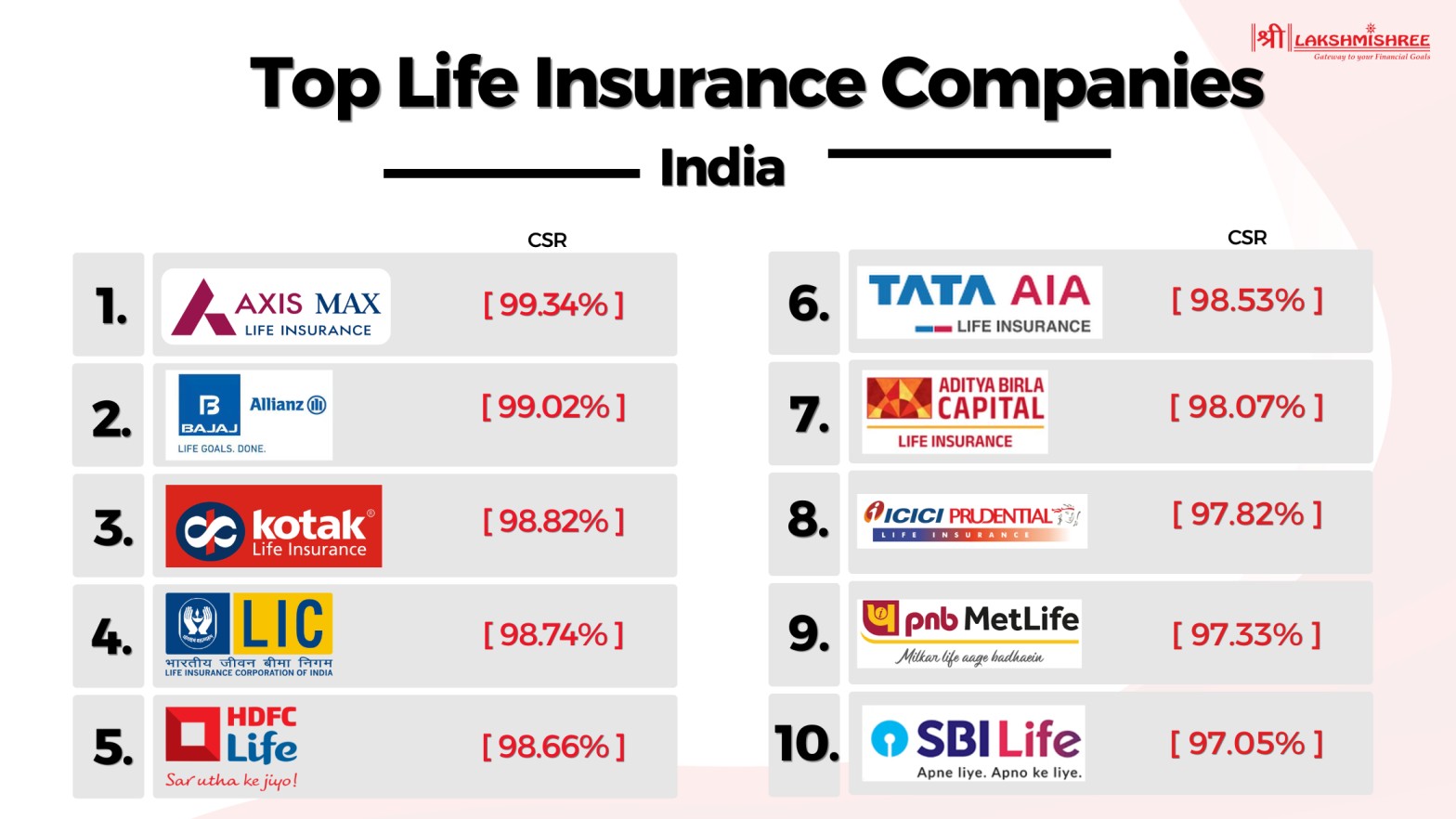
Selecting an insurance provider requires navigating a complex market of carriers that vary by coverage type, financial stability, and regulatory oversight. To identify the right partner, consumers must distinguish between major national underwriters, specialized regional carriers, and independent brokerages while verifying state-specific licenses through official regulatory databases to ensure protection and reliability.
Understanding the Insurance Market Structure
The insurance industry is not a monolith; it is composed of diverse entities structured to handle specific risks. When looking for a list of insurance companies, it is vital to first categorize the type of insurance you require. Insurance providers are generally divided into life, health, property and casualty (P&C), and specialty lines.
Large national carriers—often referred to as "admitted" carriers—are licensed by state departments of insurance. These companies are subject to rigorous regulatory oversight, including strict requirements for capital reserves to ensure they can pay claims. In contrast, "surplus lines" insurers handle high-risk or unique policies that standard carriers may decline. Understanding these distinctions is the first step in protecting your financial interests.
Criteria for Evaluating Insurance Providers
When evaluating a company from a list of insurance providers, financial stability is the most critical metric. Insurance is, at its core, a promise of future payment. If a company lacks the capital to honor that promise, the policy is essentially worthless.
Financial Strength Ratings
Independent rating agencies, such as A.M. Best, Moody’s, Standard & Poor’s, and Fitch, provide letter-grade assessments of an insurer's ability to meet its financial obligations. A company with a rating of A or higher is generally considered to have a superior ability to meet ongoing insurance obligations.
The Role of State Departments of Insurance
In the United States, insurance is regulated at the state level. Every state operates a Department of Insurance (DOI) that maintains a "Company Search" tool. This is the most authoritative source for verifying if a company is licensed to do business in your specific jurisdiction. Searching a company name in the National Association of Insurance Commissioners (NAIC) database allows you to view historical complaints, regulatory actions, and licensing status.
Major Segments of the Insurance Industry
To refine your search, you must align your needs with the appropriate segment of the industry. The following table provides a breakdown of primary insurance categories and the structural considerations for each.
| Insurance Type | Primary Focus | Regulatory Focus | Key Operational Metric |
|---|---|---|---|
| Life Insurance | Mortality risk and long-term savings | Solvency and asset management | Claims-paying ability rating |
| Property & Casualty | Asset protection (homes, autos) | Consumer protection and rates | Loss ratio (claims vs. premiums) |
| Health Insurance | Medical coverage and wellness | Network adequacy and mandates | Medical Loss Ratio (MLR) |
| Specialty/Surplus | High-risk or unique exposure | Market access and disclosure | Reinsurance backing |
Steps to Verify and Select an Insurer
Selecting an insurance company is a methodical process. Following a structured approach minimizes the risk of choosing an under-capitalized or unreliable provider.
- Identify Your Specific Coverage Need: Define exactly what you are insuring. A company that excels in commercial liability may not offer competitive home insurance products.
- Verify Licensing: Visit the website of your state’s insurance department. Never purchase a policy from an entity that is not admitted to do business in your state, as this may strip you of protections provided by state guaranty funds.
- Review Financial Ratings: Look for the most recent financial strength reports from at least two major rating agencies.
- Analyze Complaint Indexes: The NAIC provides a complaint ratio for most companies. This metric compares the number of complaints against a company relative to its market share. A lower ratio suggests better customer service and claims handling.
- Assess Digital Capability: In 2026, the ability to manage policies, file claims via mobile applications, and access automated underwriting through a company portal is often a standard expectation for service-oriented consumers.
Comparing Direct Writers versus Independent Agents
The method of purchase often dictates the level of service you receive. Direct writers are insurance companies that sell policies directly to the consumer through their own employees or websites. This often leads to lower overhead costs and streamlined digital experiences.
Independent agents or brokers, however, represent multiple insurance companies. Their primary value is their ability to compare rates and coverages from various carriers on your behalf. If you have complex insurance needs, such as a high-value home or a business with international exposure, an independent broker can provide a tailored recommendation that a direct writer’s algorithm might miss.
Common Pitfalls in Selecting Insurance
One of the most significant mistakes consumers make is focusing exclusively on the premium price. While cost is a major factor, insurance is a contract of adhesion; the fine print matters.
- Ignoring Exclusions: Every policy contains exclusions. A low-cost policy may exclude common hazards, such as water backup or specific types of structural damage, which could lead to a total loss of coverage during a catastrophic event.
- Overlooking Deductible Structure: A high deductible lowers your premium but increases your out-of-pocket costs at the time of a claim. Ensure your liquid savings can cover your chosen deductible.
- Failing to Update Coverage: Insurance needs change as life events occur. Marriage, home renovations, or new business ventures should trigger a review of your coverage limits. An insurance policy that was sufficient five years ago may be grossly inadequate in 2026.
Frequently Asked Questions
How do I know if an insurance company is legitimate?
Legitimacy is established through state licensing. Use the NAIC Consumer Insurance Search or your state’s DOI website. If a company is not listed as an admitted carrier, it may be operating illegally or as an unlicensed surplus lines entity, both of which pose significant risks to your assets.
Does a high A.M. Best rating guarantee I will be paid?
No, it is not a guarantee, but it is the industry standard indicator of financial health. It suggests the company has a strong balance sheet and history of meeting obligations. Always prioritize companies with an "A-" (Excellent) or higher rating for long-term contracts like life insurance.
What is a state guaranty association?
Most states have a guaranty association that steps in to pay claims if an admitted insurance company becomes insolvent. Only policies issued by licensed, admitted carriers are covered by these protections. Surplus lines policies generally do not receive this coverage.
Why do insurance premiums vary so much between companies?
Insurers use proprietary actuarial models to assess risk. Two companies may view the same risk—such as a specific home location or a driver's history—through different data lenses, resulting in significantly different premium quotes.
Can I trust online reviews for insurance companies?
Online reviews provide anecdotal insight into customer service and the claims process, but they should not replace financial data. A company may have poor customer service reviews but remain highly solvent and excellent at paying legitimate claims, or vice versa. Weigh reviews against official complaint indexes.
Practical Next Actions
If you are currently searching for an insurance provider, begin by gathering your personal data, including property details, claim history, and desired coverage limits. Once you have a shortlist of companies, prioritize verifying their "Admitted" status in your state. Once confirmed, use the NAIC complaint index to filter out companies with high levels of consumer dissatisfaction. Finally, contact a licensed broker if you require complex coverage, or use a direct carrier’s online portal if you prefer a self-service, high-efficiency interaction model.