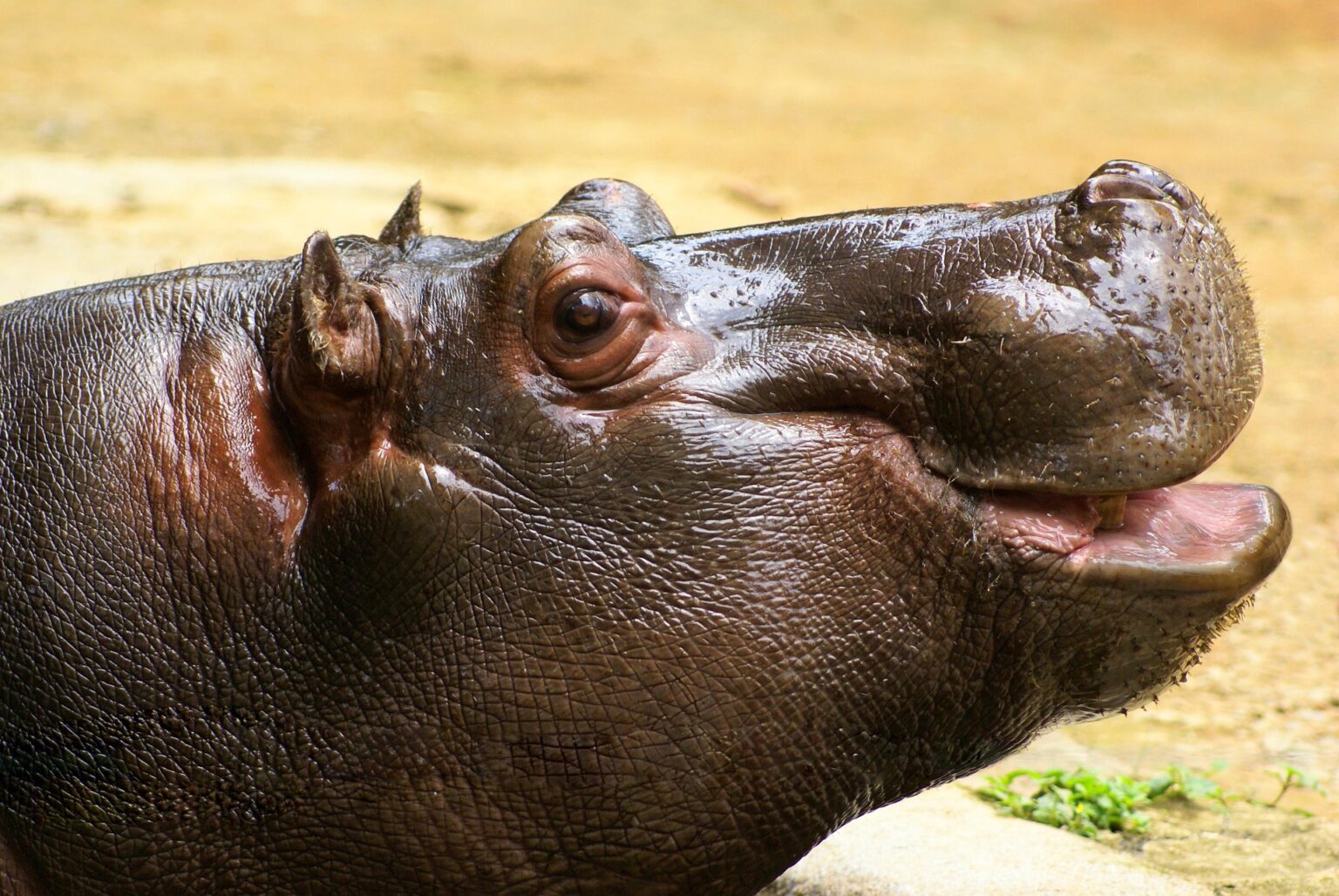
While hippopotamuses are the deadliest large land mammals in Africa, they are not the most dangerous animals in the world. When measured by annual human fatalities, they are significantly outranked by mosquitoes, snakes, and even domestic dogs. However, their extreme aggression and territorial nature make them uniquely lethal in close-range encounters.
Defining the "Most Dangerous" Animal
To determine whether the hippopotamus (Hippopotamus amphibius) holds the title of the world’s most dangerous animal, we must first define what "dangerous" means. In biological and statistical contexts, danger is usually measured by one of two metrics: the total number of human deaths caused annually or the likelihood of an individual surviving an unprovoked encounter.
When people claim that hippos are the most dangerous, they are usually referring to a specific subset of wildlife—large, charismatic megafauna. Within the borders of the African continent, the hippo is widely cited by conservationists and park rangers as the mammal responsible for the highest number of human fatalities. This distinction is often misinterpreted to mean they are the most dangerous creature on the planet.
As of 2026, data from global health organizations and wildlife ministries confirms that while hippos cause roughly 500 deaths per year, this figure is dwarfed by other organisms. The misunderstanding persists because a hippo attack is visceral, dramatic, and almost always predatory or territorial, whereas the world's truly "deadliest" animals often kill through disease or silent venom.
The Statistical Reality: Who Truly Tops the List?
If we look at the raw data regarding human mortality, the hippopotamus does not even break into the top five. The "facts" show that the animals responsible for the most human suffering are often the ones we overlook.
1. The Mosquito: The Global Champion of Mortality
The mosquito is indisputably the most dangerous animal on Earth. It is not the insect’s bite that kills, but the pathogens it carries. Mosquitoes are vectors for malaria, dengue fever, Zika virus, and West Nile virus. According to the World Health Organization (WHO), malaria alone kills hundreds of thousands of people annually, particularly in sub-Saharan Africa. When all mosquito-borne illnesses are aggregated, the annual death toll often exceeds 700,000 to 1,000,000 people.
2. Humans: Our Own Greatest Threat
In any objective ranking of dangerous animals, Homo sapiens must be included. Through homicide, warfare, and negligence, humans account for approximately 400,000 to 500,000 deaths per year. This places humans far above any non-human predator in terms of lethal impact on our own species.
3. Snakes: The Silent Killers
Snakebites represent a massive, often neglected tropical health crisis. Venomous snakes, such as the saw-scaled viper, cobras, and mambas, are responsible for an estimated 80,000 to 138,000 deaths annually. Unlike hippos, which are localized to specific river systems in Africa, venomous snakes are found globally, and many deaths go underreported in rural areas with limited access to antivenom.
4. Domestic Dogs and Rabies
It is often surprising to learn that domestic dogs are more "dangerous" statistically than hippos. This is primarily due to the transmission of rabies. The World Health Organization notes that rabies causes tens of thousands of deaths every year, with 99% of those cases being transmitted by dog bites.
Comparing Annual Human Fatalities by Species
The following table provides a comparative overview of animal-related human fatalities based on 2026 global health estimates and historical wildlife data.
| Animal | Estimated Annual Human Deaths | Primary Cause of Death |
|---|---|---|
| Mosquito | 700,000 - 1,000,000 | Disease transmission (Malaria, Dengue, etc.) |
| Human | 400,000 - 500,000 | Homicide and warfare |
| Snake | 81,000 - 138,000 | Envenomation |
| Dog | 25,000 - 30,000 | Rabies transmission |
| Tsetse Fly | 10,000 | African Sleeping Sickness |
| Crocodile | 1,000 | Predation/Drowning |
| Hippopotamus | 500 | Blunt force trauma/Bites |
| Elephant | 100 - 500 | Trampling/Crushing |
| Lion | 20 - 100 | Predation |
Why the Hippo Earned Its Deadly Reputation
If hippos are only responsible for about 500 deaths a year, why does the "most dangerous" myth persist? The answer lies in their behavior and physical capabilities. A hippo encounter is significantly more likely to result in death than an encounter with a lion or a shark.
Unparalleled Aggression
Most wild animals operate on a "flight or fight" instinct, usually preferring flight. Hippos are an exception. They are notoriously short-tempered and highly territorial, especially when they are in the water. They do not need to be hungry to attack; they simply need to feel that their space has been encroached upon. This makes them unpredictable, which is the most dangerous trait an animal can possess.
Physical Weaponry
A hippo’s mouth is its primary weapon. Their incisors and canines grow continuously, with the lower canines reaching lengths of over 50 centimeters (20 inches). These teeth are not used for eating—hippos are herbivores—but are designed specifically for combat.
A hippo’s bite force has been measured at approximately 1,800 pounds per square inch (PSI). To put that into perspective, a human bite is about 160 PSI, and a Great White Shark’s is estimated at around 4,000 PSI, but because of the hippo’s jaw structure and the sheer size of its mouth, it can snap a small boat in half or crush a human torso with a single movement.
Deceptive Speed and Stealth
One of the most dangerous aspects of the hippo is the discrepancy between its appearance and its performance. Weighing up to 3,000 kg (6,600 lbs), they appear lumbering and slow. However, they can run at speeds of up to 30 km/h (19 mph) on land. Because humans cannot outrun them, and because hippos often hide just beneath the surface of the water with only their eyes and ears visible, victims often don't realize they are in danger until it is too late to escape.
The Geography of Danger: Where Hippos Conflict with Humans
The danger posed by hippos is highly localized. They are found across sub-Saharan Africa, inhabiting rivers, lakes, and mangrove swamps. As of 2026, human-wildlife conflict has intensified due to habitat loss and the shrinking of water sources.
Most hippo-related deaths occur in rural communities where people rely on the same water sources that hippos claim as their territory. Fishermen in small dug-out canoes are particularly vulnerable. A hippo may perceive a boat as a threat and capsize it, then proceed to attack the occupants in the water. Because hippos are semiaquatic, there is no "safe zone" once you are near the water's edge.
Furthermore, hippos are "night mowers." They leave the water at dusk to graze on land, often traveling several kilometers inland. Farmers who encounter hippos in their fields at night are at high risk, as the hippo may panic and charge if it feels its path back to the water is blocked.
Common Myths vs. Biological Facts
To understand the danger of the hippo, we must separate folklore from biology.
- Myth: Hippos Eat Humans. Fact: Hippos are herbivores. While they may kill a human during a territorial dispute or out of perceived threat, they do not consume the meat. Their diet consists almost entirely of grass.
- Myth: Hippos are Fat and Slow. Fact: What looks like fat is actually a layer of thick skin and muscle. They are incredibly agile and can move through water with surprising grace, not by swimming, but by "galloping" or walking along the riverbed.
- Myth: A Yawning Hippo is Tired. Fact: In hippo body language, a wide-open "yawn" is a threat display. It is a way of showing off their massive tusks to warn intruders to stay away. If you see a hippo yawning, you are already too close.
Safety and Prevention: How to Survive a Hippo Encounter
The most effective way to avoid becoming a statistic is to respect the hippo's "red zones." If you are traveling in hippo territory in 2026, experts from the IUCN SSC Hippo Specialist Group suggest the following precautions:
- Keep Your Distance: Always stay at least 30 meters away from hippos on land and much further if you are in a boat.
- Watch for Bubbles: In the water, look for "v-shaped" wakes or bubbles, which indicate a submerged hippo moving below the surface.
- Avoid Thick Vegetation Near Water: This is where hippos rest during the day or move through at night.
- Do Not Block the Water: If you encounter a hippo on land, never stand between it and the water. The water is its sanctuary; if it feels blocked from its safe zone, it will charge.
- Listen for Grunts: Hippos are vocal. Their "wheeze-honk" is a common territorial sound. If you hear it, move away from the sound immediately.
The Future of Human-Hippo Interaction
As we move through 2026, the conservation status of the common hippo remains "Vulnerable" according to the IUCN Red List. Their populations are threatened by habitat loss, climate-induced drought, and the illegal trade in hippo ivory (their teeth).
The narrative that hippos are the "most dangerous" can actually be detrimental to conservation efforts. When an animal is viewed solely as a "man-killer," there is less public sympathy for protecting its habitat. In reality, hippos play a vital role in their ecosystems. By grazing on land and defecating in the water, they transfer massive amounts of nutrients from the terrestrial environment to the aquatic one, supporting fish populations and the health of the river.
The danger they pose is real, but it is manageable through education and better land-use planning. In the hierarchy of global threats, the hippo is a localized danger that demands respect, but it does not hold the crown for the world’s deadliest creature.
Frequently Asked Questions
Are hippos more dangerous than sharks?
Yes, statistically, hippos are far more dangerous to humans than sharks. While sharks cause about 5 to 10 deaths per year globally, hippos cause roughly 500. Furthermore, a hippo is much more likely to attack unprovoked than most shark species.
Why is the hippo called the "river horse"?
The name "hippopotamus" comes from the ancient Greek words hippos (horse) and potamos (river). Despite the name, hippos are not related to horses. Their closest living relatives are actually cetaceans, such as whales and dolphins.
Can a hippo’s skin stop a bullet?
A hippo’s skin can be up to 6 centimeters (2 inches) thick, especially on its back and rump. While it is extremely tough and acts like armor against other hippos' tusks, it is not "bulletproof" against modern high-caliber hunting rifles. However, it is thick enough to make non-lethal wounds very common if a lower-caliber weapon is used.
How do hippos stay underwater for so long?
Hippos can hold their breath for up to five minutes. They have a reflex that automatically closes their nostrils and ears when they submerge. Even when sleeping underwater, they will rise to the surface to breathe automatically without waking up.
Is the "blood sweat" of a hippo real?
Hippos secrete a reddish-orange oily fluid often called "blood sweat." It is neither blood nor sweat. It is a specialized skin secretion that acts as a natural sunscreen, a moisturizer, and an antibiotic to prevent infections in wounds caused during fights.
Practical Recommendation
If you are planning a safari or visiting regions with active hippo populations, do not let the "dangerous" label deter you, but do let it inform your behavior. Always hire an experienced local guide who understands hippo "territory" and body language. If you are on a boat and a hippo begins to "yawn" or charge, the best course of action is to move away as quickly as possible. On land, if a hippo charges, your only hope is to climb a tree or find a large obstacle like a boulder to put between you and the animal, as you cannot outrun them in a straight line.