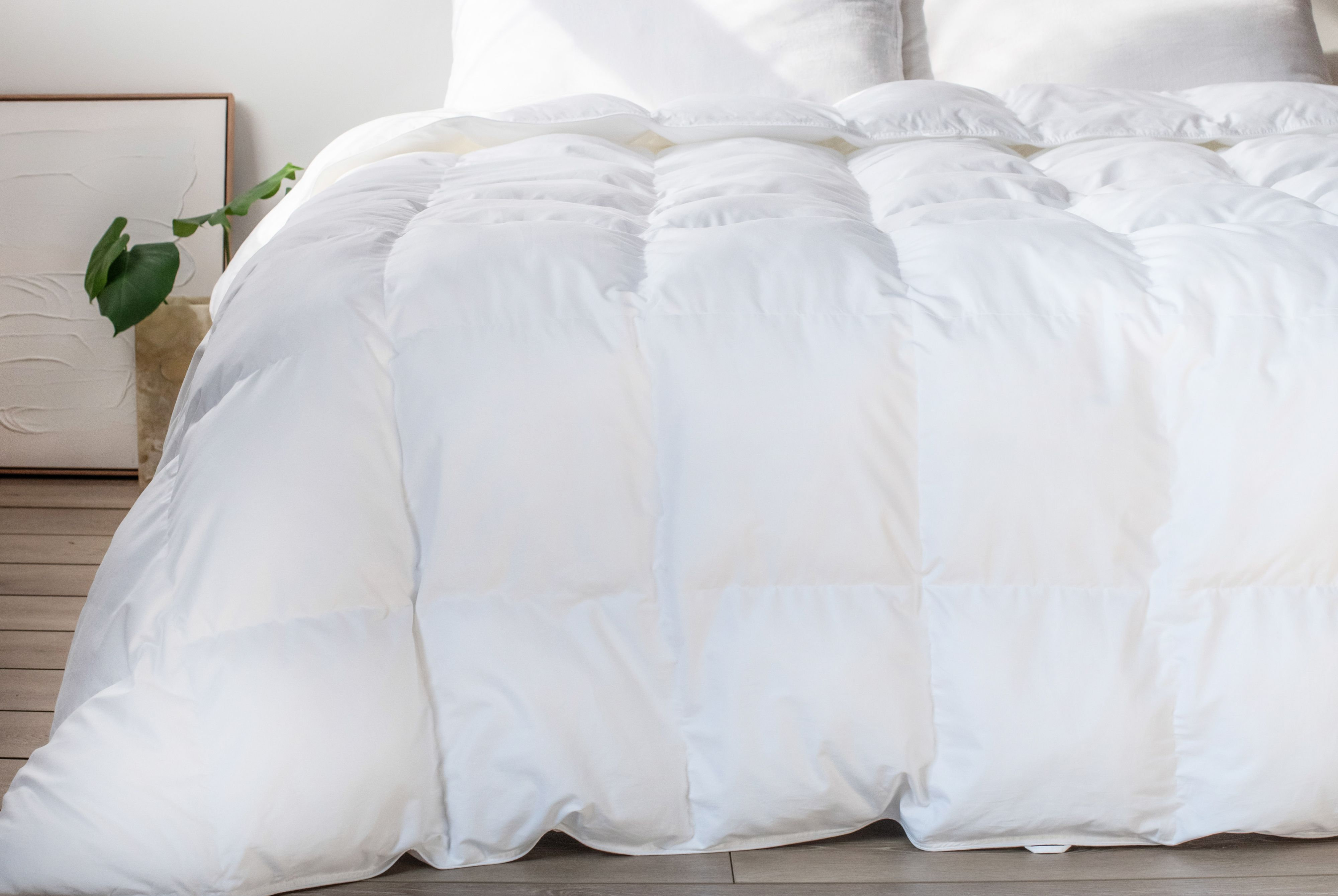
Selecting the ideal duvet for home comfort requires balancing fill material, thermal insulation (Tog rating), and breathability. In 2026, the market prioritizes temperature-regulating hybrids and sustainable fills like Tencel or recycled down. Your choice should ultimately depend on your local climate, personal sleep temperature, and specific requirements for hypoallergenic materials.
Understanding the Foundation of Duvet Comfort
The term "duvet" originates from the French word for "down," but the modern definition has expanded to include a wide variety of synthetic and natural fills. At its core, a duvet is a soft flat bag filled with down, feathers, wool, silk, or synthetic fibers, protected by a removable cover. Unlike a comforter, which is a single quilted piece, a duvet is designed to be used with a cover, allowing for easier maintenance and aesthetic flexibility.
When reviewing a duvet for home comfort, the primary objective is to achieve a "microclimate" under the covers. This microclimate must maintain a consistent temperature that prevents the body from overheating while providing enough insulation to prevent chill. Achieving this balance is a technical challenge involving the management of both heat and moisture (perspiration).
Analyzing Fill Materials: Natural vs. Synthetic
The "fill" is the most critical component of any duvet review. It dictates the loft, weight, warmth, and price point of the product. By 2026, the industry has refined both natural and synthetic options to offer high performance across different price brackets.
Natural Down and Feather
Down is the soft undercoating of geese or ducks. It is widely considered the gold standard for luxury bedding due to its incredible warmth-to-weight ratio.
- Insulation Mechanism: Down clusters are three-dimensional structures that trap air in tiny pockets. This trapped air acts as a highly efficient insulator.
- Breathability: Natural down allows moisture to escape, reducing the likelihood of "clammy" sleep.
- Fill Power: This is a measure of the "loft" or fluffiness. A higher fill power (700–900) indicates larger down clusters that provide more insulation for less weight. In 2026, high-fill-power duvets are preferred for those seeking a "cloud-like" feel.
- Ethics: Responsible Down Standard (RDS) certification is a mandatory check for any quality review to ensure the humane treatment of animals.
Wool and Silk
Wool and silk are excellent alternatives for those who find down too hot or are concerned about allergens.
- Wool: Naturally flame-retardant and exceptional at moisture-wicking. Wool duvets are often flatter than down but provide a "grounded" weight that some sleepers find comforting. They are particularly effective for couples with different sleep temperatures.
- Silk: A hypoallergenic option that is naturally resistant to dust mites. Silk duvets are typically thin and drape elegantly over the body, making them ideal for summer months or warm climates.
Synthetic and Down Alternatives
Synthetic fills, usually made from polyester microfibers, have evolved significantly.
- Recycled Polyester: By 2026, many leading brands use 100% post-consumer recycled plastic bottles to create "gel fibers" that mimic the feel of down.
- Hypoallergenic Properties: Synthetics are inherently less likely to harbor allergens and are generally easier to launder in standard home machines.
- Price Point: These remain the most accessible option for high-quality home comfort on a budget.
Technical Specifications: Tog Ratings and GSM
To objectively review a duvet, one must understand how warmth is measured. In many regions, particularly Europe and the UK, the Tog rating is the standard. In North America, the weight is often measured in GSM (grams per square meter).
The Tog Scale
The Tog rating measures a material's thermal resistance. The higher the Tog, the warmer the duvet.
- 1.0 – 4.5 Tog: Lightweight duvets designed for summer use or for individuals who "sleep hot."
- 7.0 – 10.5 Tog: All-season duvets. This is the most popular range for climate-controlled homes.
- 12.0 – 15.0 Tog: Heavyweight winter duvets intended for cold climates or poorly insulated rooms.
Understanding GSM
GSM refers to the weight of the fill within the duvet.
- Low GSM (150–250): Light and breezy.
- Medium GSM (300–400): Versatile for year-round use.
- High GSM (450+): Dense and heavy, providing a sense of security and maximum warmth.
Construction Methods: Baffle Box vs. Sewn-Through
How a duvet is stitched determines if the fill stays in place or shifts toward the edges, creating "cold spots." A technical review must look at the internal architecture of the bedding.
Baffle Box Construction
In a baffle box design, thin strips of fabric (baffles) are sewn between the top and bottom covers to create individual three-dimensional cubes.
- Advantage: This allows the fill to reach its full loft and prevents it from shifting or clumping. It provides the most consistent warmth across the entire surface of the bed.
- Ideal for: High-fill-power down duvets.
Sewn-Through Construction
The top and bottom layers are stitched directly together in a grid pattern.
- Advantage: This is simpler and less expensive to manufacture. It keeps the duvet flatter and is often used for summer-weight bedding.
- Disadvantage: The stitching points act as "cold spots" where there is no insulation, which can be undesirable in winter.
The Role of the Shell: Fabric and Thread Count
The shell, or "ticking," is the fabric container that holds the fill. The comfort of a duvet is heavily influenced by how this fabric feels and breathes.
- Cotton (Percale vs. Sateen): Cotton remains the most popular shell fabric. A percale weave is crisp and breathable (best for hot sleepers), while a sateen weave is silky and warmer (best for luxury feel).
- Eucalyptus (Tencel/Lyocell): Gaining massive popularity in 2026, these fibers are more sustainable than cotton and offer superior moisture-wicking capabilities.
- Thread Count: For duvets, a thread count between 250 and 400 is ideal. Contrary to popular belief, a thread count that is too high (800+) can actually reduce breathability and make the shell feel stiff.
- Down-Proofing: A quality shell must be "down-proof," meaning the weave is tight enough to prevent feathers or fibers from poking through.
Comparison Table: Duvet Materials and Performance
The following table summarizes the key metrics for the most common duvet types available in 2026.
| Fill Material | Warmth Level | Breathability | Durability | Average Life Span |
|---|---|---|---|---|
| Goose Down | Very High | High | High | 10–15 Years |
| Duck Down | High | High | Medium/High | 7–10 Years |
| Wool | Medium | Excellent | Very High | 10–12 Years |
| Silk | Low/Medium | High | Medium | 5–8 Years |
| Synthetic Microfiber | Medium | Low/Medium | Medium | 3–5 Years |
| Bamboo/Tencel | Medium | Excellent | Medium | 4–6 Years |
Care, Maintenance, and Longevity
To preserve home comfort, a duvet requires specific care protocols. Most manufacturers recommend professional laundering for down duvets to avoid damaging the delicate clusters. Synthetic and wool-blend duvets are often machine washable, but they require a large-capacity drum to prevent the fill from being compressed.
- Sun Airing: Placing a natural fill duvet in the sun for a few hours can help kill bacteria and naturally "fluff" the fibers.
- Duvet Covers: Always use a high-quality duvet cover. This acts as a barrier against skin oils, sweat, and dust, significantly extending the time between deep cleans.
- Storage: Never store a duvet in a vacuum-sealed bag for long periods, especially down. This can break the fibers and permanently reduce the loft. Use a breathable cotton storage bag instead.
Sustainability and Certifications in 2026
Modern consumers must look beyond comfort to the environmental impact of their bedding. In 2026, several certifications have become industry standards for high-quality duvets:
- OEKO-TEX Standard 100: Ensures the product is free from harmful chemicals and safe for human use.
- Global Recycled Standard (GRS): Verifies the recycled content in synthetic or hybrid duvets.
- GOTS (Global Organic Textile Standard): The leading standard for organic fibers, covering both environmental and social criteria.
Frequently Asked Questions
Which duvet is best for someone with allergies?
For allergy sufferers, synthetic microfiber or silk duvets are generally recommended. These materials are less likely to harbor dust mites and can be washed at higher temperatures to eliminate allergens. Additionally, look for shells with a very tight weave (down-proof) that act as a physical barrier against microscopic irritants.
What is the ideal Tog rating for year-round use?
Most experts recommend a 10.5 Tog duvet for year-round comfort in a climate-controlled home. However, "All-Season" duvets are a popular 2026 solution; these consist of two separate duvets (e.g., a 4.5 Tog and a 9.0 Tog) that can be buttoned together for winter or used individually during warmer months.
How often should I replace my duvet?
The lifespan of a duvet depends on the fill. A high-quality goose-down duvet can last up to 15 years if properly maintained with a cover and infrequent professional cleaning. Synthetic duvets usually need replacement every 3 to 5 years, as the fibers eventually lose their "spring" and begin to clump, leading to uneven insulation.
Does a higher price always mean better comfort?
Not necessarily. While premium materials like Hungarian Goose Down are expensive due to their rarity and performance, the "best" duvet is the one that matches your personal biology. A very expensive, high-Tog down duvet will be uncomfortable and cause night sweats for a person who naturally runs hot, regardless of the price tag.
Can I wash a down duvet at home?
It is possible if you have a large-capacity front-loading washer, but it is risky. Down takes a long time to dry; if even a small amount of moisture remains, it can develop mold or mildew. If you do wash it at home, use a specific down detergent and dry it on low heat with wool dryer balls to break up clumps.
Expert Recommendation for Maximum Comfort
For the majority of sleepers in 2026, the most versatile choice for home comfort is a medium-weight (approx. 350 GSM or 10.5 Tog) down-alternative or hybrid duvet with a Tencel shell. This combination offers the soft, lofty feel of traditional bedding while providing superior moisture management and sustainability. If budget allows, an RDS-certified 700+ fill power goose down duvet remains the pinnacle of luxury for those who prefer a lightweight but exceptionally warm sleeping environment. Always prioritize a baffle box construction to ensure that your investment maintains its shape and performance for years to come.