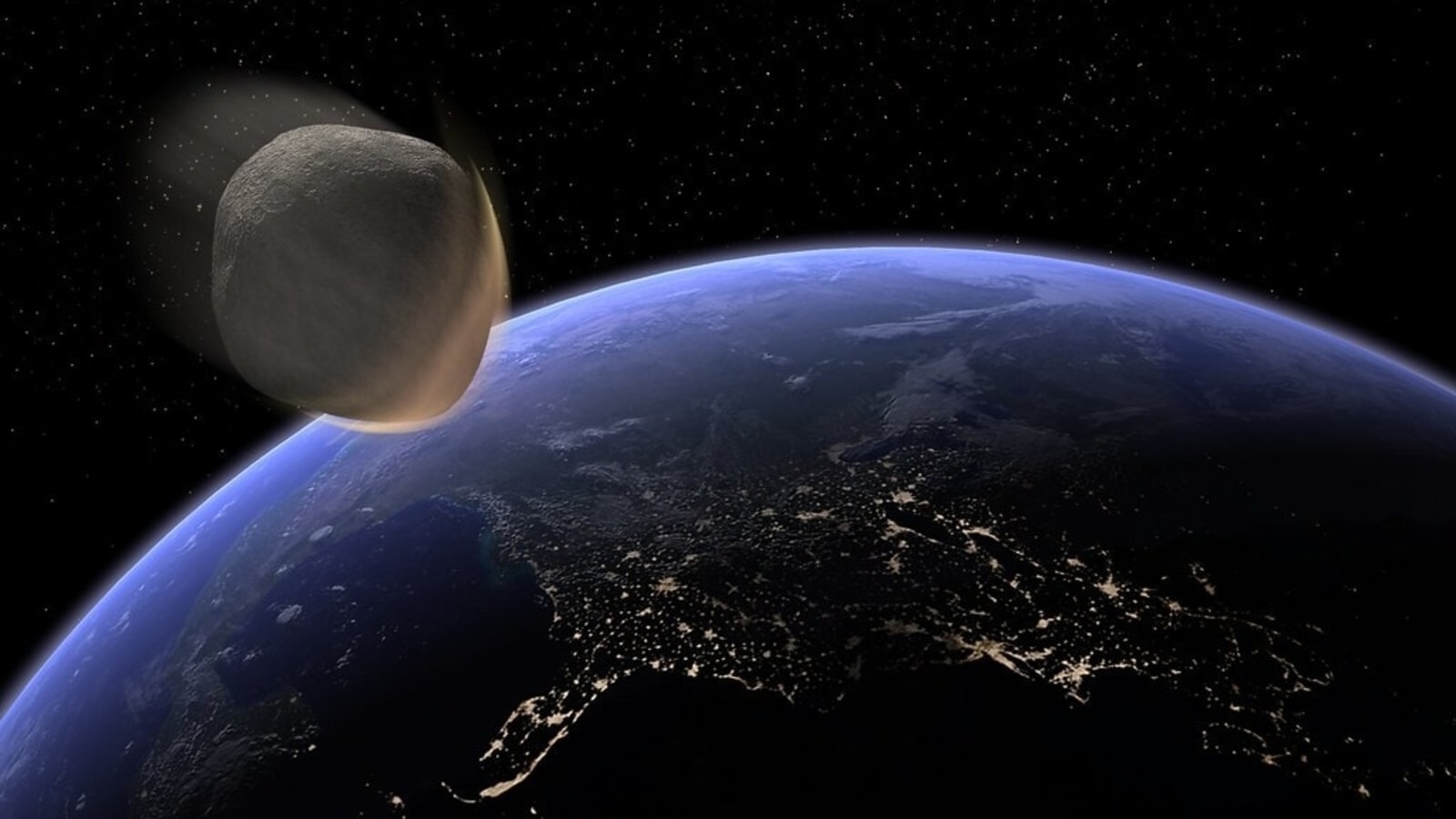
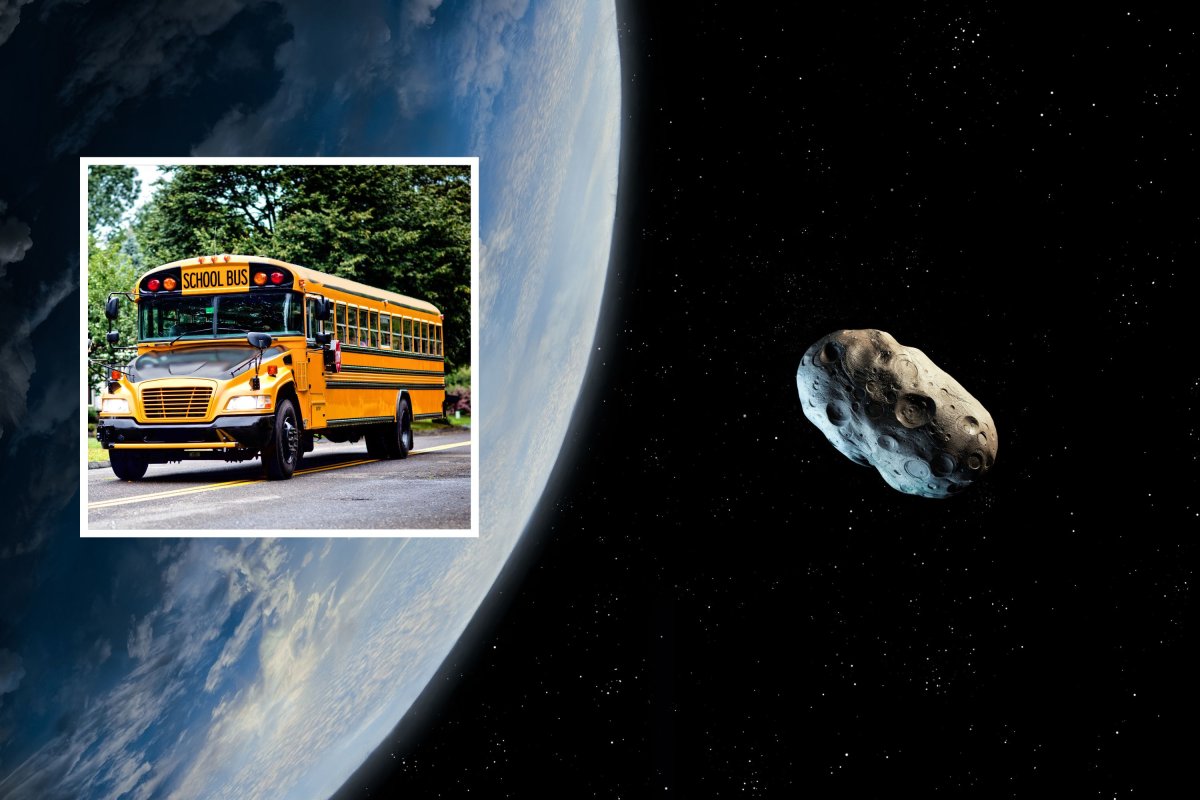
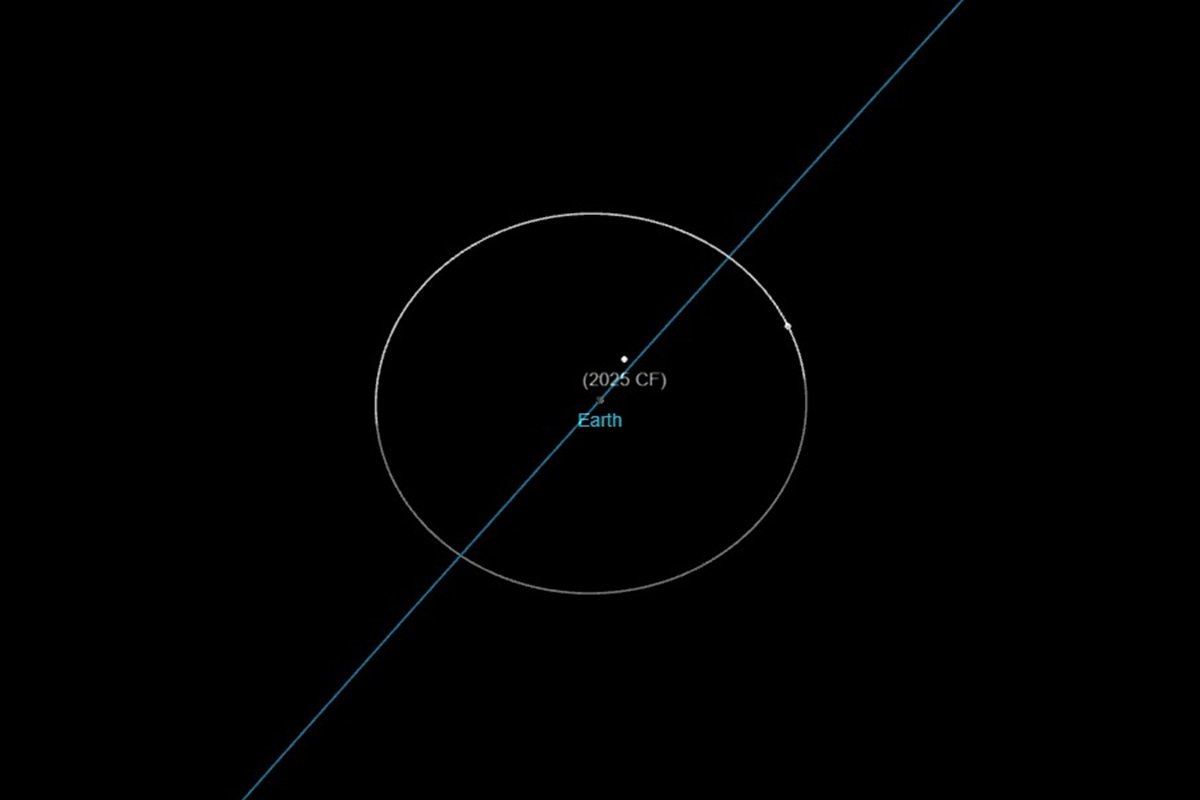
In 2024, astronomers tracked several small, car-sized near-Earth objects (NEOs) that passed within the lunar distance of our planet. These frequent celestial visitors, typically ranging from 3 to 5 meters in diameter, are too small to pose a significant threat to the surface but provide vital data for planetary defense systems and asteroid composition research.
The Classification of Small Near-Earth Objects
When the public hears news of an asteroid nearing Earth, the immediate concern often leans toward potential impacts. However, it is essential to distinguish between "near" in astronomical terms and "near" in human terms. In 2024, the term "car-size" was frequently used to describe objects in the 3- to 5-meter range. These objects belong to the smallest class of near-Earth asteroids, which are detected in increasingly high numbers due to the improved sensitivity of modern survey telescopes.
Unlike the "planet-killer" asteroids that capture headlines, these small boulders are common. Most are remnants of larger bodies that have fragmented over millions of years due to collisions in the asteroid belt or thermal stress. Because of their diminutive size, they are often not detected until they are mere days or even hours away from their closest approach.
Why Small Asteroids Often Go Undetected
The primary reason a car-sized asteroid might only be identified shortly before its flyby is the inverse-square law of light. Because these objects are small, they reflect very little sunlight. As they approach Earth, they transition from being effectively invisible against the dark backdrop of space to becoming brief, rapidly moving points of light.
Survey programs like the Catalina Sky Survey or the Pan-STARRS (Panoramic Survey Telescope and Rapid Response System) operate by constantly scanning the night sky for moving objects. A car-sized object only reaches a brightness detectable by these ground-based systems when it is relatively close to Earth. Consequently, for an object the size of a car to be "near" Earth in 2024, it was often observed in the final phase of its approach trajectory.
Atmospheric Interaction and the "Bolide" Phenomenon
If a car-sized asteroid were to enter Earth's atmosphere, the result would typically not be a ground-level crater or a global disaster. Instead, it would create a "bolide"—an exceptionally bright meteor that explodes at high altitude.
The process is as follows:
- Entry: As the object hits the upper atmosphere at speeds exceeding 11 kilometers per second, the air in front of it is compressed, creating intense heat.
- Fragmentation: The extreme pressure causes the asteroid to shatter and vaporize, often resulting in a bright flash visible for hundreds of miles.
- Energy Release: A car-sized object contains kinetic energy equivalent to several kilotons of TNT, but this energy is dissipated high in the atmosphere.
- Meteorite Potential: While most of the mass vaporizes, some small fragments may survive as meteorites and reach the ground, though they rarely cause damage.
The Science of Planetary Defense and Data Collection
While a car-sized asteroid is harmless, monitoring these objects is a critical part of planetary defense. By studying the frequency and trajectory of these small bodies, organizations like NASA’s Planetary Defense Coordination Office (PDCO) refine their orbital models.
The goal is to move from a reactive posture—where we see things right before they arrive—to a proactive one. If we can track and understand the behaviors of small asteroids, we improve our capability to detect much larger, more dangerous objects years or even decades in advance. The 2024 flybys acted as real-world tests for the global network of observatories to communicate effectively, share data in real-time, and calculate precise impact probabilities.
Comparative Scale of Near-Earth Objects
To put the 2024 car-sized asteroids into perspective, it is helpful to look at how different sizes of space debris and asteroids behave when interacting with the Earth’s gravitational field or atmosphere.
| Object Size | Frequency of Earth Encounter | Atmospheric Impact | Ground Hazard |
|---|---|---|---|
| Micro-meteoroid | Constant | Vaporizes instantly | None |
| Car-Size (3-5m) | Frequent (Several/year) | Bright fireball/Bolide | Rare meteorite fragments |
| House-Size (15-20m) | Occasional (Decadal) | Airburst; localized shockwave | Minor structural damage |
| City-Killer (100m+) | Rare (Millennial) | High-altitude explosion | Regional devastation |
Frequently Asked Questions
How common is it for a car-sized asteroid to pass near Earth? It is extremely common. Astronomers estimate that small objects in the 3- to 5-meter range pass within the distance between the Earth and the Moon multiple times every year. Most are never reported to the general public because they pose no risk.
Could a car-sized asteroid hit a satellite? The risk is statistically negligible. Space is vast, and both the asteroid and the satellites are tiny compared to the volume of space they occupy. While the possibility of a collision exists in theory, it has never been recorded and is not a factor in satellite mission planning.
Why are these asteroids often only identified at the last minute? Their size is the limiting factor. Because they reflect very little light, they remain below the detection threshold of our telescopes until they are quite close. Improvements in wide-field survey technology are helping, but the physical reality of their small surface area makes early detection difficult.
What happens if a car-sized asteroid enters the atmosphere over a city? It would likely be seen as a spectacular, bright flash of light (a fireball). Because the object is small, it would break apart at an altitude where the resulting shockwave would be minor, likely no more than a loud "sonic boom" or a rattle of windows. It is highly unlikely to cause injuries or damage to ground infrastructure.
Do we have a system to deflect these objects? We do not currently employ deflection methods for car-sized objects because they do not pose a threat. Deflection technology, such as kinetic impactors—tested during the DART mission in 2022—is reserved for significantly larger objects that present a potential risk to the planet.
Where can I verify if an asteroid is approaching? The Center for Near-Earth Object Studies (CNEOS) at NASA’s Jet Propulsion Laboratory maintains the Sentry system, a highly automated collision monitoring system that continually scans the most current asteroid catalog for potential future impact threats.
Next Steps and Recommendations
For those interested in tracking current space events, the most reliable approach is to monitor the official feeds from NASA’s CNEOS or the European Space Agency’s (ESA) Near-Earth Object Coordination Centre. These portals provide updated tables of "Close Approaches," listing the date, distance, and size of objects passing near Earth.
If you witness a bright, slow-moving light across the sky at night, do not panic. These are almost always small fragments or naturally occurring space debris. You can report these sightings to the American Meteor Society to help scientists verify the trajectory and potential recovery zones for any surviving meteorites. Understanding that these objects are natural, frequent, and generally harmless is the best way to maintain perspective on the safety of our planet in the vast solar system.