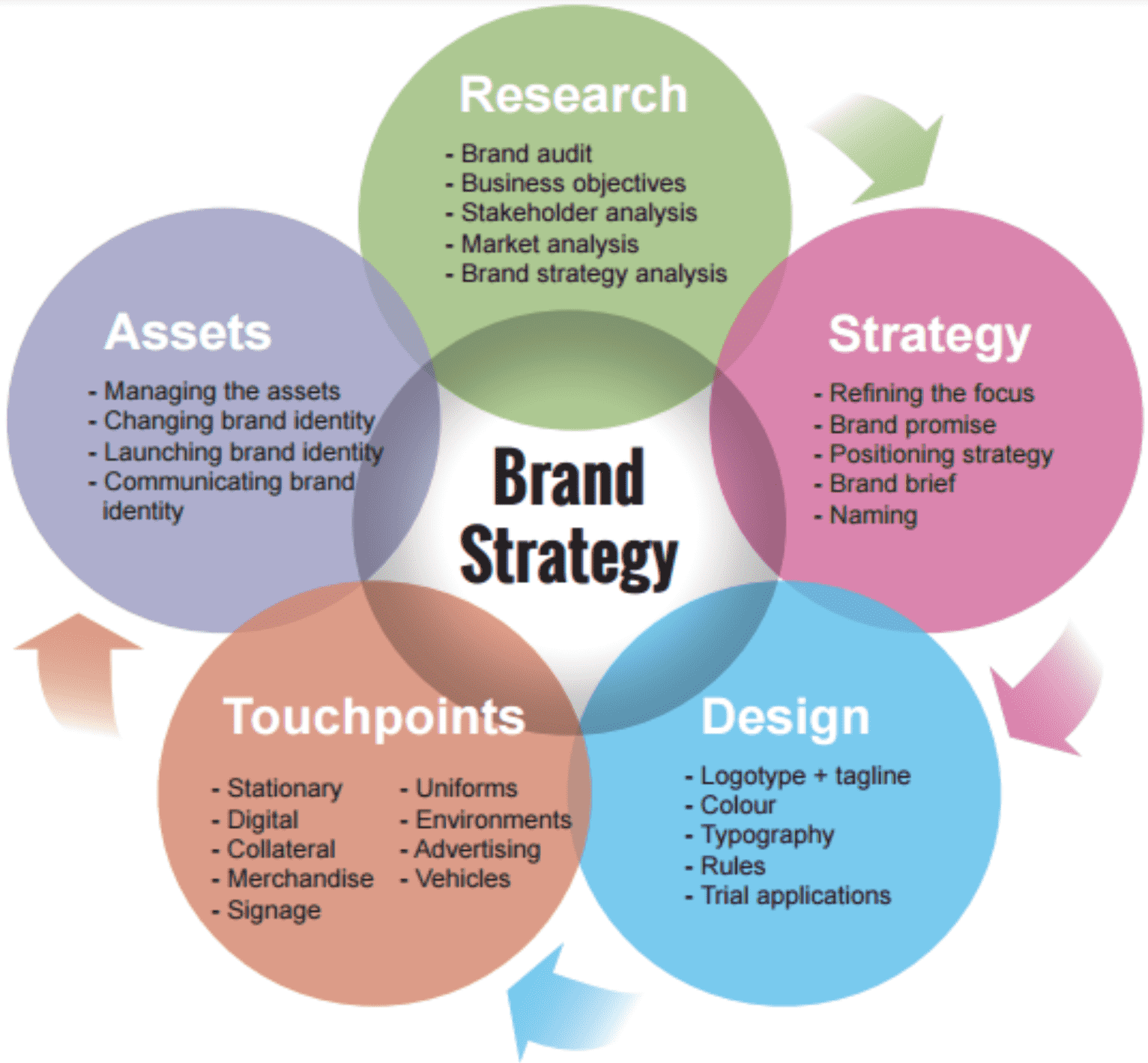
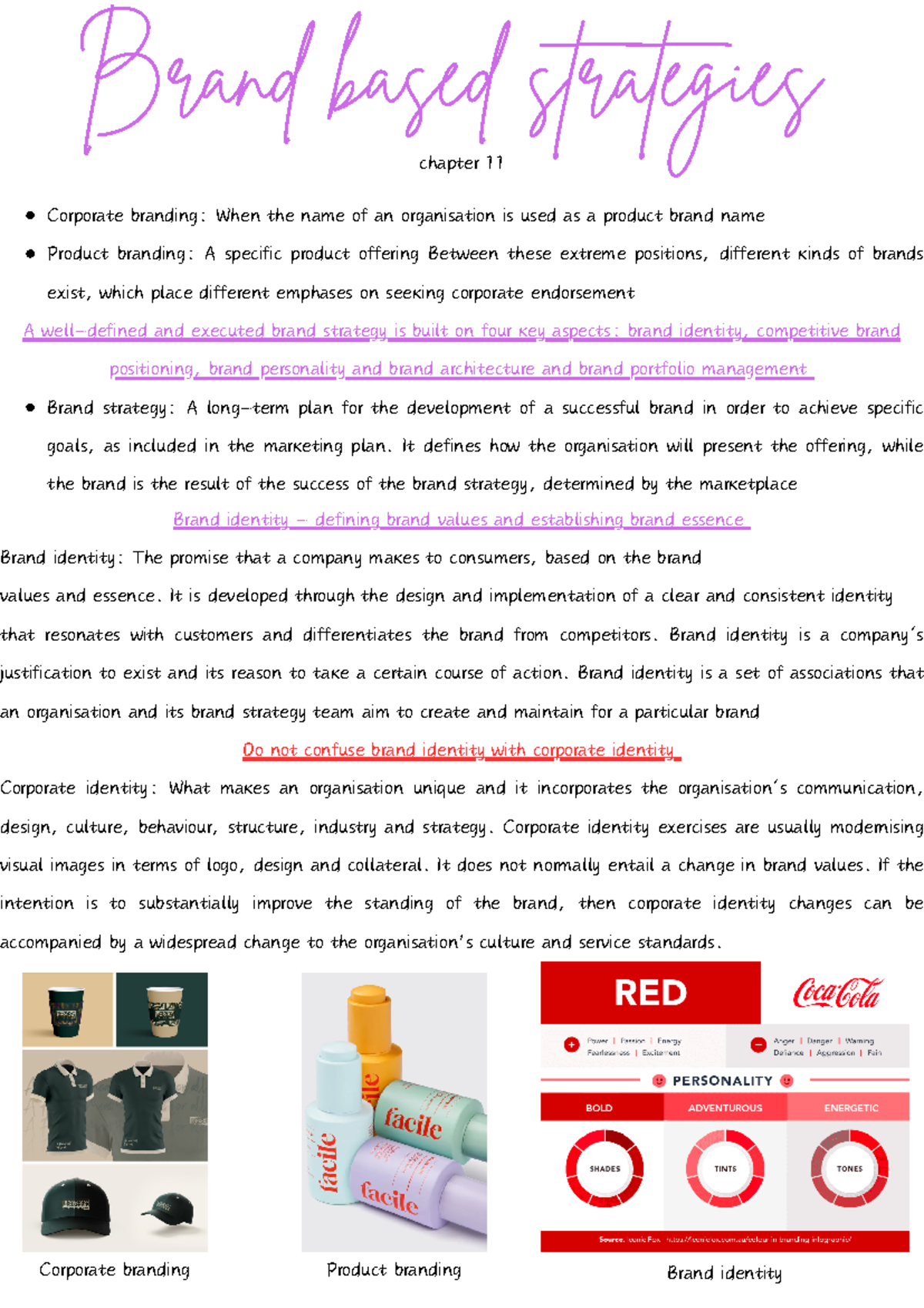
A brand strategy kit is a comprehensive framework that defines a company’s identity, purpose, and competitive positioning to ensure consistent communication across all channels. Unlike a simple style guide that focuses on logos and colors, a strategy kit serves as the "intellectual DNA" of a business, aligning internal teams and external messaging with long-term commercial goals.
In the fast-evolving market of 2026, the distinction between a product and a brand is more significant than ever. Companies no longer compete solely on features or price; they compete on resonance, trust, and the clarity of their narrative. A brand strategy kit is the foundational document that makes this resonance possible. It is a living toolkit used by executives, marketers, and creative teams to ensure that every decision—from product development to customer service—upholds the brand's core promises.
The Core Components of a Brand Strategy Kit
A robust brand strategy kit is divided into several modules, each serving a specific strategic function. To understand the kit in its entirety, one must look past the visual assets and into the psychological and analytical frameworks that drive them.
1. Brand Core: Purpose, Mission, and Vision
The brand core represents the "why" behind the business. In 2026, consumers are increasingly skeptical of "performative" branding. A strategy kit must document a genuine Brand Purpose—the reason the company exists beyond making a profit.
- Mission Statement: A tactical declaration of what the company does today, for whom, and how.
- Vision Statement: An aspirational look at what the brand hopes to achieve in the next five to ten years.
- Values: The non-negotiable principles that guide corporate behavior and decision-making.
2. Target Audience and Buyer Personas
A brand cannot be everything to everyone. The strategy kit defines the Ideal Customer Profile (ICP) through deep psychographic and behavioral analysis. Rather than just listing ages and locations, a 2026 strategy kit examines "jobs to be done" (JTBD). It identifies the specific problems the audience is trying to solve and the emotional states they experience before and after using the brand’s solution.
3. Market Positioning and Competitive Analysis
This section explains where the brand sits in the "mental map" of the consumer relative to competitors. It involves:
- Point of Difference (POD): The unique attributes that make the brand superior or distinct.
- Point of Parity (POP): The baseline features the brand must have to even be considered in the category.
- Competitive Landscape: An objective analysis of direct and indirect competitors, identifying their strengths and the gaps they leave in the market.
4. Brand Personality and Voice
If the brand were a person, how would it speak? The strategy kit outlines the brand's Voice and Tone. This includes specific "Do’s and Don'ts" for language. For example, a fintech brand might choose a voice that is "authoritative yet accessible," while a gaming brand might be "irreverent and high-energy." This ensures that whether a customer reads a tweet or an annual report, the personality remains recognizable.
The Strategic Difference: Strategy Kit vs. Brand Guidelines
It is a common mistake to use the terms "Brand Strategy Kit" and "Brand Identity Guidelines" interchangeably. While they are related, they serve different stages of the branding process.
| Feature | Brand Strategy Kit | Brand Identity Guidelines (Style Guide) |
|---|---|---|
| Primary Focus | The "Why" and "Who" | The "How" and "What" |
| Content | Mission, Audience, Positioning, Messaging | Logos, Typography, Color Palette, Layouts |
| Target Audience | Leadership, Strategists, Product Managers | Designers, Content Creators, Agencies |
| Outcome | Market Alignment & Value Proposition | Visual Consistency & Brand Recognition |
| Lifespan | Long-term (3-5 years) | Medium-term (Update as trends change) |
The Brand Strategy Kit is the prerequisite for the Style Guide. You cannot effectively choose a color palette (Identity) until you know the emotional response you want to elicit and the audience you are targeting (Strategy).
Why Every Business Needs a Brand Strategy Kit in 2026
The business landscape in 2026 is characterized by hyper-fragmentation. Consumers interact with brands across dozens of touchpoints—from augmented reality interfaces and AI chatbots to traditional social media and physical retail. Without a central strategy kit, a brand’s message becomes diluted.
Internal Alignment and Efficiency
When a company scales, maintaining a unified vision becomes difficult. A brand strategy kit acts as a "north star" for employees. When a product team is deciding on a new feature, they can refer to the kit to see if that feature aligns with the Brand Purpose. This reduces friction in decision-making and ensures that marketing budgets aren't wasted on campaigns that don't move the needle on the brand's core objectives.
Building Brand Equity
Brand equity is the commercial value that derives from consumer perception of the brand name, rather than the product itself. A well-executed strategy kit builds this equity by ensuring predictability. If a brand is consistent in its messaging and values over years, it builds a "trust reservoir." This allows the brand to command premium pricing and survive market downturns more effectively than generic competitors.
Resilience Against AI-Generated Noise
With the explosion of AI-generated content, the market is flooded with generic messaging. A brand strategy kit provides the unique "human" insights and specific strategic angles that AI cannot replicate without guidance. It ensures that even if a company uses AI to scale its content production, the output remains grounded in a specific, verified strategy.
How to Develop a Professional Brand Strategy Kit
Creating a kit is an intensive process that requires both internal reflection and external research. It is rarely a solo task; it typically involves stakeholders from across the organization.
Step 1: Internal Discovery and Audit
The process begins with an audit of the current brand state. What do the founders believe the brand stands for? What do the employees think? This stage involves workshops and interviews to uncover the "authentic soul" of the company. It is vital to identify any gaps between how the brand perceives itself and how it actually behaves.
Step 2: External Market Research
In 2026, static surveys are often replaced by real-time sentiment analysis and behavioral data. Development teams look at:
- Search Intent: What are people actually looking for when they encounter this category?
- Social Listening: What are the common complaints or praises directed at competitors?
- Customer Interviews: Direct conversations to understand the emotional drivers of purchase.
Step 3: Defining the Value Proposition
The Value Proposition is a clear statement that explains how the product solves a pain point, delivers specific benefits, and tells the ideal customer why they should buy from this brand and not the competition. This is the "hook" that anchors the entire strategy kit.
Step 4: Crafting the Messaging House
A "Messaging House" is a structural way to organize communication. It starts with the Big Idea (the roof), supported by Key Pillars (the walls), which are backed up by Proof Points or "Reasons to Believe" (the foundation). This ensures that every claim the brand makes is substantiated by fact or specific capability.
Step 5: Implementation and Training
A strategy kit is useless if it sits in a digital drawer. Implementation involves training the team on how to use the kit. For example, the HR department might use the "Brand Values" section to refine their hiring criteria, while the sales team uses the "Target Persona" section to tailor their pitches.
Managing and Updating the Kit
While a brand strategy kit is designed for longevity, it is not a static document. In 2026, the concept of "Agile Branding" has gained prominence. This suggests that while the Core Values and Purpose should remain stable, the Market Positioning and Target Audience sections may need updates as the economic environment shifts.
Professional brand managers recommend a "Strategy Pulse Check" every 12 to 18 months. During this check, the team reviews whether the documented personas still reflect the actual customer base and whether the competitive landscape has shifted due to new technological entrants.
Common Pitfalls to Avoid
- Being Too Generic: If your "Values" are just "Innovation, Integrity, and Excellence," they could apply to any company. A good kit has specific, even polarizing values.
- Ignoring the Employee Experience: If the brand strategy says you are "Customer-Obsessed" but your internal culture is "Metric-Obsessed," the brand will eventually fail due to inauthenticity.
- Lack of Visual Connection: While the strategy is about the "Why," it must eventually provide clear directives for the "What." If the strategy kit doesn't help a designer choose a font or a color, it is too abstract.
Frequently Asked Questions
What is the difference between a brand strategy kit and a marketing plan?
A brand strategy kit defines the identity and long-term positioning of the brand (the "Who" and "Why"). A marketing plan is a tactical document that outlines specific activities, budgets, and timelines to achieve short-term goals (the "How" and "When"). The strategy kit informs the marketing plan; without the kit, marketing efforts often become fragmented and inconsistent.
Can a small business or startup benefit from a brand strategy kit?
Yes, and arguably, startups need them more than established firms. Startups often pivot and face intense competition. Having a documented strategy kit ensures that even as the product changes, the brand's core mission remains clear, helping to build a loyal early-adopter community and attracting investors who see a clear vision.
How long does it take to create a comprehensive brand strategy kit?
For a mid-sized company, the process typically takes between 8 to 12 weeks. This includes the discovery phase, market research, stakeholder alignment, and the final documentation of the messaging and positioning. Rushing this process often leads to a "surface-level" kit that doesn't actually help in difficult decision-making.
Who owns the brand strategy kit within an organization?
In 2026, the Chief Brand Officer (CBO) or VP of Marketing typically owns the document. However, for the kit to be effective, it must have "buy-in" from the CEO and other C-suite members. It is not just a marketing document; it is a business document that affects operations, HR, and product development.
How do I know if my brand strategy kit is working?
The effectiveness of a kit is measured by brand consistency and market resonance. Key indicators include a decrease in "brand confusion" among customers, higher employee engagement scores, and an increase in Brand Recall and Net Promoter Scores (NPS). If your team is making faster, more aligned decisions, the kit is doing its job.
Final Recommendation
For organizations looking to build or refine their brand strategy kit in 2026, the first step is to conduct a "Truth Audit." Before looking at what you want to be, look at what you currently are. A strategy kit built on a foundation of honesty is far more powerful than one built on aspirational fluff. Once the core truth is identified, invest in high-quality market research to ensure your positioning is not just unique, but actually desired by the market. Finally, ensure the kit is accessible and integrated into the daily workflow of every department to turn the strategy into a living reality.