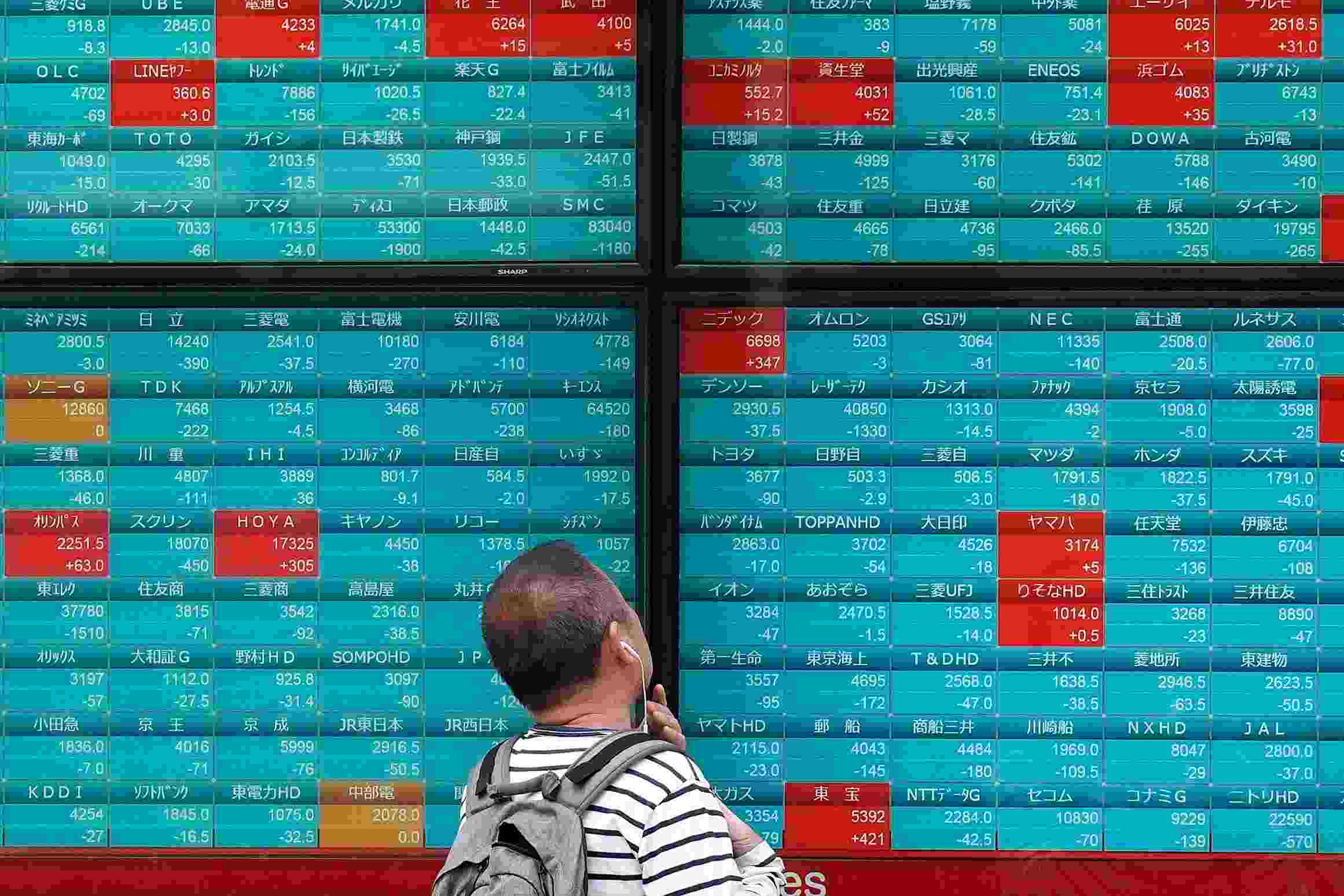
Asian market opening times serve as the critical starting point for the 24-hour global financial cycle, dictating liquidity patterns, volatility levels, and price discovery for international assets. Because these markets represent the first major regional session to open after the weekend or the preceding U.S. close, their performance sets the tone for European and American trading, influencing investor sentiment and providing essential clues regarding global economic trends.
The global financial system operates in a relay, where the baton of market activity is passed from the closing sessions in the Americas to the opening bells in the Asia-Pacific region. For traders, institutional investors, and retail participants, understanding the specific opening times of major Asian exchanges is not merely a scheduling necessity but a strategic requirement. Markets such as the Tokyo Stock Exchange (TSE), the Hong Kong Stock Exchange (HKEX), and the Shanghai Stock Exchange (SSE) possess distinct regulatory frameworks, localized economic drivers, and specific liquidity windows. When these markets open, they often trigger a cascade of reactions in currency pairs, commodities, and index futures that ripple across the globe.
The Geography of Asian Financial Markets
The Asian trading session is geographically vast and time-zone-heavy, covering everything from the early activity in Sydney and Tokyo to the mid-day action in Hong Kong and Shanghai. While "Asian markets" is often used as a catch-all term, it is important to recognize that these markets do not open simultaneously.
The session typically begins with the Australian Securities Exchange (ASX) in Sydney, though it is often considered the precursor to the Asian session. By the time Tokyo opens, the momentum shifts toward the Japanese yen and the Nikkei 225 index. Shortly thereafter, the mainland Chinese markets and the Hong Kong market begin their daily sessions. Each market serves a different purpose:
- Tokyo (TSE): Acts as the primary anchor for Japanese economic data and the JPY currency market. It is often viewed as the "mature" Asian market.
- Hong Kong (HKEX): Serves as the gateway for international capital entering and exiting mainland China. Its open often triggers significant fluctuations in emerging market ETFs and global banking stocks.
- Shanghai/Shenzhen (SSE/SZSE): Represents the heartbeat of the world's second-largest economy. These markets are heavily influenced by domestic policy announcements from Beijing.
Market Opening Schedule and Time Differences
Trading hours are strictly regulated by the exchange authorities in each jurisdiction. It is crucial for participants to account for Daylight Saving Time (DST) changes in countries like Australia, as these shifts can alter the overlap between the end of the U.S. session and the start of the Asian session.
The following table provides the standard local opening times for major Asian-Pacific exchanges. Note that these times reflect the local time zone of the exchange.
| Exchange | Location | Local Opening Time |
|---|---|---|
| ASX | Sydney, Australia | 10:00 AM |
| TSE | Tokyo, Japan | 9:00 AM |
| HKEX | Hong Kong | 9:30 AM |
| SSE | Shanghai, China | 9:30 AM |
| SGX | Singapore | 9:00 AM |
| NSE | Mumbai, India | 9:15 AM |
Note: Most major Asian exchanges observe a mid-day lunch break, during which trading is suspended. This is a critical factor for intraday traders, as it often creates a "dead zone" in volume that can lead to rapid price swings once the afternoon session commences.
Impact on Volatility and Liquidity
The primary impact of Asian market opening times is the injection of liquidity into global markets, particularly for pairs involving the Japanese yen (JPY), the Australian dollar (AUD), and the New Zealand dollar (NZD). When Tokyo opens, currency pairs like USD/JPY often experience an uptick in volume as commercial banks and institutional desks adjust their positions based on overnight news from the United States.
However, the "Asian open" is also characterized by lower average volatility compared to the London or New York sessions. This is largely because the Asian session is often a period of price consolidation. Major economic reports from the U.S. have already been processed, and the European markets are still hours away from opening. This lack of immediate, high-impact news allows traders to identify technical support and resistance levels that may hold for the remainder of the 24-hour cycle.
For investors in commodities, the opening of Chinese markets is arguably more influential than the opening of Tokyo. China is the world's largest consumer of many industrial metals and energy products. Therefore, the price discovery that occurs between 9:30 AM and 10:30 AM in Shanghai frequently dictates the direction of global commodity futures for the remainder of the day.
The Role of Overlaps in Global Trading
One of the most significant impacts of the Asian market opening is its relationship with the end of the U.S. trading day. This "after-hours" period for the U.S. is the "morning" period for Asia. Traders must be aware of how news released after 4:00 PM EST (the New York close) is priced in when the Asian markets open.
- Sentiment Transmission: If the U.S. market closes on a bearish note due to disappointing earnings or regulatory news, the Asian open often reflects this pessimism immediately.
- Currency Adjustments: Central banks in Asia, such as the Bank of Japan (BoJ) or the People's Bank of China (PBoC), often make policy announcements or intervene in currency markets during their morning hours. These actions can cause abrupt changes in global market sentiment before the European traders even begin their day.
- Futures Trading: Many global investors trade index futures (such as the Nikkei 225 or S&P 500 futures) during the Asian session to hedge their portfolios against potential volatility in the upcoming European session.
Common Challenges and Troubleshooting
Traders often face specific hurdles when attempting to navigate the Asian session. The most common error is failing to account for the mid-day lunch break on Asian exchanges. Many automated trading systems or novice traders assume a continuous session; when volume suddenly drops off at 11:30 AM or 12:00 PM local time, it can lead to erratic price behavior that does not reflect genuine market trends.
Another challenge is the impact of "thin liquidity" during the very early hours of the session. Between the U.S. close and the Tokyo open, the markets are at their least liquid. While this may seem like an opportunity for profit, it frequently results in wider spreads on currency pairs and increased susceptibility to "flash" moves caused by relatively small order sizes.
If you are a retail trader focusing on Asian markets, consider the following:
- Verify Time Zones: Always ensure your trading platform is set to the correct time zone or that you are manually converting local exchange times to your own.
- Monitor Commodity Data: If trading the Australian or Canadian dollar, keep a close watch on the opening of Chinese industrial data, as this is a primary driver of the "commodity currency" sentiment.
- Exercise Caution during Breaks: Avoid setting tight stop-losses during the lunch hours of the Tokyo or Hong Kong exchanges, as price gaps can occur when trading resumes.
Strategic Considerations for Institutional Investors
For institutional players, the Asian open is about managing macro-level risk. Large-scale portfolio rebalancing often occurs during the Tokyo morning session. By monitoring the order flow during the first hour of trading in Tokyo, institutions can gauge whether the global market is likely to engage in "risk-on" or "risk-off" behavior.
Furthermore, the integration of electronic trading platforms has made the Asian session more accessible, but also more competitive. High-frequency trading (HFT) algorithms now dominate the opening minutes. This has compressed the time available for human traders to react to news, shifting the advantage toward those who use robust data feeds and pre-programmed execution logic.
Frequently Asked Questions
Why do Asian markets have a mid-day lunch break while Western markets do not? The lunch break is a traditional remnant of the era when physical traders required a break from the floor of the stock exchange. While most trading is now electronic, many Asian exchanges have retained this practice as a structural feature to allow for order book consolidation and to provide a natural pause in the high-speed trading environment.
How do Daylight Saving Time changes affect the Asian trading session? While most major Asian nations (such as Japan, China, and Hong Kong) do not observe Daylight Saving Time, Australia does. When Australia enters or exits DST, the start time of the ASX relative to other global centers shifts by one hour. This can change the degree of overlap with the closing of the U.S. markets, potentially altering liquidity profiles for a few weeks each year.
Is it better to trade at the Asian open or the Asian close? The "open" is generally characterized by the digestion of overnight U.S. news, leading to higher initial volatility. The "close" (often around 3:00 PM to 4:00 PM local time) is frequently marked by institutional profit-taking and positioning for the European session. Both offer different opportunities, with the open favoring those reacting to macro events and the close favoring those looking to capitalize on existing daily trends.
Which Asian market is the most important for global traders? The importance depends on the asset class. For equities, the Tokyo Stock Exchange is often considered the most significant due to the sheer size of the Japanese market. For commodities and emerging market exposure, the Hong Kong and Shanghai exchanges are generally more influential due to China's role as a global supply chain and manufacturing hub.
What should I do if a major economic announcement happens during the lunch break? If a significant report (such as a central bank decision or major GDP release) is scheduled during the lunch break, expect high volatility the moment trading resumes. Many traders prefer to stay on the sidelines during the minutes immediately following the resumption of trade, as price action can be volatile and difficult to predict until liquidity stabilizes.
Recommendation for Future Trading
To effectively manage exposure to the Asian session, start by mapping your specific assets of interest to the relevant exchange's operating hours. If you are focused on currency markets, prioritize the Tokyo opening. If your portfolio is heavily weighted toward commodities, the Shanghai opening is your primary reference point. Always verify your broker's platform settings regarding exchange hours, as some platforms may aggregate data in a way that masks the nuances of the mid-day break or pre-market auction periods. By treating the Asian opening as a distinct phase of the 24-hour cycle rather than a simple continuation of the previous day, you can better position your trades against the shifts in global liquidity and sentiment.