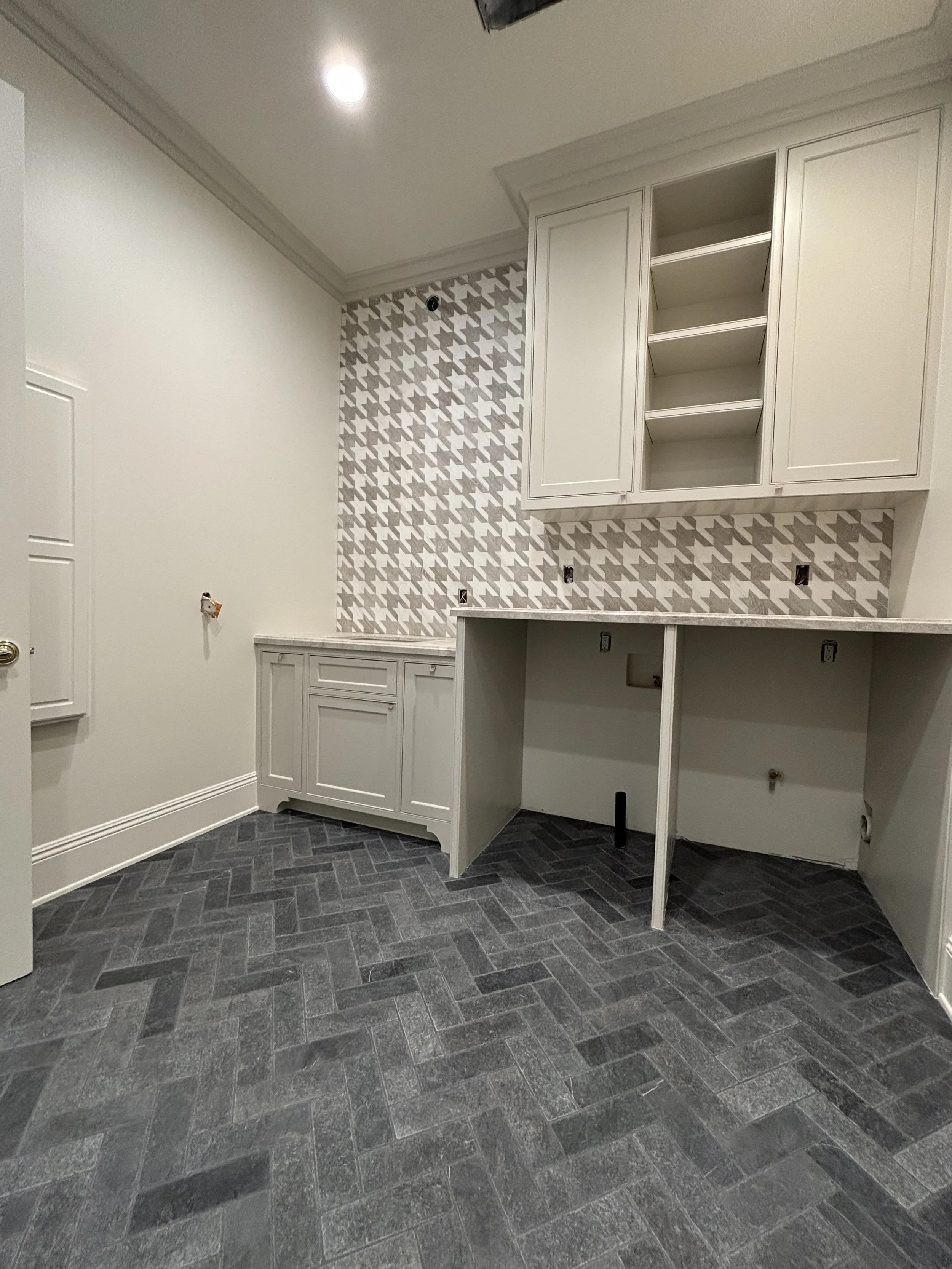
Selecting an interior design professional like Ashley Herron involves evaluating a specific set of design aesthetics, project management experience, and collaborative processes tailored to residential or commercial spaces. Determining if such a professional aligns with your project goals requires an examination of their portfolio, service scope, communication style, and the technical requirements necessary to successfully execute high-end interior transformations.
The Role of an Interior Design Professional in Modern Renovations
An interior design professional is more than a stylist; they act as a project manager, space planner, and technical consultant. When engaging with a specialist like Ashley Herron, clients are not merely buying furniture or color palettes; they are investing in the spatial optimization of their environment. In the context of 2026, the demand for professionals who can marry aesthetic vision with structural feasibility has grown, as supply chain complexities and building regulations become increasingly stringent.
Designers manage the "lifecycle" of a room. This includes the initial site survey—where measurements are taken and structural constraints are identified—to the final installation of finishes. A professional designer ensures that plumbing, electrical layouts, and custom millwork designs are coordinated with contractors before any physical work begins, thereby preventing costly errors.
Evaluating Design Philosophy and Specialized Expertise
Before committing to an interior design professional, it is critical to verify that their design language matches your desired outcome. Professionals often specialize in specific "design identities," such as minimalist modernism, transitional classicism, or sustainable biophilic design.
For an interior designer, expertise is demonstrated through the following pillars:
- Spatial Intelligence: The ability to visualize flow, sightlines, and the ergonomics of a room.
- Material Knowledge: Understanding the durability, maintenance, and sourcing of textiles, stone, wood, and metals.
- Technical Proficiency: The capacity to read and annotate blueprints or CAD (Computer-Aided Design) drawings to communicate effectively with architects and engineers.
- Budget Stewardship: The ability to provide realistic cost estimates and manage procurement schedules to keep projects within the agreed-upon financial framework.
The Process of Working with an Interior Design Professional
Working with a professional designer follows a structured, multi-phase approach. Understanding these stages is essential for setting expectations regarding project timelines and investment.
Phase 1: Consultation and Feasibility
The initial interaction is often a feasibility study. The designer assesses the existing space, identifies potential structural challenges, and reviews the client's needs. This is where you determine if the personality and communication style of the professional, such as Ashley Herron, align with your personal project management preferences.
Phase 2: Schematic Design and Concept
During this phase, the designer presents mood boards, floor plans, and material palettes. This is an iterative process. It is important for the client to provide clear, actionable feedback during this stage, as changes made later—during the construction or procurement phase—often result in significant financial penalties or delays.
Phase 3: Procurement and Project Management
Once the design is finalized, the professional moves into the logistical phase. This involves ordering furniture, selecting finishes, and coordinating with tradespeople. A key value-add of an experienced designer is their network of trusted craftsmen, such as electricians, painters, and cabinet makers, who have been vetted for quality and reliability.
Phase 4: Installation and Final Styling
The final stage is the "white glove" delivery. The design professional ensures that all elements are placed correctly, lighting is programmed, and custom treatments are installed to specification.
Comparative Framework: Hiring a Professional vs. DIY
Choosing between hiring a professional and managing a design project personally involves a trade-off between cost, time, and final value. The following table illustrates the common differences between these paths.
| Feature | Professional Interior Designer | DIY/Self-Managed |
|---|---|---|
| Project Planning | Comprehensive technical drawings | Informal sketches |
| Procurement | Access to trade-only showrooms/vendors | Retail-market prices |
| Risk Mitigation | Professional oversight of trades | High risk of errors in technical execution |
| Cost Control | Detailed itemized budgeting | Often prone to impulse overspending |
| Design Cohesion | Expert balancing of color, scale, and function | Variable; often lacks professional scale |
| Timeline | Accelerated through established trade contacts | Often delayed by scheduling conflicts |
Essential Requirements for Project Success
Regardless of the designer chosen, certain prerequisites are universal for a successful interior design project. First, clear communication regarding the budget is vital. You must establish whether the designer’s fee structure is flat-fee, hourly, or a percentage of the total construction cost.
Second, the client must be prepared for the realities of lead times. In 2026, the global logistics of high-end furniture and custom materials remain subject to fluctuations. A professional designer will provide a procurement schedule that tracks every item, but patience is a requirement for high-quality custom work.
Finally, documentation is key. Ensure that all changes to the design scope are confirmed in writing. A professional designer typically uses industry-standard contracts that clearly outline the limits of their responsibility, particularly concerning structural changes or modifications to building systems.
Troubleshooting Common Design Challenges
Even with a professional designer, challenges can arise. Below are common issues and the methods a professional uses to resolve them:
- Supply Chain Delays: When a specified item is backordered, the designer typically suggests a "design-intent" equivalent—a product that matches the look, quality, and function of the original choice without compromising the aesthetic.
- Structural Surprises: Often, walls are opened to reveal electrical or plumbing issues. A professional designer works with the contractor to pivot the design to accommodate these new requirements, often finding creative ways to incorporate or conceal new obstacles.
- Communication Gaps: If the client feels the design is drifting from the initial concept, a review meeting should be scheduled immediately. Professionals use updated renderings and revised floor plans to realign expectations during these sessions.
Frequently Asked Questions
What does an interior design professional typically include in their scope of work?
A professional designer handles everything from conceptual design and technical drafting to procurement and site supervision. Their primary duty is to ensure the final environment is both beautiful and highly functional, adhering to all relevant safety and building standards.
How are interior design fees usually structured?
Fees can vary widely, but they generally follow one of three models: hourly billing for smaller consultations, a flat fee for specific project phases, or a percentage-based fee calculated on the total cost of the project including furnishings and construction management.
Should I hire a designer for a single room or a whole house?
Both options are viable. While whole-house projects allow for a unified design language, many professionals specialize in "targeted transformations." Hiring a designer for a single, high-impact room can often be more cost-effective if you are looking to maximize the return on investment for a specific area.
How do I ensure my design professional is qualified?
Look for portfolios that showcase consistent quality, check for professional association memberships (such as ASID or IIDA), and verify references. A qualified designer will be able to speak to the technical aspects of their past projects, not just the visual results.
Does hiring a designer actually save money?
While you pay a design fee, professionals often have access to trade-only discounts that are not available to the public. Furthermore, by preventing costly mistakes in planning and construction, they often save the client from the "expensive rework" that frequently plagues unmanaged projects.
Recommendation for Moving Forward
If you are considering working with an interior design professional, your first step should be to compile a "Design Brief." This document should include your budget, desired timeline, inspiration imagery (from platforms or publications), and a list of functional requirements (e.g., storage needs, lighting preferences). Schedule a consultation with your chosen designer to discuss this brief; their reaction and the specific questions they ask regarding your space will serve as the best indicator of whether their expertise matches your project goals.