Securing comprehensive protection in Western North Carolina requires understanding how regional geography, weather patterns, and local property markets influence policy design and pricing. Asheville auto and home insurance policies demand careful evaluation of liability limits, comprehensive and collision deductibles, and property-specific endorsements such as windstorm, hail, and water backup coverage.
Understanding the Asheville Insurance Landscape
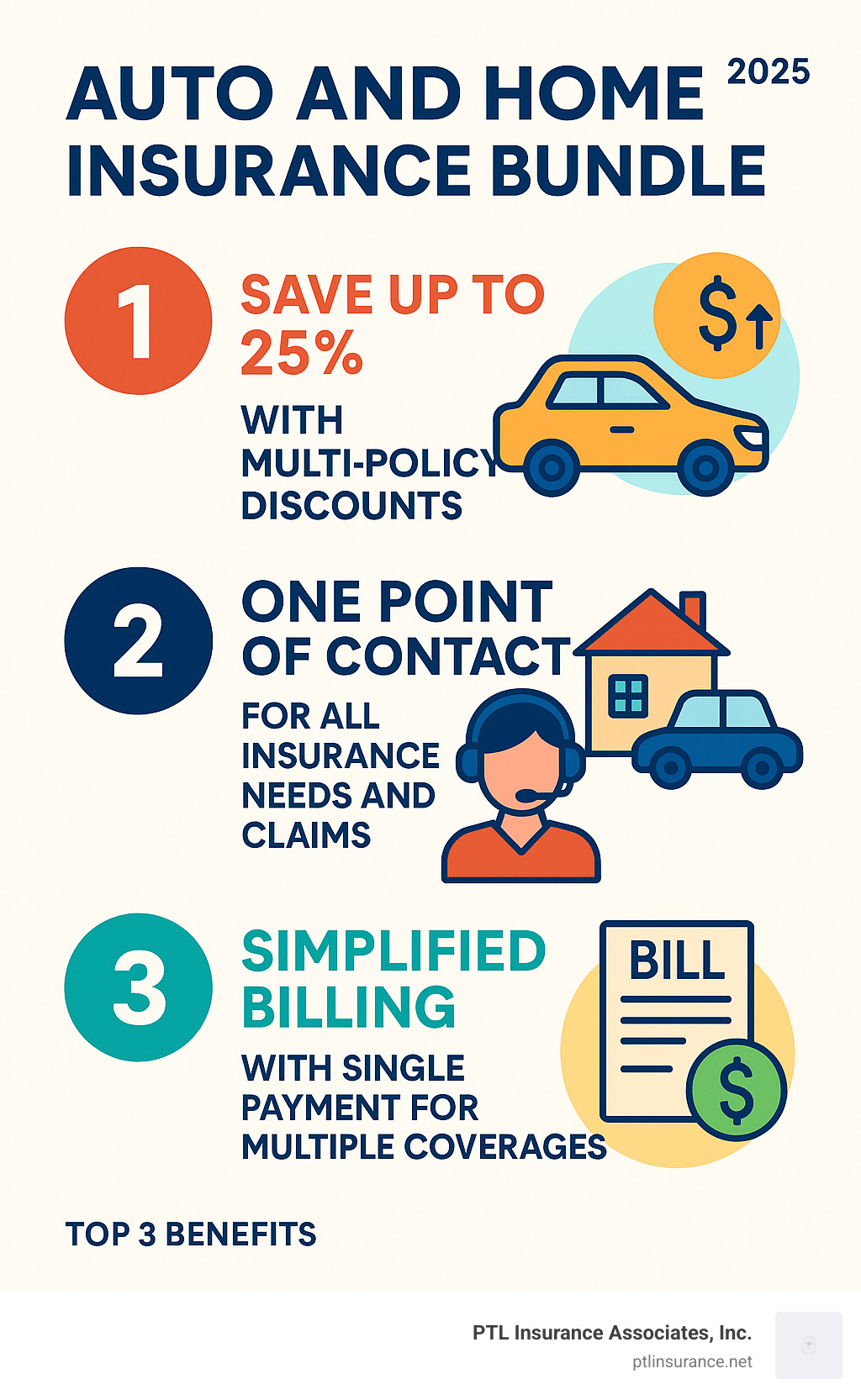
Purchasing insurance in Asheville, North Carolina, involves navigating a distinct regional market shaped by the unique topography of the Blue Ridge Mountains, localized weather hazards, and the fast-growing real estate market of Buncombe County. When shopping for protection, policyholders frequently choose to bundle their auto and home insurance policies with a single carrier. Bundling not only streamlines billing and communications but often unlocks multi-policy discounts that can significantly reduce overall premium costs.
However, relying solely on discounts can lead to coverage gaps if the underlying policies do not adequately address local risks. Asheville's mountain terrain introduces specific driving hazards, including winding two-lane roads, heavy tourist traffic on scenic corridors like the Blue Ridge Parkway and Interstate 26, and dense winter weather events that bring black ice and freezing fog. Simultaneously, homeowners face regional risks ranging from high-wind events sweeping down mountain gaps to flash flooding caused by intense rainfall over saturated mountain soils.
Evaluating your insurance needs requires balancing cost-saving opportunities with robust protection limits that reflect the true replacement cost of your home and the appropriate liability coverage for your vehicle. Working with independent insurance agents or national carriers who understand Buncombe County's municipal and unincorporated building standards ensures that your coverage satisfies both state legal mandates and practical financial security needs.
Comprehensive Guide to Asheville Auto Insurance Requirements
Operating a motor vehicle in Asheville requires compliance with North Carolina state insurance laws, which establish mandatory minimum liability limits alongside optional coverages designed to protect against financial devastation in a severe collision.
State Mandates and Liability Minimums
North Carolina law mandates that all registered vehicle owners maintain continuous liability insurance. The state-required minimum limits, commonly referred to as 30/60/25 coverage, include:
- $30,000 for bodily injury liability per person injured in an accident you cause.
- $60,000 for total bodily injury liability per accident when multiple people are injured.
- $25,000 for property damage liability per accident for damage to another person's vehicle or property.
While these numbers represent the legal baseline to drive on public roads in Asheville and across the state, financial advisors and insurance professionals strongly recommend higher limits—such as 100/300/100 or higher—given the rising costs of modern vehicle repairs and medical care. Furthermore, North Carolina requires Uninsured Motorist (UM) coverage and Underinsured Motorist (UIM) coverage to be included in auto policies, protecting you if you are struck by a driver who carries no insurance or insufficient limits to pay for your damages.
Optional Coverages for Mountain Driving
Beyond liability and UM/UIM protection, comprehensive and collision coverages are essential for drivers navigating Asheville's challenging topography:
- Collision Coverage: Pays for damage to your own vehicle resulting from a collision with another car, a guardrail, or a rock slide on a mountain pass, regardless of fault.
- Comprehensive Coverage: Protects against non-collision incidents, such as animal strikes (very common on wooded mountain roads), falling tree branches during a windstorm, windshield cracks from flying gravel, vehicle theft, or vandalism.
- Medical Payments (MedPay) or Personal Injury Protection (PIP): Helps cover medical expenses or funeral costs for you and your passengers after an accident, regardless of who caused it.
| Coverage Type | What It Protects | Standard / Recommended Limits |
|---|---|---|
| Bodily Injury Liability | Medical and legal costs if you injure someone else. | $30,000 min / $100,000+ recommended |
| Property Damage | Repair or replacement of other vehicles/property you damage. | $25,000 min / $100,000+ recommended |
| Uninsured Motorist | Your injuries and vehicle damage caused by an uninsured driver. | Matches bodily injury limits |
| Comprehensive & Collision | Physical damage to your own vehicle from accidents, weather, or theft. | Actual Cash Value (subject to deductible) |
Navigating Asheville Home Insurance and Property Risks
Homeownership in Buncombe County presents unique underwriting challenges. Insurers evaluate properties based on proximity to fire hydrants, local volunteer or municipal fire department ratings, roof age and construction materials, and historical claims data for the specific ZIP code.
Dwelling Coverage and Replacement Cost vs. Market Value
A common misconception among first-time homebuyers in Asheville is that home insurance should reflect the purchase price or current market value of the property. In reality, home insurance is designed to cover the replacement cost—the expense required to rebuild the physical structure from the ground up using current labor and material costs.
Given inflation in the construction sector and the specialized labor required for mountain architecture, building costs can easily exceed market values or vice versa. Policies should ideally include an extended replacement cost or guaranteed replacement cost endorsement. This provision provides a buffer—typically an additional 20% to 50% above the policy limit—if regional rebuilding costs surge following a widespread natural disaster or severe weather event that creates high demand for contractors and building supplies.
Regional Weather Hazards and Exclusions
Asheville's mountain climate exposes homes to specific weather phenomena that require careful policy review:
- Wind and Hail: Severe thunderstorms frequently roll through the Blue Ridge Mountains, bringing high winds and large hail that can damage roofs, siding, and outbuildings. Verify whether your policy has a separate percentage-based deductible for windstorm or hail damage.
- Water Damage and Flooding: Standard homeowners insurance policies explicitly exclude damage caused by rising surface water, heavy runoff, or flash flooding. Because Asheville features numerous creeks, rivers (such as the French Broad), and steep slopes prone to rapid runoff, property owners outside designated high-risk flood zones should still evaluate purchasing a separate flood insurance policy through the National Flood Insurance Program (NFIP) or private insurers.
- Water Backup: Backups from overwhelmed municipal sewer lines or failing household sump pumps are also excluded from standard policies. Adding a water backup endorsement provides crucial financial protection against interior water damage.
Factors Influencing Insurance Premiums in Asheville
Insurance carriers use complex actuarial formulas to determine premium rates. Understanding these variables can help policyholders manage costs without sacrificing essential protection.
Location and ZIP Code Rating
Where you park your car and where your home is located heavily dictate your base rate. Urban areas within Asheville proper may experience higher auto insurance rates due to traffic congestion and a higher frequency of minor fender-benders or vehicle break-ins. Conversely, homes located in remote, heavily wooded, or unincorporated areas of Buncombe County may face higher homeowners insurance premiums due to longer response times from emergency services and limited access to public fire hydrants.
Credit History and Insurance Scores
In North Carolina, insurance companies are legally permitted to use a consumer's credit-based insurance score as a rating factor for both auto and home insurance policies. Statistical analysis demonstrates a strong correlation between credit history and the likelihood of filing a claim. Maintaining a clean credit history, monitoring your credit report for errors, and paying bills on time can directly contribute to lower annual insurance premiums.
Claims History and Loss Underwriting Reports
Insurers utilize shared databases, such as the Comprehensive Loss Underwriting Exchange (C.L.U.E.), to review a property's and a driver's claims history over the past five to seven years. Multiple claims within a short timeframe—such as consecutive windstorm roof claims or multiple minor auto accidents—signal higher risk to underwriters, often resulting in higher premiums or eligibility restrictions.
Strategies for Maximizing Savings on Bundled Policies
Bundling auto and home insurance is one of the most effective ways to lower your total insurance outlay while simplifying administrative management. To maximize these savings, policyholders should adopt a proactive approach:
- Shop Multiple Carriers: Do not settle for the first quote. Compare quotes from independent insurance brokers who represent multiple regional and national carriers, as well as direct-to-consumer digital insurance platforms.
- Optimize Deductibles: Raising your auto comprehensive/collision deductibles from $500 to $1,000, or your homeowners deductible from $1,000 to $2,500, can noticeably lower your annual premium. Ensure you maintain adequate emergency savings to cover these higher out-of-pocket costs in the event of a claim.
- Inquire About Specialized Discounts: Beyond the multi-policy discount, ask about safety feature discounts for vehicles (anti-lock brakes, passive restraint systems, anti-theft devices) and home safety upgrades (deadbolt locks, monitored smoke detectors, security systems, impact-resistant roofing materials).
- Maintain Continuous Coverage: Avoid coverage lapses, even when switching between insurance providers. Insurers view gaps in coverage as a high-risk indicator, which can drive up rates when initiating a new policy.
Frequently Asked Questions About Asheville Insurance
Is flood insurance required for a home purchase in Asheville?
Mortgage lenders legally require flood insurance only if the property is located within a Special Flood Hazard Area (SFHA) as mapped by the Federal Emergency Management Agency (FEMA). However, because mountain topography creates rapid runoff and flash flood risks, lenders and agents frequently recommend standalone flood insurance regardless of official flood zone designations.
How does mountain driving affect auto insurance rates in Asheville?
Insurance underwriters factor in local road conditions, commuting distances, and accident statistics for Buncombe County. Winding rural routes, wildlife crossings, and winter ice hazards are factored into regional risk assessments, though individual driver history remains the primary rating determinant.
Can I bundle my auto and home insurance if they are with different companies?
True bundling discounts—where a single carrier applies a percentage discount to both policies—require housing both policies under the same insurance company or parent corporate group. However, independent agents can often find complementary carriers that offer competitive standalone rates that rival bundled packages.
What should I look for in an Asheville home insurance policy regarding roof coverage?
Check whether your policy pays out on an Actual Cash Value (ACV) basis or a Replacement Cost Basis (RCV) for roof damage. ACV policies factor in depreciation, meaning an older roof will yield a significantly lower payout after a hailstorm, whereas RCV policies cover the full cost of a new roof minus your deductible.
How often should I review my auto and home insurance policies?
It is best to conduct an annual review of your insurance coverage, or immediately following major life events such as purchasing a new vehicle, remodeling your home, adding a teenage driver, or completing energy-efficiency upgrades that increase your home's replacement value.
Next Steps and Action Plan
To secure optimal auto and home insurance in Asheville, begin by gathering your current policy declarations pages, vehicle identification numbers (VINs), and details regarding your home's construction year and recent renovations. Contact at least two independent insurance agents and one direct writer to obtain competitive, apples-to-apples quotes that reflect appropriate liability limits and realistic replacement costs. Review each quote carefully for exclusions—particularly regarding water backup and windstorm deductibles—before finalizing your coverage selections and canceling any existing policies.