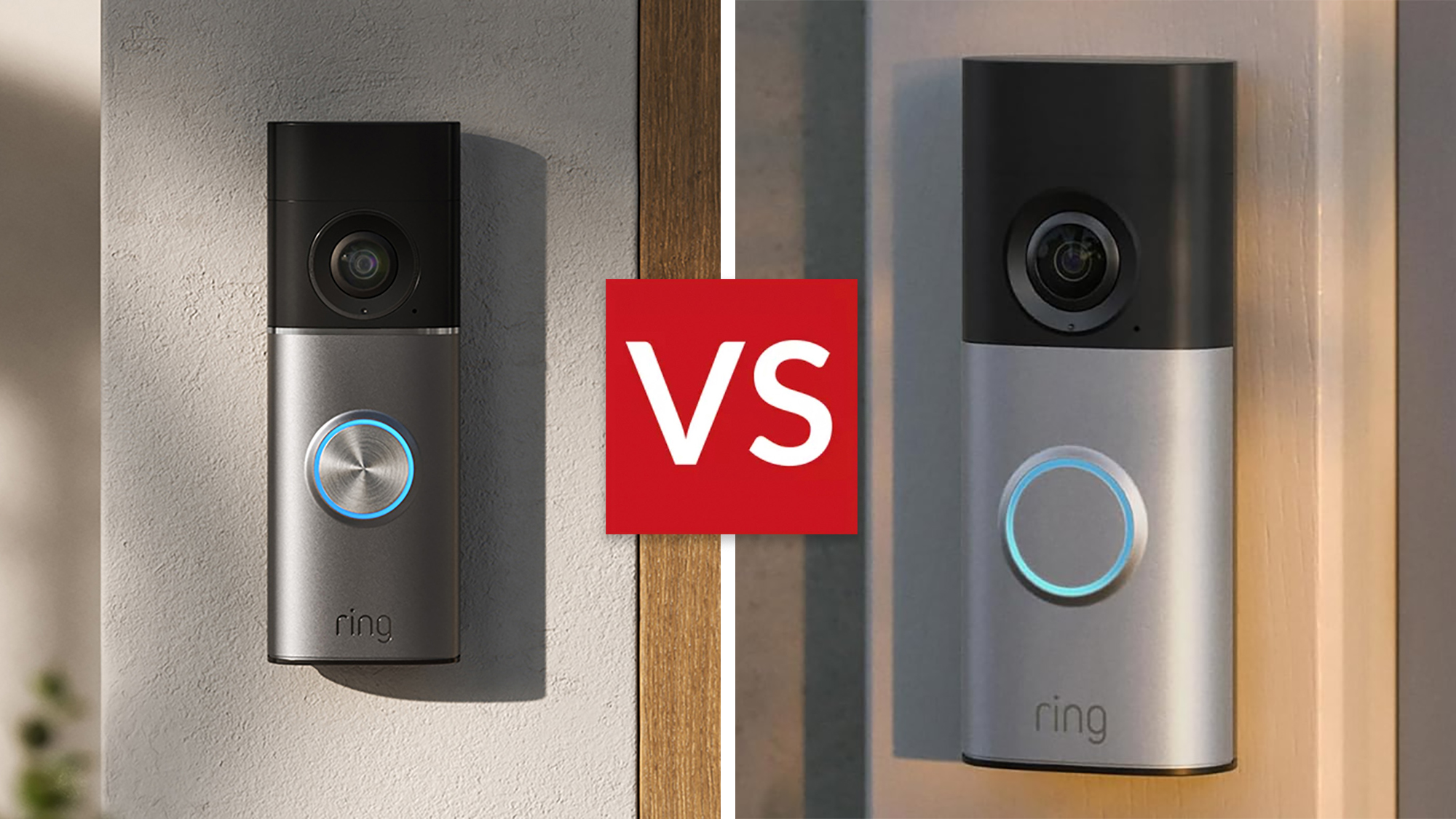
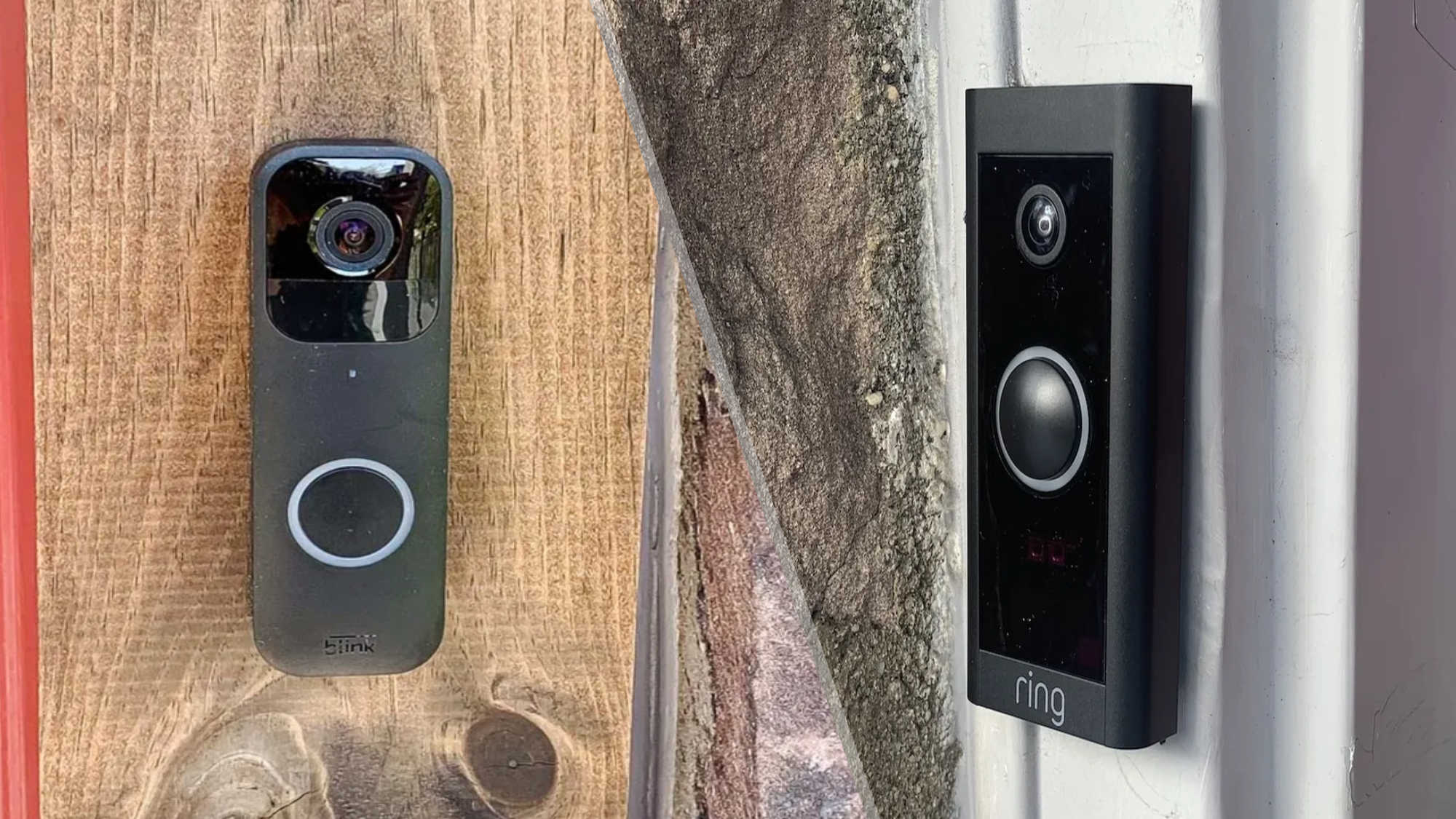
Choosing between Arlo, Ring, and Blink depends on your specific priorities regarding video resolution, smart home integration, and long-term costs. Arlo leads in high-end video quality and professional features, Ring offers the most seamless integration with the Amazon ecosystem and professional monitoring, while Blink provides the most affordable, battery-efficient solution for budget-conscious homeowners.
As we move through 2026, the smart home security market has matured significantly. While the basic premise of DIY security remains—wire-free cameras, smartphone alerts, and cloud storage—the technical nuances between these three industry leaders have become more pronounced. Whether you are looking to secure a sprawling estate or a small apartment, understanding the architectural differences in how these systems handle data, power, and detection is vital for making a sound investment.
The Core Philosophies of Arlo, Ring, and Blink
To understand which system fits your home, it is necessary to look at the design philosophy of each brand. These companies do not just manufacture cameras; they build ecosystems that dictate how you interact with your home’s security.
Arlo: The Premium Performance Specialist
Arlo has consistently positioned itself as the high-end option for users who refuse to compromise on visual clarity. Arlo’s cameras, particularly the Ultra and Pro series, focus on "forensic-level" detail. In 2026, Arlo continues to emphasize advanced optics, such as 4K resolution and high dynamic range (HDR), which are critical for identifying faces or license plates at a distance. Arlo is also the most platform-agnostic of the three, offering robust support for Apple HomeKit, Google Home, and Amazon Alexa.
Ring: The Connected Neighborhood Guardian
Owned by Amazon, Ring is built around the concept of a "ring of security" around the home. While they started with doorbells, their ecosystem now includes floodlights, indoor cams, and a full-featured security alarm system. Ring’s greatest strength is its software integration and the "Neighbors" community platform. It is designed for the user who wants a unified interface where the doorbell, the backyard camera, and the indoor motion sensors all work in a singular, cohesive loop—especially if that user relies on Alexa-enabled devices.
Blink: The Efficiency and Value Leader
Also an Amazon-owned company, Blink occupies a completely different niche than Ring. Blink’s engineering focus is on extreme energy efficiency and affordability. Using proprietary chip technology, Blink cameras can often run for up to two years on a single set of AA lithium batteries. This makes them the go-to choice for users who want a "set it and forget it" system without the high entry price or the need for frequent recharging.
Technical Specifications and Video Quality
When comparing these systems, video quality is often the first metric consumers look at, but "quality" involves more than just pixel count. It encompasses field of view (FOV), night vision capabilities, and the speed of the motion trigger.
Resolution and Optics
Arlo remains the king of resolution. While Blink and most Ring models peak at 1080p or 2K (1440p), the Arlo Ultra 2 and subsequent 2026 iterations offer true 4K resolution. This is not just for show; 4K allows for "zoom and track" features where the camera digitally enlarges a moving object without the image becoming a pixelated mess.
Ring has narrowed the gap with its "Pro" line of cameras, utilizing 3D Motion Detection and Bird’s Eye View, which uses radar to show the path a person took across your property on an aerial map. Blink, conversely, focuses on a crisp 1080p image that is optimized for low bandwidth, ensuring that alerts reach your phone quickly even on slower Wi-Fi connections.
Night Vision and Field of View
Field of view determines how much of your yard or room the camera can see.
- Arlo: Often features a wide 160 to 180-degree diagonal FOV, minimizing blind spots.
- Ring: Generally ranges between 140 and 150 degrees.
- Blink: Typically offers a narrower 110-degree FOV, which may require more cameras to cover the same area.
For night vision, Arlo and Ring both offer color night vision via integrated spotlights. Blink primarily relies on infrared (black and white) night vision, though their newer floodlight mounts have added color capabilities to the budget-friendly line.
Power Management and Installation Requirements
The "wire-free" revolution made these brands famous, but the way they handle power varies significantly, impacting how much maintenance you will perform over the life of the product.
The Blink Battery Advantage
Blink’s standout feature is its two-year battery life. This is achieved through a "sync module" architecture. The cameras remain in a low-power "sleep" state until the sync module or the onboard PIR (Passive Infrared) sensor detects motion. This efficiency means you aren't climbing ladders every few months to swap batteries.
Ring’s Modular Battery System
Ring uses proprietary Quick-Release Battery Packs. This is a massive convenience feature; you can keep a spare battery on a charger and swap it into any camera (doorbell, Stick Up Cam, or Spotlight Cam) in seconds. This eliminates camera downtime. Ring also has the most robust selection of solar panels, which, in sunny climates, can keep the cameras charged indefinitely.
Arlo’s Magnetic and Integrated Solutions
Arlo cameras often use magnetic charging cables or integrated batteries. While sleek, older models required removing the entire camera to charge it, though most 2026 models now feature removable cells or magnetic "snap-on" chargers. Arlo’s battery life typically lasts 3 to 6 months depending on the amount of "activity" or recorded events.
Comparison of Key Features (2026 Data)
| Feature | Arlo (Ultra/Pro Series) | Ring (Pro/Plus Series) | Blink (Outdoor/Gen 4) |
|---|---|---|---|
| Max Resolution | 4K UHD | 2K / 1080p HD | 1080p HD |
| Field of View | 160° - 180° | 140° - 150° | 110° |
| Power Source | Rechargeable/Solar/Wired | Rechargeable/Solar/Wired | AA Lithium Batteries |
| Smart Home Support | Alexa, Google, HomeKit | Alexa (Primary), Google (Limited) | Alexa (Primary) |
| Local Storage | Yes (Base Station required) | Yes (Ring Edge/Alarm Pro) | Yes (Sync Module 2 + USB) |
| AI Features | Person, Pet, Vehicle, Package | Person, Package, Bird's Eye | Person Detection (on newer models) |
| Monthly Starting Cost | ~$4.99/camera | ~$4.99/camera | ~$3.00/camera |
Subscription Ecosystems and Storage Costs
In 2026, the hardware is only half the story. Most of the "intelligence" of these cameras lives in the cloud, and accessing that intelligence usually requires a monthly subscription.
Arlo Secure
Arlo has moved toward a model where a subscription is almost mandatory. Without an Arlo Secure plan, you generally only get live streaming and basic notifications. With the plan, you unlock 30 days of cloud storage and advanced AI filtering. This filtering is highly sophisticated, allowing you to ignore a swaying tree branch while specifically alerting you to a "Package" or "Vehicle."
Ring Protect
Ring’s subscription tiers are arguably the most comprehensive because they can include professional 24/7 police monitoring if you own the Ring Alarm system. The Ring Protect Basic plan covers one camera, while the Protect Plus and Pro plans cover all devices at a single location. For a home with 5+ cameras, Ring often becomes more cost-effective than Arlo.
Blink Subscription Plus
Blink remains the most flexible. While they offer a cloud subscription (Blink Subscription Plan), they also provide a viable "no-monthly-fee" path. By plugging a USB flash drive into the Blink Sync Module 2, users can store clips locally for free. While you lose some AI features (like person detection on some models), it is the best option for those who want to avoid recurring costs.
Smart Home Integration and Ecosystem Lock-in
Before purchasing, look at the smart speakers and displays already in your home.
- If you use Amazon Alexa: Ring and Blink are the natural choices. You can say, "Alexa, show me the front door," and the feed will appear instantly on your Echo Show or Fire TV. Ring, in particular, has deep "linked devices" logic—for example, if your doorbell detects motion, your Ring Floodlights can automatically turn on.
- If you use Google Home: Arlo is the preferred choice. While Ring can work with Google to some extent, the integration is often clunky. Arlo provides a native experience for Google Nest Hub users.
- If you use Apple HomeKit: Arlo is one of the few mainstream battery-powered camera brands that supports HomeKit (though often requiring an Arlo Base Station). Ring and Blink do not natively support HomeKit without third-party workarounds like Homebridge.
Privacy and Data Security
As smart cameras become more prevalent, privacy concerns have taken center stage. All three brands have implemented Two-Factor Authentication (2FA) as a mandatory requirement.
Ring has historically faced scrutiny over its law enforcement partnerships but has since introduced the "Request for Assistance" dashboard, giving users more control over what police can see. Arlo has branded itself as the "Privacy First" company, promising never to sell user data and providing a dedicated Privacy Dashboard to manage shared access. Blink, being a simpler system, has a smaller data footprint but relies on the overarching Amazon privacy infrastructure.
Professional Monitoring vs. Self-Monitoring
A critical distinction in the Arlo vs Ring vs Blink debate is how they handle emergencies.
Ring is a true security company. Their integration with the Ring Alarm system means that if a window sensor is tripped, your cameras can automatically start recording, and a professional dispatcher can call the authorities.
Arlo offers "Emergency Response" through their app, which allows you to contact local emergency services with a single tap, sending your location data to dispatchers. However, it is primarily a self-monitored system.
Blink is purely self-monitored. If you get an alert at 3:00 AM, it is up to you to view the clip and decide whether to call the police. There is no professional backup for Blink systems.
Common Mistakes When Choosing a System
- Ignoring Upload Speeds: A 4K Arlo camera requires significantly more upload bandwidth than a 1080p Blink. If you have slow DSL or satellite internet, an Arlo system may suffer from lag or frequent disconnections.
- Mixing Brands: While it's possible to own a Ring doorbell and Arlo cameras, you will have to manage two different apps and pay two different subscription fees. It is almost always better to stick to one ecosystem.
- Underestimating Temperature Effects: In extremely cold climates (below -4°F / -20°C), lithium-ion batteries in Ring and Arlo cameras can struggle to hold a charge or stop working entirely. Blink’s use of AA lithium batteries often gives it a slight edge in extreme cold, though no battery-powered camera is immune to freezing temperatures.
FAQ
Can I use Blink cameras without a subscription in 2026?
Yes, Blink allows for local storage using a Sync Module 2 and a USB flash drive. This allows you to view and save motion-activated clips without a monthly fee, though you may miss out on "Person Detection" features available only via the cloud.
Does Arlo require a hub or base station?
Many newer Arlo models can connect directly to your 2.4GHz or 5GHz Wi-Fi. However, using an Arlo SmartHub is still recommended for local storage backup, improving camera battery life, and enabling HomeKit compatibility for certain models.
Which system is best for renters?
Blink is generally the best for renters due to its small size and the ability to mount cameras using high-strength adhesive strips rather than screws. Its long battery life also means you don't have to worry about wiring in a temporary living space.
Can Ring cameras record 24/7?
Most Ring cameras are "event-based" recorders, meaning they only record when motion is detected. However, as of 2026, certain wired Ring models (like the Floodlight Cam Pro) offer a "24/7 Recording" feature if you have a top-tier Ring Protect subscription.
Are Arlo cameras more expensive to maintain?
Arlo hardware generally has a higher upfront cost, and their subscription plans are priced similarly to Ring. However, because Arlo cameras capture higher-resolution video, you may find yourself needing to upgrade your internet plan or Wi-Fi router to support the increased data load, which is an indirect maintenance cost.
Final Verdict and Next Actions
If you are looking for the absolute best video quality and have a flexible budget, Arlo is the clear winner. Its 4K capabilities and advanced AI filtering make it a superior tool for actual security surveillance.
If you want a comprehensive, easy-to-use home security ecosystem that includes doorbells, alarms, and professional monitoring, Ring is the most logical choice, particularly for those already invested in the Amazon Alexa ecosystem.
If you are on a budget or need a simple, low-maintenance camera for a remote location (like a shed or a rental property), Blink offers the best value-to-performance ratio in the industry.
Next Action: Before purchasing, check your home Wi-Fi upload speed. A minimum of 2 Mbps per camera is recommended for 1080p systems (Ring/Blink), while 4K systems (Arlo) may require up to 4-5 Mbps per camera for optimal performance.