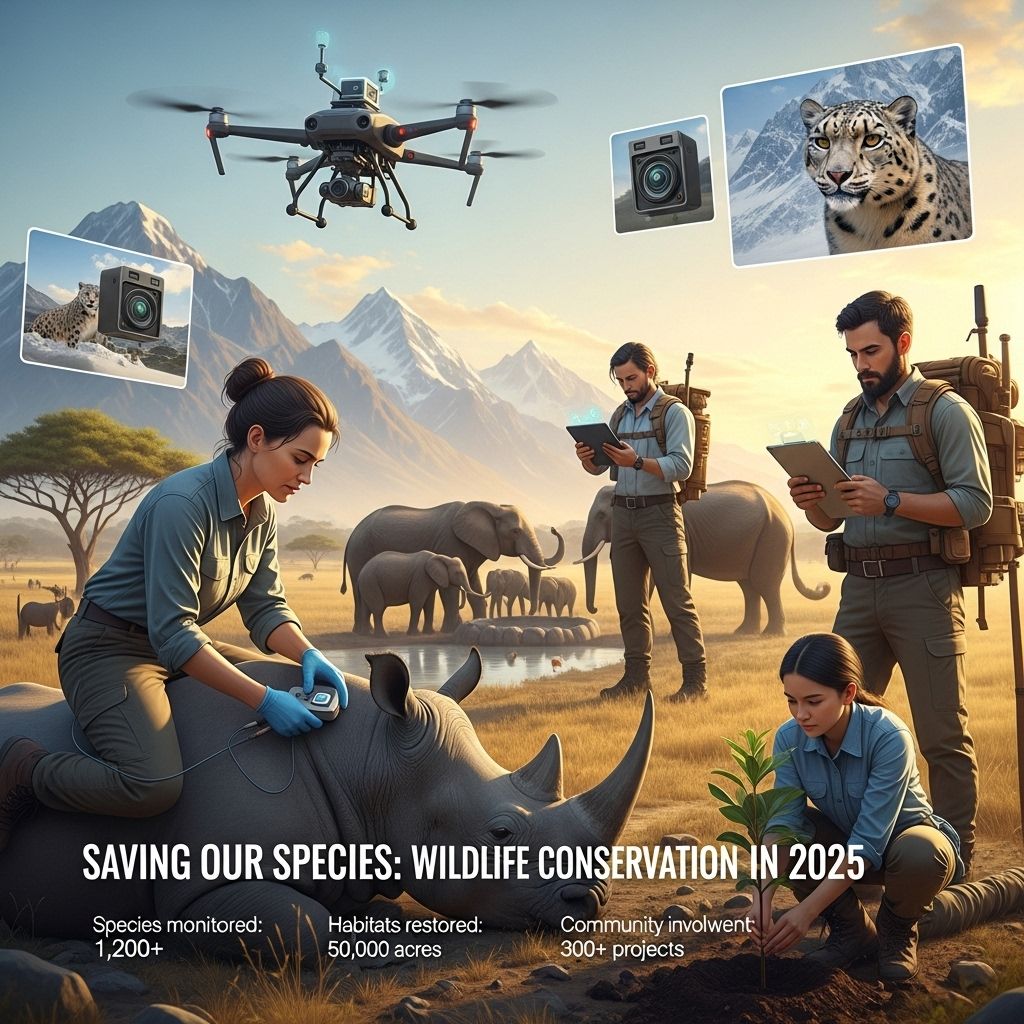
Animal conservation in 2026 operates at a critical intersection of ecological science, international policy, local community engagement, and advanced technology. The primary challenges—habitat fragmentation, climate displacement, illegal wildlife trade, human-wildlife conflict, and invasive species—require multi-layered strategies spanning protected area management, community-based resource control, genetic interventions, and strict legislative enforcement to stem global biodiversity loss.
Primary Challenges Facing Modern Animal Conservation
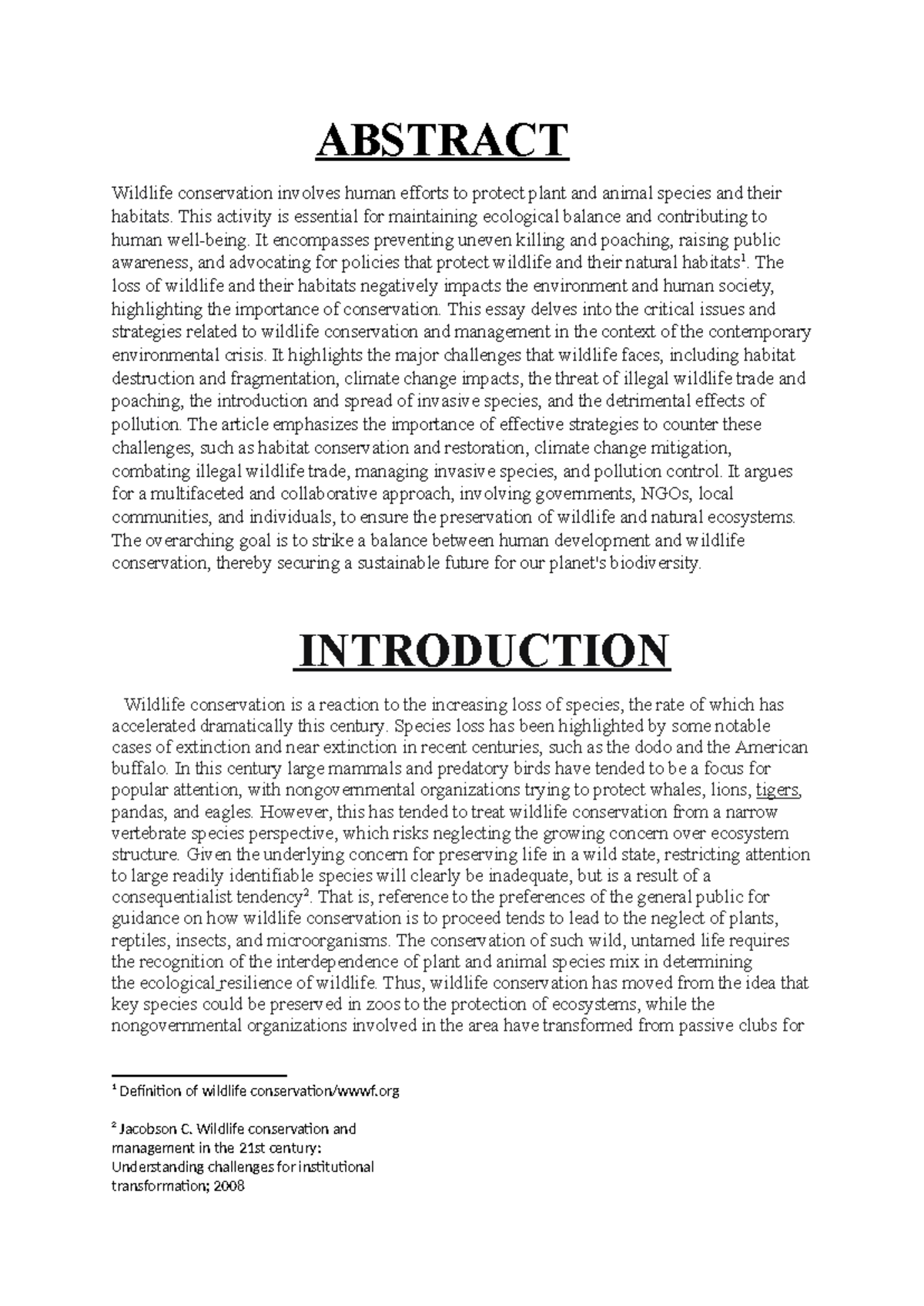
Modern wildlife conservation efforts operate against unprecedented rates of anthropogenic environmental change. The International Union for Conservation of Nature (IUCN) tracks global extinction risks through its Red List of Threatened Species, continuously documenting how converging stress factors accelerate population declines across terrestrial, marine, and freshwater biomes.
Habitat Fragmentation and Degradation
Habitat destruction remains the leading cause of species extinction globally. Beyond outright land conversion for agriculture, urbanization, and resource extraction, habitat fragmentation divides continuous ecosystems into small, isolated patches.
This spatial isolation produces severe biological consequences:
- Edge Effects: Microclimatic changes occur at the borders of forest or grassland clearings, increasing exposure to wind, desiccation, invasive predators, and human encroachment.
- Genetic Bottlenecks: Isolated populations cannot interbreed with outside groups, leading to inbreeding depression, reduced genetic diversity, and heightened susceptibility to disease.
- Disrupted Migrations: Migratory ungulates, large carnivores, and avian species face physical barriers such as highways, fencing, and urban sprawl that block access to seasonal foraging and breeding grounds.
- Continuous Ecosystem
- Large Stable Area
- Fragmentation Interventions
- Infrastructure Barriers
- Isolated Patch A / B
- Reconnected Landscape
- Wildlife Corridors
- Genetic Exchange
Climate-Induced Ecosystem Shifts
Anthropogenic climate change forces rapid ecological shifts that outpace the evolutionary adaptation rates of many taxa. As global thermal profiles shift, species ranges move poleward and upward in elevation.
Key climate drivers affecting wildlife include:
- Phenological Mismatches: Disconnects occur between critical lifecycle events, such as peak food availability and timing of offspring birth or bird migration.
- Ocean Acidification and Warming: Thermal stress causes widespread coral bleaching, collapsing foundational marine habitats that support over a quarter of marine life.
- Extreme Weather Events: Increased frequency of severe droughts, wildfires, and storm surges causes direct mortality and permanently alters local habitat structures.
Illegal Wildlife Trade and Poaching
The illegal trade in wild animals and their parts constitutes a multi-billion-dollar transnational crime network. Driven by demand for traditional medicine, luxury goods, exotic pets, and bushmeat, illegal harvesting disproportionately targets high-value megafauna, such as rhinos, elephants, tigers, and pangolins.
Unregulated extraction disrupts ecosystem function. Removing top predators alters food webs through trophic cascades, while losing large herbivores reduces seed dispersal for canopy tree species, decreasing the carbon storage capacity of tropical forests.
Human-Wildlife Conflict (HWC)
As human settlement expands into natural habitats, spatial overlap between human populations and wildlife leads to direct competition over resources. Human-wildlife conflict manifests as crop raiding, livestock depredation, property destruction, and direct physical injury or mortality for both humans and animals.
Unmanaged conflict fosters local hostility toward conservation initiatives. Retaliatory killings of carnivores, elephants, and crop-damaging species frequently erase the gains achieved by legal protections and reserve management.
Invasive Alien Species and Pathogens
The global movement of goods and people has facilitated the introduction of non-native species into fragile ecosystems. Invasive alien species outcompete, prey upon, or hybridize with native fauna, often causing rapid extinctions, particularly in island environments.
Simultaneously, emerging infectious diseases pose catastrophic threats to global fauna:
- Chytridiomycosis: Caused by the fungal pathogen Batrachochytrium dendrobatidis, this disease has driven dramatic declines or extinctions in over 500 amphibian species worldwide.
- White-Nose Syndrome: A fungal infection (Pseudogymnoascus destructans) that has killed millions of hibernating bats across North America.
- Avian Influenza (H5N1): High-pathogenicity strains cause severe mortality in wild bird colonies and marine mammals globally.
Core Conservation Strategies and Methodologies
To address these interconnected threats, conservation practitioners deploy integrated strategies combining field biology, landscape planning, community incentives, and enforcement mechanisms.
- Global Conservation Frameworks
- Landscape Scale
- Protected Areas
- Eco-Corridors
- Habitat Restoration
- Community & Law
- Local Governance
- CITES & Trade
- SMART Monitoring
- Direct Species
- Genetic Rescue
- Ex-Situ Breeding
- Reintroductions
- Landscape Scale
Protected Area Networks and Ecological Corridors
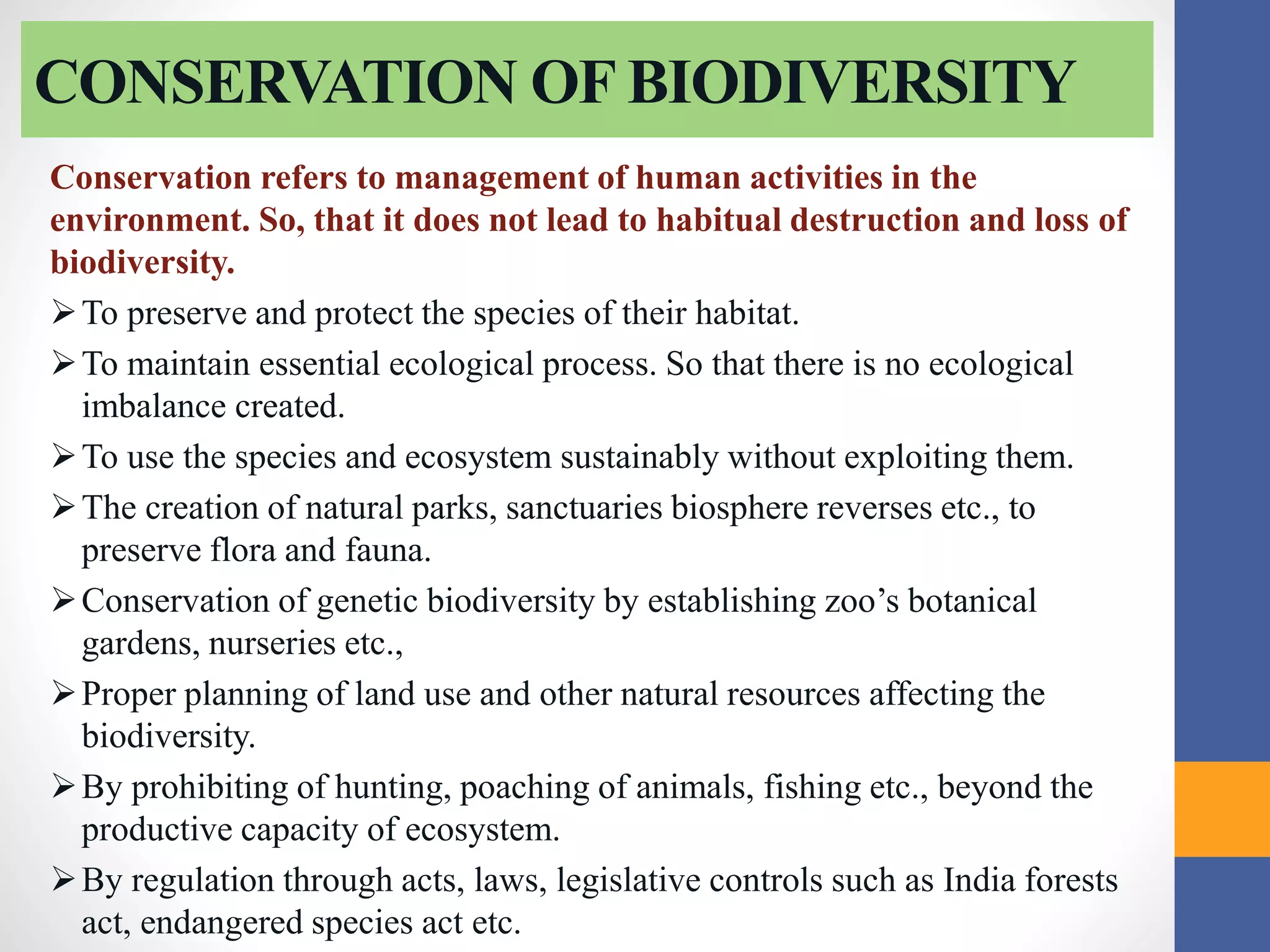
Establishing and expanding protected areas forms the anchor of terrestrial and marine spatial planning. Under the Kunming-Montreal Global Biodiversity Framework adopted by the United Nations Environment Programme (UNEP), international targets aim to protect 30% of global land and marine areas by 2030 (the "30x30" initiative).
However, isolated reserves are insufficient. Modern spatial design prioritizes ecological corridors—strips of natural habitat that connect isolated protected areas. Corridors facilitate gene flow, allow range shifts in response to climate change, and support seasonal migrations. Designing effective corridors requires satellite tracking data (telemetry), spatial distribution modeling, and land-use agreements across administrative boundaries.
Community-Based Natural Resource Management (CBNRM)
Historically, "fortress conservation"—excluding local communities from protected lands—frequently failed due to local opposition and enforcement costs. Modern frameworks use Community-Based Natural Resource Management (CBNRM) to realign economic incentives with conservation outcomes.
Key CBNRM approaches include:
- Devolution of Wildlife Rights: Granting local communities legal ownership or management authority over wildlife resources.
- Ecotourism Revenue Sharing: Directing fees from safari operations and nature tourism back into local infrastructure, health, and education.
- Payment for Ecosystem Services (PES): Providing financial payments to landowners who maintain natural forest cover or protect critical watersheds.
When local communities derive direct financial and social benefits from living alongside wildlife, illegal poaching rates fall and tolerance for human-wildlife conflict increases.
Technological Innovations in Species Monitoring
Technological tools have transformed how scientists measure biodiversity, track elusive species, and deploy anti-poaching operations.
- Data Collection Sources
- Camera Traps
- eDNA Water Sampling
- Satellite / Drones
- Processing & Analytics
- AI Machine Learning / Spatial Analytics
- Conservation Outcomes
- Anti-Poaching Intercepts
- Rapid Disease Interventions
- Adaptive Habitat Zoning
- Spatial Monitoring and Reporting Tool (SMART): An open-source software platform used by park rangers to log patrol data, track wildlife sightings, and identify poaching hotspots for targeted law enforcement.
- Environmental DNA (eDNA): Analyzing genetic material shed by organisms into water, soil, or air enables rapid aquatic and terrestrial biodiversity surveys without capturing target animals.
- Bioacoustics and Artificial Intelligence: Automated sound recorders paired with machine learning algorithms process thousands of hours of audio to detect bird, marine mammal, and primate calls, as well as gunshot disruptions.
- Satellite Telemetry and High-Resolution Remote Sensing: Miniaturized GPS transmitters provide real-time movement data, while high-resolution satellite imagery tracks forest clearing and habitat degradation in near-real-time.
Ex-Situ Conservation and Genetic Interventions
When wild populations drop below minimum viable population sizes, ex-situ (off-site) conservation interventions become necessary to prevent total extinction.
- Captive Breeding and Reintroduction Programs: Specialized zoological facilities maintain safety-net populations, breeding individuals to maximize genetic diversity before reintroducing them into secured native habitats.
- Biobanking and Cryopreservation: Repositories freeze gametes, embryos, and tissue samples from endangered species, preserving genetic variation for future reproductive technologies.
- Assisted Gene Flow and Genome Editing: Advanced genomic research investigates gene-editing tools (such as CRISPR) to introduce disease-resistant traits into vulnerable populations, such as breeding chytrid-resistant amphibians or heat-tolerant corals.
Policy, Legislative Frameworks, and International Enforcement
National conservation action relies on domestic law and international agreements:
- CITES (Convention on International Trade in Endangered Species of Wild Fauna and Flora): Regulates international trade in specimen species across three levels of protection (Appendices I, II, and III), imposing trade bans and sanctions on non-compliant nations.
- The Convention on Biological Diversity (CBD): Sets global targets for ecosystem protection, sustainable resource management, and equitable sharing of genetic resource benefits.
- Domestic Legislation: National statutes, such as the U.S. Endangered Species Act or India's Wildlife Protection Act, provide enforceable prohibitions against taking, harming, or trading designated threatened species.
Quantitative Comparison of Major Conservation Interventions
Selecting appropriate conservation strategies requires balancing cost, operational scalability, ecological scope, and measurement metrics. The following table compares major management interventions used worldwide.
| Conservation Strategy | Primary Mechanism | Relative Financial Cost | Spatial / Ecological Scope | Primary Metrics of Success | Known Operational Limitations |
|---|---|---|---|---|---|
| Strict Protected Areas (IUCN Cat. I–IV) | Legal protection banning resource extraction within designated boundaries. | High initial land acquisition; moderate ongoing operational costs. | Landscape scale (10² to 10⁶ hectares). | Stable or increasing population densities; low deforestation rates. | Requires strong enforcement capacity; potential for community displacement if mismanaged. |
| Ecological Corridors | Physical or functional habitat bridges connecting fragmented reserves. | Variable; high for land acquisition/easements in populated areas. | Linear/Regional scale (10¹ to 10⁴ kilometers). | Frequency of wildlife crossings; genetic flow across isolated sub-populations. | High risk of mortality at infrastructure intersections if structural underpasses/overpasses are absent. |
| Community-Based Management (CBNRM) | Decentralized governance delegating wildlife management and revenue to communities. | Low to moderate capital investment; high training/capacity building costs. | Community lands / buffer zones (10³ to 10⁵ hectares). | Reduction in poaching incidents; increased community household income. | Vulnerable to local governance corruption, market fluctuations in tourism, and slow revenue distribution. |
| Captive Breeding & Reintroduction | Controlled ex-situ breeding combined with wild population reintroduction programs. | High per-individual costs; specialized facility requirements. | Species specific / micro-site release locations. | Survival rate of released individuals; self-sustaining wild reproduction rates. | Risk of loss of natural wild behaviors, captive-induced genetic adaptation, and high mortality upon release. |
| Environmental DNA (eDNA) Monitoring | Molecular sampling of environmental substrates to detect target species DNA. | Low per-sample processing cost; low field labor requirements. | Catchment or regional survey scale. | Detection of rare/cryptic species; rapid early detection of invasive species. | Cannot determine population structure, individual age, sex, or exact physical location without spatial modeling. |
| Acoustic Deterrents & Electrified Fencing | Physical and behavioral barriers preventing wildlife entry into human-occupied zones. | Moderate installation costs; high continuous maintenance costs. | Edge/Boundary scale (10⁰ to 10² kilometers). | Decrease in crop/livestock loss events; reduction in retaliatory killings. | Animals can habituate to deterrents over time; maintenance failures lead to immediate boundary breaches. |
Overcoming Financial and Operational Barriers
Executing wildlife conservation strategies effectively requires long-term funding, administrative capacity, and cross-border cooperation.
Innovative Financing Mechanisms
Traditional conservation relying on government grants and philanthropic donations suffers from systemic funding shortfalls. Modern frameworks incorporate diverse financial mechanisms:
- Debt-for-Nature Swaps: Financial transactions where a portion of a developing nation's foreign debt is forgiven in exchange for local investments in environmental conservation measures.
- Biodiversity Offsets and Credits: Market-based systems where developers compensate for unavoidable biodiversity impacts by funding measurable conservation outcomes elsewhere.
- Blended Finance and Impact Investing: Public and philanthropic funds de-risk private investments in sustainable forestry, regenerative agriculture, and eco-tourism enterprises.
Cross-Border Enforcement and Inter-Agency Cooperation
Poaching networks operate globally, requiring coordinated international law enforcement:
- INTERPOL / WCO Joint Task Forces
- National Law Enforcement & Intelligence Units
- Customs / Ports (Seizure & Intercept)
- Park Ranger Patrols (Field Level Defense)
- National Law Enforcement & Intelligence Units
Joint operations led by organizations like INTERPOL and the World Customs Organization (WCO) disrupt criminal supply chains by intercepting shipments at major transshipment ports, freezing financial assets tied to illegal wildlife trafficking, and standardizing extradition processes for high-level coordinators.
Strategic Implementation Roadmap
Implementing effective conservation measures requires a clear project planning process:
Baseline Assessment and Ecological AuditingMap target species distributions, establish genetic baselines, measure local threat vectors, and identify priority ecological corridors using remote sensing and eDNA analysis.
Stakeholder Engagement and Legal Framework DesignNegotiate resource rights with local communities, secure land easements, establish shared revenue models, and obtain legal protections from municipal and national authorities.
Deployment of Integrated InterventionsConstruct infrastructure barriers (such as wildlife crossings or electric fencing) alongside community patrol systems, and implement field technology platforms like SMART.
Adaptive Management and Longitudinal MonitoringContinuously evaluate population trajectories, human-wildlife conflict incidents, and community income metrics. Adjust spatial boundaries, anti-poaching patrol routes, and resource allocations based on operational data.
Frequently Asked Questions
What is the 30x30 framework in global conservation?
The 30x30 framework is an international target established under the Kunming-Montreal Global Biodiversity Framework. It commits participating countries to effectively protect and manage at least 30 percent of the Earth's terrestrial, inland water, coastal, and marine areas by the year 2030 through protected areas and other effective area-based conservation measures (OECMs).
How does human-wildlife conflict differ from habitat loss?
Habitat loss refers to the physical removal, degradation, or fragmentation of natural ecosystems. Human-wildlife conflict occurs when wild animals and human activities overlap spatially, resulting in direct negative interactions such as crop loss, livestock predation, property damage, or physical injury, which often leads to retaliatory killing of wildlife.
Can genetic technologies like CRISPR prevent species extinction?
Genetic technologies offer promising supporting tools, such as enhancing disease resistance in threatened wild populations or restoring lost genetic diversity from biobanked samples. However, they cannot replace core conservation strategies: without intact, protected habitats, genetically modified or rescued species cannot maintain self-sustaining populations in the wild.
How do debt-for-nature swaps support wildlife conservation funding?
Debt-for-nature swaps allow a sovereign nation to restructure or reduce its debt burden in exchange for legally binding commitments to fund local conservation projects in national currencies. This mechanism frees up domestic capital for long-term ecosystem management while easing national debt burdens.
What role do indigenous communities play in effective biodiversity protection?
Indigenous communities control or manage land containing a significant portion of the world's remaining intact biodiversity. Incorporating traditional ecological knowledge into conservation management, securing indigenous land tenure rights, and supporting community-led conservation consistently produce better ecological outcomes than traditional top-down regulatory enforcement.
Summary Action Plan
To establish a resilient wildlife conservation initiative, follow these core practical steps:
- Conduct Spatial Prioritization: Identify critical migration paths, biodiversity hotspots, and fragmented patches requiring immediate ecological corridors.
- Establish Direct Community Benefits: Secure land tenure rights and revenue-sharing mechanisms for local communities before establishing protected area rules.
- Deploy Field Technologies: Combine spatial tracking platforms like SMART with bioacoustic monitoring and eDNA sampling to focus anti-poaching enforcement and biodiversity tracking.
- Secure Multi-Stream Funding: Combine government allocations with innovative financing instruments like debt-for-nature swaps, impact investments, and biodiversity credit programs.