The discovery of subterranean passages and complex subterranean features across Peru has reignited global interest in Andean engineering, shedding light on the sophisticated ways the Inca civilization and their predecessors manipulated underground spaces for administrative, ceremonial, and defensive purposes.
Introduction to Subterranean Engineering in the Andes
When people think of the Inca Empire, monumental stone masonry, soaring agricultural terraces, and sweeping mountain trails like the Inca Trail to Machu Picchu typically come to mind. However, beneath the surface of the rugged Andean landscape lies a less visible but equally remarkable dimension of pre-Columbian engineering: subterranean structures, channels, and passages often referred to in popular discourse as the ancient Inca tunnel network found in Peru.
Disambiguating these subterranean features is essential for an accurate historical and archaeological understanding. While sensationalized media reports occasionally frame these discoveries as vast, hidden underground highways spanning hundreds of miles across South America, professional archaeologists and historians clarify that these networks generally comprise local or regional infrastructure. These include complex drainage systems, subterranean aqueducts, ritual water shrines, military escape routes, and storage facilities built into the bedrock or pre-existing geological fissures.
Examining these subterranean systems requires a balanced look at archaeological evidence, indigenous oral histories, and the practical challenges of excavation and conservation in high-altitude environments. This comprehensive guide explores what these subterranean networks actually are, how they were constructed, their functional roles within the Tawantinsuyu (the Inca Empire), and the ongoing efforts to map and protect them.
Historical Context: The Nature of Inca Subsurface Construction
To understand why the Inca and preceding Andean cultures—such as the Wari and Chachapoya—built underground channels and passages, one must examine the environmental and geopolitical realities of the central Andes. The terrain is characterized by steep slopes, unpredictable seismic activity, heavy seasonal rainfall, and arid microclimates. Managing water, securing communication, and safeguarding vital supplies were matters of imperial survival.
Water Management and Hydraulic Engineering
A significant portion of what is colloquially termed "tunnel networks" in Peru actually represents sophisticated hydraulic infrastructure. The Inca were master hydrologists. They engineered stone-lined canals, subterranean drainage conduits, and infiltration galleries to channel glacial runoff, prevent landslides, and irrigate terraced agricultural systems.
- Subterranean Aqueducts: Sites such as Tipón, located near Cusco, feature intricate water management systems where water is routed through subterranean stone channels, creating controlled flows for agricultural and ceremonial purposes.
- Drainage and Stabilization: In urban centers like Machu Picchu, underground drainage networks were carved out beneath plazas and residential sectors. These subsurface channels prevented soil saturation during torrential downpours, protecting foundational stonework from shifting or collapsing.
Defensive and Administrative Passages
Beyond water management, historical chronicles and archaeological surveys indicate that subterranean passages served tactical functions. During territorial expansions and internal conflicts, strategic nodes required secure movement vectors.
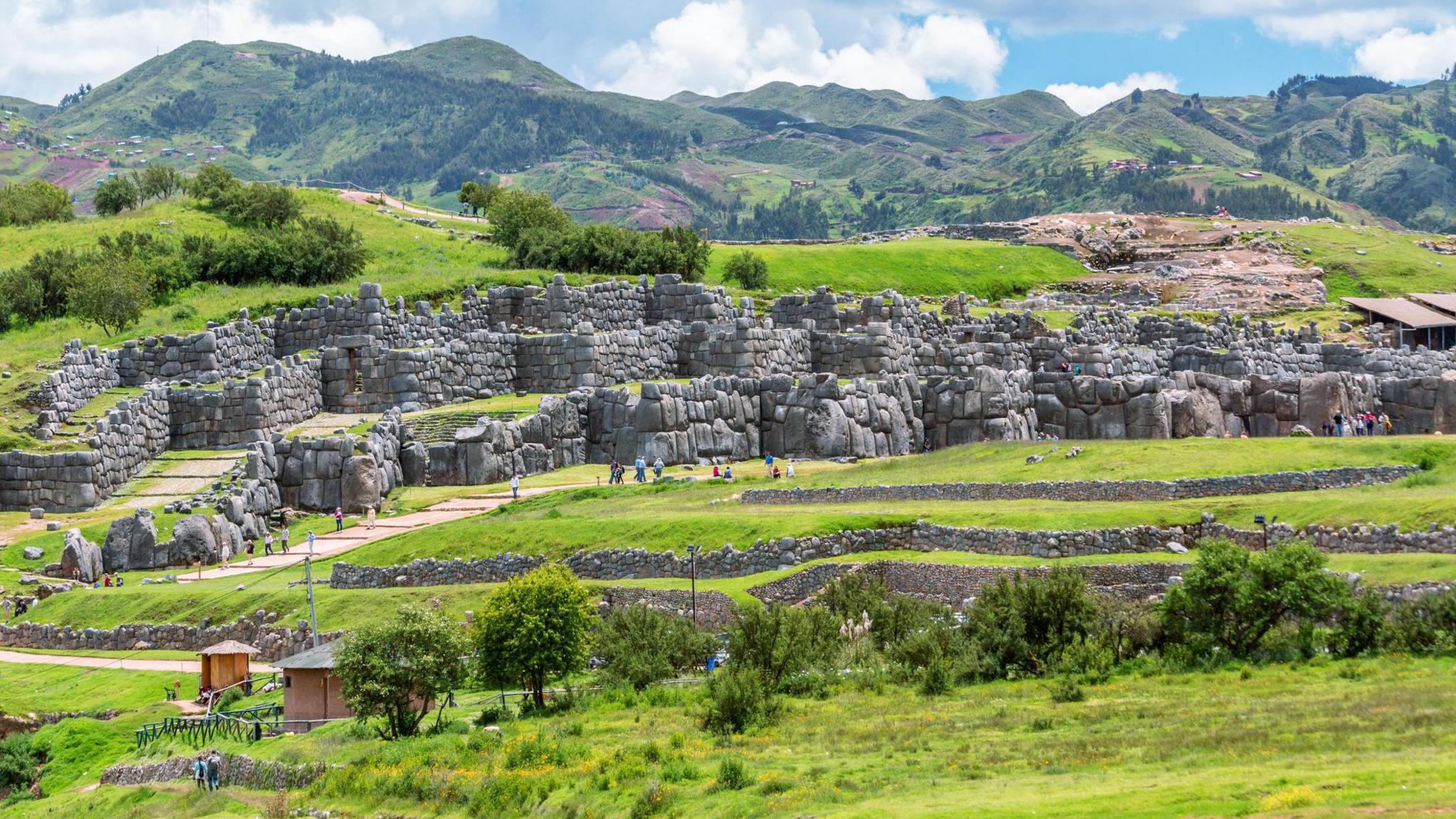
- Escape and Communication Routes: Oral traditions in regions surrounding Cusco and Sacsayhuamán frequently mention hidden tunnels connecting key fortresses to administrative centers. While many of these local legends exaggerate the distance—such as claims of a continuous subterranean highway leading all the way from Cusco to Lima—shorter tactical passages designed for troop movement or emergency evacuation are well-documented.
- Storage and Securing Assets: Subterranean chambers were occasionally used to store sensitive administrative records or high-value items, taking advantage of the stable, cool microclimate underground to preserve organic materials.
Key Archaeological Sites Featuring Subterranean Networks
Several prominent archaeological zones in Peru have yielded significant discoveries regarding pre-Columbian subterranean engineering. Each site demonstrates distinct architectural methods adapted to local geology.
| Archaeological Site | Primary Region | Main Subterranean Feature |
|---|---|---|
| Tipón | Cusco Department | Subterranean aqueducts and fountains |
| Machu Picchu | Cusco Department | Extensive subsurface drainage network |
| Chavín de Huántar | Ancash Department | Labyrinthine ceremonial gallery system |
| Sacsayhuamán | Cusco Department | Suspected tactical passages and caves |
Chavín de Huántar: The Pre-Inca Precedent
While not strictly Inca in origin, the subterranean galleries of Chavín de Huántar (dating back to approximately 1200–500 BCE) heavily influenced subsequent Andean civilizations, including the Inca. Located in the Ancash region, Chavín features a vast, multi-level network of stone-lined underground tunnels and rooms. These spaces were utilized for profound acoustic and religious experiences, allowing priests to project sound throughout the temple complex while remaining unseen by worshippers. The Inca absorbed and adapted these monumental masonry and subterranean design concepts into their own imperial architecture.
Cusco and Sacsayhuamán
The former imperial capital of Cusco sits upon layers of history. Beneath colonial Spanish buildings lie massive Inca foundations, and beneath those, extensive natural cave systems modified by human hands. Sites like the Kenko (Q'enqo) complex and the subterranean chambers near Sacsayhuamán feature carved stone altars, niches, and passage systems cut directly into limestone outcrops. Modern ground-penetrating radar (GPR) and electrical resistivity tomography have occasionally identified anomalous subsurface cavities near these complexes, prompting targeted archaeological excavations.
Technological and Engineering Methods
Constructing stable subterranean passages in an active seismic zone requires precise engineering techniques. The builders of the Andes utilized several methods to ensure structural integrity without the use of modern steel reinforcement or heavy mechanized equipment.
Masonry Vaults and Dry-Stone Architecture
Unlike European tunnel construction that often relied on Roman-style arches made of mortar and brick, Inca builders perfected dry-stone masonry. Subterranean channels and chambers were constructed by excavating trenches, lining the walls with precisely shaped, interlocking granite or limestone blocks, and capping the top with heavy stone lintels. This method allowed the structures to absorb seismic tremors; the stones would shift slightly during an earthquake and settle back into place without causing catastrophic collapse.
Geological Assessment and Drainage Integration
Before cutting into bedrock or soil, Andean engineers carefully assessed hydrological flows. Subterranean passages were deliberately aligned with natural water tables or slope contours to prevent flooding. Gravel packing—layering crushed stone around exterior subterranean walls—was utilized to filter sediment and reduce hydrostatic pressure against the masonry.
The Reality Behind Modern Discoveries and Sensationalism
In recent years, media coverage surrounding newly discovered tunnels in Peru has occasionally conflated scientific finds with sensational myths, such as lost golden cities or trans-Andean underground highways. Understanding the scientific reality requires separating verified archaeological data from popular folklore.
- Ground-Penetrating Radar (GPR) Results: Archaeologists utilizing non-invasive remote-sensing technologies frequently map subsurface anomalies. While these scans successfully identify hidden chambers, ancient water channels, and tombs (chultines), they do not automatically reveal vast transit systems.
- Conservation Priorities: The Peruvian Ministry of Culture (Ministerio de Cultura) and international research teams carefully regulate access to newly found subterranean structures. Opening these sites to the general public presents severe environmental risks, including changes in humidity and carbon dioxide levels that can degrade ancient stone, plaster, and organic artifacts. Consequently, many newly mapped tunnels remain restricted to academic researchers.
Preservation Challenges and Threats
Protecting Peru’s subterranean Inca heritage involves overcoming significant logistical, environmental, and anthropogenic challenges.
Urban Encroachment
In cities like Cusco, modern urban expansion places immense pressure on historical strata. Subsurface infrastructure—such as municipal water pipes, electrical lines, and modern building foundations—frequently intersects with or disrupts ancient Inca drainage systems and tunnels. Urban planning must balance modern municipal needs with heritage preservation.
Climate Change and Weather Events
Increased frequency of high-intensity rainfall linked to global climate shifts poses a direct threat to ancient hydraulic networks. When ancient subterranean drainage conduits become blocked with modern debris or overwhelmed by unprecedented water volumes, historic structures suffer structural damage from erosion and soil saturation.
Frequently Asked Questions
Are there really hidden tunnels connecting Machu Picchu to Cusco?
No credible archaeological evidence supports the existence of a continuous subterranean tunnel spanning the roughly 50 miles between Machu Picchu and Cusco. While local oral histories recount escape routes and tactical paths, these narratives refer to short, localized passages rather than long-distance underground highways.
Who built the underground galleries found in Peru?
Subterranean structures in Peru were built by multiple successive civilizations over thousands of years. Early cultures like the Chavín constructed extensive ceremonial galleries, while the Wari and later the Inca engineered sophisticated agricultural drainage networks, aqueducts, and localized tactical passages.
Can tourists visit the ancient tunnels in Peru?
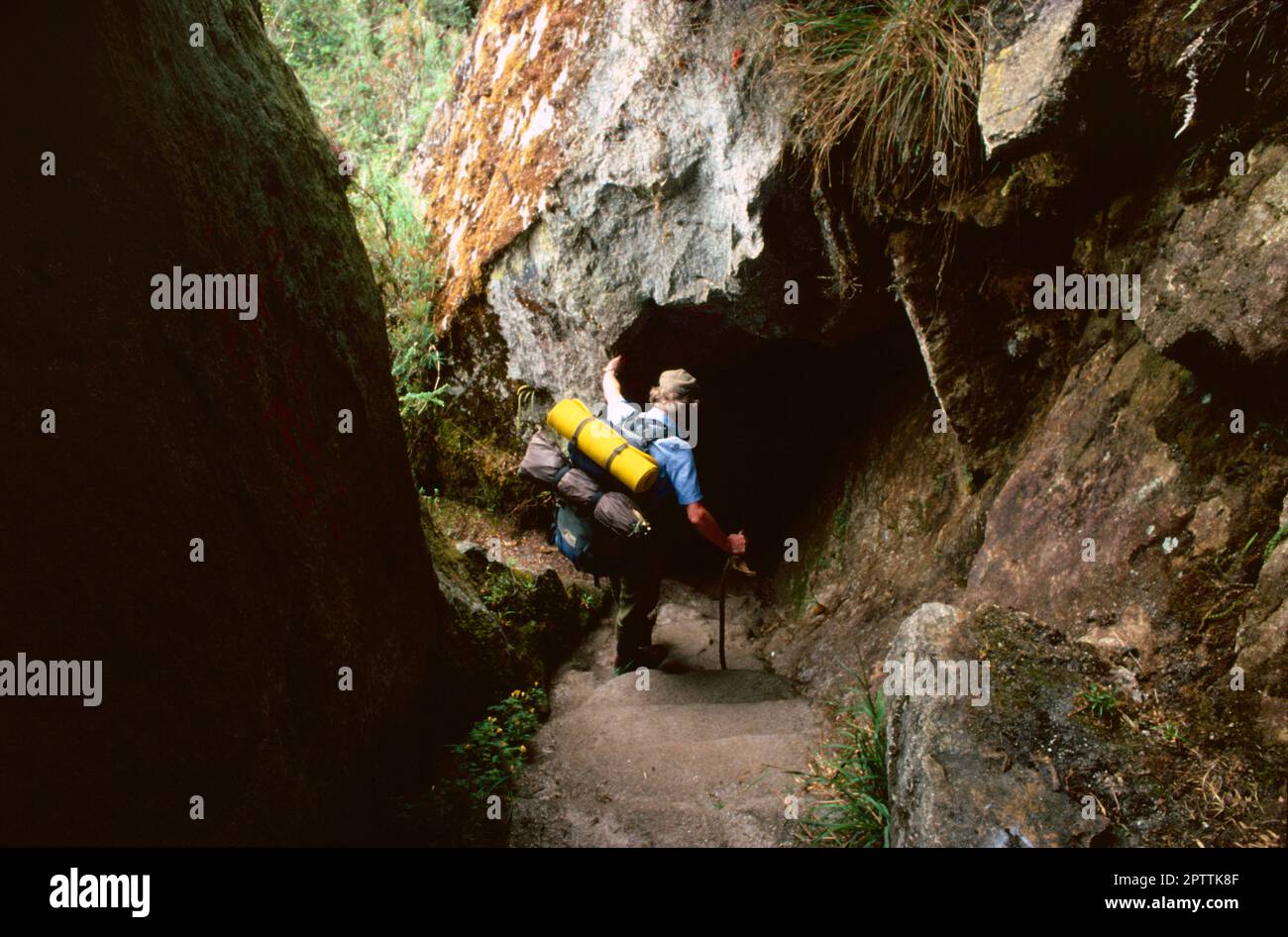
Some public subterranean features—such as the drainage canals at Machu Picchu, the water channels at Tipón, and the ceremonial galleries of Chavín de Huántar—are accessible to visitors under the guidance of licensed tour operators or site regulations. However, newly discovered or fragile archaeological tunnels are strictly closed to the public to ensure preservation.
How do archaeologists find underground structures without excavating?
Archaeologists rely on non-invasive remote sensing technologies, including ground-penetrating radar (GPR), electrical resistivity tomography (ERT), and drone-mounted LiDAR (Light Detection and Ranging). These tools detect density variations and subterranean anomalies beneath topsoil and stone flooring without disturbing the historical layers.
Why did the Inca build structures underground?
Subterranean construction in the Andes served primarily functional purposes rather than transit. Key reasons included managing heavy mountain rainfall, preventing landslides, channeling irrigation water to agricultural terraces, regulating temperatures for food storage, and establishing secure, hidden routes for defense and ritual purposes.
Conclusion and Next Actions
The exploration of the ancient Inca tunnel network found in Peru reveals a sophisticated civilization deeply attuned to its environment. Rather than mythical underground highways, these subterranean features represent masterworks of hydraulic engineering, structural masonry, and landscape management. For travelers, history enthusiasts, and researchers interested in further study, visiting managed heritage sites like Tipón, Chavín de Huántar, or the agricultural sectors of Machu Picchu offers firsthand insight into how pre-Columbian engineers successfully harnessed the subterranean world. When planning a trip to Peru, always consult official guidelines from the Ministry of Culture and employ certified local guides to ensure responsible heritage tourism.