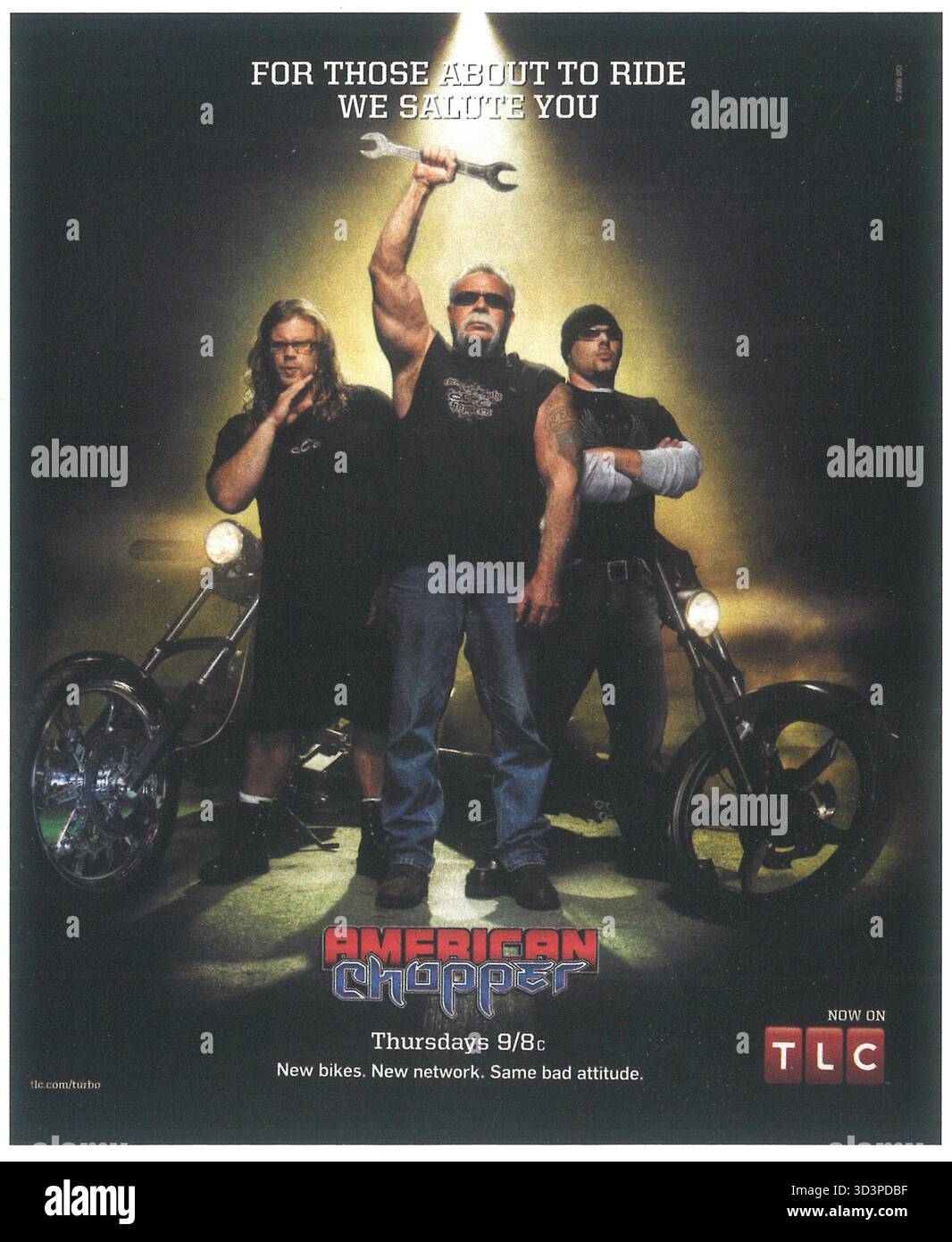
The explosive fights on American Chopper between Paul Teutul Sr. and Paul Teutul Jr. were the primary catalyst for the show’s massive success and eventual fragmentation. These conflicts, rooted in contrasting management styles and deep-seated familial tensions, resulted in a landmark legal battle in 2009 and the permanent division of the Orange County Choppers brand.
The Cultural Impact of the Teutul Rivalry
When American Chopper debuted in 2003 on the Discovery Channel, it was marketed as a show about custom motorcycle fabrication. However, it quickly became a psychological study of a dysfunctional family business. The friction between Paul Teutul Sr., the founder of Orange County Choppers (OCC), and his eldest son, Paul Jr. (Paulie), provided a raw, unscripted look at the "founder’s trap"—a situation where a business creator cannot relinquish control to the next generation.
The "American Chopper fights" were not merely for the cameras; they represented a fundamental clash of philosophies. Senior valued discipline, presence, and traditional labor hierarchies, while Junior prioritized creative expression and perceived himself as the artistic engine of the company. This friction eventually moved beyond the workshop and into the New York Supreme Court, fundamentally altering the landscape of reality television and the custom motorcycle industry.
The 2009 Blowout: The Firing That Changed Everything
The most significant fight in the history of the series occurred in late 2008 and aired in 2009. This confrontation was sparked by Paul Jr.’s perceived tardiness and lack of commitment to the OCC shop's daily operations. The argument escalated from a discussion about scheduling into a physical outburst where Senior famously threw a chair and kicked a hole in his son's office door.
This specific fight led to the immediate termination of Paul Jr. as an employee of Orange County Choppers. While the show had survived dozens of screaming matches, this event was different because it triggered a series of contractual clauses. Because Paul Jr. owned a minority stake in the company (20%), his firing initiated a legal struggle over the valuation of those shares and his right to compete in the same industry.
The Contractual Fallout
The "Option Agreement" became the center of a prolonged legal dispute. Paul Sr. attempted to exercise an option to purchase Paul Jr.’s 20% interest in OCC at a price determined by the company's value. However, the valuation of a brand built on the very father-son dynamic that was now fractured proved nearly impossible to quantify. This legal deadlock lasted for years, preventing the two from working together and forcing Junior to start Paul Jr. Designs (PJD).
Technical Dynamics of the Workshop Conflicts
To understand why the fights were so frequent, one must examine the technical pressures of high-end fabrication. Orange County Choppers wasn't just building bikes; they were building "theme bikes" for corporate clients like Intel, GoDaddy, and the New York Jets. These projects carried massive budgets and strict deadlines tied to marketing events.
Stressors in the Fabrication Process
- Deadlines: Most bikes had a fabrication window of only two to three weeks.
- Parts Delays: Waiting for custom chrome or specialized engines often pushed assembly into the final 48 hours before a reveal.
- Creative Differences: Junior often wanted to experiment with radical frame designs or aesthetic elements that Senior viewed as impractical or overly expensive.
- The "Auditory" Environment: The constant noise of grinders, hammers, and welding machines created a high-decibel environment that naturally heightened irritability and shortened tempers.
When a $150,000 project is behind schedule and a major corporate sponsor is arriving in twelve hours, the "discussions" between the lead designer (Junior) and the owner (Senior) were destined to turn into the legendary American Chopper fights that fans tuned in to see.
Major Confrontations and Their Consequences
Throughout the series' run and its spin-offs, several key fights stand out as pivotal moments for the family and the business.
| Year | Primary Participants | Trigger Incident | Long-term Outcome |
|---|---|---|---|
| 2003 | Senior vs. Paul Jr. | The "Black Widow" Bike | Established the creative power struggle. |
| 2005 | Senior vs. Mikey | Mikey’s work ethic | Senior began questioning Mikey’s place in the company. |
| 2008 | Senior vs. Paul Jr. | The Bowl-a-Thon Absence | Led to the formal firing of Paul Jr. |
| 2009 | Senior vs. Paul Jr. | The Shareholder Lawsuit | Resulted in a multi-year legal battle over OCC's value. |
| 2010 | Senior vs. Mikey | Mediation attempt | Mikey cut ties with Senior for several years. |
| 2012 | Senior vs. Paul Jr. | The Cadillac Build-Off | Solidified their rivalry as separate business entities. |
The Role of Mikey Teutul as the Emotional Buffer
Michael "Mikey" Teutul often served as the comic relief of the show, but his role in the "American Chopper fights" was much more complex. As the middleman, Mikey frequently bore the brunt of the emotional labor required to keep the family speaking.
However, the constant toxicity between his father and brother eventually took a toll on him. Mikey’s departure from the show and the shop was a quieter affair than Junior’s, but it was equally significant. He reached a point where he could no longer justify the mental health cost of being the "peacekeeper" in an environment where peace was never the goal. His exit underscored a critical reality: the fights weren't just entertainment; they were damaging the family's core relationships beyond the point of easy repair.
Senior vs. Junior: The Spin-Off Era
The rivalry was so lucrative for the Discovery Channel that it spawned the spin-off American Chopper: Senior vs. Junior. This era of the show focused on the two shops competing for the same clients. While the verbal fights were less frequent due to the physical distance between the shops, the conflict manifested as professional warfare.
Junior’s shop, Paul Jr. Designs, focused heavily on the artistic side of fabrication, eventually winning several "Build-Off" competitions against his father. Senior’s shop, OCC, leaned into its massive manufacturing infrastructure. The "fight" during this period was about proving who the "real" talent behind the original brand was. This era demonstrated that even without screaming in the same room, the underlying resentment continued to drive their creative outputs.
The Business Decline and Financial Repercussions
While the fights made for great television, they were arguably detrimental to the long-term health of Orange County Choppers. The brand was built on the image of the Teutul family. When that family unit disintegrated, the brand's value became volatile.
- Legal Costs: The years of litigation between Senior and Junior cost both parties hundreds of thousands of dollars in legal fees.
- Brand Dilution: Fans became polarized, often choosing sides between "Team Senior" or "Team Junior," which split the merchandise and licensing market.
- Bankruptcy Filings: In 2018, Paul Teutul Sr. filed for Chapter 13 bankruptcy. While various factors contributed to this, the loss of the original show's core dynamic and the subsequent legal battles were significant contributors to the financial instability of the OCC empire.
- Relocation: By 2021, the iconic Newburgh, New York, headquarters was no longer the center of OCC operations, as Senior moved the brand to Florida to start a new chapter (OCC Road House & Museum).
The State of the Teutul Family in 2026
As of 2026, the era of the legendary screaming matches has largely subsided, replaced by a cautious, distant professional respect. Both Paul Sr. and Paul Jr. have matured past the need for explosive television confrontations. While they are not "back to normal" in the sense of a traditional family unit, the intense animosity that fueled the early 2010s has cooled.
Paul Jr. continues to operate Paul Jr. Designs, focusing on high-end custom projects and occasional appearances. Paul Sr. remains active in the Florida motorcycle scene. The "fights" are now viewed as a historical artifact of a specific time in reality television history—a cautionary tale of what happens when family business, massive wealth, and television cameras collide.
Lessons for Family Businesses
The Teutul saga provides several key takeaways for observers of family-run enterprises:
- Succession Planning: Without a clear, agreed-upon plan for the next generation to take over, conflict is inevitable.
- Professional Boundaries: Allowing personal grievances to enter the professional workspace leads to systemic operational failure.
- Mediation: Third-party mediation should be sought early, before legal action becomes the only remaining communication channel.
Frequently Asked Questions
Was the chair-throwing fight staged for the cameras?
While producers often encouraged the Teutuls to discuss sensitive topics on camera, the participants have consistently maintained that the emotions and the resulting firing were genuine. The physical damage to the property and the subsequent years of actual litigation serve as evidence that the conflict was not scripted.
Did Senior and Junior ever fully reconcile?
As of 2026, the relationship is best described as "civil but separate." They have collaborated on occasional one-off projects for television specials, but they do not work together on a daily basis. The deep-seated differences in their personalities and business philosophies remain, though the explosive anger has largely faded with age.
What happened to the Orange County Choppers shop in New York?
The massive Newburgh facility was eventually sold after years of financial and legal struggles. The brand now has a significant presence in Clearwater, Florida, which includes a restaurant, museum, and a smaller-scale fabrication shop. This move represented a "reset" for Paul Sr. away from the geographic reminders of the family's most turbulent years.
Why did Mikey Teutul leave the show?
Mikey left primarily to protect his mental health and to pursue his own interests, including art and comedy. He found the constant fighting between his father and brother to be exhausting and felt that his role as the "buffer" was unsustainable and unappreciated.
Who won the legal battle over the OCC shares?
The legal battle was complex and resulted in various rulings over several years. Ultimately, Paul Sr. was granted the right to buy Paul Jr.'s shares, but the valuation was a major point of contention. The battle ended more through exhaustion and settlement than a singular "victory" for either side, allowing both to finally move forward with their separate businesses.
Moving Forward: Next Actions for Fans and Historians
For those interested in the evolution of the Teutul family and the technical side of their builds, the best course of action is to view the original series through a lens of business management and family psychology.
- Watch the "Senior vs. Junior" era: This provides the best context for how the two men function when they are not forced into the same physical space.
- Visit the OCC Road House & Museum: Located in Florida, this site offers a historical look at the bikes that were built during the show's most contentious years.
- Follow Paul Jr. Designs: To see the continued evolution of Junior’s fabrication style, his social media and official website showcase his current high-concept projects, which often reflect the lessons he learned during his time at OCC.
The "American Chopper fights" remain a foundational part of reality TV history, reminding viewers that behind every custom machine is a human story—often one filled with as much tension as a high-compression engine.