When an AMBER Alert is issued in Brooklyn, the response is a high-speed, coordinated mobilization involving the New York City Police Department (NYPD), the New York State Police, and millions of residents via the Wireless Emergency Alert (WEA) system. This multi-layered response aims to saturate the local environment with descriptive information within minutes to recover an abducted child safely and apprehend the suspect before they exit the metropolitan area.
The AMBER (America's Missing: Broadcast Emergency Response) Alert program is not a general notification for every missing child case. In Brooklyn, a borough with over 2.5 million residents and complex transit infrastructure, the response must be surgical yet widespread. As of 2026, the technological and procedural framework for these alerts has become more precise, utilizing advanced geolocation and cross-agency data sharing to ensure that the "Brooklyn response" is both immediate and effective.
The Criteria for Issuing an AMBER Alert in Brooklyn
In New York State, the authority to activate an AMBER Alert rests with the New York State Police. However, for an incident occurring within the five boroughs, the NYPD initiates the request. The criteria are stringent to prevent "alert fatigue," ensuring that when a Brooklyn resident’s phone sounds the distinctive emergency tone, the situation is of the highest urgency.
1. Verification of Abduction
The NYPD must confirm that a child under the age of 18 has been abducted. This distinguishes the case from a runaway situation or a lost child scenario where there is no evidence of a third-party taking the minor against their will.
2. Belief of Imminent Danger
The investigating officers must believe the child is in danger of serious bodily harm or death. This assessment often hinges on the circumstances of the abduction, such as the use of force, witness statements, or the known history of the suspect.
3. Sufficient Descriptive Information
For an alert to be effective in a dense urban environment like Brooklyn, there must be enough information to help the public identify the child, the suspect, or the vehicle involved. This includes physical descriptions, license plate numbers, or specific clothing.
4. Entry into NCIC
The child's information must be entered into the National Crime Information Center (NCIC) system. This ensures that law enforcement agencies across the country—and specifically neighboring jurisdictions like New Jersey or Connecticut—are immediately aware of the case.
How the Response is Activated: The Technological Framework
As of 2026, the "Brooklyn response" utilizes a sophisticated stack of communication technologies designed to bypass the noise of a busy city. The moment the New York State Police approve the NYPD’s request, several systems trigger simultaneously.
Wireless Emergency Alerts (WEA) 3.0
The primary tool for reaching the public is the WEA system. In 2026, these alerts use advanced "geofencing" to target specific neighborhoods in Brooklyn, such as Bushwick, Bay Ridge, or Flatbush, while also pushing the alert to major transit hubs like Atlantic Terminal or the Broadway Junction. These 360-character messages include a clickable link to more detailed information and photos.
The Emergency Alert System (EAS)
Simultaneously, the alert is broadcast over radio and television stations. In Brooklyn, local news outlets and cable providers are required to interrupt regular programming to deliver the alert details. This ensures that those not checking their mobile devices are still informed.
New York State Department of Transportation (DOT)
Electronic highway signs on the Brooklyn-Queens Expressway (BQE), the Belt Parkway, and approach signs for the Verrazzano-Narrows and Brooklyn Bridges are updated with vehicle descriptions and license plate numbers. This creates a "digital net" around the borough, making it difficult for a suspect to move a vehicle undetected.
Roles and Responsibilities: NYPD vs. NYSP
The effectiveness of an AMBER Alert in Brooklyn depends on the seamless collaboration between city and state entities.
| Feature | NYPD Responsibility | NYSP Responsibility |
|---|---|---|
| Initial Investigation | Conducts on-the-ground search and interviews in Brooklyn precincts. | Provides forensic support if requested. |
| Alert Authorization | Requests the alert based on gathered evidence. | Final authority to activate the statewide system. |
| Resource Allocation | Deploys aviation, harbor, and patrol units within NYC. | Coordinates with neighboring state police (NJ, CT). |
| Public Information | Manages local media inquiries and social media updates. | Manages the official AMBER Alert website and NCMEC data. |
| Transit Coordination | Works with MTA/NYCT to monitor subways and buses. | Monitors state-managed parkways and interstates. |
The Role of the NCMEC
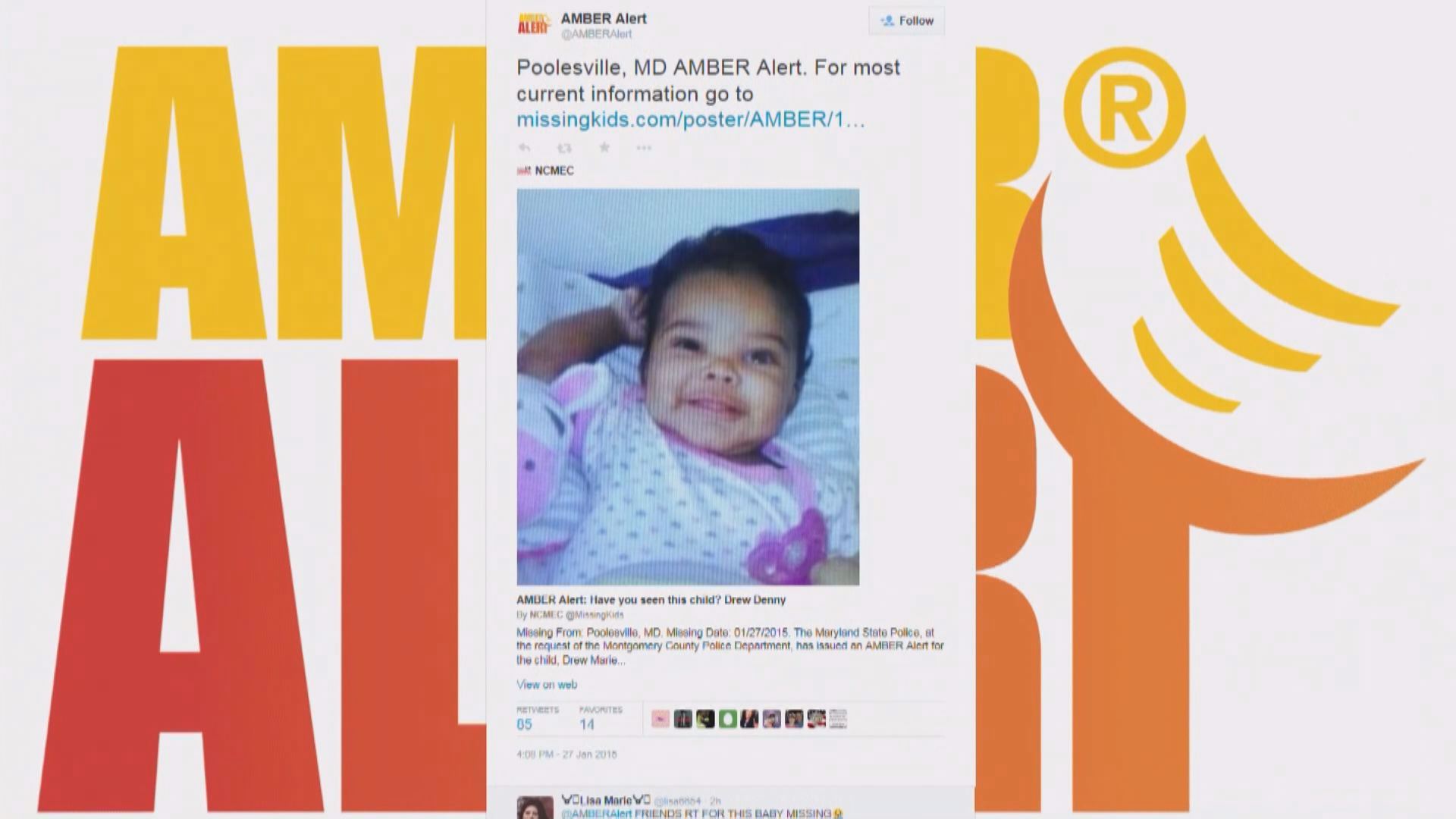
The National Center for Missing & Exploited Children (NCMEC) acts as a secondary support layer. Once the Brooklyn alert is live, NCMEC distributes the information to secondary distributors, such as internet service providers, search engines like Google, and social media platforms like Meta and X. This ensures that if a resident is scrolling through a feed, the alert appears prominently.
Immediate Actions for Brooklyn Residents
When an AMBER Alert is received in Brooklyn, the public acts as the "eyes and ears" for the NYPD. Given the borough's density, a suspect vehicle is rarely more than a few blocks away from a witness.
- Stop and Read: Take five seconds to read the description of the child, suspect, and vehicle. Do not ignore the alert simply because you are in a crowded area.
- Observe Your Surroundings: Look at the cars parked on your street or the individuals on the subway platform. In Brooklyn, suspects often try to blend into the heavy foot traffic of commercial corridors like Fulton Street or 86th Street.
- Do Not Intervene Directly: If you spot the suspect or vehicle, do not attempt a "citizen's arrest." This can put the child in greater danger.
- Call 911 Immediately: Provide your exact location, the direction of travel for the suspect, and any identifying details like a partial license plate or a specific dent on a car.
- Share Responsibly: If you see the alert on social media, share it, but only from official NYPD or NYSP accounts. Sharing outdated or "fake" alerts can hinder current investigations.
Challenges in the Brooklyn Urban Environment
Responding to an abduction in Brooklyn presents unique challenges that are not found in suburban or rural areas. The sheer volume of people and the complexity of the transit system require a nuanced approach.
Density and Signal Congestion
In 2026, while 5G and 6G networks have improved connectivity, the density of Brooklyn can still lead to slight delays in WEA delivery in high-rise areas or deep subway stations. The NYPD mitigates this by using the "LinkNYC" kiosks found on sidewalks to display alert information prominently.
The Transit Web
Brooklyn is a hub for the MTA subway system. A suspect can move from a car to a train within minutes. The NYPD's Transit Bureau is integrated into the AMBER Alert response, meaning station booths and digital displays inside subway cars are updated as quickly as mobile phones.
The Multi-State Exit
Brooklyn’s proximity to New Jersey via the Verrazzano or the Holland/Lincoln Tunnels (via Manhattan) means an abductor can leave the state within 20 to 30 minutes. This necessitates an immediate "Interstate Response" where the NYSP contacts the Port Authority Police and New Jersey State Police within the first 60 seconds of the alert's approval.
The Evaluation Phase: Why Alerts Are Cancelled or Not Issued
Not every child abduction leads to an AMBER Alert. Understanding the "Response Evaluation" is vital for public trust.
If an abducted child in Brooklyn is found, or if the investigation determines the child was not in imminent danger (e.g., a non-custodial parent took the child but has no history of violence and is cooperating), the alert is cancelled.
Residents often ask why an alert wasn't issued for a missing teenager. Often, these cases are classified as "Runaways" or "Missing Persons" rather than "Abductions." While the NYPD still investigates these cases with high priority, they do not meet the legal threshold for the AMBER Alert system's use of public broadcast channels. Using the system for non-critical cases would lead to residents disabling the alerts on their phones, which would be catastrophic for future high-risk cases.
Comparing Emergency Alert Types in New York (2026)
It is important for residents to distinguish between the various alerts they might receive on their devices.
| Alert Type | Subject | Issuing Agency | Primary Goal |
|---|---|---|---|
| AMBER Alert | Abducted Child (Under 18) | NY State Police / NYPD | Immediate recovery from imminent danger. |
| Silver Alert | Vulnerable Adult (Seniors/Cognitive) | NYPD | Locate missing persons who may be disoriented. |
| Blue Alert | Threat to Law Enforcement | NY State Police | Apprehend suspects who have killed or injured police. |
| Purple Alert | Vulnerable Adult (Domestic/Abuse) | NY State Police | Assist adults at risk of harm but not covered by Silver. |
| Wireless Emergency Alert (WEA) | Weather/Public Safety | NWS / NYCEM | Move to safety during storms or civil emergencies. |
Success Rates and Community Impact
The Brooklyn response has a historically high success rate when the public is engaged. Statistics from the National Center for Missing & Exploited Children suggest that most children are recovered within the first 24 hours when an AMBER Alert is issued. In a dense environment like Kings County, the "pressure" of millions of people looking for a single car or individual often forces the abductor to abandon their plans or surrender.
However, the psychological impact on the community is significant. The sudden, loud notification can cause anxiety, but experts suggest reframing the alert as a "digital neighborhood watch." By participating in the Brooklyn response, residents are directly contributing to the safety of the borough's most vulnerable citizens.
FAQs About Brooklyn AMBER Alerts
Can I opt-out of AMBER Alerts in Brooklyn?
While most mobile devices allow you to disable emergency alerts in settings, it is strongly discouraged by the Federal Communications Commission (FCC). In a city like Brooklyn, you may be the only witness to a crime. Keeping these alerts active is a vital part of community safety.
How do I know if an alert is legitimate?
A legitimate AMBER Alert will always trigger the standard emergency tone on your phone and will be verifiable on the New York State Police AMBER Alert website or the official @NYPDnews X (formerly Twitter) account. Never trust screenshots of alerts sent via private messaging apps without verifying them through these official channels.
What if I see the vehicle but the license plate is different?
Suspects often switch plates or use "temporary" tags. If the make, model, and color of the car match the description in the Brooklyn alert, call 911. Let the police handle the verification. It is better to report a suspicious vehicle that turns out to be unrelated than to let a suspect pass by.
Are AMBER Alerts issued for parental custody disputes?
Only if the child is believed to be in imminent danger of serious bodily harm. Most "custodial interference" cases are handled through family court and standard police investigations. An AMBER Alert is reserved for cases where the risk to the child's life is immediate and severe.
Does the alert go to people on the subway?
Yes, as long as the phone has a cellular or Wi-Fi connection. Additionally, the MTA has integrated AMBER Alert notifications into the digital screens on platforms and inside newer "R211" subway cars, ensuring that even those underground are informed of the "Brooklyn response."
Practical Recommendation: Staying Prepared
The best way to participate in an AMBER Alert response is to be informed before the alert happens. Ensure your mobile device’s emergency settings are enabled and familiarize yourself with your local NYPD precinct. If you are a parent, keep updated, high-resolution photos of your children and a record of their height and weight.
When the next alert sounds in Brooklyn, remember: your quick observation could be the turning point in a child's safe return. Stay calm, read the details, and watch the streets.