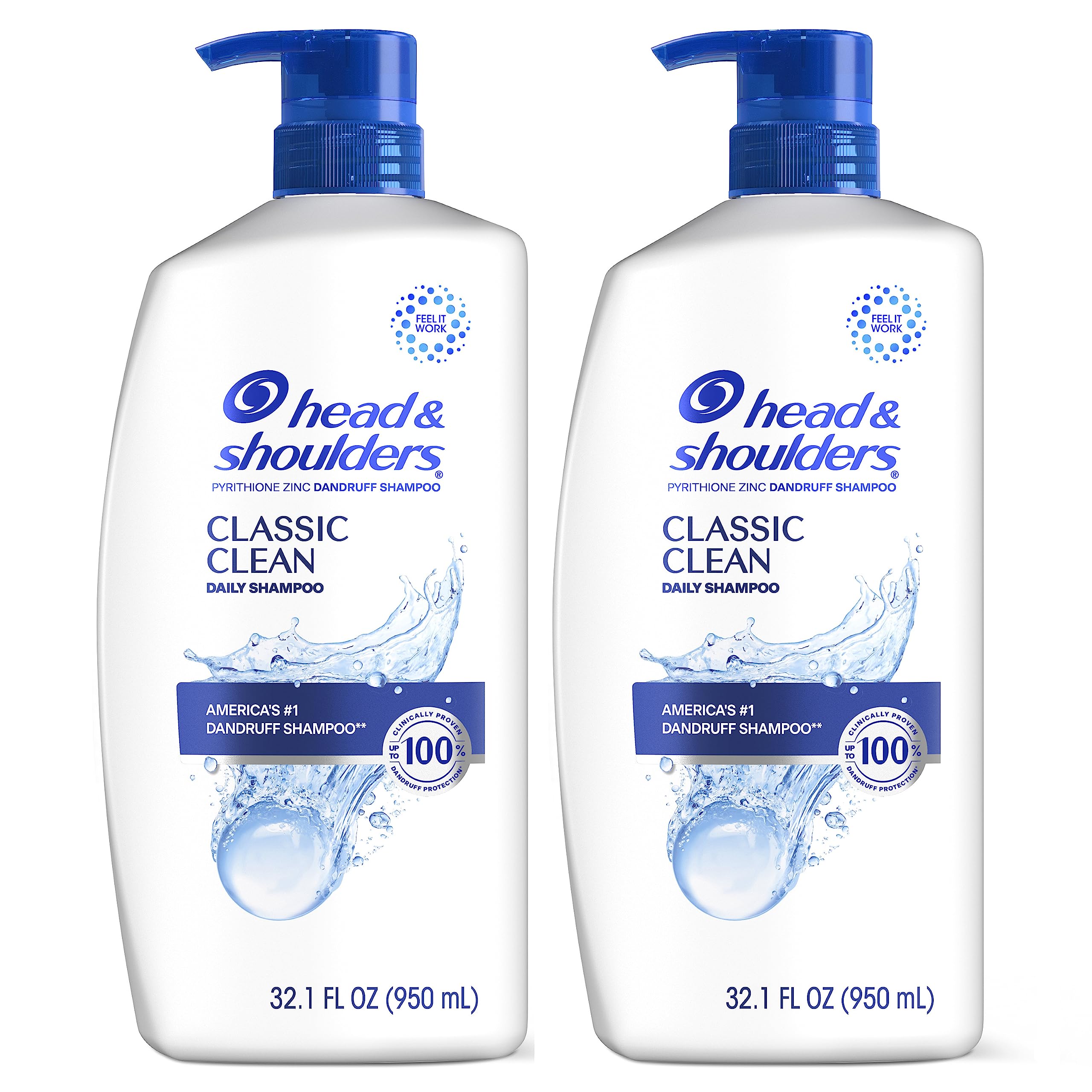
If you are looking for alternatives to Head and Shoulders, the most effective options include medicated shampoos containing ketoconazole (like Nizoral), selenium sulfide (like Selsun Blue), or salicylic acid (like Neutrogena T/Sal). For those seeking natural or sulfate-free formulas, products utilizing tea tree oil, piroctone olamine, or apple cider vinegar provide effective relief without harsh detergents.
Understanding the Need for Head and Shoulders Alternatives
For decades, Head and Shoulders has been the most recognized name in dandruff control. Its primary success stems from the use of zinc pyrithione, an antifungal and antibacterial agent that targets Malassezia globosa, the fungus-like yeast responsible for most dandruff and seborrheic dermatitis. However, as we move through 2026, many consumers are seeking alternatives for several specific reasons.
The first is scalp sensitivity. Traditional Head and Shoulders formulas often rely on Sodium Lauryl Sulfate (SLS) or Sodium Laureth Sulfate (SLES) as primary surfactants. While these provide a rich lather and deep clean, they can be excessively drying for individuals with sensitive skin, leading to a "rebound effect" where the scalp produces more oil to compensate for the stripping of natural sebum.
The second reason involves efficacy plateaus. Many users report that after years of successful use, zinc pyrithione seems to lose its effectiveness—a phenomenon sometimes colloquially called "dandruff resistance," though it is more likely related to shifts in the scalp’s microbiome or localized inflammation that requires a different active ingredient to resolve.
Finally, the rise of specialized hair care—such as the "curly girl method," color-preservation needs, and the demand for "clean beauty" (sulfate-free, paraben-free, and cruelty-free)—has pushed many to look for sophisticated alternatives that treat the scalp without compromising the health of the hair shaft.
Medicated Pharmaceutical Alternatives
When dandruff is persistent or classified as seborrheic dermatitis, over-the-counter (OTC) pharmaceutical alternatives are often the most logical next step. These products use different chemical pathways than zinc pyrithione to control yeast overgrowth and inflammation.
Ketoconazole Shampoos (Nizoral)
Ketoconazole is widely considered the "gold standard" for stubborn dandruff. Unlike zinc pyrithione, which is bacteriostatic and fungistatic (meaning it inhibits growth), ketoconazole is a potent antifungal that disrupts the fungal cell membrane.
In 2026, Nizoral remains the leading OTC brand for 1% ketoconazole. It is particularly effective because it binds to the natural protein of the hair, allowing it to continue working even after the shampoo is rinsed away. It is often recommended for those who have failed to see results with Head and Shoulders or who suffer from thinning hair, as some studies suggest ketoconazole may help inhibit DHT (dihydrotestosterone) on the scalp.
Selenium Sulfide (Selsun Blue and Clinical Strength Brands)
If your scalp produces heavy, oily flakes rather than fine dry dust, selenium sulfide is a powerful alternative. It works by slowing down the rate at which your skin cells die and slough off, while also reducing the population of Malassezia.
Users should be aware that selenium sulfide is more potent than zinc pyrithione. It can occasionally discolor blonde, gray, or chemically treated hair if not rinsed thoroughly. However, for severe itching and thick scaling, it is often more effective than standard drugstore formulas. Brand-name versions like Selsun Blue or the "Clinical Strength" lines from various manufacturers are the primary options here.
Coal Tar (DHS Tar and MG217)
Coal tar has been used for over a century to treat scalp psoriasis and seborrheic dermatitis. It works by causing the skin to shed dead cells from its top layer and slowing down the growth of new skin cells. This reduces scaling and dryness.
While highly effective, coal tar has a distinct "industrial" scent and can make the scalp more sensitive to sunlight (photosensitivity). In 2026, coal tar shampoos are less common than they were in the early 2000s due to the rise of more cosmetically elegant synthetics, but for those with inflammatory scaling, brands like DHS Tar remain a reliable staple.
Exfoliating and Keratolytic Alternatives
Sometimes the issue isn't a fungus, but rather a buildup of dead skin cells and styling products. This is where keratolytic agents—ingredients that soften and shed the outer layer of the skin—become superior to traditional antifungal shampoos.
Salicylic Acid (Neutrogena T/Sal)
Salicylic acid is a Beta Hydroxy Acid (BHA) commonly used in acne treatments. On the scalp, it acts as a chemical exfoliant that breaks down the "glue" holding dead skin cells together. This is the best choice for people who have "crusty" buildup or scalp psoriasis.
The primary benefit of a salicylic acid shampoo, such as Neutrogena T/Sal, is that it is typically fragrance-free and dye-free, making it much gentler for those with allergy-prone skin. It clears the scales so that other medicated treatments (if needed) can penetrate the scalp more effectively.
Lactic Acid and AHA Scalp Scrubs
In recent years, the "skinification of hair" trend has introduced Alpha Hydroxy Acids (AHAs) like lactic acid and glycolic acid to scalp care. Brands like The Ordinary and Inkey List offer scalp treatments that act as alternatives to daily dandruff shampoos. These are used once or twice a week to maintain a clear scalp environment without the need for constant antifungal intervention.
Natural and Botanical Alternatives
For those moving away from Head and Shoulders to avoid synthetic chemicals or sulfates, several botanical ingredients offer scientifically backed antifungal properties.
Tea Tree Oil Shampoos
Tea tree oil (Melaleuca alternifolia) contains a compound called terpinen-4-ol, which possesses strong antimicrobial and antifungal properties. A 5% concentration of tea tree oil has been shown in clinical trials to significantly improve dandruff symptoms.
Brands like Paul Mitchell Tea Tree or Briogeo Scalp Revival use tea tree oil combined with charcoal or peppermint to soothe the scalp. These are excellent alternatives for users who prefer a "tingle" and a natural fragrance over the medicinal scent of zinc-based shampoos.
Piroctone Olamine
Often found in European formulations and high-end "clean" brands (like Jupiter or Philip Kingsley), Piroctone Olamine is a modern alternative to zinc pyrithione. It is considered less toxic and gentler on the skin's barrier while being equally effective at controlling the yeast that causes dandruff. It is often the preferred choice for people with color-treated hair, as it is less likely to cause stripping or fading.
Apple Cider Vinegar (ACV) Rinses
ACV works by balancing the pH of the scalp. The scalp is naturally acidic (around pH 5.5), and many shampoos are too alkaline, which can promote fungal growth. An ACV rinse (diluted) or a dedicated ACV shampoo (like those from dpHUE) can flatten the hair cuticle and create an environment where Malassezia cannot thrive.
High-End and Dermatological Comparison
For those willing to invest more in their hair care routine, the professional market offers "cosmetically elegant" alternatives. These products prioritize the texture and manageability of the hair while treating the scalp.
| Active Ingredient | Brand Example | Primary Goal | Hair Type Suitability |
|---|---|---|---|
| Ketoconazole (1%) | Nizoral | Antifungal / Anti-androgen | All hair types; stubborn dandruff |
| Selenium Sulfide | Selsun Blue / Vichy | Slowing skin cell turnover | Oily scalps; severe flaking |
| Zinc Pyrithione | Vanicream Free & Clear | Gentle medicated cleansing | Sensitive skin; allergy-prone |
| Piroctone Olamine | Philip Kingsley / Jupiter | Modern antifungal / Gentler | Color-treated or fine hair |
| Salicylic Acid | Neutrogena T/Sal / Oribe | Chemical exfoliation | Psoriasis; heavy buildup |
| Tea Tree Oil | Briogeo / Paul Mitchell | Natural antimicrobial | Dry scalp; preference for botanicals |
Why the Switch Might Require a Transitional Period
When switching from Head and Shoulders to a different active ingredient, your scalp may go through a "purging" or adjustment phase. Because Head and Shoulders relies heavily on sulfates to clear away oil, moving to a sulfate-free alternative (like many natural or high-end options) might initially make your hair feel oilier.
It is recommended to use the new alternative consistently for at least four weeks. The skin cell turnover cycle is approximately 28 days; therefore, you cannot accurately judge the success of a new dandruff treatment until you have completed a full cycle.
Furthermore, if you are moving from a 1% zinc pyrithione formula to a 1% ketoconazole formula, you may find you only need to wash twice a week with the medicated shampoo, using a gentle, moisturizing shampoo on the other days. This "cycling" method prevents the hair from becoming brittle—a common complaint with long-term Head and Shoulders use.
Technical Considerations: Sulfates and the Scalp Barrier
The primary technical critique of Head and Shoulders in the dermatological community often centers on its surfactant system. According to the American Academy of Dermatology (AAD), maintaining the skin barrier is crucial for preventing chronic irritation. Sulfates are highly effective surfactants, but they can disrupt the lipid barrier of the scalp.
When the barrier is disrupted, "micro-cracks" form in the skin, allowing moisture to escape and irritants (like fungal byproducts) to enter. This creates a cycle of inflammation. Alternatives that use Decyl Glucoside or Sodium Cocoyl Isethionate as cleansers provide a "low-poo" experience that preserves the scalp’s integrity while the active ingredients (like Piroctone Olamine) handle the fungal issues.
Addressing Seborrheic Dermatitis vs. Simple Dry Scalp
Before choosing an alternative, it is vital to distinguish between dandruff (seborrheic dermatitis) and a simple dry scalp.
- Dandruff: Large, oily, yellow or white flakes, usually accompanied by an oily scalp. Requires an antifungal or keratolytic.
- Dry Scalp: Tiny, dry, white flakes, usually accompanied by dry skin on other parts of the body. Requires moisture and gentle oils (like jojoba or coconut oil).
If you use Head and Shoulders on a truly dry scalp, the high sulfate content will likely make the flaking worse. In this case, the best "alternative" isn't a medicated shampoo at all, but a moisturizing scalp mask or a hyaluronic acid-based scalp serum.
Frequently Asked Questions
Which alternative is best for color-treated hair?
Piroctone olamine or tea tree oil-based shampoos are generally the safest for color-treated hair. Ketoconazole is also relatively safe, but selenium sulfide and coal tar should be used with caution as they can cause fading or slight discoloration of lighter hair tones.
Can I use these alternatives every day?
Most medicated alternatives, specifically Nizoral or Selsun Blue, are designed to be used 2–3 times per week. Using them daily may lead to excessive dryness. On off-days, use a pH-balanced, sulfate-free moisturizing shampoo.
Are there any natural alternatives that actually work?
Tea tree oil and oil of oregano have the strongest clinical evidence among natural extracts for antifungal properties. Apple cider vinegar is effective for pH balancing but may not be strong enough to treat moderate-to-severe seborrheic dermatitis on its own.
Is zinc pyrithione being banned?
In 2022, the European Union banned zinc pyrithione in cosmetic products due to its classification as a Category 1B reproductive toxicant. While it remains legal and widely used in the United States and other regions as of 2026, many global brands are preemptively switching to piroctone olamine or other alternatives to maintain a single global formulation.
What should I do if none of these alternatives work?
If OTC alternatives like ketoconazole or salicylic acid fail to provide relief after a month of consistent use, you may have a condition that mimics dandruff, such as scalp psoriasis or discoid lupus. In such cases, consulting a board-certified dermatologist for a prescription-strength corticosteroid or calcineurin inhibitor is the necessary next step.
Final Recommendation
If you are transitioning away from Head and Shoulders, the most effective "all-around" pharmaceutical upgrade is Nizoral (Ketoconazole 1%). It addresses the root cause of dandruff more aggressively than zinc pyrithione.
However, if your goal is to find a gentler, more sustainable routine that preserves hair quality, look for a sulfate-free formula containing Piroctone Olamine. This provides the necessary antifungal protection while respecting the scalp's natural moisture barrier and the hair's structural integrity. Always remember to leave medicated shampoos on the scalp for 3–5 minutes before rinsing to ensure the active ingredients have adequate contact time to work.
Professional Advice Limitation: This information is for educational purposes and does not substitute for professional medical advice, diagnosis, or treatment. Always seek the advice of a physician or other qualified health provider with any questions regarding a medical condition.