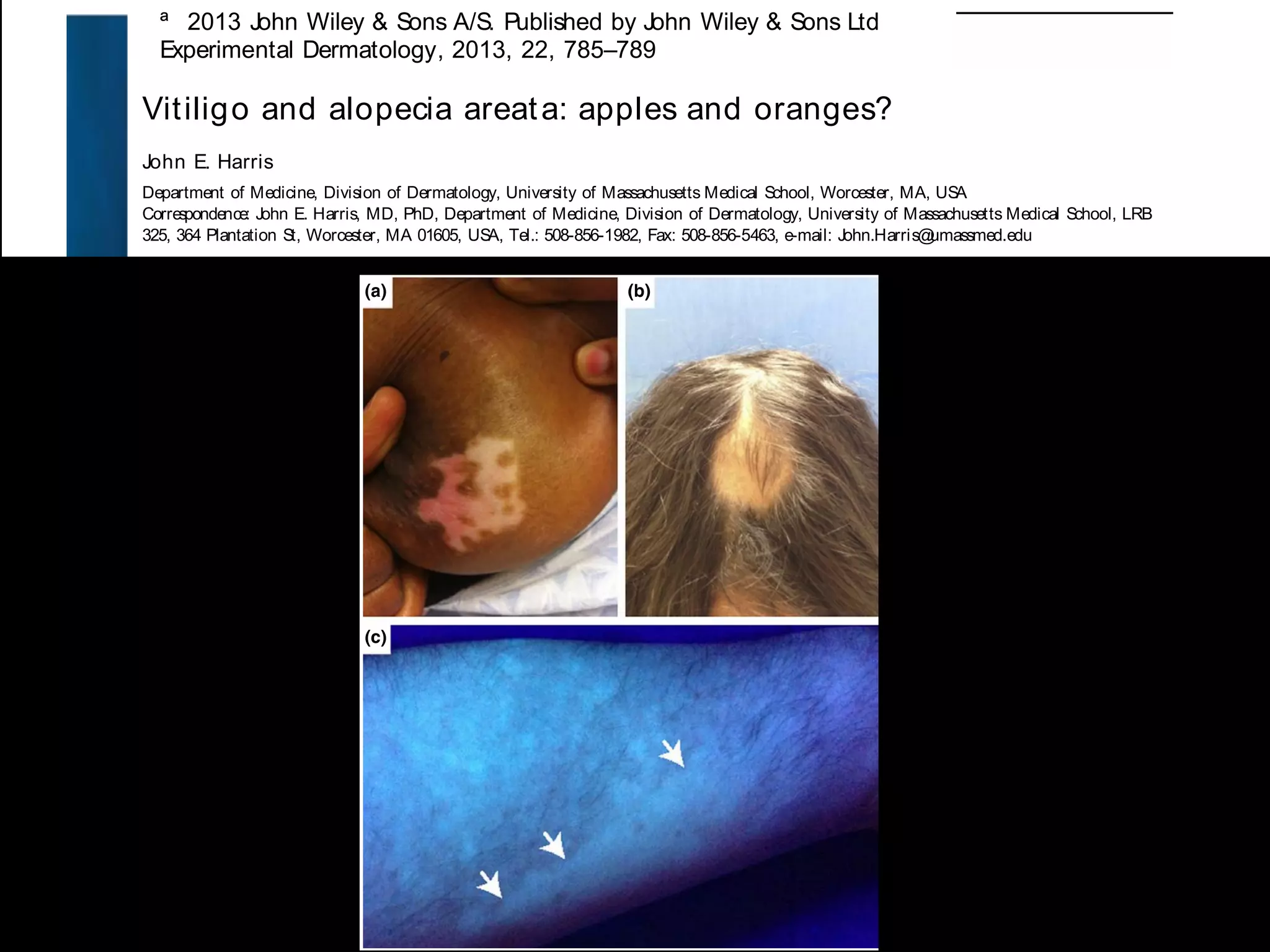
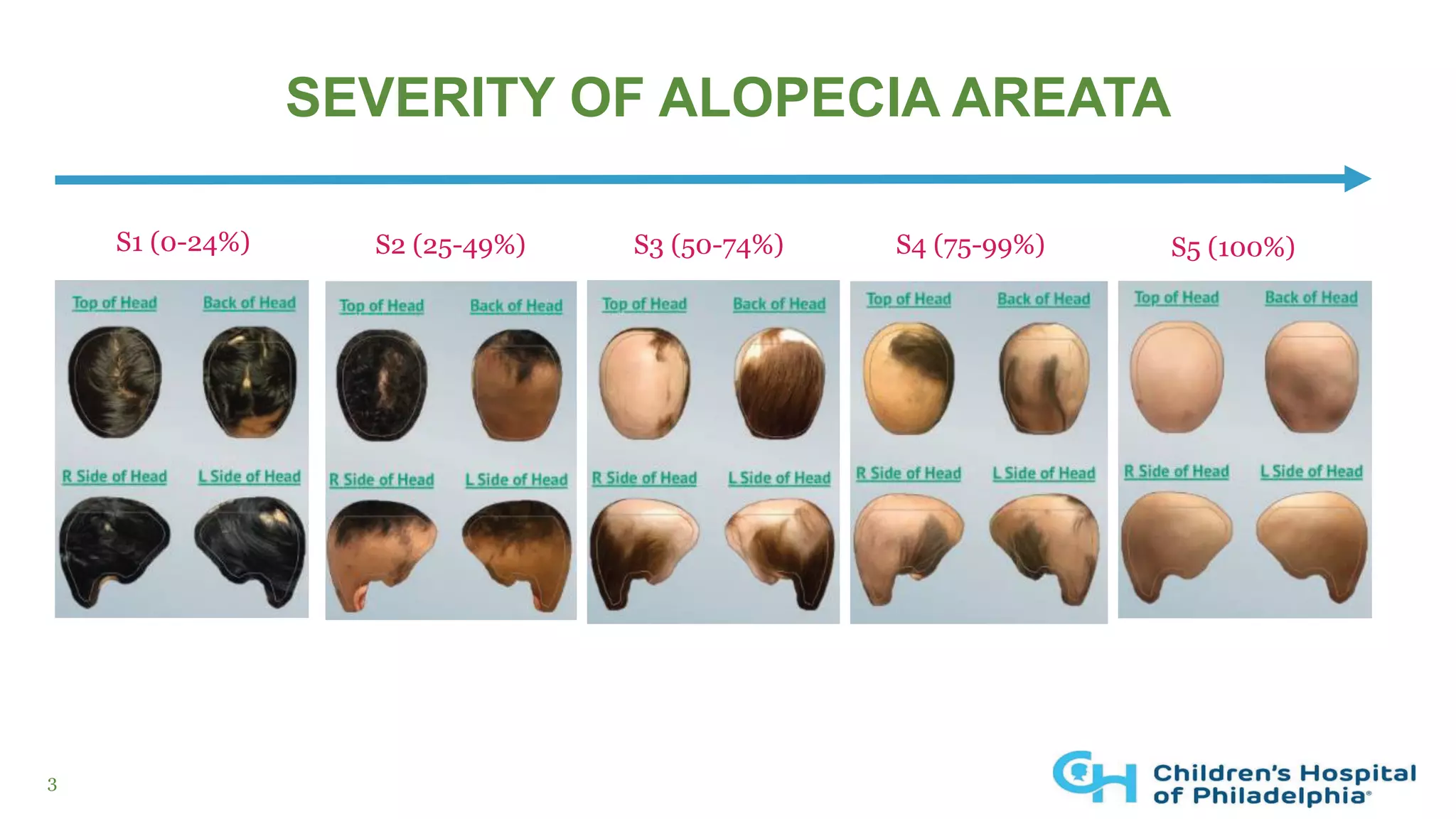
Alopecia areata is an autoimmune condition characterized by non-scarring hair loss, most commonly appearing as distinct, round patches on the scalp. While it can manifest at any time, the age of onset is typically during childhood or young adulthood, with approximately 80% of affected individuals experiencing their first episode before the age of 40.
Alopecia areata (AA) is a complex polygenic disease where the body’s immune system mistakenly attacks its own hair follicles. This results in the interruption of the hair growth cycle, leading to hair falling out, usually in small, coin-sized patches. For some, the condition remains limited to these patches, but for others, it can progress to total scalp hair loss (alopecia totalis) or even total body hair loss (alopecia universalis). As of 2026, our understanding of the genetic and environmental triggers for this condition has expanded significantly, leading to more targeted and effective therapeutic interventions.
Understanding the Age of Onset
The timing of the initial presentation of alopecia areata is a critical factor in determining the potential long-term course of the disease. Although AA does not discriminate by age, gender, or ethnicity, statistical patterns have emerged over decades of clinical observation.
Pediatric and Adolescent Onset
A significant portion of alopecia areata cases—roughly 20%—begin in childhood, often before the age of 16. When the condition appears in very young children, it is frequently associated with a higher risk of progressing to more extensive forms of hair loss, such as alopecia universalis. Pediatric onset often carries a heavier psychological burden, as children may face social challenges and bullying during formative years. In these cases, clinicians emphasize early intervention not just for hair regrowth, but for emotional support and family counseling.
The Peak Years: Young Adulthood
The most common age of onset for alopecia areata is between the ages of 15 and 29. During this window, the immune system is highly active, and hormonal shifts may play a role in triggering the autoimmune response in genetically predisposed individuals. For many young adults, the sudden appearance of bald patches occurs alongside other life stressors, such as starting university or entering the workforce. Research as of 2026 suggests that the prognosis for individuals who develop AA in their 20s is generally more favorable regarding spontaneous regrowth compared to those who develop it in early childhood.
Late-Onset Alopecia Areata
While less common, alopecia areata can develop in individuals over the age of 50. Late-onset AA is often distinct in its clinical behavior. It is frequently associated with a lower risk of progression to totalis or universalis and may be linked to other age-related changes in the immune system or the presence of comorbid autoimmune conditions, such as thyroiditis or vitiligo. Diagnosis in older adults requires careful differentiation from other forms of hair loss, such as androgenetic alopecia or telogen effluvium, which are more prevalent in this demographic.
Key Facts and Epidemiology
To understand the scope of alopecia areata, one must look at its prevalence and the biological mechanisms that drive it. It is estimated that approximately 2% of the global population will experience some form of alopecia areata during their lifetime.
- Prevalence: In the United States alone, millions of individuals are living with the condition. It is one of the most common autoimmune diseases encountered by dermatologists.
- Gender Distribution: AA affects men and women almost equally. However, some studies suggest that men may experience more severe forms of the condition, while women may be more likely to seek medical intervention earlier.
- Genetic Predisposition: Approximately 10% to 20% of people with AA have a family member with the condition. Genomic studies have identified specific risk loci, particularly within the Human Leukocyte Antigen (HLA) region, which is responsible for regulating the immune system.
- Autoimmune Associations: Individuals with alopecia areata are at a higher risk of developing other autoimmune disorders. Common comorbidities include atopic dermatitis (eczema), asthma, hay fever, and autoimmune thyroid disease.
Pathophysiology: The "Swarm of Bees"
The underlying cause of alopecia areata is the collapse of "immune privilege" in the hair follicle. Under normal circumstances, hair follicles are shielded from the immune system. In AA, this shield breaks down, allowing T-cells (specifically CD8+ T-cells) to infiltrate the follicle.
When viewed under a microscope, the base of the hair follicle in an active AA patch is surrounded by dense clusters of lymphocytes. This phenomenon is famously described by pathologists as a "swarm of bees." These immune cells release inflammatory cytokines, such as Interferon-gamma and Interleukin-15, which signal the hair follicle to stop growing and enter the telogen (resting) phase prematurely. Crucially, the follicle is not destroyed; it remains alive but dormant, which is why hair regrowth is always theoretically possible, even after years of baldness.
Clinical Presentations and Types
Alopecia areata is not a monolithic condition. It manifests in several distinct patterns, each with its own clinical implications.
| Type of Alopecia Areata | Description | Extent of Hair Loss | Regrowth Probability |
|---|---|---|---|
| Patchy Alopecia Areata | The most common form; characterized by one or more coin-sized bald spots. | Scalp, beard, or limbs. | High (often spontaneous) |
| Alopecia Totalis | Complete loss of all hair on the scalp. | Entire scalp. | Moderate to Low |
| Alopecia Universalis | The most severe form; loss of all hair on the scalp and body. | Entire body (including eyebrows/lashes). | Low without systemic treatment |
| Ophiasis Pattern | Hair loss following a wave-like pattern at the perimeter of the scalp. | Sides and back of the head. | Often resistant to treatment |
| Alopecia Areata Incognita | Diffuse thinning across the scalp rather than distinct patches. | General scalp thinning. | Good with proper diagnosis |
Diagnostic Indicators
Dermatologists often look for specific clinical signs to confirm AA. One hallmark is the presence of "exclamation point hairs." These are short, broken hairs that are narrower at the base than at the tip, found at the edges of expanding patches. Their presence indicates that the disease is currently active and the patch may continue to grow. Another indicator is nail pitting, where tiny dents or ridges appear on the fingernails, occurring in about 10% to 30% of patients.
Treatment Landscape in 2026
The treatment of alopecia areata has undergone a revolution in the 2020s. For decades, treatment was limited to broad immunosuppressants or local irritants. As of 2026, the focus has shifted toward precision medicine.
JAK Inhibitors: The Modern Standard
Janus Kinase (JAK) inhibitors have become the cornerstone of therapy for moderate to severe alopecia areata. Drugs such as Baricitinib and Ritlecitinib work by blocking the intracellular signaling pathways that allow inflammatory cytokines to attack the hair follicle.
- Baricitinib: The first FDA-approved systemic treatment for severe AA, typically used in adults.
- Ritlecitinib: Approved for use in both adults and adolescents (12+), offering a vital option for younger patients who previously had limited systemic choices. These medications have shown remarkable results, with many patients achieving 80% or more scalp hair coverage within a year of treatment. However, they require ongoing monitoring for potential side effects, such as infections or changes in blood counts.
Traditional and Local Therapies
For milder cases or those who prefer non-systemic options, several traditional treatments remain effective:
- Intralesional Corticosteroids: Injections of triamcinolone directly into the bald patches are the first-line treatment for patchy AA. These reduce local inflammation and often stimulate regrowth within 4 to 8 weeks.
- Topical Immunotherapy: For extensive loss, chemicals like Diphencyprone (DPCP) are applied to the scalp to create a controlled allergic reaction. This "distracts" the immune system away from the hair follicles.
- Minoxidil: While not a primary treatment for the autoimmune cause, topical minoxidil can help stimulate follicles once the inflammation is under control.
The Psychosocial Impact of Hair Loss
The impact of alopecia areata extends far beyond physical appearance. Hair is often tied to identity, self-esteem, and social perception. Sudden hair loss can lead to profound psychological distress, including anxiety, depression, and social withdrawal.
In 2026, the medical community increasingly recognizes the need for a holistic approach to AA management. This includes:
- Dermatopsychology: A growing field that addresses the intersection of skin/hair health and mental health.
- Support Groups: Organizations like the National Alopecia Areata Foundation (NAAF) provide resources and community for patients to share experiences and coping strategies.
- Cosmetic Solutions: Advancements in high-quality hair systems (wigs), micro-pigmentation (scalp tattooing), and eyebrow embroidery have provided patients with immediate ways to regain their confidence while awaiting medical regrowth.
Frequently Asked Questions
Can stress cause alopecia areata to start?
While stress is frequently cited by patients as a trigger, the relationship is complex. Medical consensus suggests that while extreme emotional or physical stress may act as a catalyst in someone already genetically predisposed to the condition, it is not the primary cause. Rather, stress may exacerbate the immune system's dysfunction.
Is alopecia areata permanent?
In most cases, the hair follicles remain viable, meaning the hair loss is not necessarily permanent. Many people with patchy AA experience full spontaneous regrowth within a year. However, the condition is unpredictable; hair may grow back in one area only to fall out in another, and for those with alopecia universalis, regrowth is less likely without medical intervention.
Does diet affect the progression of AA?
There is no specific "alopecia diet" proven to cure the condition. However, maintaining a balanced diet rich in anti-inflammatory foods (like those found in the Mediterranean diet) and ensuring adequate levels of Vitamin D and Iron can support overall follicular health. Some studies have shown that Vitamin D deficiency is more prevalent in people with AA, though supplementation is not a guaranteed fix.
Can children take the same medications as adults?
Not all adult medications are suitable for children. As of 2026, ritlecitinib is one of the few systemic JAK inhibitors specifically approved for adolescents. Most pediatric cases are managed with topical steroids or "watchful waiting" to see if spontaneous regrowth occurs, as children's immune systems are still developing.
Is there a cure for alopecia areata in 2026?
Currently, there is no permanent cure that prevents the condition from ever returning. Treatments like JAK inhibitors are highly effective at inducing regrowth, but if the medication is stopped, the hair loss often recurs. Research is ongoing into "immune resetting" therapies that might offer more permanent solutions in the future.
Recommendations and Next Actions
If you or a loved one notices sudden patchy hair loss, the first step is to consult a board-certified dermatologist. Early diagnosis is key to ruling out other conditions and establishing an effective management plan.
- Document the Progression: Take photos of the affected areas every two weeks to track whether patches are expanding or if new growth (often fine, white "vellus" hair) is appearing.
- Blood Work: Ask your doctor to check for related conditions, particularly thyroid function and Vitamin D levels, as these can influence the severity of the condition.
- Explore Support: Do not underestimate the emotional toll. Engaging with support networks early can provide the tools needed to navigate the social and psychological aspects of the journey.
- Evaluate Treatment Goals: Decide whether your goal is total regrowth through systemic medication or if you prefer a conservative approach with local treatments and cosmetic options.
For more detailed information on clinical trials and the latest research, the National Institutes of Health (NIH) and the National Alopecia Areata Foundation (NAAF) remain the most authoritative sources for patient education and advocacy.