Fortnite is a comprehensive digital ecosystem developed by Epic Games that integrates battle royale combat, creative sandbox tools, and high-fidelity social experiences. In 2026, it functions as a multi-mode platform where players can engage in competitive shooting, survival crafting, rhythm games, and arcade racing across nearly all modern gaming hardware.
Since its explosive rise in 2017, Fortnite has evolved far beyond its origins as a tower-defense game. What started as "Save the World" transformed into a cultural milestone through its Battle Royale mode, eventually becoming a foundational pillar of the "metaverse" concept. For gamers entering the fray in 2026, the platform offers a diverse array of experiences powered by the Unreal Editor for Fortnite (UEFN), allowing for professional-grade user-generated content that rivals official releases. Whether you are a competitive tactician, a creative builder, or a casual player looking for social interaction, understanding the current state of Fortnite is essential for navigating its vast landscape.
The core Ecosystem: Understanding the Main Game Modes
As of 2026, Fortnite is divided into several primary pillars. While Battle Royale remains the most recognizable component, the integration of specialized sub-games has broadened the platform's appeal to various demographics.
Battle Royale and Zero Build
The classic 100-player Battle Royale remains the heartbeat of the platform. Players drop onto an evolving island, scavenge for weapons, and fight to be the last survivor as a lethal "Storm" shrinks the playable area.
A significant shift in the game's history was the permanent introduction of Zero Build. This mode removes the building mechanics entirely, focusing strictly on gunplay, movement, and environmental cover. This has attracted a massive audience of traditional shooter fans who prefer tactical positioning over the rapid-fire construction of "Build Mode."
LEGO Fortnite
Launched as a persistent survival-crafting adventure, LEGO Fortnite serves as a direct competitor to titles like Minecraft. Players explore procedurally generated worlds, gather resources, and build intricate villages. In 2026, this mode has expanded significantly with complex automation mechanics and deep integration with the LEGO Group’s digital catalogs, making it a primary draw for younger audiences and survival enthusiasts.
Fortnite Festival and Rocket Racing
Epic Games has successfully integrated specialized genres into the main client. Fortnite Festival, developed by the creators of Rock Band, is a rhythm-based experience where players perform licensed tracks from global superstars. Rocket Racing, utilizing the physics engine from Rocket League, offers high-speed arcade racing with wall-riding and flight mechanics. These modes share the same "Locker" system, meaning cosmetics earned in one mode often carry over or have equivalents in the others.
Technical Requirements and Platform Availability
To run Fortnite effectively in 2026, gamers must account for the increasing graphical fidelity provided by Unreal Engine 5. Features like Lumen (global illumination) and Nanite (virtualized geometry) have pushed the game's visual ceiling, though the "Performance Mode" remains available for those seeking maximum frame rates.
PC System Requirements (2026 Standards)
For a stable experience at 1080p resolution, the following specifications are generally recommended:
- Operating System: Windows 10/11 64-bit.
- Processor: Intel Core i5-12600K or AMD Ryzen 5 5600X.
- Memory: 16 GB RAM.
- Graphics: NVIDIA GeForce RTX 3060 or AMD Radeon RX 6600 XT.
- Storage: 100 GB SSD (NVMe preferred for fast texture streaming).
- DirectX: Version 12.
Console and Mobile Performance
Fortnite maintains parity across the PlayStation 5 and Xbox Series X/S, targeting a consistent 4K at 60 FPS, with a 120 FPS option available for compatible displays at lower resolutions. The Nintendo Switch remains a viable mobile option, though it operates at a lower graphical tier.
Mobile gaming has seen a resurgence through the Epic Games Store on Android and various cloud streaming services like Xbox Cloud Gaming and NVIDIA GeForce NOW, which bypass hardware limitations by streaming the game from high-end servers.
Mastering Gameplay Mechanics
Success in Fortnite requires more than just a quick trigger finger. The game rewards spatial awareness, resource management, and mastery of its unique movement systems.
Movement and Traversal
Modern Fortnite features a sophisticated movement suite known as "Tactical Movement." This includes:
- Sprinting: A limited-stamina burst of speed.
- Mantling: The ability to pull oneself up onto ledges and rooftops.
- Sliding: Maintaining momentum while going downhill or seeking low cover.
- Hurdling: Automatically clearing small obstacles while sprinting.
The Art of the "Loot Pool"
Every season, Epic Games rotates the "loot pool," introducing new weapons while "vaulting" others to keep the meta fresh. Weapons are categorized by rarity: Common (Grey), Uncommon (Green), Rare (Blue), Epic (Purple), Legendary (Orange), and Mythic (Gold). Understanding the current season's "Meta"—the most effective tactics available—is crucial. For instance, some seasons might favor long-range snipers, while others prioritize high-mobility items like Grapple Gloves or Shockwave Grenades.
Building Fundamentals (Build Mode Only)
For those playing the standard Battle Royale, building is the ultimate skill gap. Mastering the "90s" (rotating 90 degrees upward quickly), "tunneling" (building enclosed paths to stay safe), and "piece control" (claiming ownership of the structures around an opponent) are advanced techniques that define top-tier play.
| Feature | Battle Royale (Build) | Zero Build | LEGO Fortnite | Fortnite Festival |
|---|---|---|---|---|
| Primary Goal | Last player/team standing | Last player/team standing | Survival and Crafting | High-score rhythm play |
| Key Mechanic | Rapid construction | Environmental cover | Resource management | Timing and accuracy |
| Environment | The Island (Dynamic) | The Island (Dynamic) | Procedural Sandbox | Concert Stages |
| Pace | High (Aggressive) | Moderate (Tactical) | Relaxed (Creative) | Fast (Reflexive) |
| Team Sizes | Solo, Duo, Trio, Squad | Solo, Duo, Trio, Squad | Up to 8 players | Solo or 4-player band |
Economics: V-Bucks, Battle Passes, and the Item Shop
Fortnite operates on a Free-to-Play (F2P) model, generating revenue through cosmetic microtransactions. It is important to note that no purchase provides a competitive advantage; all items are purely aesthetic.
V-Bucks and the Battle Pass
The primary currency is V-Bucks. Players can purchase these with real money or earn small amounts through the seasonal Battle Pass. The Battle Pass typically costs 950 V-Bucks and allows players to unlock skins, emotes, and pickaxes by completing in-game challenges and earning Experience Points (XP). A completed Battle Pass usually awards enough V-Bucks to purchase the next season's pass for free.
Fortnite Crew
The "Fortnite Crew" is a monthly subscription service. For a fixed fee, subscribers receive the current Battle Pass, 1,000 V-Bucks monthly, and an exclusive "Crew Pack" containing a skin and accessories that never enter the regular Item Shop. For dedicated players, this often represents the best value for money.
The "Metaverse" of Skins
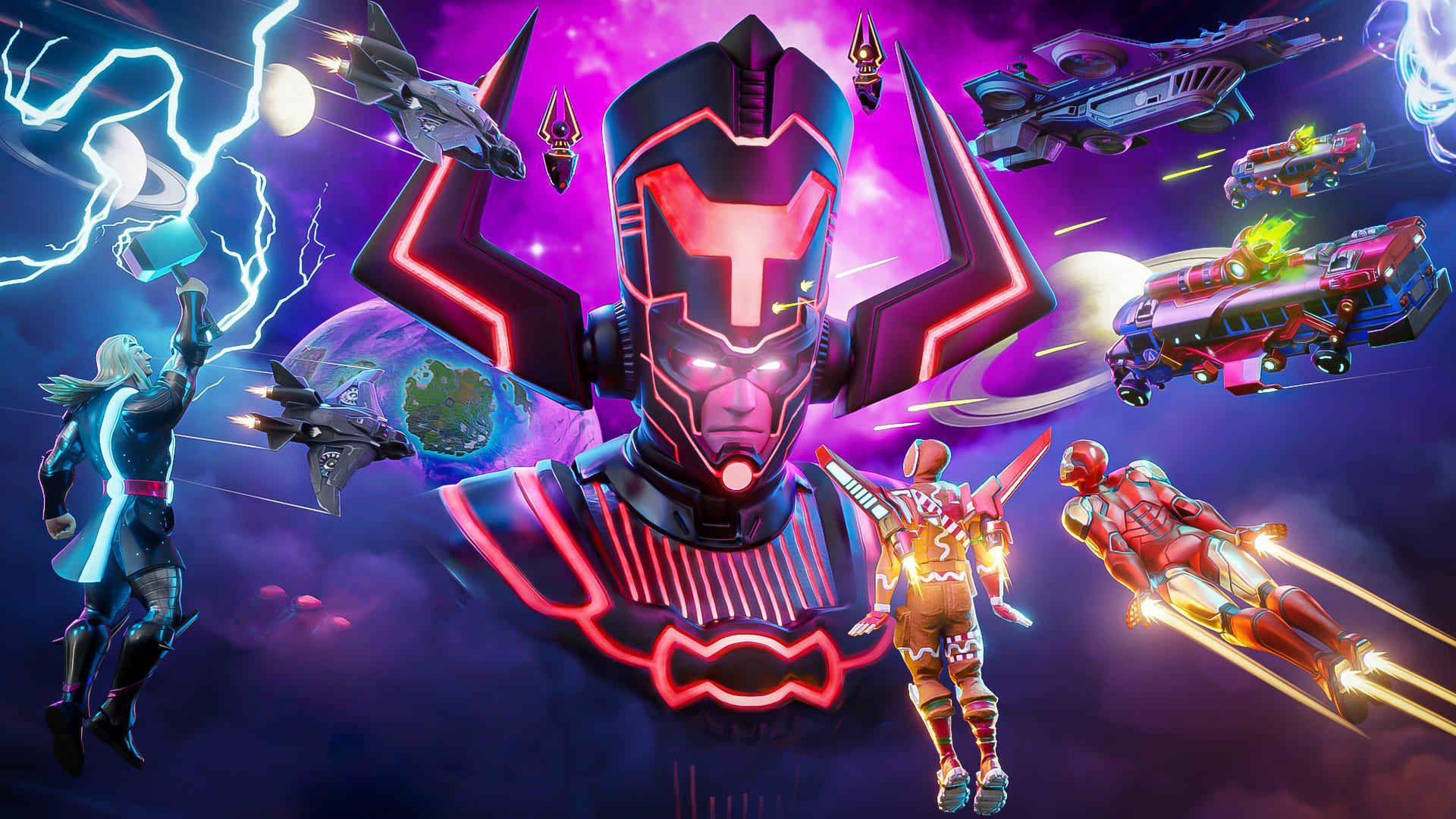
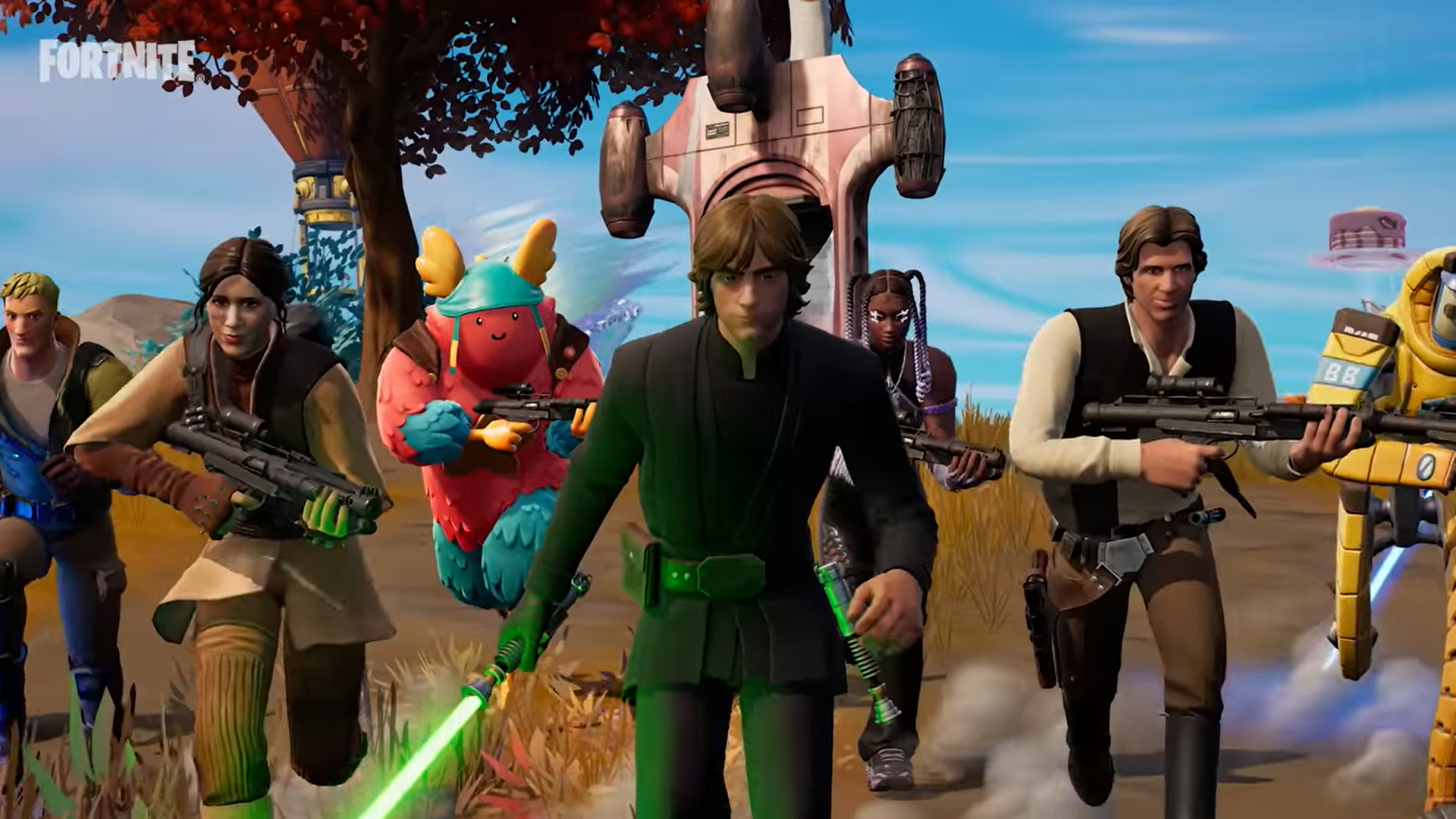
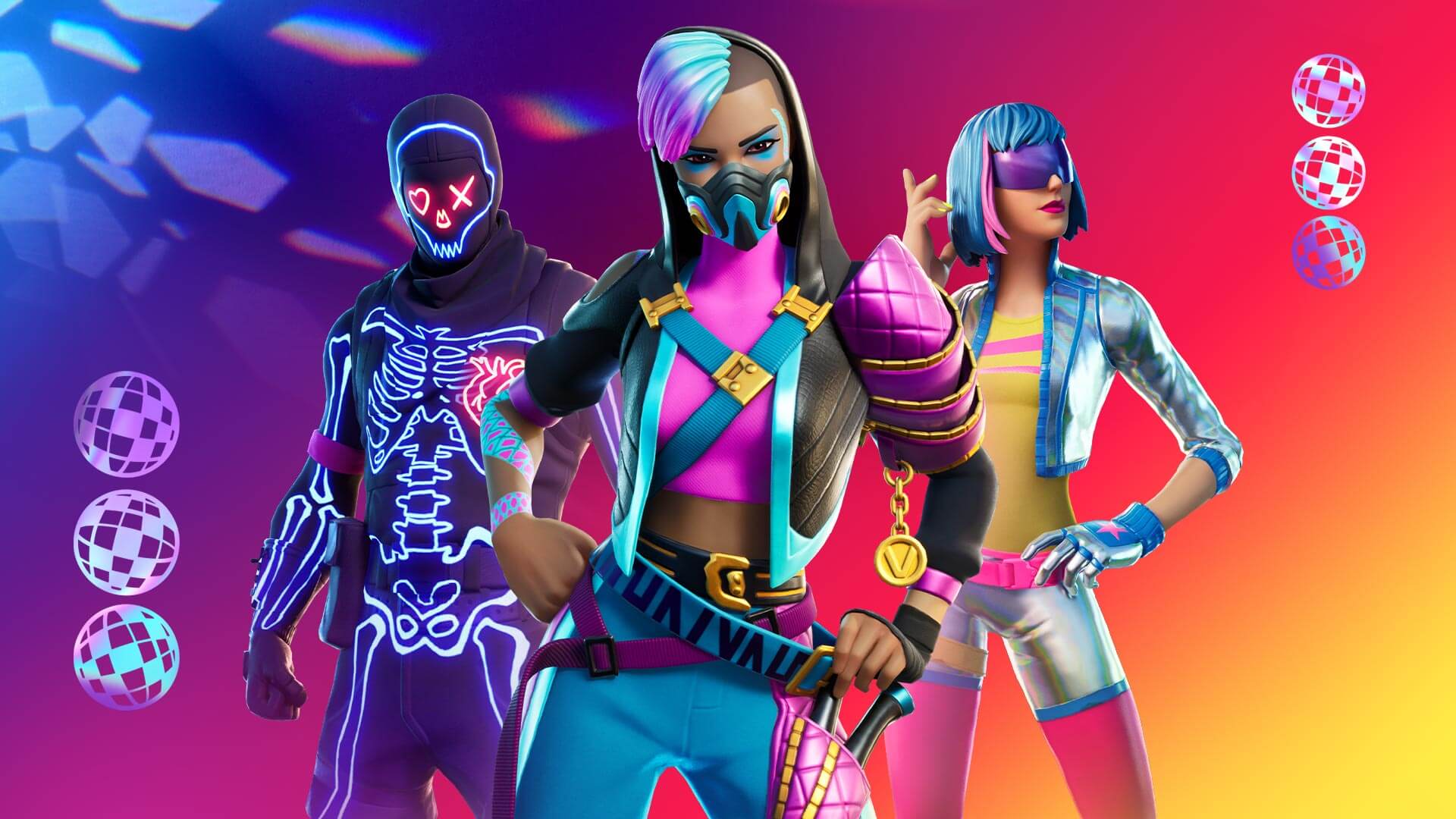
A major draw for many gamers is the sheer volume of collaborations. In 2026, Fortnite's library of "Icons" and "Crossovers" includes characters from the Marvel and DC universes, Star Wars, various anime (Naruto, Dragon Ball, Jujutsu Kaisen), and real-world celebrities. The digital identity aspect of Fortnite is a significant part of the user experience.
Competitive Play and the FNCS
For gamers looking for more than casual matches, Fortnite offers a robust competitive ladder. The Ranked system categorizes players from Bronze to Unreal, ensuring that users face opponents of similar skill levels.
The pinnacle of competition is the Fortnite Champion Series (FNCS). This multi-stage tournament offers millions of dollars in prize pools annually. Competitive Fortnite requires a deep understanding of "end-game" logic, where dozens of players occupy a small area, requiring intense building and editing skills to survive the final circles.
Optimization and Troubleshooting
Technical issues can occasionally disrupt the experience. Here are the most common solutions for gamers:
- Network Lag: Fortnite is highly sensitive to "packet loss." Always use a wired Ethernet connection when possible. If you experience high "ping," check that you are connected to the correct regional matchmaking server in the settings.
- Frame Drops: If your FPS is stuttering, ensure that "NVIDIA Reflex Low Latency" is enabled for GeForce users. Switching to the "Performance - Lower Graphical Fidelity" rendering mode can significantly stabilize frame rates on older hardware.
- DirectX Errors: Ensure your GPU drivers are updated via the manufacturer's official software (NVIDIA GeForce Experience or AMD Adrenalin). Unreal Engine 5 often requires the latest driver updates to handle shader compilation correctly.
- Account Security: With the high value of cosmetic collections, enabling Two-Factor Authentication (2FA) is mandatory for participating in competitive events and highly recommended for all users to prevent account theft.
Frequently Asked Questions
Can I play Fortnite on a Mac in 2026?
Native support for macOS remains limited due to historical legal disputes between Epic Games and Apple. However, Mac users can play the most current version of Fortnite using cloud-based services like GeForce NOW or Xbox Cloud Gaming. These services run the game on high-powered Windows servers and stream the video feed to your Mac.
Is Fortnite "Save the World" still available?
Yes, the original PvE (Player vs. Environment) mode is still accessible. It is often sold as part of a starter pack in the Item Shop. While it receives fewer updates than Battle Royale, it remains a deep, complex game involving base defense, hero collection, and weapon crafting, and it is a consistent source of Battle Pass XP.
How do I refund a skin I accidentally purchased?
Fortnite offers a "Cancel Purchase" option immediately after a transaction, provided you haven't started a match with the item. For older purchases, players are given a limited number of "Return Tickets" per year. You can access these in the "Account and Privacy" section of the settings menu.
Is Fortnite safe for younger gamers?
Fortnite is generally rated T for Teen (ESRB) or PEGI 12. It features "mild violence" but lacks gore or realistic blood. Epic Games has implemented robust parental controls, allowing parents to restrict voice chat, hide mature language, and set daily play-time limits.
How does the "Creative" mode work?
Creative mode (and UEFN) allows players to build their own games within the Fortnite engine. These range from "Deathruns" and "Zone Wars" to full-scale RPGs and horror experiences. Each map has a unique "Island Code" that players can enter to join the experience with friends.
Moving Forward: Next Actions for Gamers
To get started or improve your standing in Fortnite in 2026, focus on these three steps:
- Select Your Mode: Determine if you prefer the strategic building of classic Battle Royale or the pure gunplay of Zero Build. New players are encouraged to start in Zero Build to learn the map and weapon mechanics without the pressure of complex construction.
- Optimize Settings: Before jumping into a match, adjust your "Field of View" (if applicable) and "Sensitivity." Most professional players use a lower sensitivity for better aiming precision, coupled with a large mousepad.
- Engage with the Community: Follow official channels on platforms like X (formerly Twitter) or Discord to stay updated on live events. Fortnite's "live story" unfolds through in-game changes and massive end-of-season events that are best experienced firsthand.