Blanca Ocasio-Cortez and Sergio Ocasio-Roman are the parents of U.S. Representative Alexandria Ocasio-Cortez (AOC). Blanca, originally from Puerto Rico, and Sergio, a Bronx-born architect of Puerto Rican descent, provided the foundational values, cultural heritage, and socioeconomic experiences that fundamentally shaped their daughter’s political identity and her advocacy for working-class families.
Understanding the trajectory of Alexandria Ocasio-Cortez requires a deep look at the lives of her parents. Their stories—marked by migration, professional ambition, and the harsh realities of the American legal and healthcare systems—form the backbone of the narrative AOC presents to the world. As of 2026, the influence of Blanca and the late Sergio remains a central pillar in the congresswoman's public life and policy priorities.
Sergio Ocasio-Roman: The Architect from the Bronx
Sergio Ocasio-Roman was born in 1952 in the Bronx, New York, to Puerto Rican parents. His life represented a classic story of upward mobility within the urban landscape of mid-20th-century New York. Growing up in a vibrant but often struggling borough, Sergio pursued an education that would eventually lead him into the professional class.
Professional Career and Small Business Ownership
Sergio was an architect by trade. He eventually founded his own small business, a firm known as Kirschenbaum & Ocasio-Roman Architects, based in the Bronx. His work largely focused on residential and commercial renovations, contributing to the physical fabric of the city he called home. For Alexandria, seeing her father run a small business provided an early look at the complexities of entrepreneurship, the importance of labor, and the challenges of maintaining a professional practice in a competitive urban environment.
His role as a provider was central to the family’s stability. Sergio is often described by his daughter as a man of deep intellect and curiosity, someone who encouraged her to question the world around her. This intellectual foundation was critical; AOC frequently credits her father with fostering the debate skills and critical thinking that would later define her presence in congressional hearings.
The Move to Westchester
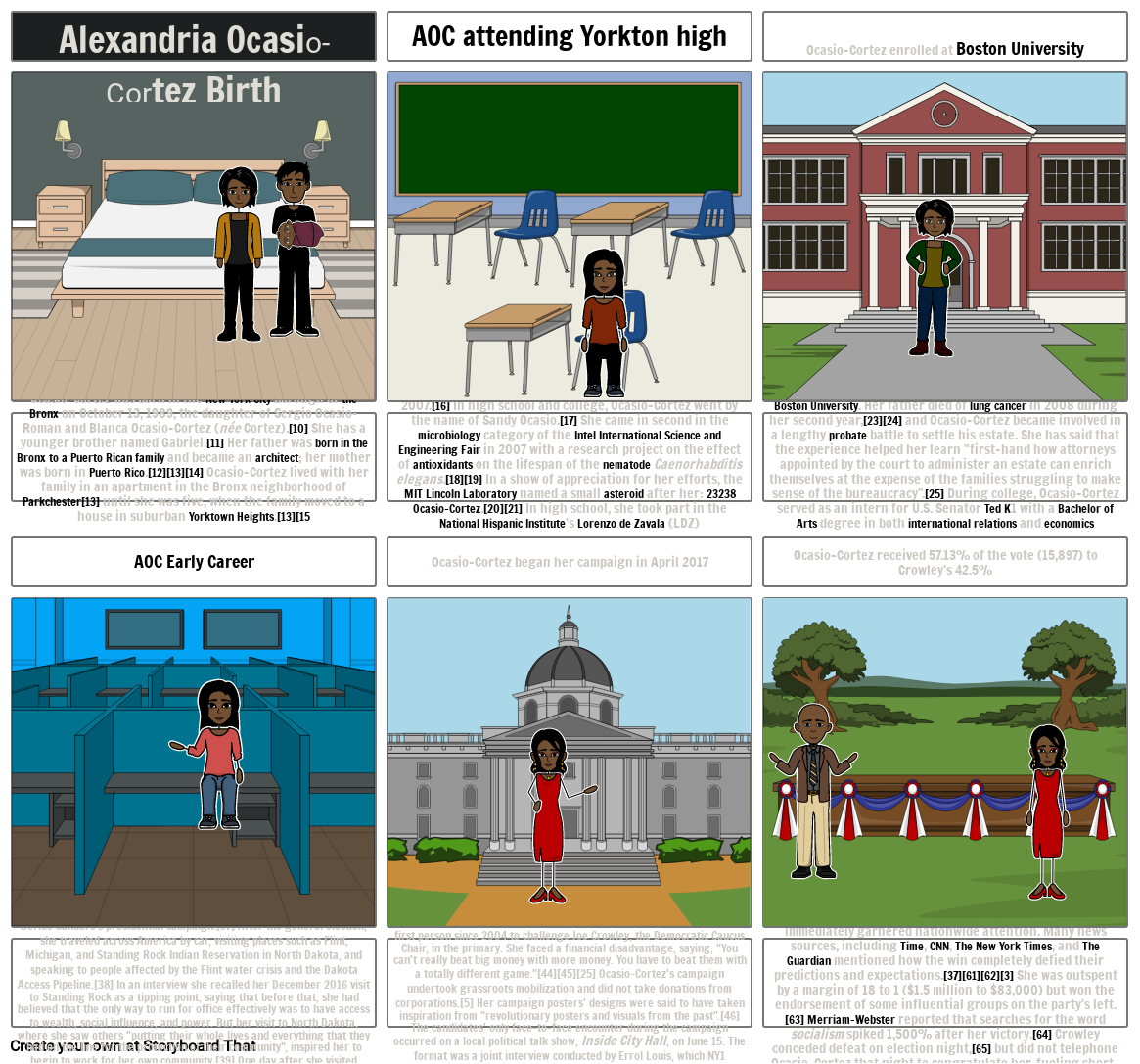
In search of better educational opportunities for Alexandria and her younger brother, Gabriel, Sergio and Blanca made the pivotal decision to move the family from the Parkchester neighborhood of the Bronx to Yorktown Heights in Westchester County. At the time, Alexandria was five years old. This move was not a departure from their roots but rather a strategic sacrifice. Sergio continued to commute to the Bronx for work, ensuring the family remained tethered to their community while his children benefited from a different school district.
Blanca Ocasio-Cortez: Roots in Puerto Rico and Resilience
Blanca Ocasio-Cortez (née Cortez) was born in Santa Isabel, Puerto Rico. Her journey to the mainland United States is a testament to the "Great Migration" of Puerto Ricans seeking economic stability. Blanca’s life has been defined by a relentless work ethic and a commitment to her family’s survival, especially during their most difficult years.
Early Life and Migration
Blanca moved from Puerto Rico to New York, where she eventually met Sergio. Her transition from the island to the mainland shaped her worldview and, by extension, her daughter’s understanding of the relationship between the United States and Puerto Rico. Blanca brought with her the cultural traditions, language, and "Boricua" pride that remain a hallmark of the Ocasio-Cortez household.
Career and Economic Hardship
Throughout Alexandria’s childhood, Blanca worked in various capacities. After the family moved to Westchester, she took on roles that highlighted the dignity of labor—working as a housekeeper and a school bus driver. These roles were not just jobs; they were the means by which the family maintained their foothold in a more affluent area.
The true test of Blanca’s resilience came in 2008. When Sergio passed away, the family’s financial situation became precarious. Blanca was forced to navigate the complexities of a struggling economy during the Great Recession while simultaneously dealing with the loss of the family's primary breadwinner. Her struggle to keep their home from foreclosure and her eventual move to Florida for a lower cost of living are chapters of her life that Alexandria frequently cites when discussing housing policy and the "working poor."
The Formative "Two Worlds" Experience
The contrast between the parents’ backgrounds and the family's dual geographic identity created a "two worlds" experience for Alexandria Ocasio-Cortez. This duality is a direct result of Sergio and Blanca's parenting choices.
The Bronx vs. Westchester
During the week, Alexandria attended school in Yorktown Heights, a predominantly white, affluent suburb. On weekends and holidays, she was back in the Bronx with her extended family. This constant movement between two different socioeconomic realities allowed her to see firsthand the disparity in resources, infrastructure, and opportunity dictated by a zip code.
Sergio and Blanca were intentional about maintaining these ties. They did not want their children to lose their connection to their heritage or the community that raised them. This upbringing instilled in Alexandria a unique ability to communicate across social divides, a skill that has served her well in her political career.
Cultural and Religious Foundations
The Ocasio-Cortez household was one where Puerto Rican identity was celebrated. Blanca ensured that the Spanish language and Puerto Rican traditions were preserved. Religion also played a role; while Alexandria has spoken about her Catholic faith, the family also had ties to evangelical traditions common in many Puerto Rican communities. These foundations provided a moral framework that emphasized social justice and community service.
The Pivotal Impact of 2008: Tragedy and Transformation
The year 2008 was a watershed moment for the family. Sergio Ocasio-Roman passed away from lung cancer at the age of 56. His death occurred at the height of the financial crisis, leaving Blanca and her children in an incredibly difficult position.
The Probate Battle
Because Sergio died without a will (intestate), his estate went into a lengthy and expensive probate process. This legal entanglement is a common trap for many middle-class families. Alexandria, then a student at Boston University, had to witness her mother fight against a legal system that felt designed to extract wealth rather than protect it.
| Impact Area | Description of Experience | Political Lesson Derived |
|---|---|---|
| Healthcare | Sergio's battle with lung cancer and the associated costs. | Advocacy for "Medicare for All" and affordable healthcare. |
| Estate Law | The years-long probate process after Sergio's death. | Focus on legal reform and protections for working families. |
| Housing | The threat of foreclosure on the family home in Yorktown. | Emphasis on housing as a human right and rent control. |
| Employment | Blanca taking on multiple low-wage jobs to stay afloat. | Support for a $15 minimum wage and labor unions. |
Economic Realization
The struggle to settle Sergio’s estate and the looming threat of losing their home became the catalyst for Alexandria's political awakening. She saw her mother, a hardworking woman, nearly broken by a system that seemed indifferent to her grief. This period of "survival mode" is what AOC refers to when she speaks about the lived experience of the working class. It wasn't just a talking point; it was her life in 2008 and 2009.
Blanca’s Move to Florida
Following the settlement of the estate and the continued high cost of living in New York, Blanca Ocasio-Cortez eventually relocated to Eustis, Florida, near Orlando. This move was born out of necessity—New York had become too expensive for a widow on a fixed income or working low-wage jobs.
In Florida, Blanca has remained a supportive figure for her daughter. While she largely stays out of the political limelight, her move served as another data point for Alexandria’s critiques of the "gentrification" and "affordability crises" in major American cities. The fact that a woman who worked her entire life in New York could not afford to retire there is a narrative thread AOC uses to highlight the need for systemic change.
Legacy and the Ocasio-Cortez Political Narrative
The lives of Blanca and Sergio are more than just biographical details; they are the "origin story" of one of the most influential political figures of the 2020s.
- The Architect's Daughter: Sergio’s career as an architect gave Alexandria a sense of "possibility" and a professional aspiration, which she initially fulfilled by studying international relations and economics.
- The Housekeeper's Daughter: Blanca’s work as a cleaner and bus driver grounded Alexandria in the reality of the service industry, leading her to work as a bartender and waitress—a fact that became central to her 2018 campaign.
- The Immigrant Experience: Blanca’s Puerto Rican roots and the family’s identity as "Nuyoricans" (New Yorkers of Puerto Rican descent) have made AOC a prominent voice for the island, especially following the federal response to natural disasters and the ongoing debt crisis.
By 2026, as AOC continues to navigate the complexities of national politics, she frequently references her parents to validate her policy stances. Whether she is discussing the Green New Deal or corporate accountability, she often frames these issues through the lens of what her father would have thought or what her mother experienced.
Frequently Asked Questions
Where were Alexandria Ocasio-Cortez's parents born?
Sergio Ocasio-Roman was born in the Bronx, New York, in 1952. Blanca Ocasio-Cortez was born in Santa Isabel, Puerto Rico. They both shared a Puerto Rican heritage, which they passed down to their children.
What did Sergio Ocasio-Roman do for a living?
Sergio was an architect. He was a partner at a firm called Kirschenbaum & Ocasio-Roman Architects, which was located in the Bronx. He focused primarily on renovation projects and ran his own small business for many years.
How did AOC’s father die?
Sergio Ocasio-Roman died of lung cancer in 2008 at the age of 56. His death occurred during Alexandria’s sophomore year of college at Boston University and had a profound impact on the family’s financial stability.
Does AOC have any siblings?
Yes, Alexandria has a younger brother named Gabriel Ocasio-Cortez. He has generally kept a lower public profile than his sister but has been seen supporting her at various events and in documentary footage about her first campaign.
Where is Blanca Ocasio-Cortez now?
As of 2026, Blanca Ocasio-Cortez lives in Florida. She moved there several years ago to seek a lower cost of living after the family faced financial difficulties in New York following the passing of her husband.
How did her parents' move to Westchester affect AOC's politics?
The move to Yorktown Heights allowed Alexandria to attend higher-funded schools, but it also highlighted the "zip code" disparity. She realized that her success was largely due to the opportunities provided by her location, which fueled her passion for educational equity and social reform.
Practical Recommendation for Further Research
If you are researching the biographical history of the Ocasio-Cortez family for academic or journalistic purposes, it is recommended to consult primary source interviews and authorized documentaries. The 2019 documentary Knock Down the House provides significant visual and narrative context regarding Blanca Ocasio-Cortez and the family’s home in Yorktown Heights. Additionally, official congressional biographies and archived articles from the New York Times and The Bronx Times offer verified details regarding Sergio Ocasio-Roman’s business and his impact on the Bronx community. For legal context on the family's probate issues, researching New York state intestacy laws from the 2008-2010 period can provide technical insight into the hurdles they faced.