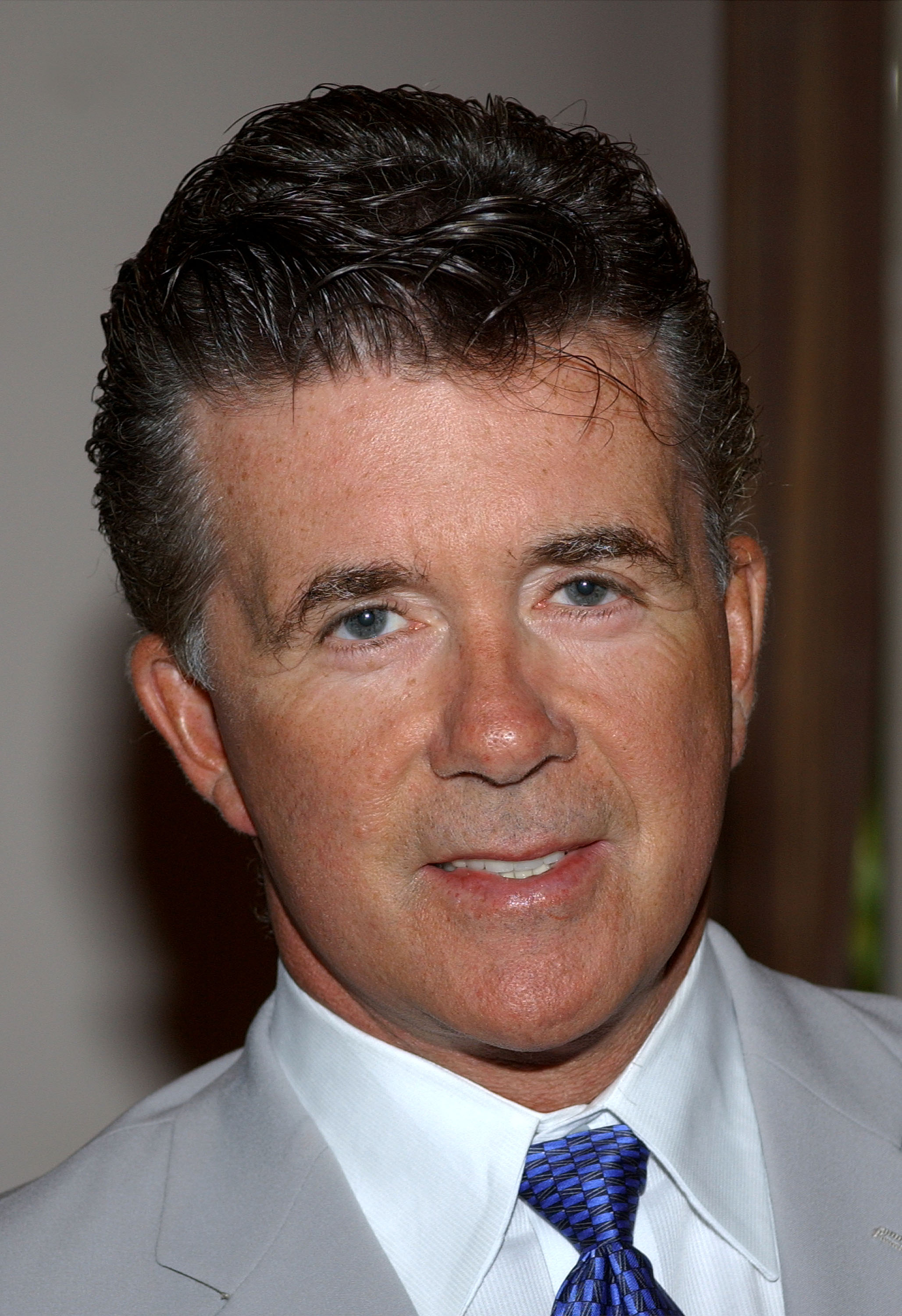
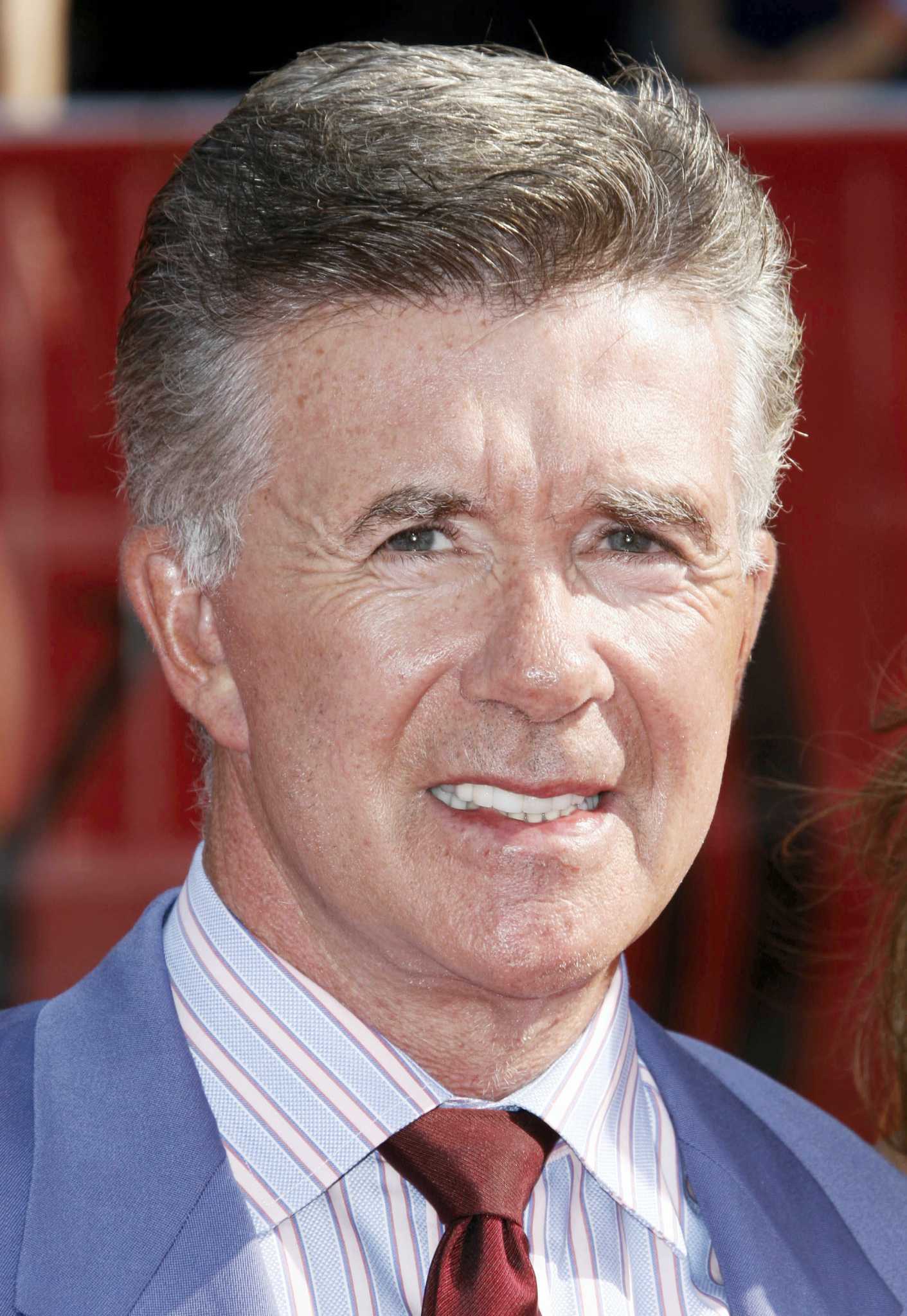
Alan Thicke was not alive at the time of several recent retrospective milestones, having tragically passed away on December 13, 2016, due to a ruptured aorta while playing hockey with his son. His sudden death profoundly impacted the entertainment industry and millions of fans worldwide who grew up watching him embody the quintessential television patriarch, Dr. Jason Seaver, on the long-running sitcom Growing Pains.
Introduction and Historical Context of Alan Thicke
The inquiry regarding whether Alan Thicke was alive often surfaces among casual fans, younger generations discovering classic 1980s television, or individuals encountering conflicting online rumors. Because the internet is saturated with automated content, outdated archives, and occasional hoaxes, clarifying the status of notable public figures is a common necessity. Alan Thicke—born Alan Willis Jeffrey on February 7, 1947, in Kirkland Lake, Ontario, Canada—was a multi-talented entertainer whose career spanned television hosting, acting, songwriting, and producing.
Understanding his legacy requires looking past internet speculation and examining the verified timeline of his life, career, and untimely passing. This article explores the biographical details of Alan Thicke, the circumstances surrounding his death, his massive cultural footprint in television history, and how his family and peers continue to honor his memory.
The Life and Career of a Television Icon
Before exploring the details of his passing, it is essential to understand the sheer breadth of Alan Thicke’s career. He was not merely an actor; he was a foundational architect of television programming in both Canada and the United States during the late 20th century.
Early Beginnings and Talk Show Success
Thicke graduated from the University of Western Ontario before diving headfirst into the entertainment industry. Initially finding success behind the scenes as a writer and producer, he quickly transitioned to the screen. In Canada, he hosted the daytime talk show The Alan Thicke Show and later attempted to crack the American late-night market with Thicke of the Night in 1983. Although Thicke of the Night struggled to dethrone Johnny Carson, it cemented his status as a charismatic, quick-witted host capable of commanding a live studio audience.
Immortality Through Growing Pains
Thicke's defining career moment arrived in 1985 when he was cast as Dr. Jason Seaver in the ABC sitcom Growing Pains. As a psychiatrist who worked from home while his journalist wife, Maggie, returned to the workforce, Dr. Seaver became the archetype of the supportive, empathetic, and gently humorous modern father.
The show ran for seven seasons, totaling 166 episodes, and made Thicke a household name globally. His ability to blend paternal authority with self-deprecating comedy resonated deeply with viewers, securing his place in television history.
| Career Phase | Primary Role / Notable Project | Impact / Significance |
|---|---|---|
| Early Career | Writer & Canadian Talk Show Host | Established industry credibility and honed comedic interviewing skills. |
| Late Night | Thicke of the Night (1983–1984) | Pioneered syndicated late-night variety television in the United States. |
| Prime-Time Stardom | Dr. Jason Seaver in Growing Pains (1985–1992) | Defined the quintessential 1980s television dad; global syndication success. |
| Theme Song Composer | Diff'rent Strokes, The Facts of Life | Prolific songwriter who crafted some of the most recognizable theme songs in TV history. |
Prolific Theme Song Composer
Beyond acting and hosting, Thicke was an accomplished songwriter. Alongside his first wife, Gloria Loring, he co-wrote some of the most famous television theme songs of all time, including the themes for Diff'rent Strokes, The Facts of Life, and the original instrumental theme for Wheel of Fortune. His musical talent provided him with a steady, lucrative background in the industry long before he landed his iconic acting roles.
The Circumstances of Alan Thicke’s Passing
The definitive reason for confusion regarding whether Alan Thicke was alive stems from the sudden and shocking nature of his death. On December 13, 2016, Thicke was playing a recreational game of hockey with his youngest son, Carter, at an ice rink in Burbank, California.
During the game, he suffered a heart attack, which was later diagnosed as a type-A aortic dissection—a severe condition where the inner layer of the aorta tears. He was transported to Providence Saint Joseph Medical Center, where he was pronounced dead at the age of 69.
Medical Verification and Public Reaction
Medical examiners confirmed that the cause of death was natural, specifically attributing it to a ruptured aorta with standard coronary artery disease as a contributing factor. The suddenness of the event shocked Hollywood. Tributes poured in from former co-stars, including Leonardo DiCaprio, Kirk Cameron, Candace Cameron Bure, and Bob Saget, all of whom praised his warmth, mentorship, and boundless energy.
Legacy and Family Preservation
Following his passing, his widow, Tanya Callau, and his children—including pop singer Robin Thicke, Brennan Thicke, and Carter Thicke—worked to preserve his memory. Documentaries, such as It's Ol' Al: Alan Thicke, and heartfelt public tributes from his family continue to celebrate his life, ensuring that new generations recognize his contributions to television and music.
Common Misconceptions and Internet Rumors
Why do people frequently search phrases implying that Alan Thicke was not alive or question his current status? Several factors contribute to this phenomenon in modern digital consumption.
The Cycle of Death Hoaxes
Like many beloved celebrities, Thicke has occasionally been the subject of internet death hoaxes—both prior to his actual death in 2016 and via misconstrued headlines years later. When old clips of Growing Pains or retrospectives air on streaming platforms, viewers unfamiliar with his biography may search online to verify his age or current whereabouts, sometimes misinterpreting historical articles as breaking news.
Confusion with Contemporaries
The passing of several 1980s and 1990s television icons in rapid succession has also blurred timelines for casual pop culture consumers. When multiple stars from the same era pass away within a few years of each other, general queries about who is still living frequently spike on search engines.
Frequently Asked Questions
When did Alan Thicke pass away?
Alan Thicke passed away on December 13, 2016, at the age of 69, following a medical emergency while playing hockey in Burbank, California.
What was Alan Thicke's most famous role?
He is best known for playing Dr. Jason Seaver on the hit 1980s ABC sitcom Growing Pains, a role he played for seven seasons.
Did Alan Thicke write television theme songs?
Yes. Alongside his musical background, he co-wrote the iconic theme songs for television shows such as Diff'rent Strokes and The Facts of Life.
Who are Alan Thicke's children?
He had three sons: Brennan Thicke, singer-songwriter Robin Thicke, and Carter Thicke.
Where can I watch Growing Pains today?
Depending on regional licensing and streaming availability, Growing Pains periodically rotates through various subscription video-on-demand services and digital storefronts for purchase.
Final Recommendations and Next Actions
For readers seeking to verify historical facts about entertainment figures, relying on official biographical archives, verified news reports from December 2016, and established entertainment databases like IMDb is essential. To honor Alan Thicke's contributions to television and music, fans can explore his extensive body of work, ranging from classic episodes of Growing Pains to retrospectives highlighting his prolific career as a composer and host.