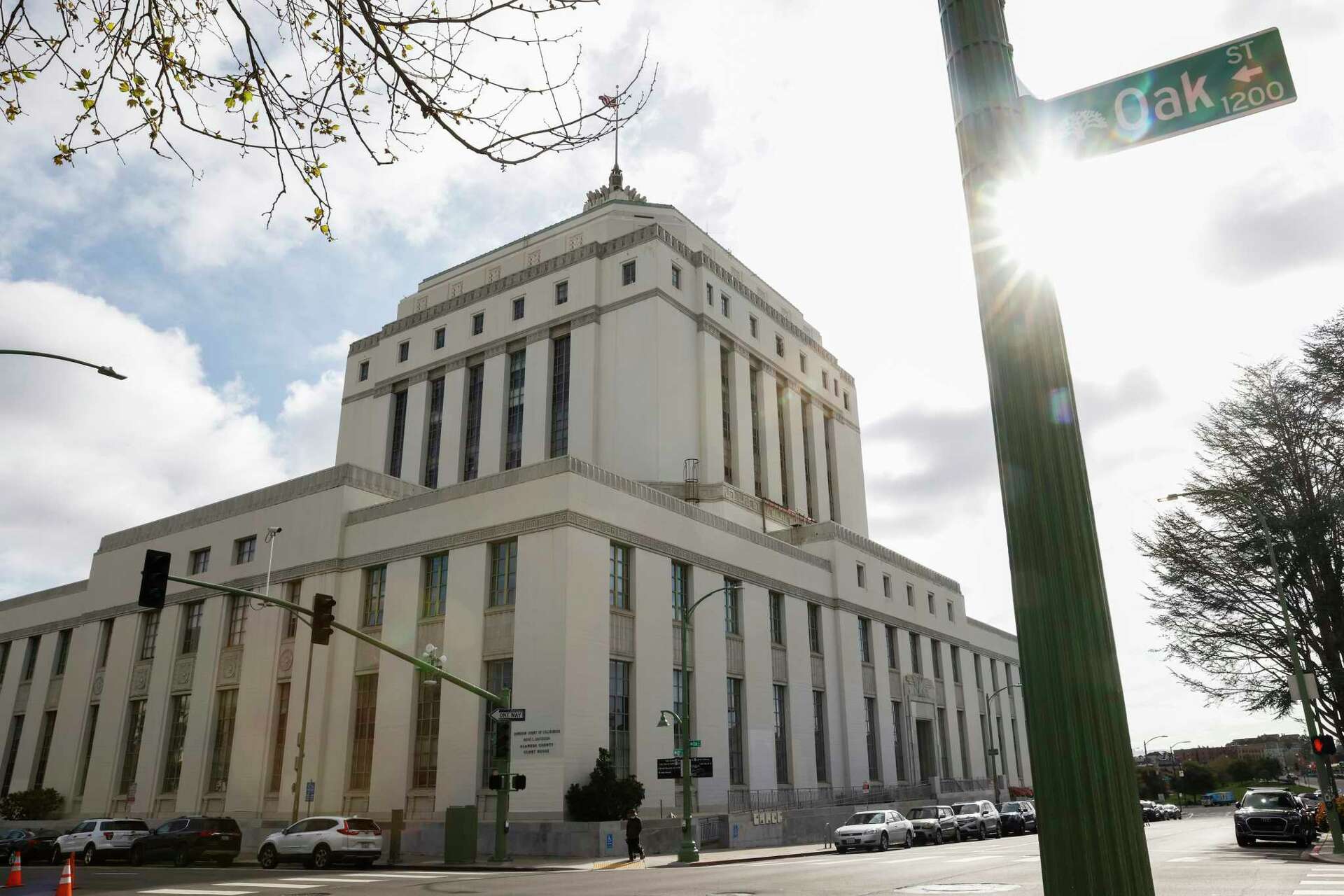
Residents of Alameda County seeking financial assistance, food security, or healthcare coverage access these vital resources through the Alameda County Social Services Agency (ACSSA). Often referred to as the "welfare office," the agency manages state and federal programs like CalFresh, CalWORKS, and Medi-Cal across multiple regional hubs in Oakland, Hayward, Fremont, and Livermore to support community well-being.
The Alameda County Social Services Agency (ACSSA) serves as the primary gateway for individuals and families in need of a safety net. Whether you are facing sudden unemployment, a medical crisis, or chronic food insecurity, the ACSSA provides a structured pathway toward stability. As we navigate the economic landscape of 2026, these services remain essential for ensuring that the diverse population of the East Bay has access to basic necessities. Navigating the "welfare office" system involves understanding the specific programs available, the documentation required for eligibility, and the various methods for submitting and maintaining applications.
Primary Assistance Programs in Alameda County
The term "welfare" is a broad umbrella covering several distinct programs, each with its own set of rules, funding sources, and objectives. In Alameda County, the three most significant programs are CalFresh, CalWORKS, and Medi-Cal. Understanding the nuances of each is the first step toward securing the correct type of aid.
CalFresh (Supplemental Nutrition Assistance Program)
CalFresh is California's version of the federal Supplemental Nutrition Assistance Program (SNAP). It is designed to help low-income individuals and families purchase healthy food. Benefits are issued monthly on an Electronic Benefit Transfer (EBT) card, which functions like a debit card at most grocery stores and many farmers' markets throughout Alameda County.
In 2026, CalFresh eligibility is primarily determined by gross and net income limits relative to household size. Most able-bodied adults without dependents (ABAWDs) may be subject to work requirements, though these can be waived or modified based on local economic conditions or individual circumstances such as disability or student status.
CalWORKS (Cash Aid)
California Work Opportunity and Responsibility to Kids (CalWORKS) provides temporary financial assistance and employment services to families with children. This program is focused on "self-sufficiency," meaning it combines cash aid with mandatory participation in Welfare-to-Work activities. These activities include job searches, vocational training, and education.
CalWORKS is time-limited. In California, adults are generally limited to 60 months of lifetime benefits, though children may continue to receive aid if the family remains eligible. The program also provides "supportive services," such as help with childcare and transportation costs, which are critical for parents attempting to re-enter the workforce in a high-cost area like Alameda County.
Medi-Cal (Public Health Insurance)
Medi-Cal is California’s Medicaid program, providing free or low-cost health coverage for children and adults with limited income and resources. Following the significant expansions in previous years, Medi-Cal in 2026 remains a cornerstone of the state's healthcare system, covering doctor visits, hospital stays, prescriptions, and mental health services. Eligibility for Medi-Cal is often "automatic" or streamlined for those already receiving CalWORKS or Supplemental Security Income (SSI).
General Assistance (GA)
For adults who are not eligible for CalWORKS (usually because they do not have dependent children) and who have no other means of support, Alameda County offers General Assistance. This is a county-funded program that provides very basic cash aid. GA is often considered a "program of last resort" and carries strict residency and asset requirements. Participants who are able to work are typically required to participate in a job club or work projects.
Alameda County Social Services Office Locations
To serve a county as large and geographically diverse as Alameda, the Social Services Agency operates several regional offices. While most business can now be conducted online or over the phone, in-person visits are sometimes necessary for interviews, document drop-offs, or obtaining a replacement EBT card.
North County: Oakland Offices
Oakland serves as the administrative heart of the ACSSA. There are several specialized locations:
- Enterprise Office: Located at 24100 Amador St (though primarily serving Central, it handles many administrative overflows). For North County, the primary hub is the Thomas L. Berkley Way location.
- Self-Sufficiency Centers: These are the most common destinations for general "welfare" inquiries. The North County Self-Sufficiency Center at 2000 San Pablo Ave in Oakland is a major hub for CalFresh and Medi-Cal processing.
Central County: Hayward Office
The Eden Area Multi-Service Center located at 24100 Amador Street in Hayward is the primary office for residents of Hayward, San Leandro, and San Lorenzo. This facility is one of the busiest in the county and offers a full range of services, including Adult Protective Services and In-Home Supportive Services (IHSS) in addition to standard cash and food aid.
South County: Fremont Office
Residents of Fremont, Newark, and Union City are served by the Fremont Multi-Service Center at 39155 Liberty Street. This office provides a localized point of contact for South County residents who would otherwise have to travel to Hayward or Oakland.
East County: Livermore Office
The Livermore Multi-Service Center at 3311 Pacific Avenue serves the Tri-Valley area (Livermore, Dublin, Pleasanton). While smaller than the Oakland or Hayward hubs, it provides essential accessibility for residents in the easternmost part of the county.
How to Apply for Benefits in 2026
The application process has been significantly modernized over the last decade. In 2026, residents have three primary avenues for applying for "welfare" services in Alameda County.
- Online (BenefitsCal): The BenefitsCal portal is the most efficient way to apply for CalFresh, CalWORKS, and Medi-Cal simultaneously. The system allows users to upload required documents (like pay stubs or ID) directly from a smartphone and track the status of their application in real-time.
- By Phone: The Alameda County Social Services Agency operates a centralized Customer Service Call Center at (510) 263-2420 or 1-888-999-4772. While wait times can be significant, phone applications are a viable option for those without reliable internet access.
- In-Person: You can walk into any of the regional offices mentioned above. While some offices may encourage appointments, they generally accept "walk-in" applications. Most offices provide public-use computers for those who want to use the online portal but need a stable connection.
Required Documentation for Eligibility
Regardless of how you apply, the ACSSA will require verification of your circumstances. Having these documents ready can speed up the "30-day clock" for benefit approval:
- Identification: Driver’s license, California ID, or passport.
- Proof of Residency: Utility bills, a rental agreement, or a letter from a shelter.
- Income Verification: Pay stubs for the last 30 days, award letters for unemployment, or Social Security benefit statements.
- Resource Information: Bank statements for checking and savings accounts (primarily for GA and certain CalWORKS cases).
- Household Composition: Birth certificates for children or Social Security numbers for all household members.
Maintaining Your Benefits: Reports and Renewals
Receiving benefits is not a "set it and forget it" process. To prevent an overpayment or a sudden termination of aid, recipients must adhere to strict reporting requirements.
Periodic Reporting (SAR 7)
Most CalFresh and CalWORKS recipients must submit a Semi-Annual Report, known as the SAR 7. This form asks for updates on any changes in income, household size, or address that occurred during the first six months of your certification period. In 2026, the SAR 7 can be completed and signed electronically through the BenefitsCal portal.
Annual Redetermination
Once a year, you must complete a full redetermination (renewal). This usually involves a new interview—often conducted over the phone—and a fresh submission of income verification. Medi-Cal renewals, while often "ex parte" (meaning the county verifies your info automatically using existing data), still require you to respond to any mailed requests for information to avoid a lapse in coverage.
Comparison of Major Assistance Programs
| Program | Primary Benefit | Target Audience | Key Requirement |
|---|---|---|---|
| CalFresh | Monthly EBT funds for food | Low-income individuals/families | Income below 200% Federal Poverty Level |
| CalWORKS | Monthly cash aid & job prep | Families with minor children | Participation in Welfare-to-Work |
| Medi-Cal | Comprehensive health insurance | Low-income residents | California residency & income limits |
| General Assistance | Limited cash aid | Adults without children | No other income or resources |
| IHSS | Home-based care services | Seniors/Disabled residents | Medical necessity for home aid |
Specialized Social Services in Alameda County
Beyond the standard "welfare" programs, the ACSSA manages several specialized departments that protect vulnerable populations.
In-Home Supportive Services (IHSS)
IHSS is a Medi-Cal funded program that pays for a provider to come into the home of an elderly, blind, or disabled person to assist with daily tasks like cleaning, cooking, and personal care. This allows residents to remain safely in their own homes rather than being placed in a nursing facility. In Alameda County, the Public Authority for IHSS helps match recipients with screened providers.
Adult Protective Services (APS) and Child Welfare
The Social Services Agency is also responsible for investigating reports of abuse or neglect. If you suspect an elder or a child is being harmed, these departments provide emergency intervention and ongoing case management. These services are available 24/7 through dedicated hotlines separate from the general "welfare" benefits line.
Common Challenges and Troubleshooting
Navigating the bureaucracy of the Alameda welfare office can be frustrating. Common issues include lost documents, long phone wait times, and confusing notices of action (NOAs).
- Appealing a Decision: If your application is denied or your benefits are reduced, you have the right to a State Hearing. You must request this hearing within 90 days of the notice. Information on how to appeal is always printed on the back of the "Notice of Action" letter you receive in the mail.
- Language Access: Alameda County is required to provide services in your preferred language. If you are not fluent in English, you can request an interpreter for your interview, and most forms are available in Spanish, Chinese, Vietnamese, and Farsi.
- The "Customer Service Call Center" (CSCC): To avoid the longest wait times, call early in the morning (starting at 8:30 AM) or mid-week. Mondays and the first few days of the month are typically the busiest for the welfare office.
Frequently Asked Questions
How long does it take to get benefits approved?
For CalFresh, the agency generally has 30 days to process your application. However, if you have very little income and less than $100 in liquid resources, you may qualify for "Expedited Service," which can provide food benefits within three business days. CalWORKS and Medi-Cal applications may take up to 45 days.
Can I get benefits if I am not a U.S. citizen?
Many non-citizens are eligible for benefits. Legal Permanent Residents (Green Card holders) generally qualify for CalFresh and Medi-Cal. Even if the parents are not eligible due to immigration status, they can often apply for their U.S.-born children. In California, Medi-Cal has expanded to cover all low-income residents regardless of immigration status.
What happens if I move out of Alameda County?
Your benefits do not automatically follow you. You must report your move to the ACSSA. They will initiate an Inter-County Transfer (ICT), which moves your case files to the new county’s social services department without you having to re-apply from scratch, provided you remain eligible.
How do I replace a lost or stolen EBT card?
You should immediately call the EBT Customer Service line at (877) 328-9677 to deactivate your old card. You can then request a new one by mail, or you can go to a regional office in Hayward or Oakland to pick up a replacement card in person.
Are there work requirements for welfare in 2026?
CalWORKS requires most adults to participate in Welfare-to-Work activities for a set number of hours per week. For CalFresh, work requirements for "Able-Bodied Adults Without Dependents" (ABAWDs) can vary; always check with your caseworker for the current status of waivers in Alameda County.
Practical Recommendation for Residents
If you are applying for assistance in Alameda County for the first time, the most effective strategy is to use the BenefitsCal website to submit your application and upload all your verification documents (ID, pay stubs, etc.) immediately. Once submitted, wait 48 hours and then call the Customer Service Call Center at (510) 263-2420 to confirm they have received your documents and to schedule your mandatory interview. Being proactive and having your paperwork ready before the interview is the fastest way to ensure your benefits are approved without unnecessary delays.