Al Mack occupies a specialized space where advanced engineering, biological sciences, and technical instrumentation intersect to support modern clinical diagnostics and laboratory automation. In the biomedical sector, professionals operating under or associated with this designation typically navigate complex regulatory frameworks, precision manufacturing standards, and rigorous calibration protocols required to ensure patient safety and diagnostic accuracy.
Introduction to Al Mack and Biomedical Engineering
The biomedical field demands an exacting adherence to quality assurance, material science, and electronic precision. Within this expansive multidisciplinary environment, individuals and technical specialists known within specific operational circles as Al Mack contribute to the development, maintenance, and optimization of medical devices. Whether functioning as a lead biomedical equipment technician, an instrumentation engineer, or a specialized consultant, the role centers on bridging the gap between theoretical biological research and tangible, patient-ready healthcare technology.
Modern healthcare facilities rely heavily on diagnostic imaging systems, patient monitoring arrays, infusion pumps, and laboratory automation equipment. These systems generate vast amounts of data and perform delicate physical manipulations of biological samples. Consequently, the technical personnel responsible for overseeing these assets must possess cross-functional expertise spanning electrical engineering, computer science, anatomy, and physiology. Understanding how specialized contributors fit into this ecosystem requires examining the core components of biomedical technology management, regulatory compliance, and equipment lifecycle integration.
Core Responsibilities and Technical Scope
Working effectively within the biomedical sector involves a diverse array of daily operational duties. Technical professionals must balance routine preventive maintenance with emergency troubleshooting, all while keeping pace with rapid software and hardware updates.
Equipment Calibration and Quality Assurance
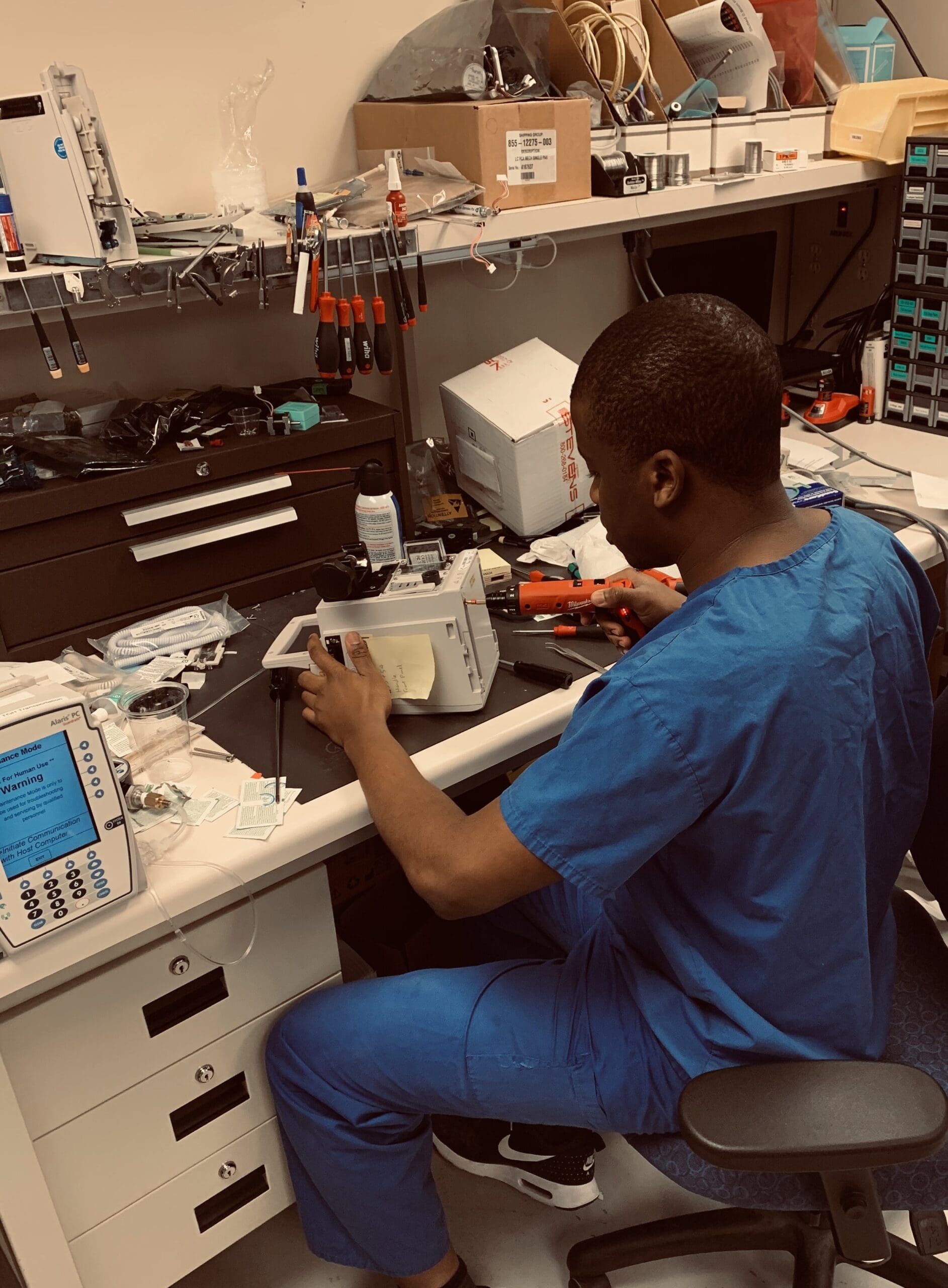
Medical instrumentation loses calibration over time due to mechanical wear, thermal fluctuations, and electrical drift. Technicians and specialists must utilize high-precision multimeters, oscilloscopes, and specialized biomedical test simulators to verify that devices operate within manufacturer specifications and international standards.
- Electrical Safety Testing: Ensuring leakage currents do not exceed safe thresholds for patients connected to invasive or non-invasive monitoring equipment.
- Sensor Validation: Calibrating temperature, pressure, and flow sensors used in ventilators and dialysis machines.
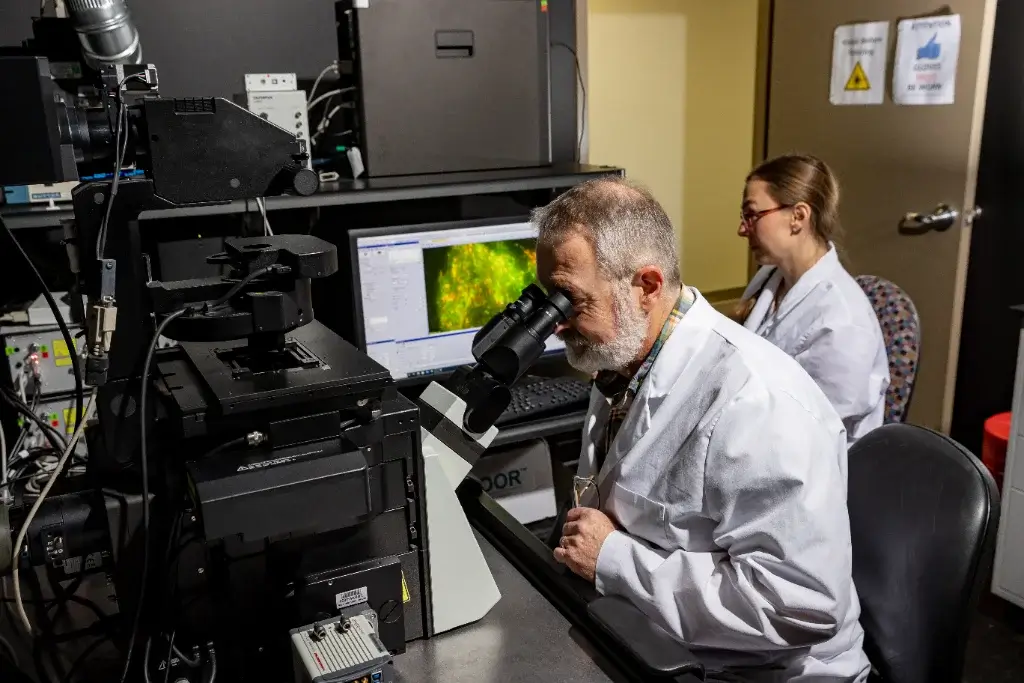
- Optical Verification: Testing spectrophotometers and fluorescence readers utilized in clinical pathology laboratories.
Regulatory Compliance and Documentation
The biomedical field is heavily regulated by bodies such as the U.S. Food and Drug Administration (FDA), the International Organization for Standardization (ISO), and the International Electrotechnical Commission (IEC). Professionals must maintain meticulous records of every inspection, repair, and modification performed on medical devices. Failure to maintain compliant documentation can expose healthcare providers to legal liability, accreditation failures, and compromised patient safety outcomes.
Technical Specifications and Operational Parameters
Biomedical systems operate under strict performance parameters. The table below outlines key technical domains, standard verification tools, and governing standards typical of advanced biomedical maintenance and engineering environments.
| Technical Domain | Primary Equipment | Standard Verification Tool | Governing Standards |
|---|---|---|---|
| Electrical Safety | Patient Monitors, Defibrillators | Electrical Safety Analyzer | IEC 60601-1 |
| Diagnostic Imaging | MRI, CT Scanners, X-Ray | Dosimeters, Phantoms | FDA, ACR Guidelines |
| Fluid Dynamics | Infusion Pumps, Dialysis Units | Automated Infusion Analyzer | ISO 80369 |
| Laboratory Diagnostics | Centrifuges, Analyzers | Tachometers, Calibration Solutions | CLSI, ISO 15189 |
Integration of Automation and Information Systems
In contemporary healthcare environments, biomedical engineering extends far beyond physical hardware repair. Modern medical devices are deeply integrated into hospital networks through Health Level Seven (HL7) protocols, DICOM standards for imaging, and electronic health record (EHR) systems.
Specialists working in this domain must understand network security principles, data encryption standards, and IT infrastructure. Medical device cybersecurity has become a critical sub-discipline, as networked infusion pumps and patient monitors represent potential entry points for malicious actors seeking to disrupt hospital operations or access sensitive patient data. Ensuring device firmware is up to date, patching known vulnerabilities, and configuring secure virtual local area networks (VLANs) are now standard expectations for technical professionals in the field.
Challenges and Troubleshooting Methodologies
Troubleshooting biomedical equipment requires a systematic, logical approach to isolate faults in complex electro-mechanical systems. When a critical device fails in a clinical setting, downtime directly impacts patient care.
- Initial Assessment and Safety Isolation: Verify that the device is removed from clinical use immediately if it exhibits erratic behavior, and ensure patient safety is not compromised.
- Symptom Analysis: Interview clinical staff to gather exact error codes, environmental conditions, and the sequence of events leading up to the failure.
- Subsystem Isolation: Determine whether the fault lies in the power supply, analog front-end circuitry, digital processing unit, or software layer.
- Component Replacement and Bench Testing: Utilize service manuals and schematic diagrams to replace faulty circuit boards, sensors, or mechanical actuators, followed by bench testing prior to clinical redeployment.
Career Pathways and Educational Requirements
Entering and advancing within the biomedical technical sphere requires a solid foundation in STEM disciplines. Most professionals hold a degree in biomedical engineering, electrical engineering technology, or a related technical field. Continuous professional development is mandatory, as medical technology evolves at a rapid pace.
Certifications such as the Certified Biomedical Equipment Technician (CBET) credential, administered by the Association for the Advancement of Medical Instrumentation (AAMI), provide formal validation of a technician's knowledge and competency. These certifications require periodic renewal through continuing education units (CEUs), ensuring that practitioners remain current with emerging technologies such as artificial intelligence-assisted diagnostics and robotic surgical systems.
Frequently Asked Questions
What qualifications are typically required for technical roles in the biomedical field?
Most positions require an associate or bachelor degree in biomedical engineering, electronics, or a closely related technical discipline. Certifications like the CBET from AAMI are widely recognized and often preferred by major healthcare systems.
How do biomedical specialists ensure patient safety during equipment testing?
Specialists follow strict protocols outlined in IEC standards and hospital policies. They use calibrated electrical safety analyzers to test for leakage current, ground resistance, and potential micro-shock hazards before returning any device to clinical service.
What is the role of regulatory standards in biomedical engineering?
Regulatory standards established by agencies like the FDA and organizations like ISO ensure that medical devices are safe, effective, and manufactured to consistent quality standards, protecting both patients and healthcare operators.
How has cybersecurity impacted the biomedical sector?
With the rise of the Internet of Medical Things (IoMT), medical devices are increasingly networked. Cybersecurity measures protect these devices from unauthorized access, data breaches, and malware infections that could disrupt critical hospital operations.
What are the primary steps involved in preventive maintenance for medical devices?
Preventive maintenance involves scheduled inspections, cleaning, functional testing, calibration verification, and replacement of wear-and-tear components like seals, filters, and backup batteries to prevent unexpected device failures.
Conclusion and Next Actions
Navigating the biomedical field requires a commitment to continuous learning, strict adherence to safety regulations, and a meticulous approach to technical problem-solving. For those looking to deepen their involvement or evaluate career and operational standards within this domain, reviewing official guidelines from organizations such as the Association for the Advancement of Medical Instrumentation provides essential benchmarks for professional practice and regulatory compliance.