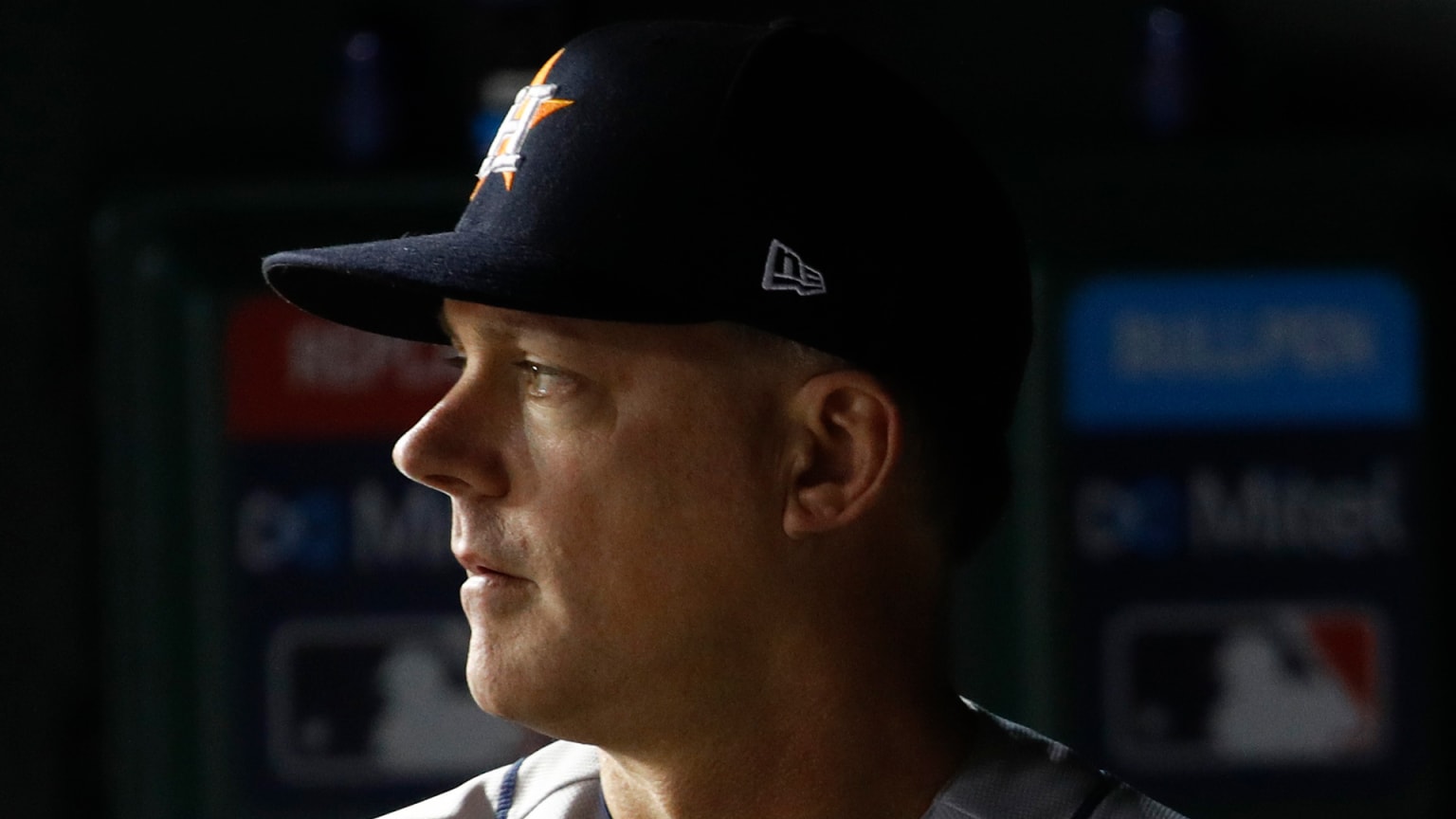
A.J. Hinch signed a multiyear contract to become the manager of the Detroit Tigers in November 2020, committing to a long-term rebuilding project after a high-profile tenure and suspension with the Houston Astros. His managerial deals reflect his standing as one of Major League Baseball's most analytically driven leaders, balancing strategic field management with organizational development.
The Evolution of A.J. Hinch’s Managerial Career
To understand the scope of any Major League Baseball managerial agreement, it is necessary to examine the career trajectory that establishes a manager's market value. A.J. Hinch entered the managerial ranks after a multifaceted career as a player, front-office executive, and field skipper. His early managerial stint with the Arizona Diamondbacks from 2009 to 2010 provided foundational experience, though it was cut short during a comprehensive organizational restructuring.
Following his time in Arizona, Hinch served in scouting and front-office roles, notably as the vice president of professional scouting for the San Diego Padres. This behind-the-scenes exposure to roster construction, player acquisition analytics, and minor league development heavily influenced his modern managerial style. When the Houston Astros hired him in September 2014 ahead of the 2015 season, they were securing a leader capable of bridging traditional dugout decisions with advanced analytical insights generated by the front office.
During his tenure in Houston, Hinch guided a rebuilding roster into a perennial powerhouse. The Astros captured the American League pennant in 2017 and 2019, winning the World Series in 2017. However, the subsequent Major League Baseball investigation into sign-stealing during the 2017 championship season led to his suspension for the entire 2020 season by MLB Commissioner Rob Manfred, swiftly followed by his dismissal by the Astros organization. This historical context directly shaped the terms, timing, and scrutiny surrounding his next managerial opportunity.
Details of the Detroit Tigers Contract
In November 2020, the Detroit Tigers capitalized on the market vacancy and hired A.J. Hinch as their 39th manager, signing him to a multiyear contract. While Major League Baseball teams frequently keep the exact financial terms and precise lengths of managerial contracts private, industry reports confirmed that the deal spanned multiple seasons, committing the franchise to Hinch through the mid-2020s to oversee their long-term structural rebuild.
Hinch's mandate in Detroit was clear: stabilize an organization that had languished through several losing seasons, integrate high-draft-pick prospects into the major league lineup, and establish a winning culture. Managerial contracts in this tier typically include base salaries competitive with mid-to-upper-market skippers, supplemented by performance incentives tied to playoff appearances, division titles, and World Series berths.
| Team | Position | Appointment Year | Context & Status |
|---|---|---|---|
| Arizona Diamondbacks | Manager | 2009 | Early career appointment; dismissed during a 2010 front-office restructuring. |
| Houston Astros | Manager | 2014 | Led team to 2017 World Series title; suspended and dismissed in January 2020. |
| Detroit Tigers | Manager | 2020 | Signed multiyear contract to lead the franchise's rebuilding and development phase. |
The structure of the Detroit agreement demonstrated organizational confidence despite the baggage of his 2020 suspension. Tigers President of Baseball Operations Al Avila, and later general manager Scott Harris, leaned into Hinch's reputation as a communicator and developer of young talent. The contract insulated Hinch with enough job security to weather the initial years of development, where major league losses were expected as top prospects transitioned from the minor leagues.
Financial Structures and Expectations in Modern Managerial Contracts
Major League Baseball managerial contracts operate under different constraints than player contracts. They are fully guaranteed, meaning that if a team dismisses a manager before the expiration date, the franchise remains obligated to pay the remainder of the salary unless the manager accepts a position elsewhere that offsets the cost. This financial reality makes multiyear commitments significant investments for ownership groups.
When analyzing a contract like Hinch's in Detroit, several underlying components dictate the total compensation and stability:
- Base Compensation: Reflects the manager's prior postseason success, market demand, and overall industry reputation.
- Club and Player Options: Rare for managers compared to players, but contract extensions or rolling years are occasionally utilized to prevent a manager from entering a lame-duck final season.
- Performance Bonuses: Financial escalators triggered by milestones such as reaching the postseason, winning the American League Central division, or advancing through playoff rounds.
- Staff Budget Allocations: Managerial agreements often include stipulations regarding the compensation pool available for hiring coaching staff, pitching coordinators, and bench coaches.
For a rebuilding franchise like the Detroit Tigers, the contract had to reflect not just compensation for dugout management, but also compensation for leadership during cultural transformation. Hinch brought stability to a clubhouse experiencing rapid roster turnover, managing veterans and rookies while implementing modern data-tracking methodologies.
Comparing Hinch’s Market Value and Tenure
Evaluating A.J. Hinch's contract requires looking at the broader landscape of MLB managerial compensation. Experienced managers with World Series rings typically command top-tier salaries, often estimated between $2 million and $4 million annually, placing them among the higher earners in the dugout, though still vastly behind elite players.
Unlike first-time managers who frequently sign three-year introductory deals at lower salary floors, established skippers command long-term security. Hinch’s hiring in Detroit came at a time when several veteran managers were securing multiyear extensions. His market value was tempered slightly by the 2020 sign-stealing scandal fallout, which allowed Detroit to secure a premier managerial candidate who might otherwise have commanded an even higher bidding war among large-market franchises.
As the Tigers progressed through their rebuilding timeline, the stability provided by Hinch's multiyear commitment allowed the front office to execute long-term roster planning without the disruption of constant managerial turnover. This continuity is a primary reason franchises invest heavily in guaranteed multiyear contracts for proven leaders.
Frequently Asked Questions
When did A.J. Hinch sign his contract with the Detroit Tigers?
A.J. Hinch signed his multiyear contract with the Detroit Tigers in November 2020. The appointment was announced shortly after the conclusion of the 2020 World Series, marking his return to Major League Baseball following his suspension.
What are the financial terms of A.J. Hinch's contract?
Like the vast majority of MLB managerial deals, the exact financial figures and total dollar amounts of Hinch's contract with Detroit were not officially disclosed by the organization. Industry standards for managers with his postseason pedigree typically place compensation in the multi-million-dollar annual range.
How long is A.J. Hinch's contract with Detroit?
The agreement was structured as a multiyear contract designed to span the core years of the Tigers' rebuilding phase, establishing managerial continuity as top prospects graduated to the major league roster.
Did A.J. Hinch manage during the 2020 season?
No. A.J. Hinch did not manage during the 2020 Major League Baseball season. He served a one-year suspension issued by MLB Commissioner Rob Manfred related to the Houston Astros' 2017 sign-stealing investigation, and the Astros dismissed him in January 2020.
What led to A.J. Hinch's hiring by the Tigers?
Detroit Tigers leadership sought an experienced, analytically minded manager who could oversee a comprehensive organizational rebuild. Hinch's successful track record in player development and postseason play made him a prime candidate once he became available.
Conclusion and Next Actions
A.J. Hinch's contract with the Detroit Tigers represents a calculated investment in leadership, combining experienced dugout management with long-term organizational stability. For fans and analysts monitoring the business side of baseball, tracking managerial contracts provides vital insight into how franchises value leadership during transitional eras. Reviewing official club announcements and authoritative baseball reporting remains the most reliable method for verifying updates regarding major league coaching staff agreements.