Searching for an air ambulance near you involves identifying accredited providers that offer either emergency helicopter transport for scene response or specialized fixed-wing aircraft for long-distance medical transfers. In 2026, the process focuses on securing "bedside-to-bedside" care through providers that coordinate with insurance and medical facilities to ensure continuous clinical monitoring during transit.
Understanding the Scope of Air Ambulance Services
When the need for an air ambulance near me arises, it is essential to distinguish between the two primary types of aeromedical transport. The urgency of the medical condition and the distance to be traveled dictate which service is appropriate.
Rotary-Wing (Helicopter) Emergency Medical Services (HEMS)
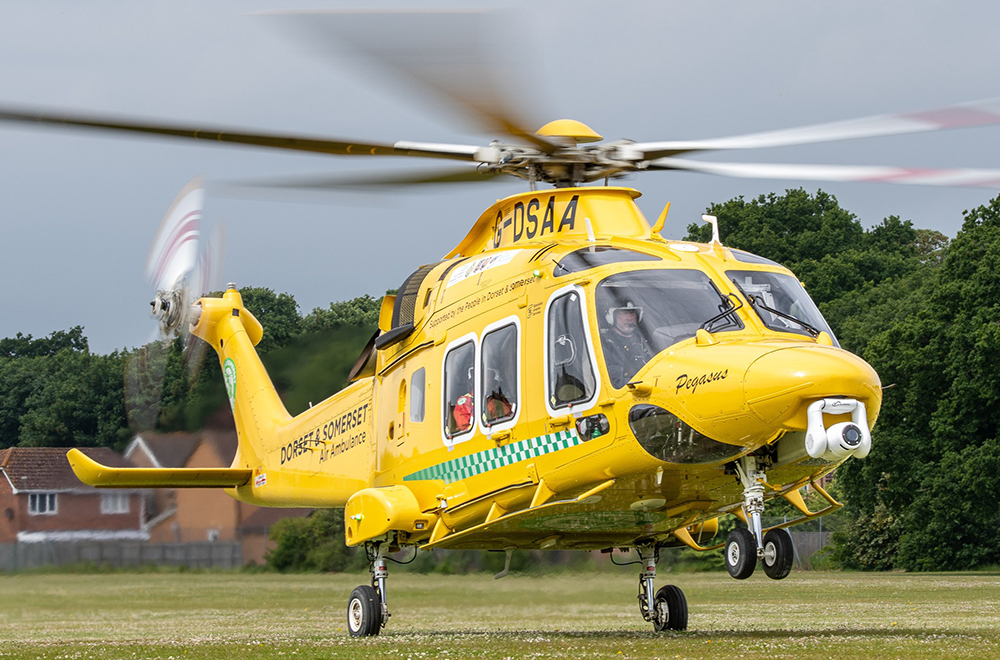
Helicopters are primarily utilized for "scene calls" or short-distance inter-hospital transfers (usually under 250 miles). These are the vehicles most commonly associated with trauma response at accident sites or rapid transport from a rural clinic to a Level I trauma center. Because they can land in non-traditional locations, such as helipads or cleared fields, they are the first choice for time-critical emergencies like strokes, heart attacks, or severe physical trauma.
Fixed-Wing (Airplane) Medical Transport
For distances exceeding 250 miles, fixed-wing aircraft are the industry standard. These planes are essentially mobile Intensive Care Units (ICUs). They are pressurized, which allows for safer transport of patients with respiratory issues or neurological conditions sensitive to altitude changes. Fixed-wing services are often used for medical repatriation (returning a patient to their home country) or transferring a patient to a specialized facility for long-term treatment or surgery.
Clinical Prerequisites and Medical Necessity
An air ambulance is not merely a transport vehicle; it is a clinical environment. For a patient to be cleared for flight, a medical director must determine that the patient is "fit to fly."
Medical necessity is a critical term used by insurance providers to determine if they will cover the cost. Generally, air transport is deemed necessary if:
- The patient’s condition requires immediate and rapid transport that ground ambulances cannot provide.
- The patient requires specialized care (such as an organ transplant or neonatal ICU) not available at the current facility.
- Ground transport is contraindicated due to distance, terrain, or the patient’s clinical instability.
Flight physicians and nurses must also consider flight physiology. At higher altitudes, air pressure drops, which can cause gases inside the body to expand. This is a vital consideration for patients with recent abdominal surgeries, collapsed lungs (pneumothorax), or certain types of head injuries. Modern air ambulances in 2026 utilize advanced monitoring equipment to mitigate these risks, but the pre-flight assessment remains a mandatory safety step.
How to Locate an Air Ambulance Near You
In a non-emergency situation—such as moving a stable but bedridden relative closer to family—you have the time to vet providers. In an emergency, the hospital’s social worker or discharge planner usually handles the logistics.
1. Hospital Referral Networks
Most major hospital systems have preferred provider agreements with air ambulance companies. These providers are vetted for safety and insurance compatibility. If you are currently at a facility, start by asking the "Case Management" or "Discharge Planning" department for a list of locally operating services.
2. Direct Operators vs. Brokers
When searching online, you will encounter both direct operators and brokers.
- Direct Operators: Own and maintain the aircraft and employ the medical staff. Dealing with them directly can sometimes reduce costs and simplify communication.
- Brokers: Act as intermediaries, searching a network of operators to find an available plane. While they may offer more options for scheduling, ensure they only work with accredited operators.
3. Accreditation Verification
To ensure the highest safety standards, look for providers accredited by the Commission on Accreditation of Medical Transport Systems (CAMTS) or the European Aero-Medical Institute (EURAMI). These organizations conduct rigorous audits of flight safety, medical protocols, and staff training.
Cost Breakdown and Financial Considerations in 2026
The cost of an air ambulance is significant, often ranging from $20,000 to over $100,000 depending on the distance and the level of care required. In 2026, the industry continues to operate under the protections of the No Surprises Act, which was designed to protect patients from astronomical out-of-network bills.
Understanding the Bill
An air ambulance bill typically consists of two main parts:
- Lift-off Fee (Base Rate): The fixed cost of mobilizing the aircraft, crew, and medical equipment.
- Mileage Rate: A per-mile charge for the distance flown.
The Impact of the No Surprises Act
Under this legislation, if you have private health insurance and receive emergency air ambulance services from an out-of-network provider, the provider generally cannot bill you more than the in-network cost-sharing amount. The insurer and the provider must then negotiate the remaining balance through an Independent Dispute Resolution (IDR) process, shielding the patient from "balance billing."
| Transport Type | Typical Range | Staffing Level | Estimated Cost (2026) |
|---|---|---|---|
| Emergency Helicopter | 0–150 miles | Flight Nurse, Flight Paramedic | $25,000 – $45,000 |
| Fixed-Wing (Domestic) | 150–2,000 miles | Critical Care Nurse, Respiratory Therapist | $30,000 – $70,000 |
| Fixed-Wing (International) | 2,000+ miles | Physician, Flight Nurse | $100,000 – $200,000+ |
| Commercial Escort | Global | Single Nurse/Physician | $10,000 – $25,000 |
The Logistics of Bedside-to-Bedside Care
A comprehensive air ambulance service manages the entire journey, not just the flight. This is referred to as bedside-to-bedside service. It involves several moving parts that the provider should coordinate on your behalf:
- Ground Ambulance Coordination: The provider arranges for ground ambulances to transport the patient from the sending hospital to the airport, and from the destination airport to the receiving hospital.
- Medical Briefing: The flight crew receives a clinical "hand-off" from the current medical team to ensure continuity of care.
- Communication with Receiving Facilities: The air ambulance company ensures that the destination hospital is ready for the patient’s arrival, confirming bed availability and specialist presence.
- Family Assistance: Many aircraft (specifically fixed-wing) allow one or two family members to fly with the patient, provided their presence does not interfere with medical operations.
Critical Equipment and Personnel
Modern medical aircraft are equipped to handle almost any complication that could arise in a hospital ICU. Standard equipment includes:
- Advanced Ventilators: Such as the Hamilton-T1, capable of providing specialized ventilation for neonates and adults.
- Multi-parameter Monitors: Tracking ECG, invasive and non-invasive blood pressure, oxygen saturation, and end-tidal CO2.
- Point-of-Care Testing: Portable lab devices (like the i-STAT) that allow the crew to check blood gases, electrolytes, and chemistries in real-time.
- Infusion Pumps: For precise delivery of life-saving medications.
The personnel are equally specialized. Flight nurses and paramedics typically require a minimum of five years of experience in an ER or ICU setting before they can undergo flight-specific training. For pediatric or neonatal transfers, specialized "NICU/PICU" teams are often brought on board.
Legal and Regulatory Frameworks
In the United States, air ambulance providers must comply with Federal Aviation Administration (FAA) Part 135 regulations, which govern commercial air charter operations. This is more stringent than Part 91 (general aviation) and ensures higher standards for pilot training and aircraft maintenance.
Furthermore, the Centers for Medicare & Medicaid Services (CMS) set specific reimbursement rates for air medical services. If you are a Medicare beneficiary, it is vital to confirm that the transport meets the "closest appropriate facility" rule; Medicare will generally only pay for a transfer to the nearest facility capable of treating the patient's condition.
Common Mistakes to Avoid
When looking for an "air ambulance near me," avoid these frequent pitfalls:
- Ignoring Accreditation: Never choose a provider based solely on price. Safety records and clinical accreditation are the most important metrics.
- Assuming Insurance Coverage: Always call your insurance provider to request a "prior authorization" for non-emergency transfers. Do not rely on the air ambulance company’s word alone.
- Failing to Verify Ground Transport: Ensure the quote includes ground ambulance costs. Some providers omit this, leading to unexpected secondary bills.
- Overlooking Medical Records: Ensure that all imaging (CDs or digital transfers) and charts are ready. Delays in paperwork at the sending hospital can lead to "wait time" fees from the air ambulance company.
Frequently Asked Questions
Does insurance cover air ambulances?
Insurance coverage depends on the policy and the "medical necessity" of the flight. For emergencies, the No Surprises Act generally ensures you only pay in-network rates. For non-emergency transfers (e.g., moving a patient to be closer to home), insurance coverage is rare unless the current facility cannot provide necessary treatment.
How fast can an air ambulance be deployed?
For emergency HEMS, deployment is usually within minutes. For private fixed-wing transfers, activation typically takes between 2 and 24 hours, depending on aircraft availability, crew scheduling, and the time required to secure medical clearances.
Can a family member fly with the patient?
In most fixed-wing medical flights, one family member can accompany the patient at no extra cost. However, this is subject to the pilot’s discretion regarding weight and balance limits and the medical team’s assessment of the patient’s needs. In HEMS (helicopters), space is rarely available for family members.
What happens if the weather is bad?
Patient safety is the priority. If weather conditions exceed FAA safety minimums, the flight will be delayed or grounded. Reputable providers will have a "Plan B," which may include ground transport for shorter distances or rescheduling as soon as a weather window opens.
Are there weight limits for air ambulance patients?
Yes. Both helicopters and fixed-wing aircraft have strict weight and balance requirements. Some providers have "bariatric" capabilities with specialized loading ramps and wider stretchers to accommodate patients over a certain weight (usually 300-350 lbs). It is crucial to provide the patient’s accurate weight during the intake process.
Final Recommendation for Those Seeking Services
If you are currently searching for an air ambulance near me, your first action should be to contact the patient’s current attending physician and case manager. Request a clinical assessment of the patient’s stability for transport. Once the medical necessity is established, contact at least two CAMTS-accredited providers to compare their clinical protocols and total "bedside-to-bedside" quotes. Always ensure that the provider handles the coordination with the receiving hospital to prevent any delays in care upon arrival.