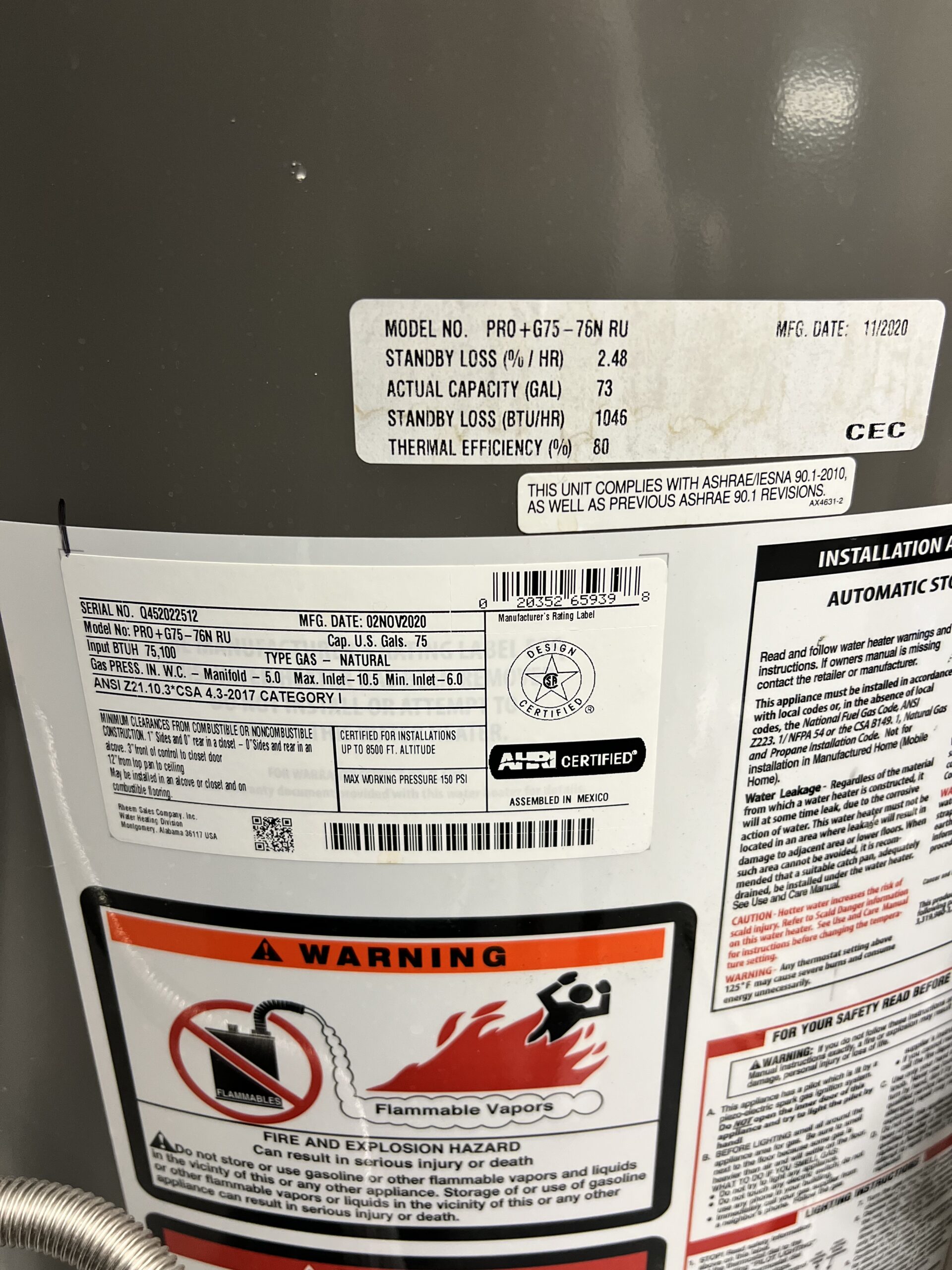
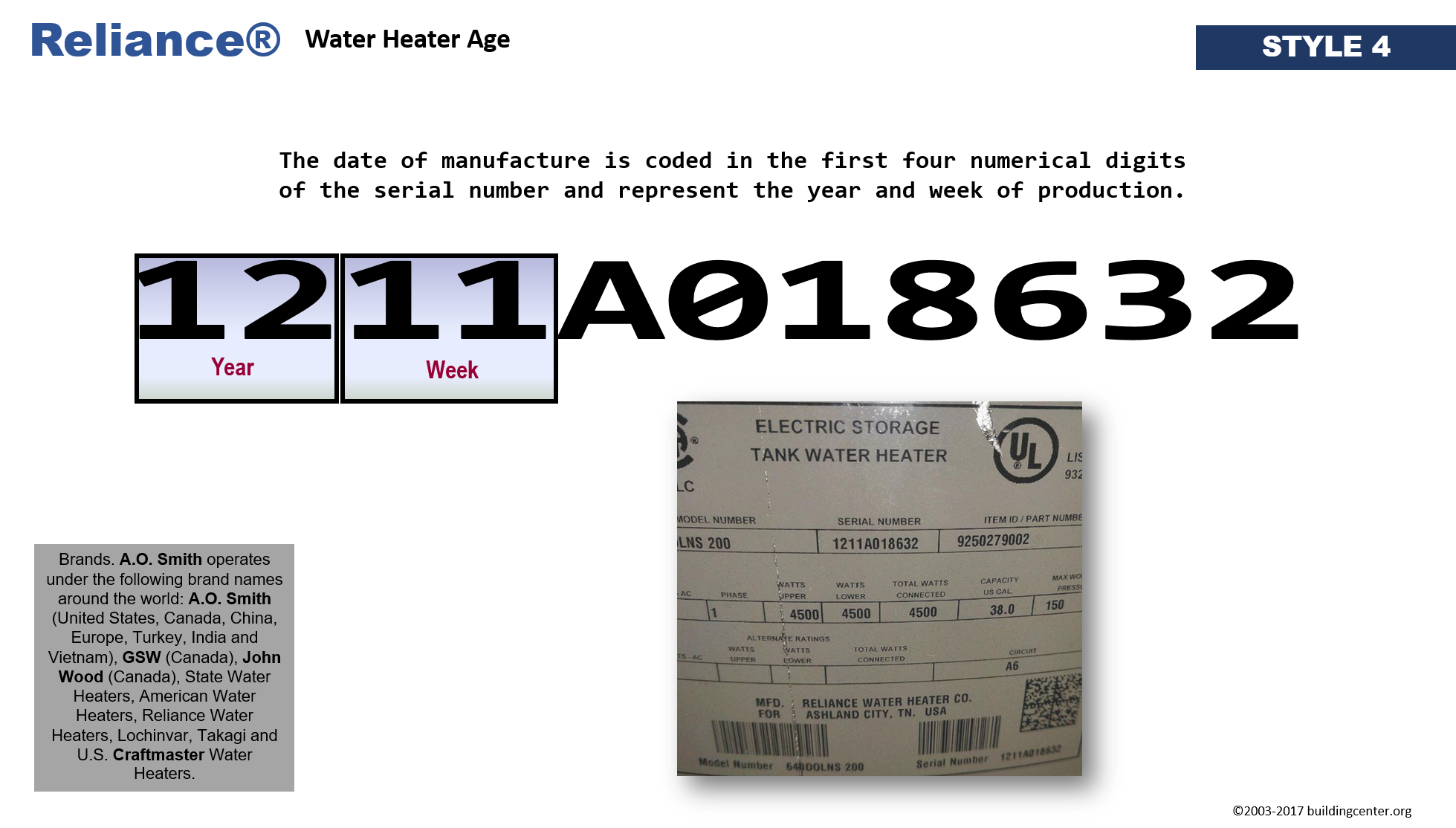
Determining the age of your State Select water heater involves locating the serial number on the unit’s data plate and decoding the embedded date information. State Industries, the manufacturer, utilizes a specific alphanumeric coding system where the first few characters indicate the week and year of production. Understanding this manufacturing date is crucial for assessing warranty eligibility and planning for potential replacement.
Understanding the Importance of Water Heater Age
Water heaters are mechanical appliances with finite lifespans. Most residential tank-style water heaters, including the State Select series, are engineered for a service life of approximately 8 to 12 years. Knowing the exact age of your unit allows you to make informed decisions regarding maintenance, repairs, and proactive replacement.
As a water heater nears the end of its expected life, the risk of failure increases. A catastrophic tank rupture can cause significant water damage to your home, potentially leading to costly remediation and insurance claims. By identifying the age of your unit, you can transition from reactive maintenance—fixing leaks or replacing elements after they fail—to a proactive schedule, potentially avoiding the disruption of an unexpected total system failure.
Furthermore, the age of the unit is the primary factor in determining if it is still covered under the manufacturer's limited warranty. State Select units typically carry specific warranty periods that begin on the date of installation. If you are experiencing a technical failure, verifying the manufacturing date is the first step in assessing whether you are entitled to replacement parts or a pro-rated unit replacement under the terms of your specific model’s warranty.
Locating the Data Plate
Every State Select water heater is equipped with a permanent data plate (sticker or metal tag) located on the side of the tank, usually near the temperature control valve or the burner assembly. This plate serves as the "birth certificate" for the appliance.
- Clear the Area: Ensure the water heater is well-lit. You may need a flashlight to read the fine print.
- Identify the Plate: Look for a label that lists the Model Number, Serial Number, and technical specifications like BTU input and gallon capacity.
- Capture the Information: Do not rely on memory. Take a clear photograph of the entire data plate. If the surface is dusty, gently wipe it with a dry cloth; avoid using harsh chemicals that could erase the printed text.
The serial number is the key to decoding the age. Be careful not to confuse the serial number with the model number. The model number usually identifies the series and capacity (e.g., GS6-50-BRT), while the serial number is a longer string of digits used to track individual production runs.
Decoding the State Industries Serial Number
State Industries, which produces the State Select line, utilizes a consistent coding format for its serial numbers. While some legacy units may vary, the standard format currently found on most State Select water heaters is a ten-digit alphanumeric string.
The first four characters of a modern State Industries serial number represent the production date:
- First two digits: Represent the year of manufacture.
- Second two digits: Represent the week of the year in which the unit was produced (01 through 52).
For example, if the serial number begins with 2315, the water heater was manufactured in the 15th week of 2023.
Serial Number Decoding Examples
| Serial Number Start | Year of Manufacture | Week of Production |
|---|---|---|
| 2108xxxxxx | 2021 | 8th Week (Late February) |
| 2430xxxxxx | 2024 | 30th Week (Late July) |
| 2501xxxxxx | 2025 | 1st Week (Early January) |
| 1945xxxxxx | 2019 | 45th Week (Early November) |
If you encounter an older unit with a different serial number structure—such as a single letter followed by numbers—it may predate the current standardized system. In such cases, you should contact State Industries customer service directly with the full serial number. They maintain internal databases that can accurately identify the production date for older or non-standard units.
Factors Affecting Your Water Heater’s Condition
While the manufacturing date provides the chronological age, the actual "health" or condition of the unit is influenced by environmental and operational factors. Two water heaters of the same age may be in drastically different states of repair based on their history.
- Water Quality: Hard water, characterized by high mineral content (calcium and magnesium), accelerates sediment buildup at the bottom of the tank. This sediment acts as an insulator between the burner/element and the water, forcing the heater to work harder and increasing the likelihood of tank corrosion.
- Maintenance History: A unit that has had its anode rod inspected and replaced every 3 to 5 years will generally last significantly longer than a neglected unit. The anode rod is a sacrificial component designed to corrode so that the tank steel does not; once the rod is depleted, the tank’s internal glass lining is exposed to accelerated rust.
- Operational Temperature: Setting the thermostat higher than 120°F (49°C) increases the rate of mineral precipitation and chemical corrosion within the tank.
- Usage Frequency: A unit in a household of six will experience more thermal cycling and higher water turnover than a unit in a single-person home, leading to faster wear and tear on components like the dip tube and thermostats.
Determining When to Replace
Knowing the age of your State Select water heater is the prerequisite for calculating "sunk cost" versus replacement investment. As a general rule of thumb, if your unit is more than 10 years old and requires a major, expensive repair (such as replacing a leaking tank or a complex electronic ignition system), replacing the entire unit is often more economical than repairing it.
Consider replacement if you notice the following signs, regardless of the age indicated by the serial number:
- Moisture or Leaks: Any water pooling at the base of the tank or signs of rust streaks on the outer shell indicate a compromised tank. A leaking tank cannot be repaired.
- Discolored Water: Rusty or brownish water at your faucets, especially when using hot water, suggests the inside of the tank is corroding.
- Inconsistent Temperatures: Fluctuations in water temperature often indicate a failing thermostat or significant sediment buildup that the heating element can no longer overcome.
- Unusual Noises: Popping or rumbling sounds are typically caused by boiling water trapped under a thick layer of mineral sediment.
Frequently Asked Questions
Where is the serial number located if it is faded or unreadable? If the data plate is damaged, look for a secondary label on the top or back of the unit. If it is completely illegible, the unit is likely old enough that replacement considerations should be based on its visible condition rather than its exact age.
Does the manufacturing date match the installation date? Not necessarily. A water heater might sit in a distributor’s warehouse or a retail store for several months before being installed. The date of installation is usually found on the permit paperwork or the installer’s invoice.
Can I use the model number to tell how old the unit is? No. Model numbers indicate the specifications (gallon capacity, fuel type, venting style) and do not contain information regarding the manufacturing date.
What should I do if my water heater is still under warranty? If your unit is within the warranty period, do not attempt to disassemble the internal components yourself, as this may void the coverage. Contact the professional who installed the unit or an authorized State Industries service provider to perform the diagnostic.
Is it worth performing maintenance on an old water heater? If the tank is not leaking, flushing the sediment and checking the anode rod can extend the life of an older unit, but be aware that disturbing old connections can sometimes trigger a leak in a severely aged unit. Proceed with caution.
Next Steps for Homeowners
Once you have identified the age of your State Select water heater, categorize the unit based on its status. If your unit is under 5 years old, focus on preventative maintenance, such as flushing the tank annually to remove sediment. If your unit is between 5 and 10 years old, start budgeting for a replacement and ensure your anode rod is inspected immediately to prevent premature tank failure. If your unit is over 10 years old, monitor it closely for signs of moisture or rust and develop a contingency plan for a replacement to ensure you are not left without hot water during an emergency.