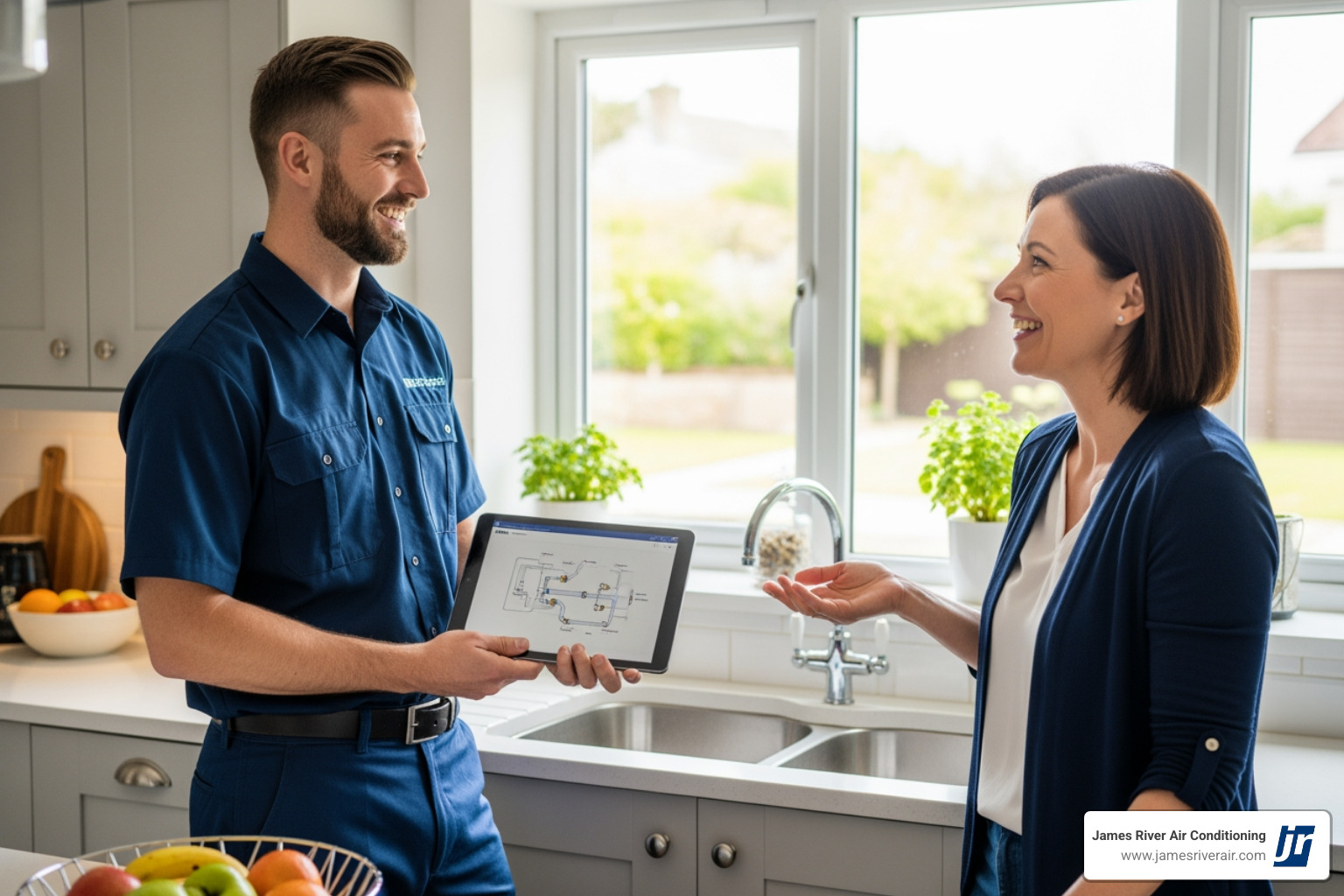
Affordable Plumbing and Mechanical services encompass the professional installation, maintenance, and repair of essential residential and commercial infrastructure, including water supply lines, drainage, heating, ventilation, and air conditioning (HVAC) systems. These specialized contractors ensure that building environments remain safe, functional, and energy-efficient by adhering to modern building codes and utilizing advanced diagnostic technologies.
The integration of plumbing and mechanical disciplines under one roof provides property owners with a streamlined approach to facility management. As we move through 2026, the demand for integrated services has grown, driven by the increasing complexity of smart home technologies and high-efficiency climate control systems. Understanding the scope of these services—from simple leak repairs to complex mechanical piping—is essential for any homeowner or facility manager looking to protect their investment.
The Dual Nature of Plumbing and Mechanical Services
While many people use the terms interchangeably, "plumbing" and "mechanical" refer to distinct but overlapping systems within a structure. A comprehensive provider like Affordable Plumbing and Mechanical bridges these gaps to offer a holistic solution for fluid and air movement.
The Plumbing Scope
Plumbing primarily deals with the "wet" systems of a building. This includes the distribution of potable water and the removal of waterborne waste. In 2026, plumbing has evolved to include sophisticated water filtration systems and greywater recycling.
- Potable Water Systems: Ensuring clean water reaches every fixture without contamination.
- Sanitary Drainage: The complex network of pipes that safely whisks waste away to municipal sewers or septic systems.
- Gas Piping: Licensed plumbers often handle the installation and repair of natural gas or propane lines for stoves, dryers, and fireplaces.
The Mechanical Scope
Mechanical services generally refer to the HVAC/R (Heating, Ventilation, Air Conditioning, and Refrigeration) systems. These systems are responsible for thermal comfort and indoor air quality.
- Hydronic Heating: Systems that use water as a heat-transfer medium in radiators or underfloor heating.
- Air Handling Units (AHUs): The "lungs" of a commercial building that circulate and filter air.
- Refrigeration: Vital for both residential kitchens and commercial cold storage, involving complex refrigerant cycles.
Essential Residential Plumbing Services
Residential plumbing remains the backbone of domestic comfort. In 2026, the focus has shifted toward sustainability and "smart" monitoring.
Advanced Leak Detection and Repair
Traditional methods of "searching and destroying" walls to find a leak are largely obsolete. Modern affordable plumbing services utilize acoustic sensors and thermal imaging to pinpoint the exact location of a moisture intrusion. This precision reduces labor costs and minimizes the damage to the home's interior.
Water Heater Technology in 2026
The transition away from traditional tank-style heaters has accelerated. Most professional installers now prioritize:
- Tankless (On-Demand) Systems: These units heat water only when needed, significantly reducing energy bills.
- Heat Pump Water Heaters: Utilizing ambient air temperature to heat water, these are the most efficient electric options available in the current market.
- Smart Integration: Modern heaters connect to home automation hubs, alerting owners to sediment buildup or heating element failure before a total breakdown occurs.
Drain Cleaning and Hydro-Jetting
Standard snaking is often a temporary fix for recurring clogs. Professional mechanical services now employ hydro-jetting, which uses high-pressure water streams (up to 4,000 PSI) to scrub the internal walls of pipes. This process removes grease, mineral scale, and even tree roots, restoring the pipe to nearly its original diameter.
Mechanical Systems: HVAC and Indoor Climate Control
The "Mechanical" side of the business focuses on the thermodynamics of your property. By 2026, federal and state regulations have tightened regarding energy efficiency, making professional mechanical expertise more critical than ever.
High-Efficiency HVAC Installations
With the phase-out of older refrigerants like R-22 and the transition away from R-410A, mechanical contractors are now installing systems optimized for R-454B and R-32. These refrigerants have a much lower Global Warming Potential (GWP). A qualified mechanical contractor ensures that the system is sized correctly through a Manual J Load Calculation, preventing the "short-cycling" that plagues improperly installed units.
Indoor Air Quality (IAQ) Solutions
Post-pandemic awareness of airborne pathogens has made IAQ a standard part of mechanical service. Affordable providers now offer:
- HEPA Filtration: Integrating medical-grade filters into existing ductwork.
- UV-C Germicidal Lights: Installed within the HVAC coils to kill mold, bacteria, and viruses.
- Energy Recovery Ventilators (ERVs): These systems swap stale indoor air with fresh outdoor air while "recovering" the temperature to minimize energy loss.
Boiler and Hydronic Maintenance
For homes and businesses using boilers, mechanical services are vital for safety. This includes checking the expansion tank, verifying the low-water cutoff functionality, and ensuring the flue is venting carbon monoxide safely out of the structure.
Identifying Quality in "Affordable" Providers
The word "affordable" should not imply "cheap" or "low-quality." In the context of plumbing and mechanical trades, affordability stems from efficiency, correct first-time diagnostics, and long-term durability.
Licensing and Certifications
Always verify that the contractor holds a valid Master Plumber license and specialized mechanical certifications. In the United States, look for technicians who are NATE (North American Technician Excellence) certified. This ensures the individual working on your complex HVAC system has passed rigorous industry exams.
Insurance and Bonding
Plumbing and mechanical work involve high stakes. A burst pipe or a gas leak can cause catastrophic damage. Ensure the provider carries:
- General Liability Insurance: Protects your property in case of accidental damage.
- Workers' Compensation: Ensures you are not liable if a technician is injured on your premises.
Transparent Pricing Structures
Reputable companies in 2026 provide digital estimates with "good, better, best" options. This transparency allows consumers to choose between a standard repair and a long-term upgrade based on their current budget.
2026 Cost Benchmarks for Plumbing and Mechanical Services
Costs fluctuate based on geography and material availability. However, the following table provides a generalized estimate for common services provided by affordable plumbing and mechanical firms.
| Service Category | Estimated Cost Range (2026) | Typical Duration | Key Considerations |
|---|---|---|---|
| Emergency Drain Cleaning | $175 – $450 | 1–3 Hours | Includes camera inspection in many cases. |
| Tankless Water Heater Install | $2,500 – $5,500 | 1 Full Day | Requires specialized venting and gas line sizing. |
| Standard HVAC Tune-Up | $125 – $250 | 1.5 Hours | Essential for maintaining manufacturer warranties. |
| Sewer Line Replacement | $3,500 – $12,000 | 2–5 Days | Trenchless (pipe bursting) is cleaner but pricier. |
| Smart Leak Detector Install | $300 – $800 | 2 Hours | Can significantly lower home insurance premiums. |
| Whole-Home Filtration | $1,200 – $3,000 | 4–6 Hours | Depends on water quality and system complexity. |
Industrial and Commercial Mechanical Systems
Affordable Plumbing and Mechanical services also extend to the commercial sector, where the scale and complexity of systems increase exponentially.
Commercial Piping and Greasetraps
Restaurants and industrial kitchens rely on specialized plumbing to manage fats, oils, and grease (FOG). Mechanical contractors design and maintain interceptor systems that prevent these substances from entering the municipal sewer, which helps businesses avoid heavy fines from local environmental agencies.
Rooftop Units (RTUs) and Multi-Zone Systems
Commercial buildings often use RTUs to provide climate control for large open spaces. These units require specialized rigging and mechanical knowledge to install and maintain. Furthermore, multi-zone systems utilize Variable Air Volume (VAV) boxes to allow different offices or sections of a building to maintain different temperatures simultaneously.
Backflow Prevention and Testing
Most commercial properties are required by law to have backflow prevention devices. These prevent contaminated water from being siphoned back into the public water supply. A certified mechanical contractor must test these devices annually and submit the results to the local water authority.
Common Troubleshooting: When to Call a Professional
Many property owners attempt DIY repairs, but plumbing and mechanical systems often require specialized tools and knowledge of the International Plumbing Code (IPC).
- Low Water Pressure: While it could be a simple clogged aerator, it often indicates a failing pressure-reducing valve (PRV) or a hidden leak in the main supply line.
- Discolored Water: Rusty or "milky" water often points to a failing water heater anode rod or oxidizing pipes, which requires professional flushing or replacement.
- The "Sulfur" Smell: If you smell rotten eggs, it is likely mercaptan, the additive in natural gas. Evacuate the premises immediately and call your mechanical contractor or gas company from a safe distance.
- Uneven Heating/Cooling: If some rooms are cold while others are hot, your mechanical system may have ductwork leaks or a failing blower motor.
Preventative Maintenance: The Key to Affordability
The most "affordable" way to manage plumbing and mechanical systems is to prevent failure before it happens.
- Annual HVAC Inspections: In the spring (for AC) and fall (for Heat), a technician should check refrigerant levels, clean coils, and inspect electrical connections. According to the Department of Energy, regular maintenance can improve efficiency by 5% to 15%.
- Water Heater Flushing: Sediment buildup at the bottom of a tank acts as an insulator, forcing the heater to work harder and eventually causing the tank to crack. Annual flushing extends the unit's life by years.
- Visual Pipe Inspections: Periodically checking under sinks and around exposed basement pipes for "greenish" corrosion (oxidation) can catch a pinhole leak before it becomes a flood.
Frequently Asked Questions
What is the difference between a plumber and a mechanical contractor?
A plumber focuses on water, waste, and gas piping systems. A mechanical contractor handles broader building systems, including HVAC, refrigeration, and complex air-handling systems. Many modern firms operate as "Plumbing and Mechanical" contractors to provide comprehensive service for all fluid and air systems.
Are "affordable" services reliable for emergency repairs?
Affordability usually refers to fair, competitive market pricing rather than a lack of urgency. Most reputable plumbing and mechanical companies offer 24/7 emergency services for critical issues like burst pipes, gas leaks, or loss of heat in freezing temperatures.
How often should I have my mechanical systems serviced?
Standard residential HVAC systems should be serviced twice a year. Plumbing systems should undergo a professional inspection every 2 to 3 years, though homeowners should perform monthly visual checks for leaks or slow drains.
Can a mechanical contractor help lower my energy bills?
Yes. Mechanical contractors specialize in optimizing system efficiency. This can involve sealing leaky ductwork, installing programmable smart thermostats, or upgrading to high-efficiency variable-speed heat pumps, which can reduce energy consumption by up to 30%.
Is a permit required for plumbing or mechanical work?
In most jurisdictions, permits are required for any "major" work, such as replacing a water heater, installing a new furnace, or altering gas lines. A professional contractor will handle the permitting process to ensure the work is inspected and meets safety codes.
Recommendation for Property Owners
When selecting an Affordable Plumbing and Mechanical provider, prioritize value over the lowest bid. A contractor who uses high-quality PEX or copper piping, provides a written warranty on labor, and employs NATE-certified technicians will save you thousands of dollars in the long run by preventing premature system failure. Always request a detailed breakdown of parts and labor, and ensure that the company is familiar with the 2026 local building codes to avoid compliance issues during future property appraisals or sales.