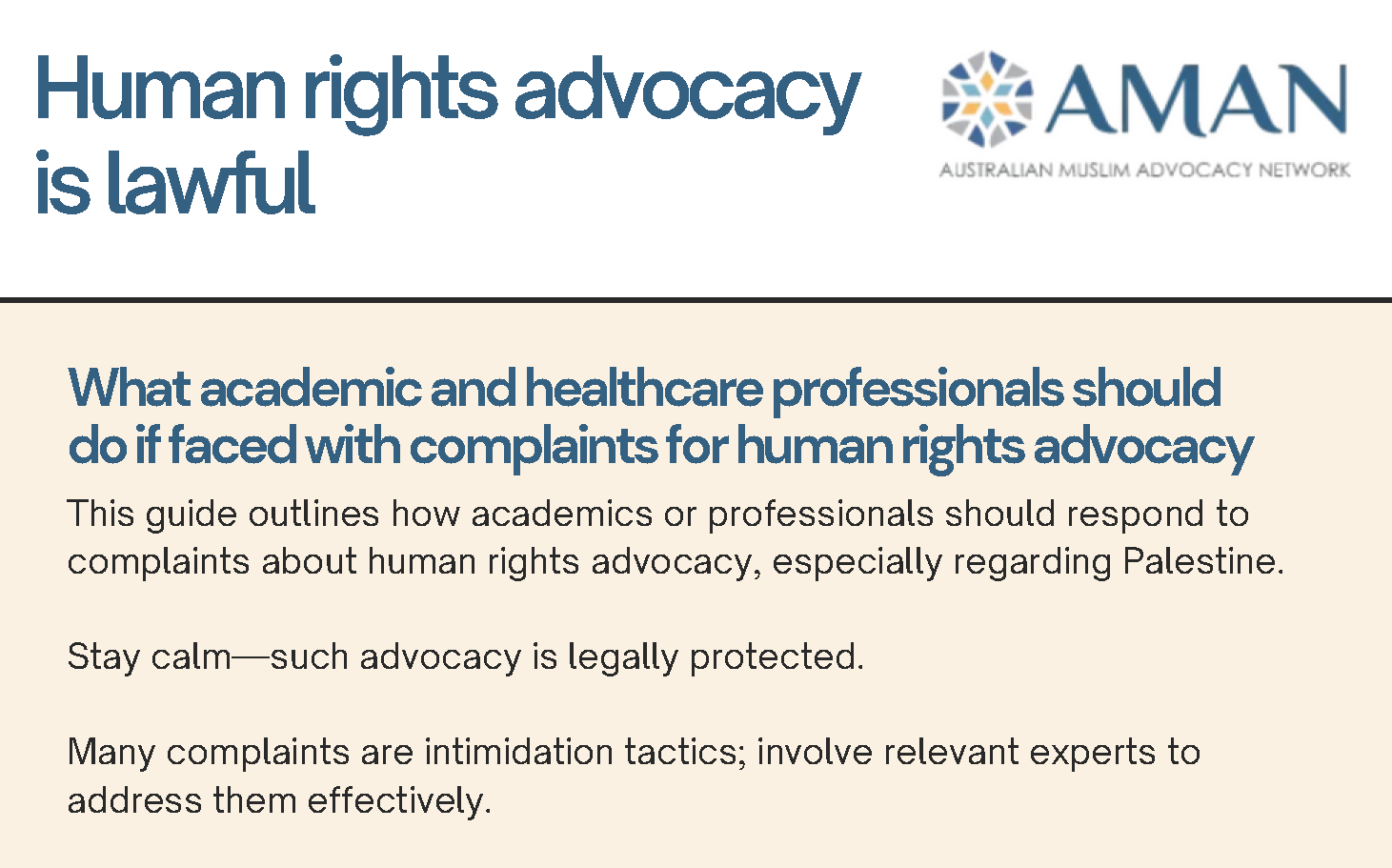
Advocacy for human rights acts as the fundamental safeguard for individual dignity, systemic equality, and the rule of law. It transcends simple political opinion, serving as a critical mechanism that enforces government accountability, protects vulnerable populations, and establishes the legal and social framework necessary for global stability and economic prosperity in 2026.
The Mechanics of Human Rights Advocacy
At its core, human rights advocacy is the active process of influencing the policies, attitudes, and behaviors of institutions—ranging from local municipalities to international bodies—to ensure they align with the Universal Declaration of Human Rights. When individuals or organizations engage in advocacy, they are not merely expressing a preference; they are participating in a necessary oversight function.
Historically, the protection of rights has rarely been a passive occurrence. It requires persistent vigilance. Advocacy works by bridging the gap between established international treaties and the reality of their enforcement. Without consistent pressure from non-governmental organizations (NGOs), activists, and individual citizens, legal documents often remain theoretical. Advocacy transforms these static principles into actionable protections by documenting abuses, providing evidence to judicial bodies, and forcing transparency in governmental processes.
Societal Stability and Economic Prosperity
A common misconception is that human rights advocacy is an isolated social issue detached from material progress. In reality, there is a direct, measurable correlation between robust human rights protections and stable, flourishing economies. When a society respects the rights of its citizens, it fosters an environment of predictability and security.
- Investment Confidence: Markets thrive where the rule of law is predictable. Investors are far more likely to commit capital to regions where property rights are protected and judicial systems operate without arbitrary bias.
- Talent Retention: Societies that prioritize equality and freedom of expression attract and retain global talent. Human rights, such as the right to education and the right to work, are essential for developing a workforce that can innovate and contribute to the economy.
- Conflict Prevention: Human rights violations are frequently the precursor to broader social unrest and political instability. Advocacy that addresses grievances early acts as an early warning system, preventing the escalation of conflicts that could otherwise result in significant humanitarian and economic crises.
The Role of Advocacy in the Digital Age
As of 2026, the digital landscape has fundamentally changed the speed and scale of advocacy. Technology allows for the rapid dissemination of information, but it also creates unique challenges, such as the spread of disinformation and the surveillance of activists.
Digital advocacy requires a high level of media literacy and technical awareness. The ability to verify reports of human rights abuses in real-time has made advocates more effective, but it has also placed them in the crosshairs of state-sponsored actors. Consequently, modern advocacy now necessitates a deep understanding of cybersecurity, secure communication practices, and digital privacy laws. The impact of these efforts is now global; a local act of advocacy can trigger international diplomatic discussions within hours, creating a level of accountability that was impossible in previous decades.
Comparative Impact of Advocacy Approaches
| Strategy | Primary Mechanism | Effectiveness | Potential Risk |
|---|---|---|---|
| Legal Litigation | Utilizing courts to enforce statutes | High (precedent-setting) | High cost, long duration |
| Public Awareness | Social media and press campaigns | High (mass influence) | Misinformation, polarization |
| Direct Lobbying | Engaging policymakers directly | Moderate (targeted) | Institutional corruption risks |
| Grassroots Organizing | Community-based empowerment | Moderate (foundational) | Requires significant time |
Prerequisites for Effective Participation
If you wish to contribute to the advocacy of human rights, it is important to approach the task with strategic preparation. Good intentions are valuable, but they are most effective when paired with an understanding of the systemic environment.
- Define Your Focus: Human rights is a broad field. Success is often found by narrowing your focus to a specific area—such as climate justice, freedom of speech, or labor rights—where your resources and interests overlap.
- Identify Credible Sources: Before acting on a cause, verify the underlying claims through reputable organizations such as the Office of the United Nations High Commissioner for Human Rights (OHCHR) or verified independent monitors.
- Assess Personal Capacity: Determine if you are looking to contribute time, financial resources, or professional expertise. Organizations often have a greater need for specific skills, such as legal research, translation, or data analysis, than for general assistance.
- Understand Jurisdictional Limits: Be aware that advocacy tactics that are effective in one country may be ineffective or even dangerous in another due to variations in local laws and civil rights protections.
Common Mistakes in Human Rights Advocacy
Even well-meaning efforts can be counterproductive if they lack strategy. One of the most common pitfalls is "slacktivism"—the tendency to perform low-effort actions, such as sharing a post on social media, under the impression that this constitutes a meaningful contribution. While awareness is a necessary first step, it is insufficient on its own.
Another mistake is failing to consult the very communities one intends to support. Advocacy is most effective when it is led by or done in direct partnership with affected groups. External intervention without local input often results in solutions that do not address the actual needs of the population and may even unintentionally exacerbate existing social divisions.
Navigating the Complexity of Global Standards
While the Universal Declaration of Human Rights serves as a global benchmark, interpretation and enforcement vary wildly. In 2026, advocates must navigate a geopolitical landscape where the definition of "human rights" is increasingly contested.
Effective advocacy requires understanding the difference between non-binding declarations and enforceable treaty law. For instance, while a UN resolution may provide moral weight and international visibility, the International Covenant on Civil and Political Rights (ICCPR) provides binding legal obligations for states that have ratified it. Understanding these distinctions allows advocates to target their efforts toward mechanisms that have the highest probability of resulting in material change for individuals on the ground.
Frequently Asked Questions
Is human rights advocacy only for legal professionals? No. While legal expertise is highly valuable, the most impactful advocacy often comes from journalists, researchers, artists, and concerned citizens who bring public attention to ignored issues. Your unique perspective and professional skills are likely applicable to a specific aspect of the advocacy chain.
How can I verify if an organization is truly advancing human rights? Look for transparency in their financial reporting, clear definitions of their methodology, and evidence of collaboration with independent, local stakeholders. Reliable organizations generally publish periodic reports detailing their activities, challenges, and the impact of their interventions.
Can individual advocacy actually change government policy? Yes, but rarely in isolation. Policy change is usually the result of sustained pressure from a combination of grassroots movements, media exposure, and diplomatic or legal challenges. Your contribution adds to the critical mass required for institutions to recognize that the cost of inaction exceeds the cost of reform.
What is the most effective way to start advocating for a cause? Identify an established, reputable NGO working in your area of interest and review their current "Take Action" resources. These organizations have already identified the most efficient leverage points, such as specific petitions, public awareness campaigns, or administrative actions you can participate in immediately.
Does digital advocacy replace the need for physical presence? No. While digital advocacy is essential for scale and speed, physical advocacy—such as attending town halls, observing court hearings, or engaging in local community meetings—remains vital for building trust and maintaining long-term, tangible influence.
Next Steps
The most sustainable way to engage in human rights advocacy is to move from passive awareness to active, long-term commitment. Identify one specific issue that you believe requires reform, research the primary regulatory or social barriers preventing that reform, and connect with a verified organization already working in that space. By aligning your efforts with established, evidence-based strategies, you ensure that your contribution serves as part of a coherent, effective movement rather than an isolated reaction. Advocacy is a marathon, not a sprint; consistent, informed, and collaborative efforts are the only way to ensure that rights are not just documented, but respected.