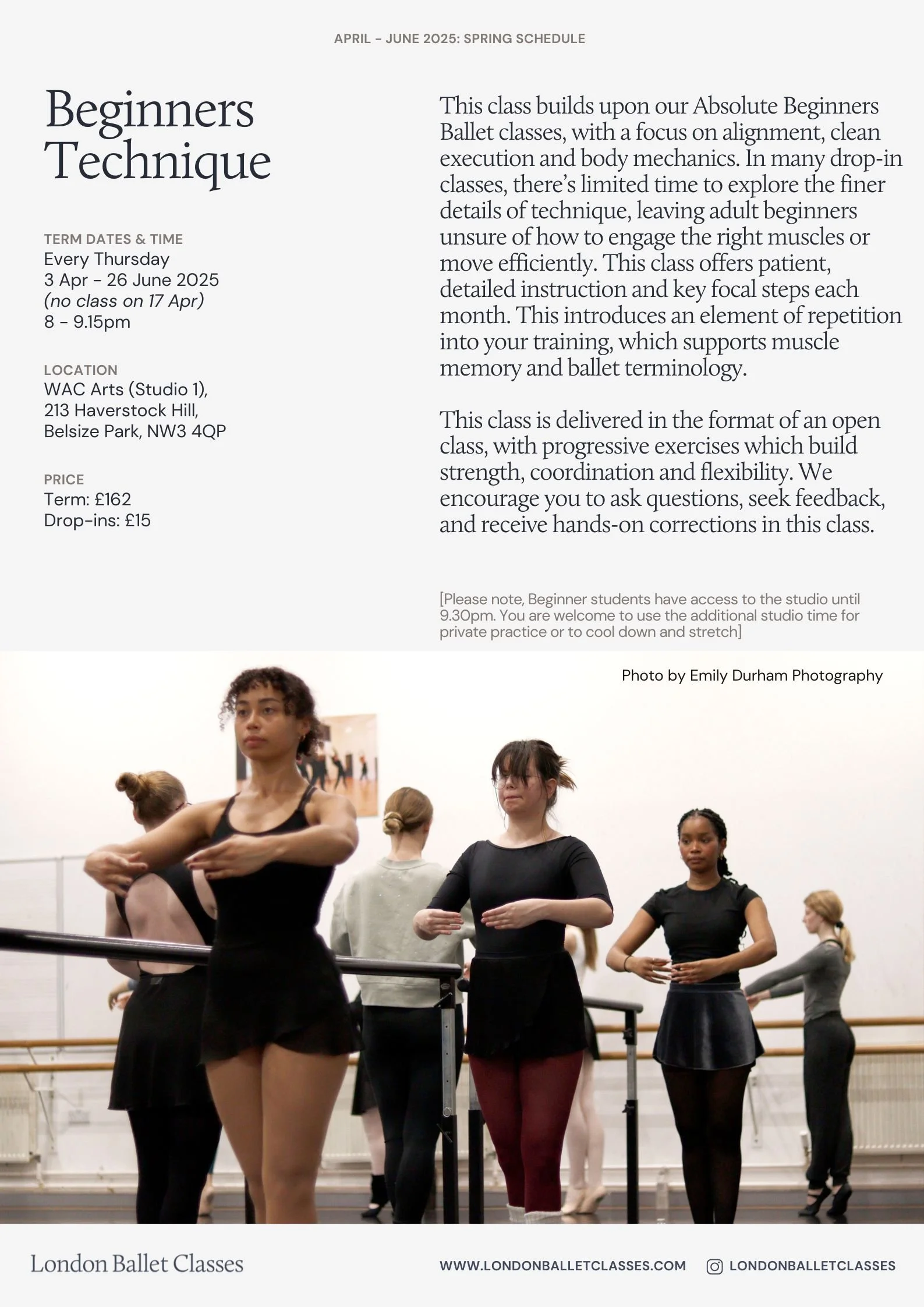
Adult beginner ballet classes in Salt Lake City provide an accessible, low-impact way to build core strength, flexibility, alignment, and artistic expression without requiring prior dance experience. Premier institutions like Ballet West Academy alongside dedicated community studios offer drop-in open classes and structured beginner workshops tailored specifically for adult learners of all ages and fitness levels.
The Appeal of Starting Ballet as an Adult in Salt Lake City
Salt Lake City boasts a rich cultural history rooted in performing arts. As home to world-renowned professional companies like Ballet West, Repertory Dance Theatre (RDT), and Ririe-Woodbury Dance Company—as well as the University of Utah's historically significant dance department—the Salt Lake Valley offers a uniquely supportive environment for adult arts education.
For adults looking to diversify their exercise routine or fulfill a lifelong curiosity, ballet offers distinct physical and mental benefits:
- Core Stability and Postural Alignment: Ballet relies heavily on deep abdominal engagement, pelvic alignment, and back strength, helping counter the physical strain of sedentary desk work.
- Low-Impact Functional Strength: Exercises target neglected muscle groups, including the inner thighs, deep hip rotators, calves, and small stabilizing muscles in the feet and ankles.
- Flexibility and Joint Mobility: Gentle, repetitive movement through a full range of motion gradually increases hamstring, hip, and shoulder flexibility without aggressive strain.
- Cognitive Workout: Learning combinations, memorizing French terminology, and coordinating arm and leg movements to musical rhythms provide intense mental engagement and spatial awareness.
- Stress Relief and Mindfulness: Concentrating on precise technique and musicality forces full presence, serving as an active form of meditation.
Whether your goal is physical fitness, artistic exploration, or structural rehabilitation, Salt Lake City's adult dance community welcomes absolute beginners with open arms.
Top Studios for Adult Beginner Ballet in the Salt Lake Area
Selecting the right studio environment depends on your schedule, geographic location within the Salt Lake Valley, and preferred learning structure. The following established institutions offer dedicated adult beginner programming.
1. Ballet West Academy (Jessie Eccles Quinney Ballet Center)
Located in downtown Salt Lake City adjacent to the Capitol Theatre, Ballet West Academy is the official educational arm of Ballet West.
- Program Overview: The academy hosts an Adult Open Class Division catering to recreational adult dancers. They offer absolute beginner and slow-paced beginner classes alongside intermediate options.
- Atmosphere and Facilities: Classes take place in state-of-the-art studios equipped with professional sprung Marley flooring, high ceilings, and ample barre space. Accompaniment often features live piano music or expertly curated classical scores.
- Scheduling and Access: Classes are generally offered on a single drop-in basis or through multi-class punch passes, allowing busy professionals maximum scheduling flexibility.
2. Salt Lake City Ballet (SLC Ballet)
SLC Ballet, located near the Sugar House neighborhood, is a classical ballet studio known for its methodical, curriculum-based approach for all age groups.
- Program Overview: SLC Ballet provides dedicated adult ballet programming, featuring both recurring open drop-in classes and seasonal "Absolute Beginner Workshops."
- Atmosphere and Facilities: The environment is intimate, instructional, and focused on technique. Instructors place heavy emphasis on anatomical safety, correct foot alignment, and foundational terminology.
- Scheduling and Access: Beginner workshops run in progressive blocks (typically 6 to 8 weeks), making them ideal for adults who prefer learning alongside a fixed cohort of fellow beginners.
3. Dance Center on Broadway (Repertory Dance Theatre)
Housed within the Rose Wagner Performing Arts Center in downtown Salt Lake City, the Dance Center on Broadway serves as a major hub for community dance classes.
- Program Overview: Administered by Repertory Dance Theatre, the center offers open community classes in various styles, including foundational ballet, modern dance, and dance conditioning.
- Atmosphere and Facilities: The atmosphere is highly inclusive, welcoming, and relaxed. It caters to community members seeking fitness and artistic enjoyment without high-pressure performance demands.
- Scheduling and Access: Single drop-in tickets and class cards are available online or at the door prior to class time.
4. Tanner Dance at the University of Utah
Situated at the Beverly Taylor Sorenson Arts Learning Complex on the University of Utah campus, Tanner Dance has served the Wasatch Front for decades.
- Program Overview: While widely recognized for youth programming, Tanner Dance periodically offers adult movement, ballet technique, and floor barre/conditioning classes designed for lifelong learners.
- Atmosphere and Facilities: World-class academic facility with bright studios, modern spring floors, and easy access for students and community members residing on the East Bench.
Understanding Class Formats: Drop-in vs. Workshop Series
When searching for adult beginner ballet in Salt Lake City, you will encounter two primary class formats. Understanding the differences will help you choose the best entry point for your learning style.
| DROP-IN OPEN CLASSES | PROGRESSIVE WORKSHOP SERIES |
|---|---|
| • Flexible weekly scheduling• Pay per class or multi-pass• Mixed experience levels in class• Ideal for variable work schedules | • Fixed 6-to-8 week commitment• Fixed cohort of absolute beginners• Sequential week-by-week curriculum• Ideal for building foundational basics |
Drop-in Open Classes
Open classes allow dancers to attend whenever their schedule permits without a long-term commitment.
- Pros: High flexibility, easy online booking, low upfront investment.
- Cons: Class composition changes weekly. Because skill levels vary slightly among participants, instructors must strike a balance that suits the overall room, which can feel fast-paced for your very first lesson.
Progressive Beginner Workshop Series
A workshop series enrolls a single group of beginners for a multi-week course that builds systematically week after week.
- Pros: Starts at absolute square one (explaining basic feet positions and barre usage). Every participant moves at the same pace, fostering a supportive group dynamic and steady skill progression.
- Cons: Requires consistent attendance on the same day and time each week; missed sessions usually cannot be refunded.
What Happens During an Adult Beginner Ballet Class?
A standard adult ballet class lasts between 60 and 90 minutes and follows a structured traditional sequence designed to warm up the body safely, build strength, and develop spatial coordination.
- Barre Work (Warm-up, alignment, foundational technique)
- Center Work (Balance, port de bras, slow control/adagio)
- Across the Floor (Leaps, chassés, turns, traveling steps)
- Révérence (Cool-down, bow/curtsy, instructor thanks)
1. The Barre (40–50 Minutes)
Class always begins at the barre—a wooden or metal handrail mounted along the studio walls or freestanding in the room. The barre provides physical balance so you can focus entirely on posture, turn-out (external rotation from the hip sockets), and foot placement.
Common beginner barre exercises include:
- Plié (bending): Smooth knee bends (demi-plié and grand-plié) that warm up the ankles, knees, and hip joints while establishing turn-out.
- Tendu (stretched): Extending the foot along the floor until only the tip of the toes touches, developing foot strength and ankle articulation.
- Dégagé (disengaged): Similar to a tendu, but brushing the foot slightly off the floor with speed and control.
- Rond de Jambe (round of the leg): Circular motions of the leg on the floor to open and warm up the hip socket.
- Grand Battement (large beat): Controlled, powerful lifting of the leg into the air while maintaining an upright torso.
2. Center Work (20–30 Minutes)
Once the body is warm and alignment is established, dancers move to the middle of the room without the support of the barre.
Center exercises test core stability and balance. Beginner center work usually includes:
- Port de Bras (carriage of the arms): Learning the basic arm positions (1st through 5th) and coordinating arm movements with body directions.
- Adagio (slow movement): Sustained balances on one leg, gentle extensions, and slow weight shifts to develop poise and muscular endurance.
3. Across-the-Floor & Allegro (10–15 Minutes)
The final movement portion introduces traveling steps and light jumping (allegro):
- Chassé (chased): A smooth traveling step where one foot glides forward and the other follows, used to transition across the floor.
- Petit Allegro (small brisk movements): Small, low-impact jumps such as sautés (jumping in two feet) or changement (switching feet in the air).
- Grand Allegro: Basic leaps and larger traveling sequences tailored for beginners to experience the joy of elevation.
4. Révérence (2–3 Minutes)
Class concludes with a traditional révérence—a brief formal curtsy or bow set to music. This ritual allows dancers to pay respect to the ballet tradition, express gratitude to the teacher and accompanist, and acknowledge their classmates.
What to Wear and Bring to Your First Class
One common anxiety for adult beginners is dance attire. Modern adult ballet classes in Salt Lake City do not require strict professional dress codes; comfort, modest fit, and freedom of movement are the priorities.
| ITEM | RECOMMENDATION |
|---|---|
| Footwear | Flat canvas or leather ballet slippers (split-sole canvas preferred) |
| Clothing (Option A - Casual) | Form-fitting athletic leggings/joggers & fitted t-shirt or tank top |
| Clothing (Option B - Traditional) | Black leotard, ballet tights (pink or skin-tone) optional wrap skirt or athletic shorts |
| Hair & Accessories | Hair pulled back off face and neck; minimal dangling jewelry |
| Accessories & Layers | Water bottle, small towel, warm-up sweater/ leg warmers (essential for Utah winters) |
Footwear
Socks are generally too slippery on smooth studio floors (Marley or finished wood), while street shoes or sneakers restrict foot articulation.
- Ballet Slippers: Purchase soft canvas or leather ballet shoes with full or split soles. Canvas split-sole slippers are flexible, breathable, and easy to wash. Shoes should fit snugly like a glove without pinching or curling your toes.
- Where to Buy in SLC: Local dancewear retailers like Prima Dancewear (located in the greater Salt Lake area) carry adult sizing and offer professional fittings. Specialty shoes can also be ordered online after measuring your feet according to brand size charts.
Clothing
Instructors need to see your knees, hips, and spine to correct your alignment and protect your joints.
- Athletic Wear: High-waisted yoga leggings or fitted athletic pants paired with a snug tank top or t-shirt work perfectly.
- Traditional Attire: If preferred, you may wear a classic leotard, tights, and a mesh wrap skirt. However, this is entirely optional in adult open classes.
- Men's Attire: Form-fitting athletic pants or shorts with compression gear and a fitted t-shirt or athletic top.
Winter Warm-ups
Salt Lake City winters bring cold temperatures, and studios can feel chilly before class starts. Layer your attire with a light cardigan, sweater, or leg warmers that you can shed as your muscles warm up during barre work.
Comparing Adult Beginner Ballet Options in Salt Lake City
The following matrix compares primary adult ballet venues across the Salt Lake Valley to help you choose the best fit for your budget, location, and goals.
| Studio Name | Primary Location | Format Offered | Estimated Cost Range | Atmosphere & Key Focus |
|---|---|---|---|---|
| Ballet West Academy | Downtown SLC (Capitol Theatre district) | Open Drop-in / Punch Cards | ~$18–$22 per drop-in class; pass discounts available | Professional, classic atmosphere; exceptional facilities and live piano music. |
| Salt Lake City Ballet (SLC Ballet) | Sugar House / East Side | Progressive Workshops & Open Classes | ~$120–$160 per 6–8 week series; drop-in options available | Curriculum-driven, structured, strong emphasis on fundamental technique and alignment. |
| Dance Center on Broadway (RDT) | Downtown SLC (Rose Wagner Center) | Community Drop-in Classes | ~$15–$20 per class | Welcoming, non-intimidating, arts-focused community vibe. |
| Tanner Dance (U of U) | East Bench (University Campus) | Seasonal Courses & Open Sessions | ~$15–$22 per class / term tuition | Academic setting, holistic movement focus, excellent spacious studios. |
| Suburban Community Studios | Sandy, Draper, Millcreek, Murray | Recreational Adult Drop-in / Seasonal | ~$12–$18 per class | Convenient local access, casual environment, ideal for suburban residents. |
Common Misconceptions About Adult Ballet
If you are hesitating to register for your first class, addressing these common myths can build confidence:
Myth 1: "I am not flexible enough to do ballet."
Flexibility is a result of practicing ballet, not a prerequisite for starting. Beginners are not expected to split or touch their toes on day one. Barre work progressively stretches your legs and hips safely within your current range of motion.
Myth 2: "I am too old to start learning."
Adult ballet classes routinely welcome students ranging from young adults in their 20s to active seniors in their 70s. The body adapts to classical movement at any age when taught with proper alignment and safe mechanics.
Myth 3: "Adult beginners have to wear pink tights and leotards."
As outlined in the attire section, adult open classes do not enforce youth studio uniform codes. Clean, fitted athletic clothes that allow you to move freely are completely acceptable in virtually every Salt Lake studio.
Myth 4: "Adults will eventually be forced to dance on pointe."
Dancing en pointe (on the tips of the toes in hard-toed shoes) requires years of rigorous ankle conditioning, structural alignment, and foot strength. Recreational adult beginner classes take place exclusively in flat shoes. Pointe work is an optional, advanced specialization that is never mandatory.
Studio Etiquette Tips for Beginners
Ballet studios operate under time-honored traditions of courtesy and focus. Following basic studio etiquette ensures a smooth experience for you and your classmates:
- Arrive 10–15 Minutes Early: Give yourself time to check in at the front desk, change shoes, use the restroom, and warm up quietly in the studio before the instructor starts class.
- Claiming Barre Space: Leave enough space between yourself and neighboring dancers so you can extend your leg fully front and back without touching anyone. If space is tight, stagger your positioning slightly.
- Barre Direction: Unless instructed otherwise, begin barre exercises with your left hand resting lightly on the barre so your right leg (the working leg) faces the center of the room. When the instructor says "turn around," turn toward the barre rather than away from it to switch sides safely.
- Listen to Corrections: Instructors frequently give general corrections to the whole room (e.g., "pull up your abdominal muscles" or "soften your shoulders"). Apply these cues to your own body even if the teacher did not speak to you directly.
- Minimize Talking During Combinations: Keep side conversations to a minimum while the teacher is demonstrating steps or counting out music. Feel free to raise your hand and ask clarifying questions about a step or term between combinations.
Frequently Asked Questions
Do I need prior dance experience to take adult beginner ballet in SLC?
No. Absolute beginner classes and workshop series assume zero prior experience. Instructors explain foundational concepts step-by-step, including foot placement, body posture, arm positions, and basic French ballet vocabulary.
How much do adult ballet classes cost in Salt Lake City?
Single drop-in classes generally cost between $15 and $22 across most Salt Lake City studios. Most institutions offer multi-class punch cards (e.g., 5, 10, or 20-class passes) or monthly class packages that reduce the per-class rate to around $12 to $16.
Where can I buy ballet shoes in Salt Lake City?
Soft canvas ballet slippers can be purchased locally at dancewear specialty stores in the Salt Lake Valley, such as Prima Dancewear. Professional fitters can assist you in selecting the correct shoe size and width. Shoes can also be ordered online from reputable dance suppliers once you confirm your sizing.
Can men take adult beginner ballet classes in Salt Lake City?
Yes. Adult beginner classes in Salt Lake City are co-ed and welcome dancers of all gender identities. Men should wear comfortable, non-restrictive athletic wear—such as fitted athletic pants or shorts and a t-shirt—paired with soft canvas ballet slippers.
How often should a beginner attend class to see physical progress?
Attending class once a week is sufficient to learn basic terminology and enjoy low-impact exercise. However, attending two to three times per week accelerates muscle memory, improves flexibility faster, and builds stronger postural habits over time.
Practical Next Steps to Start Your Ballet Journey
Ready to take your first class in Salt Lake City? Follow this simple step-by-step checklist:
- Select Your Learning Format: Decide whether your schedule favors a drop-in class (maximum flexibility) or an absolute beginner workshop series (structured sequential learning).
- Choose a Convenient Studio: Select a studio location near your home or workplace—such as Ballet West Academy in downtown SLC or SLC Ballet in Sugar House—to make regular attendance manageable.
- Get Flat Ballet Slippers: Visit a local dancewear shop or order canvas split-sole ballet shoes online so you have proper footwear for studio floors.
- Reserve Your Spot Online: Most Salt Lake City studios require or strongly encourage pre-registration online through their website or class-booking platforms to manage room capacity.
- Arrive Prepared: Wear fitted athletic clothing, bring a water bottle, arrive 15 minutes early to adjust to the environment, and enjoy the physical and mental rewards of classical dance.