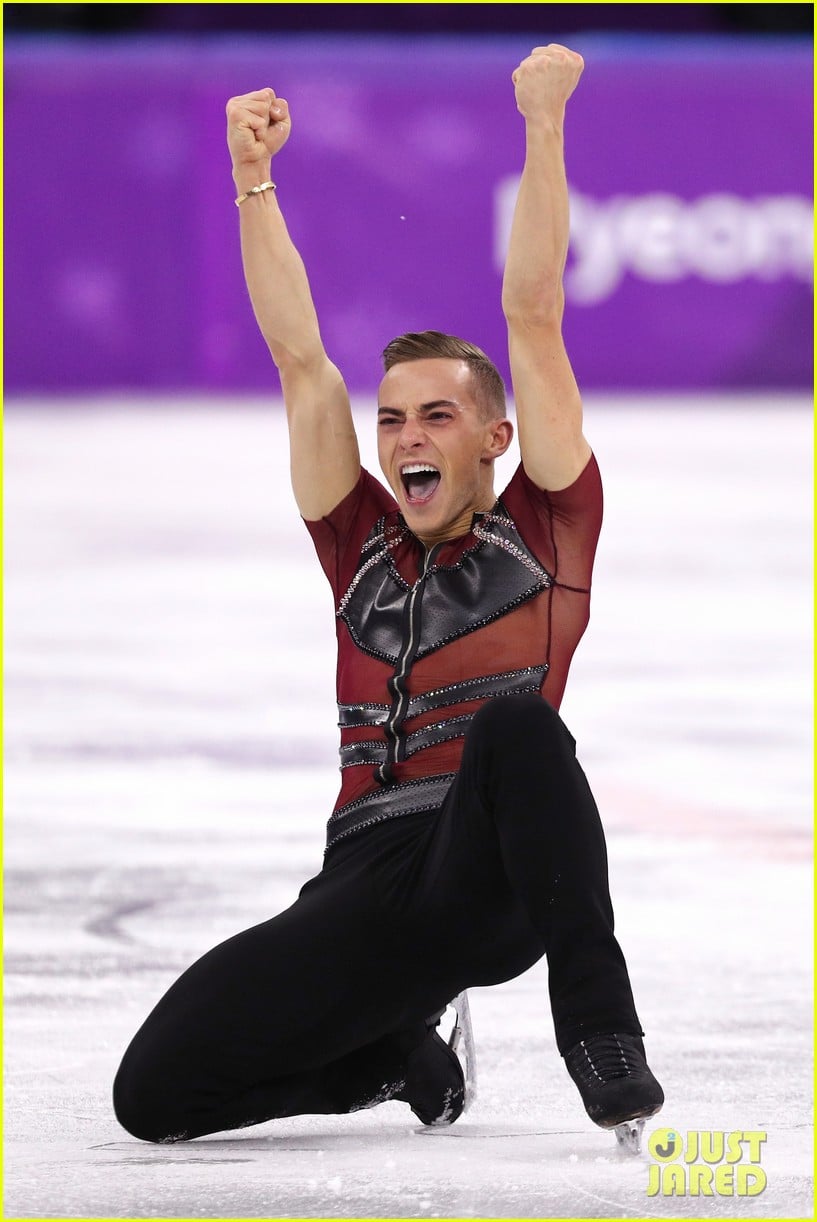
At the 2018 Winter Olympics in PyeongChang, figure skater Adam Rippon became a cultural phenomenon as the first openly gay American man to qualify for a Winter Games. Amidst his historic athletic performance and media presence, a specific controversy emerged regarding a Vice News article titled "Adam Rippon is America’s Gay Sweetheart," which the athlete criticized for its tone and framing, sparking a significant conversation about LGBTQ+ representation in sports media.
The Context of the 2018 Winter Olympics
The 2018 Winter Olympics served as a watershed moment for visibility in amateur and professional sports. Adam Rippon, an accomplished figure skater known for his technical precision and expressive artistry, arrived in South Korea not only as a competitor representing Team USA but as a prominent public figure. Having come out publicly in 2015, Rippon utilized the global platform of the Olympics to discuss his identity, his experiences as an athlete, and his perspectives on political leadership in the United States.
Rippon’s performance on the ice was marked by his contributions to the Team USA bronze medal-winning effort and a solid individual placement. However, his impact extended far beyond the rink. His unfiltered interviews, dry wit, and refusal to conform to traditional media-trained responses made him a media darling. This high level of scrutiny, however, brought both adoration and a complex push-pull relationship with journalists and publishers attempting to capture his narrative.
The Vice News Controversy Explained
The controversy centered on a February 2018 article published by Vice. The publication, often characterized by its edgy, youth-oriented reporting style, profiled Rippon during the peak of his Olympic fame. The article, which framed Rippon as a symbol of "gay excellence" and a "sweetheart," was met with frustration by the athlete himself.
Rippon took to social media to express his discontent, specifically noting that he felt the piece was condescending and failed to respect the boundaries he had attempted to set. The tension highlights a perennial friction in sports journalism: the difference between an athlete’s desire to be recognized primarily for their professional labor—in this case, figure skating—and a publication's inclination to prioritize a demographic or cultural "angle" that might feel reductive to the subject.
Why the Framing Mattered
For an athlete competing at the highest level of human physical performance, being reduced to a "mascot" or a "sweetheart" can undermine the years of grueling training required to reach the Olympic podium. Rippon’s critique suggested that by hyper-focusing on his identity as an "openly gay" figure to the exclusion of his nuance and agency, the publication was engaging in a form of soft objectification.
This moment became a case study in media literacy regarding how marginalized identities are covered in mainstream outlets. When media outlets cover LGBTQ+ athletes, there is a recurring struggle to balance the importance of representation with the necessity of treating the athlete as a complex, multifaceted individual rather than a representative of an entire community.
Navigating Media Relations as an Elite Athlete
The clash between Adam Rippon and Vice serves as a practical lesson for athletes managing their public image and for journalists conducting interviews. The "controversy" was not rooted in a factual error, but in a conflict of editorial perspective and personal boundaries.
Prerequisites for Fair Media Coverage
- Respect for Subject Agency: Athletes are partners in the interview process, not merely subjects for exploitation. Professional journalists aim to establish a rapport that allows the athlete to articulate their own narrative.
- Contextual Awareness: Coverage of identity is most effective when it is woven into the broader context of an athlete’s career, rather than serving as the sole focus.
- Editorial Responsibility: Publications must weigh the value of a "viral" angle against the potential for alienating the subjects they are covering.
Table 1: Perspectives in Sports Media Coverage
| Perspective | Objective | Risk |
|---|---|---|
| The Journalist/Publisher | Maximize engagement, define cultural significance, humanize the athlete. | Stereotyping, tone-deaf framing, ignoring athlete boundaries. |
| The Elite Athlete | Highlight technical achievements, maintain brand integrity, control personal narrative. | Appearing ungrateful, misinterpreting editorial intent, clashing with media. |
| The Audience | Seek relatable stories, consume news on public figures, form cultural opinions. | Echo chambers, superficial understanding of complex issues. |
The Aftermath and Long-Term Impact
In the years following the 2018 Olympics, the discourse surrounding LGBTQ+ representation in sports has evolved significantly. Rippon’s ability to push back against media framing proved that athletes—particularly those with large platforms—are capable of shifting the power dynamic in the media-athlete relationship.
The incident is frequently referenced in media studies programs and sports journalism workshops as a prime example of the "identity trap." This trap occurs when a subject's identity is treated as their primary, or even singular, qualification for media attention. For Rippon, the legacy of the 2018 Olympics is that of a trailblazer who not only performed on the ice but actively managed his public reception, ensuring that his identity was part of his story, but not the entirety of it.
Lessons for Future Media Interactions
When athletes encounter media coverage that feels misaligned with their public persona, there are standard professional approaches to navigate such tensions:
- Pre-Interview Vetting: High-profile athletes often engage in discussions with journalists regarding the scope of an interview to ensure the focus remains on their career and goals.
- Direct Communication: Utilizing social media to clarify positions—as Rippon did—allows an athlete to speak directly to their audience without the filter of an editor or third party.
- Professional Advocacy: Sports agencies and PR representatives play a critical role in mediating between the athlete's comfort levels and the publication's deadlines or editorial goals.
Frequently Asked Questions
Did Adam Rippon apologize for the Vice controversy?
Adam Rippon did not apologize. He stood by his critique, maintaining that his frustration was a valid reaction to how he was portrayed. He viewed the incident as an opportunity to set a boundary regarding how he wanted his professional and personal life to be discussed in the media.
Was the article retracted by Vice?
The article was not retracted. It remained available as part of the publication’s archive. While the framing of the piece was debated, the controversy did not involve factual inaccuracy, which is the standard threshold for article retraction in mainstream media.
How did the LGBTQ+ community react to the incident?
The reaction was mixed. Some saw Rippon’s pushback as a brave act of self-advocacy, emphasizing that LGBTQ+ individuals should not be defined solely by their sexuality. Others felt that the media coverage, while perhaps flawed in its tone, still provided necessary visibility for a marginalized community at a global event.
What is the primary lesson for journalists from this event?
The primary lesson is the importance of "subject-first" journalism. Journalists are encouraged to listen to how the subject defines themselves and their priorities, rather than imposing a pre-packaged narrative that may simplify or exploit a subject's identity for clicks or traffic.
How did this impact Adam Rippon’s career?
The incident did not negatively impact his career. Rippon went on to enjoy increased popularity, winning Dancing with the Stars later in 2018 and continuing to work as a commentator and coach. The controversy is now considered a minor but illustrative chapter in his post-Olympic transition.
Recommendation for Further Reading
To fully understand the landscape of sports media and identity, one should examine the guidelines provided by organizations like GLAAD regarding the representation of LGBTQ+ people in media. Understanding the difference between reporting on an athlete’s contributions and fetishizing their identity is essential for anyone interested in the intersection of sports, journalism, and social justice. When reading profiles of elite athletes, look for pieces that balance personal history with rigorous reporting on the athlete's actual sport and professional trajectory.