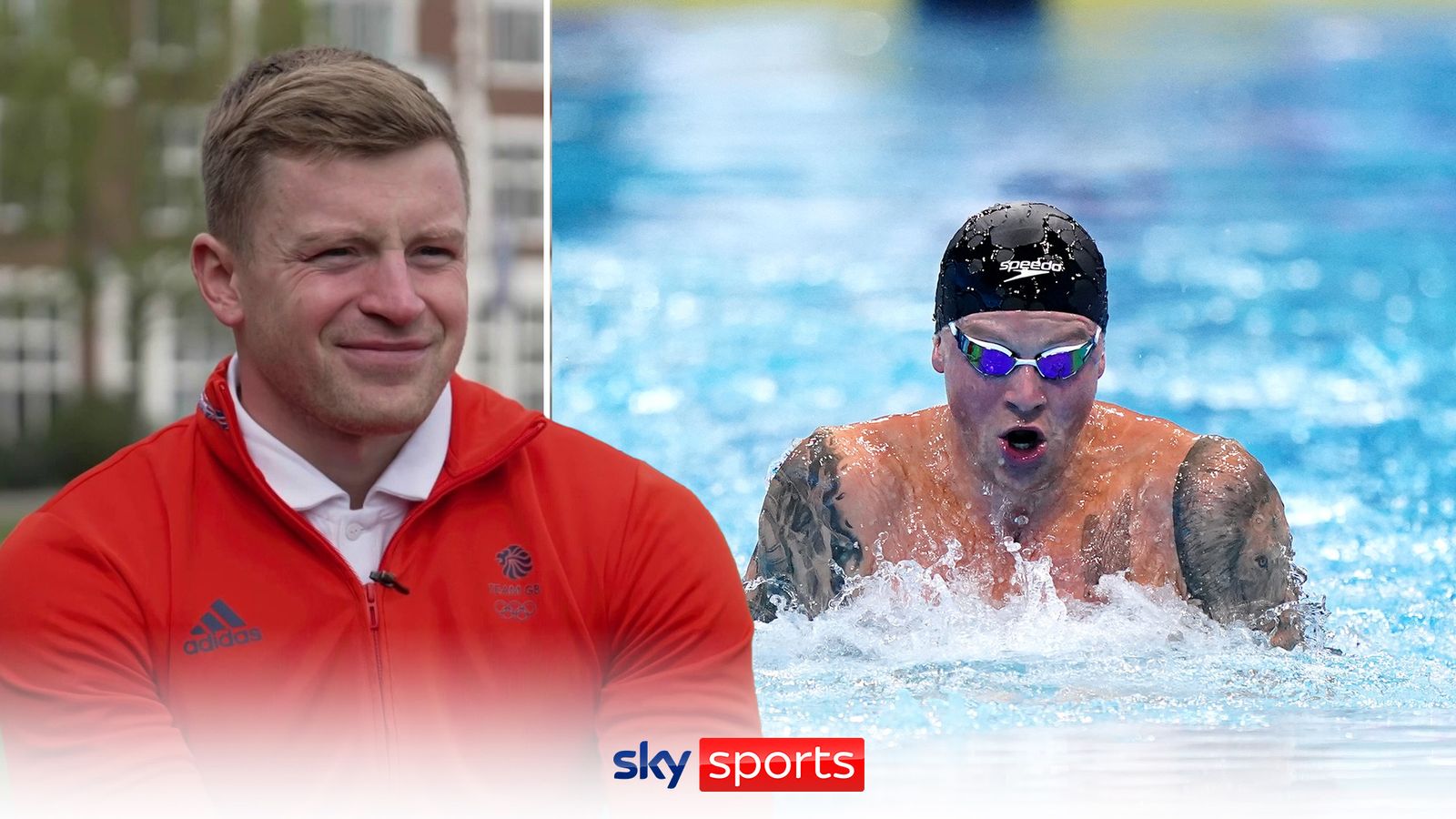
Adam Peaty’s high-profile mental health break marks a pivotal moment in elite sports, shedding light on the psychological tolls of relentless athletic training, public scrutiny, and the pursuit of perfection. By stepping away from the pool ahead of major international competitions, the British Olympic champion forced a broader conversation about athlete wellbeing, burnout, and the necessity of psychological recovery in high-performance environments.
The Context of Elite Swimming and Extreme Pressure
Competitive swimming is an unforgiving sport characterized by grueling training schedules, early mornings, and microscopic margins for error. For an athlete like Adam Peaty—who dominated the breaststroke events internationally for years, capturing multiple Olympic gold medals and setting numerous world records—the pressure to maintain absolute supremacy is immense.
The psychological architecture of elite sport often demands that athletes suppress physical and emotional fatigue. Peaty’s career was defined by an uncompromising drive. However, this relentless pursuit eventually led to cumulative physical injuries and profound mental exhaustion. When athletes build their entire identity around winning, any disruption—whether a minor injury, a drop in form, or generalized burnout—can trigger a deep psychological crisis.
Understanding Peaty’s decision requires examining the specific stressors faced by world-class swimmers:
- Monotonous Training Regimens: Swimmers log thousands of miles in chlorine-filled pools year after year, often with minimal variation in routine.
- The Weight of Expectation: Media outlets, national governing bodies, and fans expect continuous gold medals, turning every minor setback into a national headline.
- Identity Foreclosure: Many elite competitors dedicate their youth entirely to their sport, leaving them ill-equipped to handle personal crises outside of athletic achievement.
The Breaking Point: Injuries, Overtraining, and Burnout
The trajectory leading to Adam Peaty’s mental health break was compounded by physical setbacks, including a fractured foot and mental fatigue stemming from the postponed Tokyo 2020 Olympics and subsequent competitive cycles. Overtraining syndrome is a well-documented physiological and psychological state where the body and mind can no longer recover from accumulated stress.
When physical injuries sideline an athlete, the sudden loss of routine and purpose often exacerbates mental health struggles. Peaty candidly spoke about losing his love for the sport, experiencing depression, and feeling trapped by his own success. In elite sports culture, admitting vulnerability is frequently stigmatized. By openly addressing his struggles, Peaty challenged the archaic notion that mental fatigue is a sign of weakness.
Symptoms of Elite Athlete Burnout
| Symptom Category | Manifestation in Athletes | Typical Impact on Performance |
|---|---|---|
| Psychological | Loss of motivation, apathy, irritability, depression | Inability to focus during training; dreading competition |
| Physiological | Chronic fatigue, insomnia, frequent illness, hormonal imbalances | Decreased power output, prolonged recovery times, recurring injuries |
| Behavioral | Social withdrawal, changes in appetite, increased reliance on unhealthy coping mechanisms | Strained relationships with coaches, family, and teammates |
Stepping Away: The Decision to Prioritize Mental Health
In early 2023, Peaty made the public announcement that he would withdraw from the British Swimming Championships, effectively missing key international selection events to focus on his mental health and wellbeing. This decision required immense courage, as it meant forfeiting immediate championship opportunities and risking his ranking in a fiercely competitive global landscape.
Stepping away from the spotlight is rarely a simple vacation; it is an active, often clinical process of psychological rehabilitation. For Peaty, this meant stepping out of the chlorinated environment that had defined his life since childhood and learning to separate his intrinsic human worth from his external athletic medals.
Key components of his recovery period included:
- Professional Therapeutic Support: Engaging with sports psychologists and mental health professionals to process anxiety and burnout.
- Re-evaluating Life Priorities: Cultivating interests outside of swimming, including spending quality time with family and exploring new personal hobbies.
- Gradual Reintroduction: Carefully managing physical training loads without the immediate pressure of an upcoming race calendar, ensuring that movement remained therapeutic rather than punitive.
The Broader Impact on Swimming and Elite Sports Culture
Adam Peaty’s transparency regarding his mental health break sent ripples across the international sporting community. Other elite athletes, inspired by his candor, began to feel more comfortable discussing their own psychological battles. Organizations such as British Swimming and international federations have increasingly integrated mental health resources into their athlete support programs.
The traditional sports model has historically treated mental health as an afterthought, prioritizing podium finishes over holistic human development. Peaty’s public journey challenged sports administrators to re-architect support systems. Modern high-performance programs now routinely feature embedded sports psychologists, mindfulness training, and proactive monitoring systems designed to catch overtraining syndrome and burnout before they result in complete psychological crises.
Re-entry and the Ongoing Management of Mental Health
Returning to elite competition after a prolonged mental health break presents its own set of unique challenges. When Peaty eventually returned to competitive racing, he did so with a fundamentally altered perspective on success and failure. Rather than viewing every race as an existential validation of his character, he framed competition as a choice rather than an obligation.
This shift in mindset is vital for long-term sustainability. Athletes who successfully navigate post-burnout careers typically adopt a more balanced lifestyle, recognizing that peak performance is unsustainable without adequate psychological recovery. Peaty’s ongoing advocacy demonstrates that vulnerability and elite competitiveness are not mutually exclusive.
Frequently Asked Questions
Why did Adam Peaty take a mental health break?
Adam Peaty took a mental health break due to a combination of cumulative physical injuries, overtraining, and severe psychological burnout. After years of relentless training and dominating international breaststroke events, he experienced depression, lost his passion for swimming, and needed time to separate his personal identity from his athletic achievements.
How did Peaty’s break affect his career?
While the break required him to miss key competitions such as the British Swimming Championships, it ultimately allowed him to recover physically and mentally. This strategic pause helped preserve his longevity in the sport, enabling him to return to international competition with a healthier perspective and renewed motivation.
What is athlete burnout, and how common is it?
Athlete burnout is a state of physical, emotional, and mental exhaustion caused by excessive training and high stress over a prolonged period. It is common among elite competitors who face intense public scrutiny, grueling training schedules, and immense pressure to win.
How are sports organizations addressing mental health today?
Modern sports organizations are increasingly integrating mental health professionals into their support staff. This includes proactive monitoring of training loads, providing confidential psychological counseling, and shifting institutional cultures to prioritize overall human wellbeing alongside athletic performance.
Can an athlete fully recover from competitive burnout?
Yes, full recovery is possible, but it typically requires stepping away from the primary stressor, engaging in targeted psychological therapy, re-establishing a balanced personal life, and gradually rebuilding physical training with a sustainable mindset.
Practical Recommendations for Managing Performance Burnout
For athletes, coaches, and professionals operating in high-pressure environments, recognizing the early warning signs of burnout is essential for long-term health and success:
- Establish Boundaries: Separate professional identity from personal worth to ensure that setbacks in your field do not result in a collapse of self-esteem.
- Monitor Workloads: Track physical and mental fatigue proactively, allowing for scheduled periods of true rest rather than waiting for a forced breakdown.
- Seek Support Early: Consult with qualified mental health professionals at the first sign of chronic fatigue, loss of motivation, or persistent anxiety.