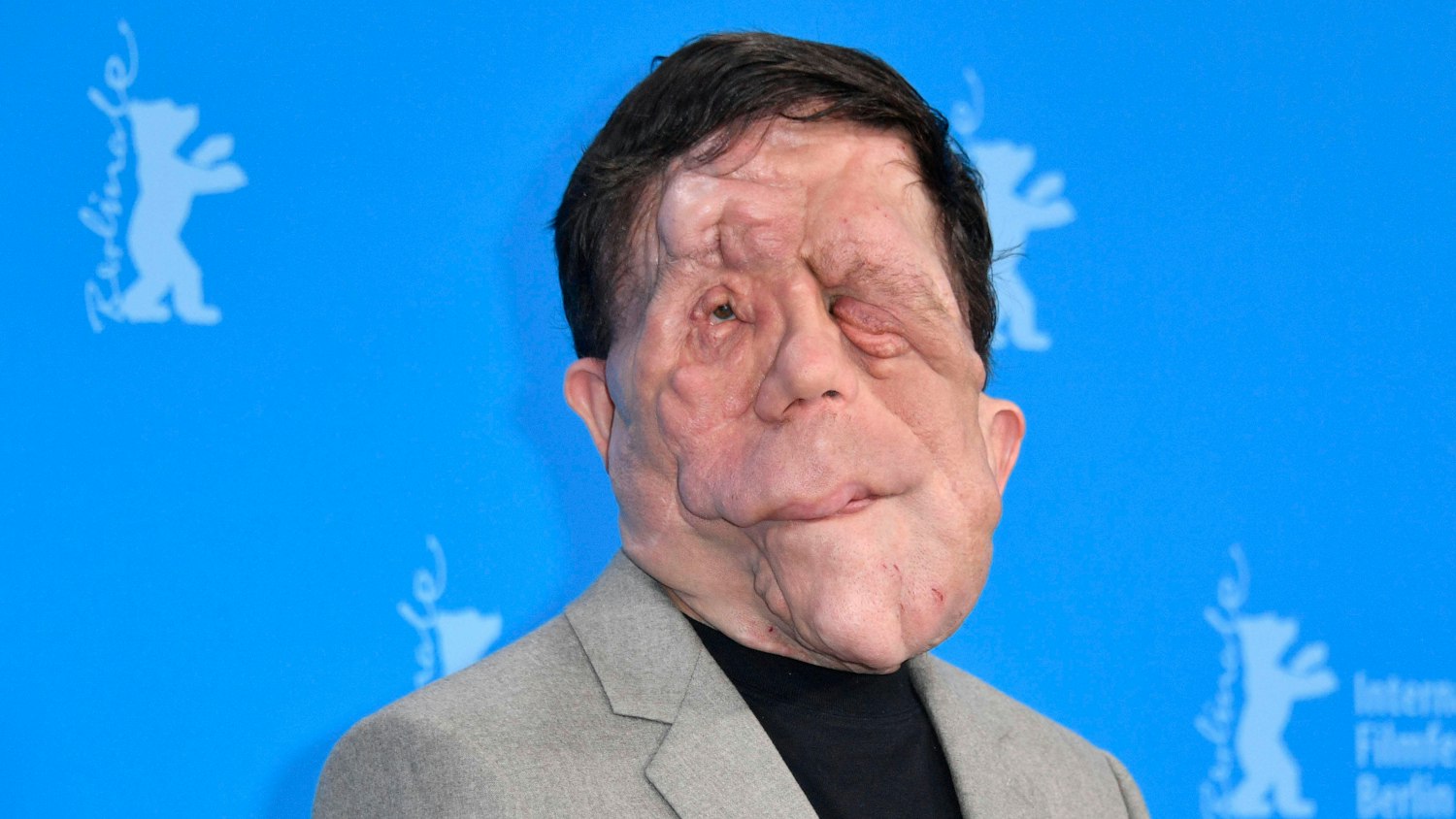
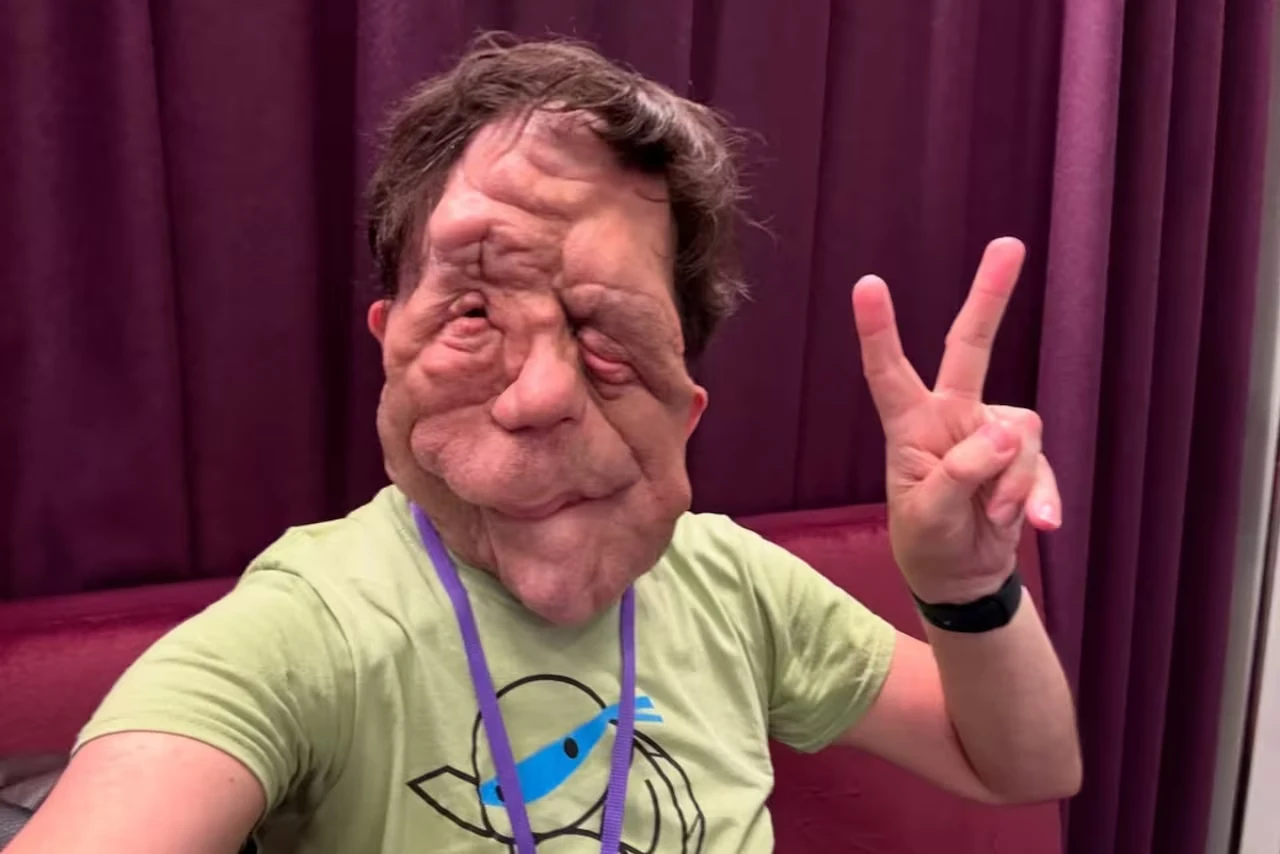
Adam Pearson’s family plays a vital, stabilizing role in the life of the British actor, television presenter, and disability rights campaigner. Best known for his work in Jonathan Glazer's film Under the Skin and various BBC documentaries, Pearson lives with neurofibromatosis type 1 (NF1), a genetic condition that causes non-cancerous tumors to grow on nerve tissue. Behind his public persona as an outspoken advocate against disability discrimination and a prominent media figure stands a tight-knit family unit that has supported him through the unique challenges of growing up with a rare condition in the public eye.
Understanding Adam Pearson and His Background
Adam Pearson was born in London in 1985 alongside his identical twin brother, Neil. From early childhood, the Pearson family navigated the complex realities of neurofibromatosis type 1. While both brothers share the genetic predisposition for the condition, the way it manifested in Adam was significantly more pronounced, leading to the development of numerous facial tumors that required multiple surgeries throughout his youth and adult life.
The family's approach to Adam's condition was rooted in resilience, open communication, and normalcy. Rather than shielding the twins away from society, their parents fostered an environment where differences were acknowledged without being defined as limitations. This foundational support allowed Adam and Neil to pursue education, build independent careers, and eventually enter the public eye with a strong sense of self-worth.
The Role of Twin Brother Neil Pearson
One of the most defining elements of Adam Pearson’s personal life is his relationship with his identical twin brother, Neil. Because they are identical twins, Neil carries the same genetic code for neurofibromatosis type 1. However, the condition remained largely dormant in Neil’s physical presentation, creating a stark visual contrast between the two brothers as they grew up.
This dynamic has provided a unique sociological and personal lens through which the Pearson family views disability, appearance, and public perception. In various interviews and documentary appearances, Adam and Neil have spoken candidly about how society treats them differently despite their identical genetics. Neil has consistently served as a steadfast pillar of emotional support, a trusted confidant, and an advocate in his own right, helping Adam navigate the often superficial and hostile landscapes of media and public scrutiny.
Parental Support and Early Upbringing
The resilience demonstrated by Adam Pearson in his professional endeavors is frequently traced back to the stable upbringing provided by his parents. Raising a child with a severe, visible medical condition involves countless hospital visits, specialized educational planning, and managing societal prejudice. The Pearson parents adopted a proactive stance against bullying and institutional barriers.
By refusing to let Adam's condition dictate the boundaries of his ambitions, his parents encouraged both twins to pursue higher education. Adam earned a degree in business management from the University of Brighton. This academic foundation eventually led him into television production, where he worked as a researcher for the BBC and Channel 4 before transitioning in front of the camera to challenge media stereotypes regarding facial disfigurement.
Media Representation and Family Perspectives on Advocacy
As Adam Pearson transitioned into public advocacy—producing and presenting programs such as Adam Pearson: Freak Show, The Ugly Face of Disability Hate Crime, and participating in Celebrity MasterChef—his family remained a grounding force away from the cameras. Public life for individuals with visible differences often invites unwanted media intrusion, digital harassment, and public misunderstanding. The Pearson family's collective resilience has helped insulate Adam from the toxicity often found in digital spaces.
Furthermore, the family's journey highlights the broader systemic issues faced by households managing rare genetic disorders. The emotional and physical labor required from family members—often referred to as informal caregiving or systemic navigation—underscores the need for robust healthcare infrastructure and social support networks.
| Family Member / Entity | Relation / Role | Impact on Adam Pearson's Life |
|---|---|---|
| Neil Pearson | Identical Twin Brother | Provides lifelong companionship, shared genetic perspective, and unwavering emotional backing. |
| Parents | Mother and Father | Fostered early resilience, educational attainment, and a protective, supportive home environment. |
| Extended Family | Relatives and Support Network | Offered a normalizing social circle away from public scrutiny and media pressures. |
Comparative Overview of Public Figures with Rare Conditions and Family Support
The experiences of Adam Pearson and his family parallel those of other public figures who navigate rare medical conditions with the backing of tight-knit support systems. Understanding these dynamics provides context for how family structures influence public advocacy and personal endurance.
- Shared Resilience: Families dealing with genetic variations often act as the first line of defense against social isolation.
- Advocacy Amplification: Supportive family dynamics frequently translate into broader public confidence, enabling individuals to take on high-profile advocacy roles.
- Media Navigation: Close relatives help public figures process the psychological weight of public exposure, commentary, and media scrutiny.
Frequently Asked Questions
Does Adam Pearson have a twin brother?
Yes, Adam Pearson has an identical twin brother named Neil. Although they share the same genetic makeup, neurofibromatosis type 1 manifested physically only in Adam, resulting in a distinct visual difference between the brothers as they aged.
How did Adam Pearson's family support his career?
His family fostered an environment of normalcy and ambition, encouraging both twins to pursue higher education and professional goals without letting medical conditions dictate their boundaries. This foundational confidence enabled Adam to enter media and public advocacy.
What is neurofibromatosis type 1?
Neurofibromatosis type 1 (NF1) is a genetic disorder that causes tumors to form on the nerve tissues. These tumors can appear anywhere on the body, including the skin, brain, and nerves, and presentation severity varies widely even among individuals with the same genetic markers.
How does Adam Pearson use his platform for advocacy?
Adam Pearson uses television documentaries, films, and public speaking engagements to challenge societal stigmas surrounding facial disfigurement, campaign against disability hate crime, and advocate for more authentic representation in the media.
Where can I learn more about Adam Pearson's documentaries?
His documentaries, including works addressing disability hate crime and bodily differences, are frequently broadcast on British television networks such as the BBC and are accessible via public service broadcasting streaming platforms.
Practical Recommendations for Supporting Disability Advocacy
For readers inspired by Adam Pearson's journey and looking to support disability awareness and inclusion, consider the following practical steps:
- Educate Yourself: Read literature and watch documentaries produced by creators with visible differences to understand the systemic barriers they face.
- Challenge Stigma: Actively address everyday ableism and casual prejudice in social and professional environments.
- Support Organizations: Engage with charities and advocacy groups dedicated to neurofibromatosis research and disability rights.