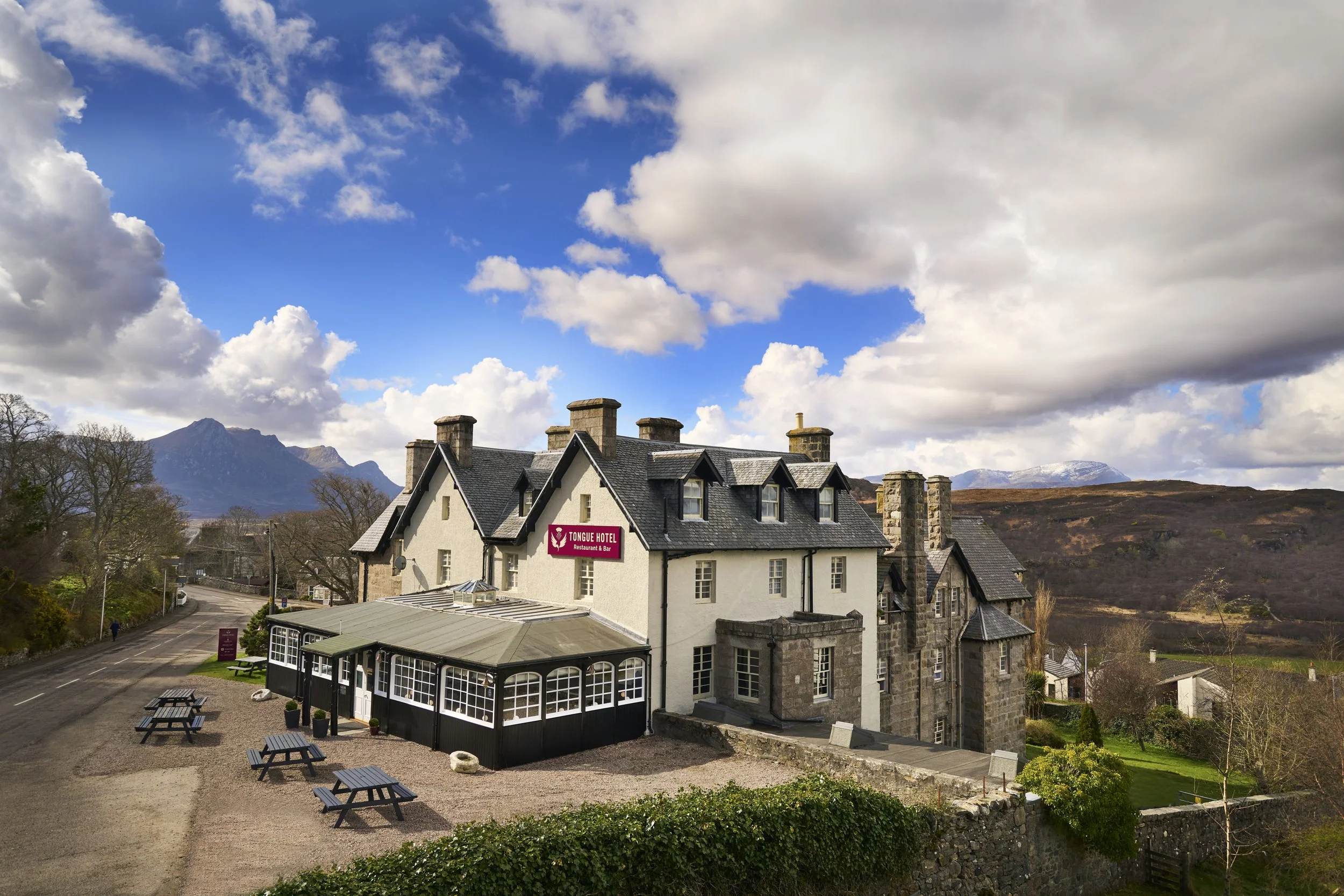
Securing the right accommodation in the Scottish Highlands requires balancing geographical logistics with the diverse range of lodging types, from remote glamping pods to historic castle hotels. Given the region’s expansive, rugged terrain and seasonal demand, success hinges on booking well in advance—often 6 to 12 months for peak summer travel—and selecting a base that minimizes excessive daily driving between the fragmented points of interest.
Understanding the Landscape of Highland Lodging
The Scottish Highlands is not a single destination but a vast, varied region encompassing the Cairngorms National Park, the dramatic West Coast, and the northern stretches toward the North Coast 500 (NC500) route. Accommodation here is dictated by local infrastructure; in many remote areas, the density of services is low. When planning your trip, you must categorize your needs based on the "accessibility versus isolation" spectrum.
Visitors often underestimate the travel time between locations. A distance that appears manageable on a map—such as traveling from Inverness to the Isle of Skye—can take significantly longer due to narrow, winding single-track roads that require caution and frequent stopping for oncoming traffic. Therefore, choosing a central hub or a logical sequence of lodgings is the most important technical step in your travel planning.
Types of Accommodation Available
The variety of stays in the Highlands is substantial, ranging from high-end luxury to functional, self-sufficient options. Each carries different requirements regarding booking lead times, amenities, and typical costs for 2026.
Hotels and Historic Inns
Highland inns and converted manor houses provide the highest level of service, often featuring on-site dining, which is critical in remote areas where restaurants may be scarce. These establishments are frequently located in villages like Pitlochry, Aviemore, or Fort William. They offer predictable amenities but demand higher budgets and earlier reservations.
Self-Catering Cottages and Lodges
Self-catering is the most popular choice for families and long-term visitors. These properties offer kitchens, laundry facilities, and privacy. They are often managed by national agencies or local estate owners. When booking these, verify the "arrival instructions" provided by the agency, as remote properties may require specific guidance on waste disposal, heating operation, and water sources (such as private boreholes).
Glamping, Cabins, and Pods
The "glamping" industry has matured significantly across the Highlands. Modern pods often include en-suite bathrooms and high-insulation standards, making them suitable for shoulder-season travel. They are excellent for those seeking immersion in nature without the logistical burden of traditional camping equipment.
Hostels and Bunkhouses
The Scottish Youth Hostels Association (SYHA) and independent bunkhouses cater to hikers and cyclists. These are highly cost-effective and located strategically near long-distance trails like the West Highland Way. Be aware that many require advanced bookings for shared dormitories, and bedding policies may vary.
Comparison of Highland Accommodation Options
The following table outlines the key characteristics of the primary lodging categories to assist in your selection process.
| Type | Average Cost Profile | Best For | Technical Requirement |
|---|---|---|---|
| Luxury Hotel | High (£200+/night) | Couples, comfort-seekers | Advance reservation (6+ months) |
| Self-Catering | Moderate to High | Families, long-stays | Vehicle access; grocery planning |
| Bunkhouse/Hostel | Low (£25–£50/bed) | Solo hikers, groups | Own sleeping bag (sometimes) |
| Glamping Pod | Moderate (£80–£150) | Couples, nature enthusiasts | Pre-book electric hookups |
Critical Planning Considerations for 2026
Seasonal Demand and Booking Deadlines
The Highlands experiences an intense seasonal spike from May through September. For 2026, if you plan to travel in July or August, it is highly recommended to secure your accommodation by the previous autumn. Beyond summer, October remains popular due to the autumnal colors, and the winter months are increasingly busy for travelers seeking the Aurora Borealis or winter sports in the Cairngorms.
Transportation and Connectivity
Ensure your accommodation choice aligns with your mode of transport. If relying on public transit, prioritize lodgings in larger centers like Inverness, Fort William, or Oban. If driving, verify that the property provides adequate off-street parking. Many historic properties in the Highlands have limited or unpaved parking; check satellite imagery or property descriptions to ensure your vehicle can navigate the driveway.
Connectivity and Technology
Do not assume high-speed internet access. While many hotels have modernized, some remote cottages and lodges rely on satellite connections or 4G/5G mobile signals, which can be inconsistent due to the mountainous topography. If remote work is a requirement, verify the specific internet speed provided by the host rather than assuming "Wi-Fi" implies high-speed fiber connectivity.
The Role of Local Regulations
In 2026, Scotland’s Short-Term Let (STL) licensing scheme remains in effect. Ensure that any Airbnb or private cottage you book is operating under a valid local authority license. Legitimate hosts will display their license number on their listing. Booking a licensed property ensures that the accommodation meets mandatory safety and fire standards set by the Scottish Government.
Troubleshooting Common Lodging Challenges
"I cannot find availability in my target area."
If popular hubs like Skye or Glencoe are fully booked, look at "secondary" towns located 30 to 45 minutes away. For instance, instead of staying in Portree on the Isle of Skye, consider lodgings on the mainland side near Kyle of Lochalsh or Plockton, which remain within reach of the major sights while offering better availability.
"How do I handle food in remote areas?"
Many highland accommodations are located far from supermarkets. If you are self-catering, plan your "big shop" in major towns (Inverness, Fort William, Oban, Perth) before heading into the rural Highlands. Rural convenience stores are often closed on Sundays or operate on limited hours.
"What if I have an emergency at my rental?"
Most managed properties provide an "emergency contact" sheet. If you are staying in a remote location, identify the nearest medical center or hospital upon arrival. In the Highlands, emergency services (police, ambulance, and mountain rescue) operate via the 999 system. Ensure you have the physical address and "What3Words" location of your accommodation saved in case of a navigational emergency.
Frequently Asked Questions
How far in advance should I book for a summer trip?
For high-demand periods in July and August, booking 6 to 9 months ahead is standard practice. For highly popular areas like the Isle of Skye or North Coast 500 route, some travelers book up to 12 months in advance to secure prime locations.
Are pet-friendly accommodations easy to find?
Yes, many Highland establishments are pet-friendly, particularly self-catering cottages. Always check the specific "pet policy" before booking, as some may charge an additional cleaning fee or limit the number of dogs allowed per property.
Is public transport sufficient for a Highland tour?
Public transport is sufficient for traveling between major towns via the ScotRail network and Citylink buses. However, if your goal is to reach remote hiking trailheads or secluded beaches, a private vehicle is almost always necessary to maintain an efficient schedule.
What is the "Right to Roam" and does it affect my stay?
Scotland’s Land Reform (Scotland) Act 2003 provides a statutory "right of responsible access" to most land. While this is excellent for hiking, it does not apply to the grounds of private houses or buildings. Always respect the privacy of your accommodation and remain on marked paths when departing from your lodging.
Should I rent a car specifically for the Highlands?
If you are flying into a city like Glasgow or Edinburgh, renting a car is the most practical way to explore. Ensure your rental vehicle is suitable for narrow, single-track roads; smaller cars are often easier to maneuver and pull into the "passing places" that are standard features of Highland roads.
Final Recommendation for Travelers
To maximize your 2026 Highland experience, categorize your itinerary into 3-night blocks. Moving every single night leads to "travel fatigue" due to the time required to navigate rural roads. Prioritize one location for the Cairngorms, one for the West Coast/Isles, and one for the North. By reducing the frequency of your moves, you ensure more time for exploration and less time worrying about check-in/check-out logistics. Always confirm the STL license number for private rentals and prioritize properties that provide verified safety credentials.