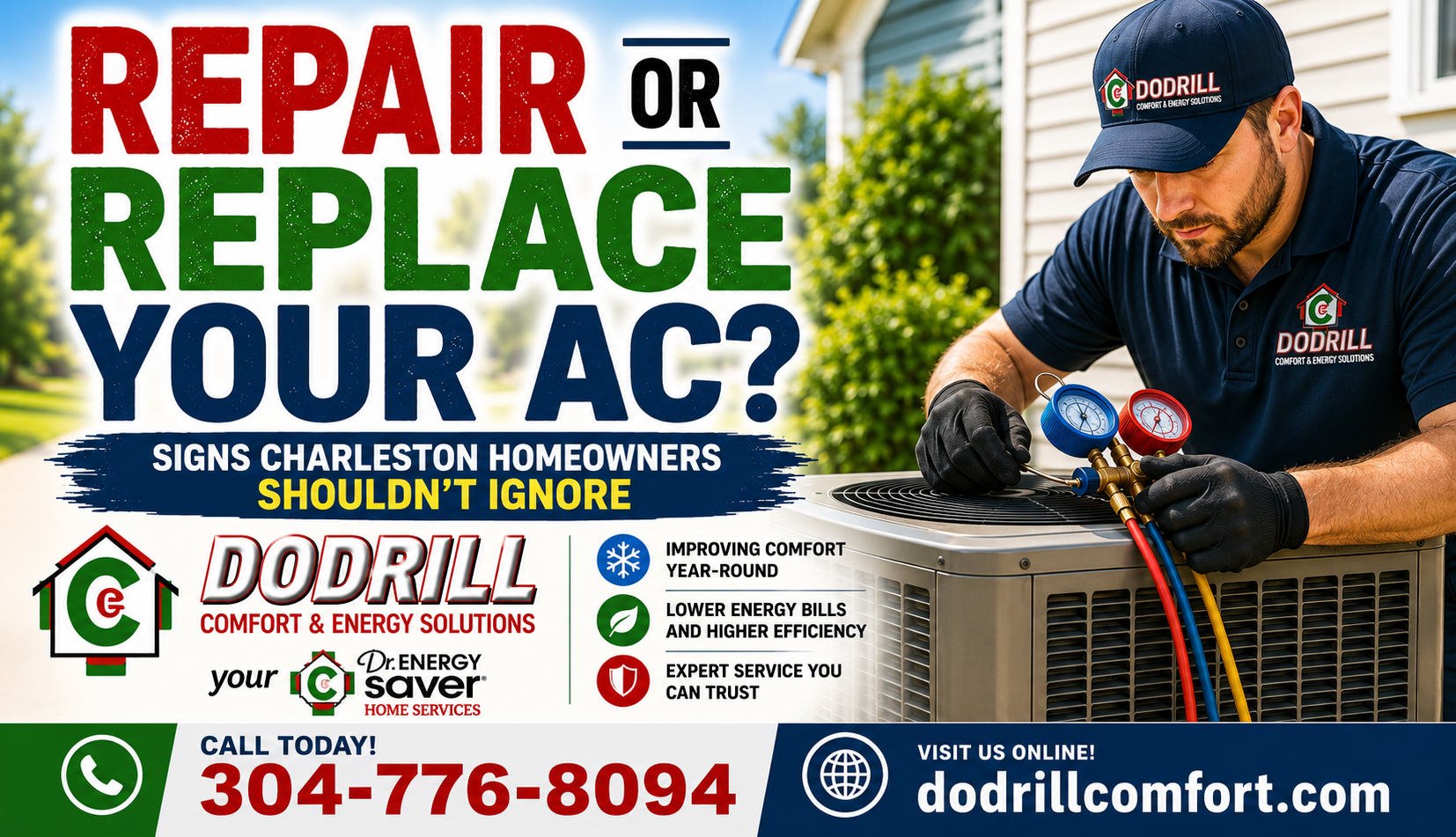
Reliable AC repair in Charleston involves diagnosing common coastal issues like salt-air corrosion and high-humidity sensor failures. Homeowners should prioritize NATE-certified technicians to handle modern R-454B refrigerants and ensure system efficiency. Timely repairs prevent mold growth and extend the lifespan of units frequently strained by South Carolina's intense summer heat and moisture.
The Unique Demands of Charleston’s Climate on HVAC Systems
Charleston, South Carolina, presents a specific set of environmental challenges that directly impact the longevity and performance of air conditioning systems. Known for its subtropical climate, the Lowcountry experiences high humidity levels and significant salt spray, particularly in coastal areas like Isle of Palms, Sullivan's Island, and Folly Beach. These factors do more than just make the air feel heavy; they actively degrade mechanical components.
The "Dew Point" in Charleston often hovers in the 70s during summer months. When the dew point is this high, an air conditioner must work twice as hard—not just to lower the temperature, but to remove gallons of water from the indoor air. If a system is even slightly undercharged or if the evaporator coil is dirty, the unit will fail to dehumidify, leading to "sticky" indoor conditions and potential microbial growth within the ductwork.
Furthermore, the salt-laden air characteristic of the Charleston peninsula and surrounding islands acts as a catalyst for galvanic corrosion. This occurs when salt deposits settle on the aluminum fins and copper tubing of the outdoor condenser unit. Over time, the salt eats through the metal, causing refrigerant leaks that are often too expensive to patch, necessitating a full coil replacement. Understanding these local variables is the first step in identifying why your AC might be underperforming.
Common AC Problems Specific to Charleston Homeowners
While air conditioners across the country face mechanical wear, Charleston residents frequently encounter a specific subset of issues driven by the local environment. Identifying these early can save thousands of dollars in emergency replacement costs.
Corroded Condenser Coils
In coastal South Carolina, "coil rot" is a leading cause of premature system failure. The outdoor unit (condenser) breathes in salt air, which accelerates the oxidation of the metal heat exchangers. By 2026, many manufacturers have moved toward all-aluminum coils to mitigate some of this, but even these require specialized "coastal coatings" to survive the harsh environment near the Atlantic. If you notice your AC is running constantly but the air from the vents isn't cold, a refrigerant leak caused by corrosion is a likely culprit.
Clogged Condensate Drain Lines
The high humidity in Charleston means your AC produces a massive amount of condensation. This water drains through a small PVC pipe. Because the environment is warm and moist, algae and "sludge" can quickly grow inside these lines. In Charleston, a clogged drain line is the number one cause of emergency service calls. When the line clogs, the water backs up into the drain pan. Modern systems have a float switch that shuts the unit off to prevent flooding, but older systems may leak, causing significant ceiling and floor damage.
Refrigerant Transition Issues
As of 2026, the HVAC industry has significantly shifted away from R-410A toward newer, low-GWP (Global Warming Potential) refrigerants like R-454B and R-32. Charleston homeowners with systems installed before 2023 may find that the cost of R-410A refrigerant has spiked due to supply caps. Repairing a leak in an older system now requires a careful financial calculation: is it worth paying for expensive, legacy refrigerant, or is it time to upgrade to a 2026-compliant high-efficiency unit?
Electrical Failure from Storm Surges
Charleston is no stranger to summer thunderstorms and tropical depressions. Frequent power flickers and surges can fry the sensitive circuit boards and capacitors in modern, high-efficiency inverter-driven air conditioners. Many local repair technicians now recommend the installation of dedicated HVAC surge protectors to prevent these costly electrical repairs.
Troubleshooting Before You Call a Professional
Before requesting an AC repair in Charleston, there are several basic checks homeowners can perform. Given the high demand for technicians during the "Big Heat" (June through September), these steps might save you a service fee and restore your cooling immediately.
- Check the Air Filter: In the Lowcountry, filters clog faster due to high pollen counts and humidity making dust "clump." A clogged filter restricts airflow, which can cause the indoor evaporator coil to freeze into a block of ice. If you see ice on the copper lines, turn the system off, change the filter, and let it thaw for several hours.
- Inspect the Circuit Breaker: High heat causes units to draw more Amps. Sometimes, a simple power surge can trip the breaker. Check your home’s electrical panel and the outdoor disconnect box.
- Examine the Thermostat: It sounds simple, but batteries often die in the middle of summer. Ensure the display is active and set to "Cool" and "Auto" rather than "On" (which runs the fan constantly without cooling).
- Clear Debris from the Outdoor Unit: Coastal winds often blow pine needles, palmetto fronds, and sand into the condenser fins. Use a garden hose (with low pressure) to gently wash away salt and debris from the outdoor unit. Do not use a pressure washer, as it will flatten the delicate metal fins.
Understanding Repair Costs in 2026
The cost of AC repair in Charleston is influenced by labor rates, which have risen alongside the city's cost of living, and the fluctuating price of specialized parts. Below is an estimate of what homeowners can expect for various repairs in the current market.
| Repair Type | Estimated Cost (Labor + Parts) | Estimated Time |
|---|---|---|
| Capacitor Replacement | $250 – $450 | 1 Hour |
| Condensate Drain Cleaning | $150 – $300 | 1 Hour |
| Blower Motor Replacement | $600 – $1,200 | 2–3 Hours |
| Refrigerant Recharge (R-410A) | $150 – $300 per pound | 1–2 Hours |
| Evaporator Coil Replacement | $2,000 – $3,500 | 4–6 Hours |
| Contactor Replacement | $200 – $400 | 1 Hour |
| Thermostat Replacement | $300 – $700 (Smart models) | 1 Hour |
Note: Prices vary based on system SEER2 ratings and specific brand requirements (e.g., Trane, Carrier, Lennox).
Historic District Constraints: AC Repair in Downtown Charleston
Repairing an air conditioner in the Charleston Historic District (South of Broad, Harleston Village, etc.) presents unique logistical and legal hurdles. The Board of Architectural Review (BAR) has strict guidelines regarding the visibility of outdoor units.
If your outdoor condenser fails and needs replacement, you cannot simply place a new, larger high-efficiency unit wherever you like. Many historic homes require "slim-line" or "side-discharge" units that can be tucked away or hidden behind historically accurate lattice or landscaping.
Additionally, many older homes in downtown Charleston utilize ductless mini-split systems because the 18th and 19th-century architecture cannot accommodate traditional bulky ductwork. Repairing these systems requires specialized knowledge of inverter technology and multi-zone communication protocols. When seeking AC repair in downtown Charleston, always ask if the company has experience working with historic properties and BAR regulations.
Selecting the Right HVAC Contractor in Charleston
With dozens of companies serving the Tri-County area (Charleston, Berkeley, and Dorchester), choosing the right one is critical. A poor repair can lead to system inefficiency or even a fire hazard.
Verify Licensing and Insurance
In South Carolina, HVAC contractors must be licensed by the South Carolina Labor Licensing and Regulation (LLR) board. A "Mechanical Contractor" license is required for most significant repairs and all replacements. Never hire an "unlicensed handyman" for AC work; it voids your manufacturer's warranty and can lead to legal issues if they are injured on your property.
Look for NATE Certification
North American Technician Excellence (NATE) is the gold standard for technician certification. A NATE-certified tech has passed rigorous exams on the latest HVAC technology, including the 2026 refrigerant standards. This ensures they can accurately diagnose complex electronic issues rather than just "guessing" and replacing parts unnecessarily.
Local Reputation and Response Times
During a Charleston heatwave, response time is everything. Companies that offer 24/7 emergency service are preferable, but be aware that "after-hours" fees usually apply. Check local reviews specifically for "AC repair Charleston" to see how companies handle warranty claims and follow-up visits. A company that stands by its work with a 1-year labor warranty is generally more reliable than one offering the lowest price.
Preventive Maintenance: Avoiding Emergency Repairs
The best way to handle AC repair is to prevent the need for it. In the Lowcountry, a "set it and forget it" mentality leads to 10-year system lifespans for units that should last 15 years.
- Semi-Annual Inspections: Have a technician visit in the Spring (before the heat hits) and the Fall (to check the heating components).
- Salt Removal: If you live within five miles of the coast, rinse your outdoor unit with fresh water once a month to remove salt buildup.
- Drain Line Treatments: Pouring a cup of white vinegar down the condensate drain line every few months can help kill the algae that causes clogs.
- Duct Sealing: Charleston’s high humidity can cause ducts in crawlspaces or attics to sweat. If the insulation gets wet, it loses its R-value and can lead to mold. Ensure your ducts are sealed and insulated properly.
Frequently Asked Questions
Why is my AC running but the house is still humid?
In Charleston, this is often due to an oversized unit or a system with a dirty evaporator coil. An oversized AC cools the air so quickly that it doesn't run long enough to remove moisture. Alternatively, if the blower speed is set too high, the air passes over the cooling coils too quickly for dehumidification to occur. A professional can adjust the "fan speed tap" on your motor to improve moisture removal.
Is it better to repair or replace my AC in 2026?
If your system is more than 10 years old and requires a major repair (like a compressor or coil), replacement is often the better financial choice. Newer 2026 models use more efficient refrigerants and meet higher SEER2 (Seasonal Energy Efficiency Ratio) standards, which can reduce your South Carolina Electric & Gas (SCE&G/Dominion) bill by up to 30%.
How often should I change my air filter in Charleston?
During the peak of summer (June-August) and the spring pollen season, you should check your filter every 30 days. If you have pets or high-traffic areas, a 1-inch pleated filter will likely be full within a month. Using a high-MERV filter is good for allergies but can sometimes restrict airflow too much for older systems; consult your repair tech for the best MERV rating for your specific unit.
My AC is leaking water inside my house; what should I do?
Immediately turn the system off at the thermostat. This prevents further water production. Locate your condensate drain line (usually near the indoor air handler) and check for clogs. If the drain pan is full, you will likely need a professional to "blow out" the line with pressurized CO2 or a specialized vacuum to clear the obstruction.
Why does my AC smell like "dirty socks" when it turns on?
This is a common Charleston complaint known as "Dirty Sock Syndrome." It is caused by bacteria buildup on the evaporator coil. The humid environment allows organic matter to stick to the coils. A professional cleaning with an anti-microbial solution or the installation of a UV (Ultraviolet) light system inside the air handler can eliminate these odors.
Final Recommendation for Charleston Residents
When your air conditioner fails in the Lowcountry, the combination of heat and humidity creates a health risk, not just an inconvenience. For the best results, establish a relationship with a local HVAC provider before a breakdown occurs. Prioritize companies that offer comprehensive maintenance plans, as these often include "priority service" during peak summer months. If you are faced with a major repair, always get a second opinion, especially if the technician recommends a full system replacement. Ensure any new equipment installed is rated for coastal environments to protect your investment from Charleston’s salt air.