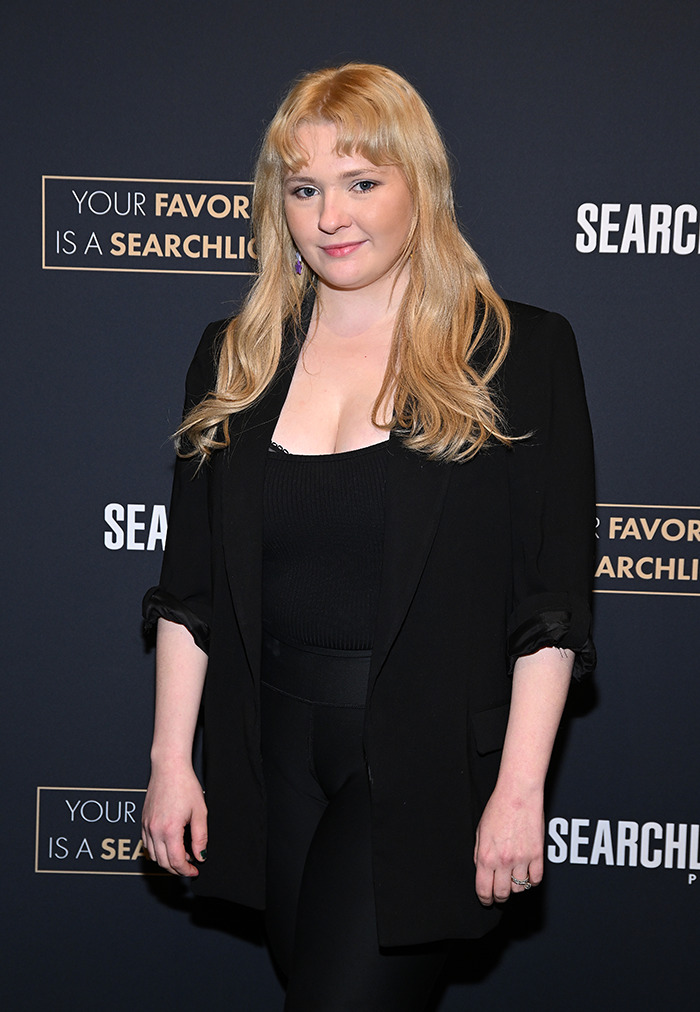
Abigail Disney’s net worth is estimated at approximately $120 million in 2026, a figure she has maintained despite decades of aggressive philanthropy and social activism. As an heiress to the Disney fortune, she has used her financial standing to critique the broader "net worth landscape," advocating for higher taxes on the wealthy and a reduction in the massive pay disparity between corporate executives and workers.
The Disney Legacy and the Origins of Abigail’s Wealth
To understand the net worth of Abigail Disney, one must first look back at the foundation of the Disney empire. Abigail is the daughter of Roy E. Disney and the granddaughter of Roy O. Disney, who co-founded The Walt Disney Company alongside his brother, Walt Disney. While Walt was the creative visionary, Roy O. Disney was the financial architect who ensured the company remained solvent during its tumultuous early years.
Abigail’s inheritance stems directly from this lineage. Unlike her father, who was a longtime executive and board member at the company, Abigail chose a path outside the corporate structure. Her wealth was largely comprised of stock holdings and trusts established during the mid-20th century. By the time she reached adulthood, the appreciation of Disney stock had transformed her inheritance into a multi-million dollar fortune. However, she has frequently noted that her wealth, while substantial, is a fraction of the multibillion-dollar fortunes held by the world’s wealthiest individuals, often placing her in a unique position within the "net worth landscape"—wealthy enough to be influential, but not among the global elite she often critiques.
Defining Abigail Disney's Net Worth in 2026
As of 2026, financial analysts place Abigail Disney’s net worth at roughly $120 million. This number has remained relatively stable over the last decade, but not due to a lack of income. In reality, her gross assets have grown through diversified investments, but her net position is tempered by her commitment to "giving it all away."
In various interviews and public filings, Disney has stated that she has given away upwards of $70 million throughout her lifetime. In the 2026 landscape, her wealth is managed through entities that prioritize social impact over maximum capital gains. Her portfolio includes significant allocations to documentary filmmaking—through her production company, Fork Films—and various social justice initiatives.
It is important to distinguish her wealth from the "Billionaire Class." Abigail Disney has famously criticized the "Disney Billionaires" and the extreme wealth accumulation seen in modern capitalism. By maintaining a net worth in the low hundreds of millions rather than billions, she positions herself as a "wealth-privileged" individual who is not insulated from the economic realities that she advocates for, such as higher marginal tax rates.
The "Net Worth Landscape" and Wealth Inequality
The term "net worth landscape" in 2026 refers to the shifting dynamics of global wealth distribution. We are currently in an era defined by the "Great Wealth Transfer," where trillions of dollars are passing from the Silent Generation and Baby Boomers to their heirs. Abigail Disney has become a central figure in the conversation regarding how this transferred wealth should be managed and taxed.
The Rise of the Patriotic Millionaires
Abigail Disney is a prominent member of the Patriotic Millionaires, a group of high-net-worth individuals who advocate for higher taxes on people like themselves. In the 2026 economic climate, this group argues that the net worth landscape is fundamentally broken. They point to the fact that while the top 1% have seen their net worth skyrocket through asset appreciation (stocks and real estate), the bottom 50% of the population has seen their purchasing power stagnate.
The Psychological Impact of High Net Worth
Disney has frequently spoken about the "moral tax" of having a high net worth. She describes the isolation that comes with extreme wealth and the way it can distort a person's sense of reality and empathy. In her view, the current landscape encourages "wealth hoarding," which she believes is detrimental to both the individual and society. Her advocacy focuses on "de-stigmatizing" the payment of taxes, framing it instead as a civic duty and a tool for social cohesion.
Abigail Disney vs. The Walt Disney Company Executive Pay
One of the most visible aspects of Abigail Disney’s critique of the net worth landscape is her focus on executive compensation. She gained significant media attention for her public criticism of former Disney CEO Bob Iger’s pay package, which at one point exceeded $65 million annually.
In 2026, the debate over CEO-to-worker pay ratios remains a central theme in corporate governance. Disney argues that a net worth built on the "backs of underpaid workers" is ethically untenable. She has pointed out the stark contrast between the net worth of top executives and the lived reality of park employees who struggle to afford basic housing in Anaheim or Orlando.
| Category | Typical Estimated Figure (2026) | Description of Impact on Landscape |
|---|---|---|
| Abigail Disney Net Worth | $120 Million | Primarily inherited, actively being liquidated for philanthropy. |
| Median Disney CEO Pay | $30M - $50M | Represents the "Executive Class" wealth accumulation she critiques. |
| Median Disney Employee Pay | $38,000 - $45,000 | The "Labor Class" that Disney advocates for in wage discussions. |
| Annual Philanthropic Giving | $2M - $5M | Disney's personal commitment to reducing her net worth over time. |
| Inherited Wealth Tax Rate | 40% (Above threshold) | The current federal rate that Disney argues should be higher. |
Documentary Filmmaking as a Social Investment
Abigail Disney does not view her net worth merely as a source of personal security; she views it as "capital for change." This is most evident in her work as a documentary filmmaker. Through Fork Films, she has funded projects that highlight systemic issues within the net worth landscape.
Her 2022 documentary, The American Dream and Other Fairy Tales, served as a direct critique of the wealth gap. In the film, she explores the historical shift from the mid-20th-century economy—where a single income could support a family—to the 2026 reality of the working poor. By investing her net worth into storytelling, she seeks to shift the cultural narrative around wealth from one of "aspiration" to one of "accountability."
This approach represents a shift in the philanthropic landscape. Traditionally, high-net-worth individuals donated to hospitals or museums to have their names etched in stone. Disney, conversely, uses her funds to challenge the very institutions that allowed her family to amass their fortune.
The 2026 Economic Climate and Wealth Tax Debates
In 2026, the legislative environment regarding net worth has become increasingly focused on "unrealized gains." For individuals like Abigail Disney, whose wealth is largely tied up in investments, the proposal of a wealth tax on unrealized gains is a significant development.
Unlike many of her peers in the high-net-worth bracket, Disney has been a vocal supporter of such measures. She argues that the current tax system favors capital over labor, allowing the wealthy to borrow against their assets to fund their lifestyles while paying a lower effective tax rate than many middle-class workers. This stance has made her a polarizing figure in the financial world, often labeled as a "traitor to her class" by critics, while being lauded as a visionary by economic reformers.
Challenges and Criticisms of Her Position
Despite her advocacy, Abigail Disney faces criticism from multiple sides of the political spectrum.
- From the Right: Critics argue that she is a hypocrite for critiquing a system from which she has benefited immensely. They suggest that if she truly believes in her message, she should donate 100% of her wealth to the Treasury.
- From the Left: Some activists argue that "philanthro-capitalism" is not enough and that the existence of multi-millionaires is a policy failure. They argue that personal charity cannot replace systemic structural change.
- From Shareholders: Within the Disney shareholder community, her vocal criticisms have sometimes been seen as a distraction that negatively impacts the stock price, which in turn affects the retirement accounts of thousands of smaller investors.
Disney’s response to these criticisms is consistently focused on the "middle ground" of responsible capitalism. She does not advocate for the abolition of private property but for a return to a more "equitable" distribution of the gains created by corporate success.
Navigating the Net Worth Landscape: A Practical Perspective
For the average individual looking at Abigail Disney’s journey through the net worth landscape, there are several key takeaways regarding wealth management and social responsibility in 2026.
- Diversification and Values: Disney’s portfolio is not just diversified by asset class (stocks, bonds, real estate) but by "social alignment." This serves as a model for "Impact Investing," which has become a standard practice in 2026.
- Transparency: By being open about her inheritance and the "luck" involved in her net worth, Disney encourages a more honest conversation about wealth. This transparency is increasingly demanded by Gen Z and Millennial investors.
- The Power of Advocacy: One's net worth is not just a bank balance; it is a platform. Disney demonstrates that financial capital can be converted into social capital to drive policy changes that a single individual could not achieve through voting alone.
Frequently Asked Questions
Is Abigail Disney a billionaire?
No, Abigail Disney is not a billionaire. Her net worth is estimated to be approximately $120 million in 2026. She has stated that she finds the level of wealth required to be a billionaire to be socially and morally problematic, and she has actively worked to keep her net worth below that threshold through philanthropic giving.
Does she have a role in managing The Walt Disney Company?
No, Abigail Disney holds no official executive or board position at The Walt Disney Company. She is a shareholder, which gives her the right to attend annual meetings and voice her opinions, but she does not influence the day-to-day operations or creative direction of the company.
What is "Patriotic Millionaires"?
The Patriotic Millionaires is an organization of high-net-worth individuals, including Abigail Disney, who believe that the concentration of wealth at the top is a threat to the stability of the country. They advocate for a higher minimum wage, closing tax loopholes for the wealthy, and increasing corporate transparency.
How much of her wealth has she given away?
As of 2026, it is estimated that Abigail Disney has given away over $70 million to various causes. Her giving focuses on peace-building, gender equality, and economic justice. She has expressed a desire to continue reducing her net worth throughout her life.
Why does she criticize the Disney company specifically?
She focuses on Disney because it is her namesake and she feels a moral responsibility for the company's impact on the world. She believes that the company, which markets itself on family values and "magic," should lead the way in providing a living wage and humane working conditions for its "cast members."
Practical Recommendation for 2026
When evaluating your own position within the current "net worth landscape," consider the concept of Values-Based Budgeting. Whether your net worth is $1,000 or $1 million, the 2026 economic environment rewards those who align their spending and investments with their ethical beliefs.
Individuals should start by auditing their investment portfolios for "ESG" (Environmental, Social, and Governance) factors. Just as Abigail Disney uses her wealth to support documentary films that highlight social issues, smaller investors can use fractional shares or specialized ETFs to ensure their capital is supporting companies that pay fair wages and prioritize sustainability. In the modern landscape, your net worth is your most powerful vote for the kind of world you want to see.