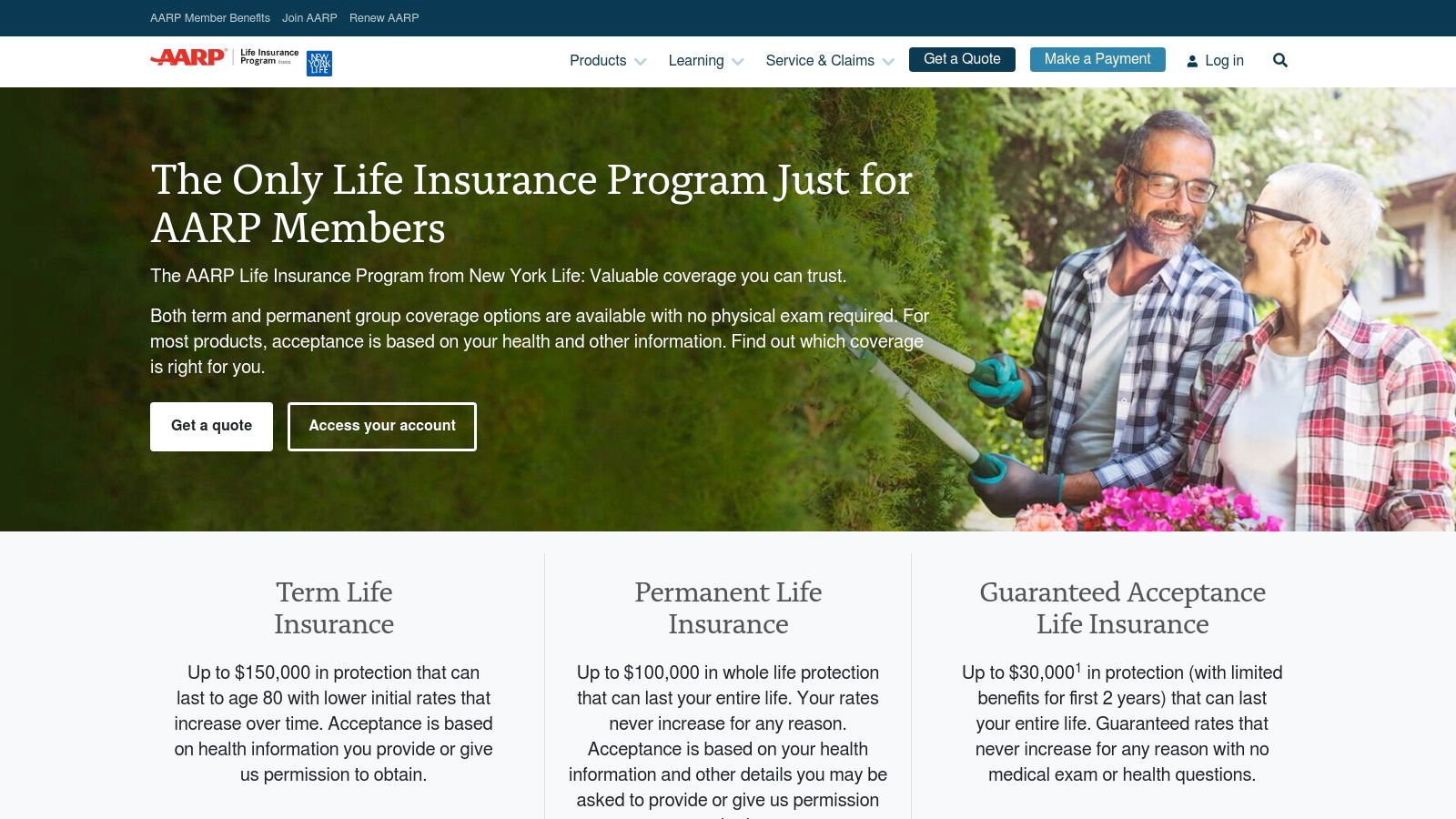
AARP Accidental Life Insurance, often offered through the AARP Life Insurance Program administered by New York Life Insurance Company, provides a specific form of financial coverage that pays a benefit only if the insured person dies due to a covered accidental injury. It is designed to act as a supplement to traditional life insurance rather than a complete replacement for it.
Understanding the Nature of Accidental Death Coverage
To understand AARP Accidental Life Insurance, one must first distinguish it from traditional term or whole life insurance. Traditional life insurance policies typically provide coverage for death regardless of the cause—whether it be illness, natural causes, or an accident—provided the policy is in force and all premiums are paid. Accidental Death Insurance, frequently marketed as Accidental Death and Dismemberment (AD&D) coverage, is highly restrictive in its scope.
Under this type of plan, the insurance carrier will only disburse the death benefit if the cause of death is directly and solely attributed to an "accident" as defined by the policy. In the context of insurance law and specific policy riders, an accident is generally defined as an unforeseen, unintentional, and sudden event that results in physical injury or death. Common examples include vehicle collisions, falls, or accidental poisoning. Conversely, death resulting from illness, surgery complications, or natural aging processes is typically excluded from these policies.
Because this insurance is limited in scope, the premiums are usually significantly lower than those for traditional permanent or term life insurance. It serves as a targeted financial tool for individuals who want to provide a specific amount of protection against the financial impact of a sudden, unexpected tragedy without the higher cost associated with comprehensive life coverage.
Eligibility and Enrollment Requirements
Accessing the AARP Accidental Life Insurance product requires meeting specific membership and age criteria. As these plans are managed within the AARP Life Insurance Program, you must be a current, dues-paying member of AARP to apply.
The program generally targets the 50-plus demographic, which aligns with the organization's membership requirements. However, within that demographic, age limits still apply. While specific thresholds can fluctuate based on the current year’s underwriting guidelines, most accidental death products through the AARP program allow for enrollment up to a certain maximum age—often around 75 or 80—with coverage potentially continuing thereafter as long as the policy remains in force and premiums are paid.
Unlike medically underwritten life insurance, accidental death policies often feature a "simplified issue" or "guaranteed acceptance" model. This means that applicants are generally not required to undergo a medical exam or answer an extensive health questionnaire. Because the policy only pays for accidents, your current health status—such as pre-existing chronic conditions like diabetes or heart disease—does not typically disqualify you from obtaining coverage. This makes it an accessible option for those who might otherwise be denied for traditional life insurance due to health history.
The Scope of Coverage: What is and Isn’t Covered
The "fine print" in an accidental death policy is the most critical element for a policyholder to understand. Since the benefit is triggered only by an accident, the definition of what constitutes an "accident" versus a "sickness" is the primary point of contention in most claims.
Covered Events
A standard policy typically covers death resulting from external, violent, and accidental means. This includes, but is not limited to:
- Motor vehicle accidents: As a driver, passenger, or pedestrian.
- Falls: Serious injuries resulting from a tumble or slip.
- Drowning: Accidental submersion in water.
- Accidental poisoning: Ingestion of a toxic substance that is not intentional.
- Common carrier accidents: Incidents occurring while traveling on public transportation like trains, buses, or commercial aircraft.
Common Exclusions
It is equally important to be aware of what the policy does not cover. Standard exclusions in 2026 for this type of insurance typically include:
- Natural causes: Heart attacks, strokes, or cancer.
- Self-inflicted injury: Suicide or attempted suicide.
- Illegal acts: Death occurring while the insured is committing or attempting to commit a crime.
- Drug/Alcohol impairment: Deaths where the insured was legally intoxicated or under the influence of non-prescribed drugs.
- Risky activities: Participation in high-risk hobbies like skydiving, auto racing, or professional contact sports, unless specifically endorsed otherwise.
- War or act of war: Military conflict-related deaths.
Comparing Accidental Death vs. Traditional Life Insurance
Choosing between these products requires an honest assessment of your financial goals. The following table illustrates the core differences between Accidental Death Insurance and traditional term life insurance.
| Feature | Accidental Death Insurance | Term Life Insurance |
|---|---|---|
| Cause of Death | Only accidental | Any cause (with few exceptions) |
| Medical Exam | Generally not required | Often required for higher amounts |
| Cost (Premiums) | Very low | Moderate to high |
| Underwriting | Simplified/Guaranteed | Health-based/Underwritten |
| Financial Goal | Sudden catastrophe support | Income replacement/Debt payoff |
If your goal is to provide for a family after your death, cover funeral costs regardless of the circumstances, or pay off a mortgage, a traditional life insurance policy is almost always the superior choice because it is not restricted by the cause of death. Accidental death coverage should be viewed as a "top-up" or "add-on" to ensure that if a death is sudden and unexpected, there is an extra pool of money available to handle immediate costs.
The Claims Process and Verification
When a claim is filed under an AARP Accidental Life Insurance policy, the insurance company will initiate a thorough investigation to confirm that the death met the "accidental" criteria. This is where the beneficiary must be prepared to provide documentation.
- Notification: The beneficiary or executor must notify the insurance carrier as soon as possible following the death.
- Death Certificate: The company will require an official, certified copy of the death certificate, which must list the cause of death.
- Coroner/Police Reports: Because the death must be deemed "accidental," the insurer will often review official police reports, autopsy results, and toxicology reports. Any evidence of pre-existing health issues that may have contributed to the death can be used by the insurance company to deny a claim.
- Verification of Coverage: The insurer confirms that the policy was active and all premiums were paid up-to-date.
Because the burden of proof lies with the beneficiary to demonstrate that the death was accidental, it is imperative to keep all policy documents in an accessible place. If there is a dispute regarding the cause of death, beneficiaries have the right to appeal the decision, often involving the review of medical records by an independent third party or legal counsel.
Common Questions Regarding AARP Accidental Insurance
Does this policy cover death from COVID-19 or other illnesses? No. Accidental death insurance is strictly limited to injuries sustained from accidents. A death caused by a virus or a medical condition is classified as a death by natural causes or sickness and is excluded from coverage.
Can I have both an AARP life insurance policy and an accidental death policy? Yes. In fact, many people use them in tandem. The life insurance policy covers the general financial needs, and the accidental death policy acts as a "bonus" benefit that provides extra funds to the beneficiaries in the event of an untimely, accidental death.
Is the premium for this insurance locked in? While some term life policies have level premiums, many supplemental accidental death plans have premiums that may increase as you enter higher age bands. You should review the specific schedule of premiums provided at the time of your application to understand how your costs will change over time.
What happens to the policy if I stop paying my AARP membership dues? Typically, the AARP insurance products offered through their program are contingent on maintaining active membership status. If you allow your AARP membership to lapse, you may risk the termination or non-renewal of your insurance policy. Always contact the administrator if you have concerns about membership status affecting your coverage.
Can I buy this policy for my spouse? Yes, most programs allow you to purchase coverage for your spouse if they are also an AARP member or meet the program's eligibility requirements. Each person typically requires their own policy or enrollment within the program.
Final Considerations and Next Actions
If you are considering AARP Accidental Life Insurance, start by reviewing your existing financial protection. Ask yourself if you have enough coverage to handle final expenses and support your survivors if you were to pass away due to a sickness. If the answer is no, prioritize obtaining a traditional term or whole life policy first.
If you already have life insurance and are simply looking for an affordable way to add an extra layer of protection specifically for accidental events, this product can be a practical, budget-friendly solution. Before signing any contract:
- Request the "Specimen Policy": Ask the provider for a sample contract. This document contains the full list of exclusions and the exact definitions of what they consider an "accident."
- Verify Premium Changes: Understand exactly how much your premium will increase as you age.
- Check Beneficiary Status: Ensure your beneficiary information is updated and accurate, as this is the most common reason for payment delays after a claim.
Insurance is a tool meant to provide peace of mind. By fully understanding the limitations of accidental death coverage, you can ensure that you are buying the right product for your specific financial circumstances and that your loved ones are adequately prepared for the future.