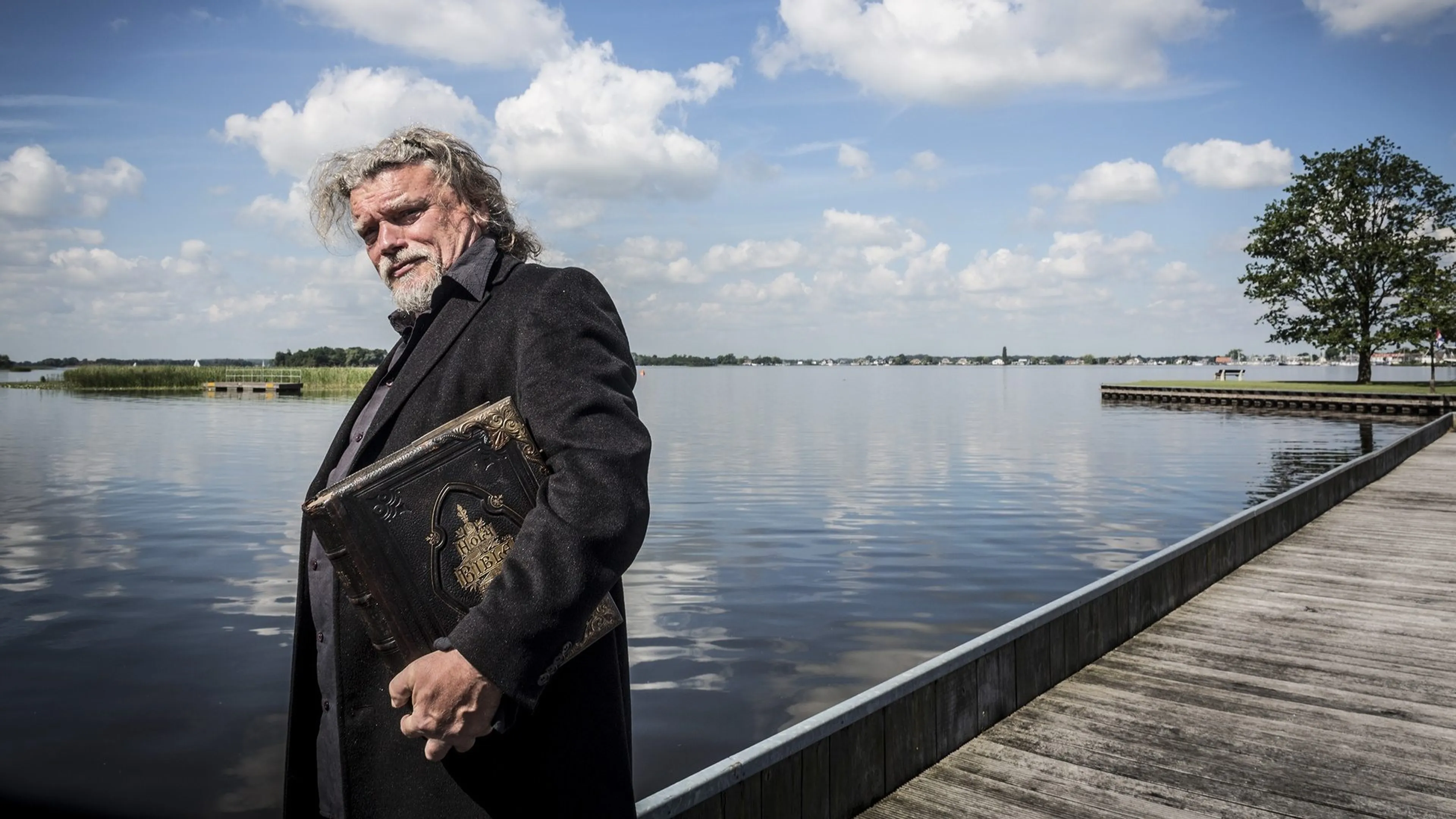
As of 2026, Aad Peters' net worth is estimated to be between €2 million and €5 million. His wealth is primarily derived from his decades-long career as a television producer and puppeteer, supplemented by the valuation of his most significant asset: the VerhalenArk (Noah’s Ark), a massive floating museum and cultural centerpiece.
The financial profile of Aad Peters is a fascinating study of how creative intellectual property can be transitioned into large-scale physical assets. Unlike traditional entrepreneurs who build wealth through scalable software or real-estate portfolios, Peters’ net worth is deeply intertwined with his identity as a storyteller and the high-maintenance, high-reward nature of maritime cultural exhibits. To understand his current financial standing, one must look past the liquid capital and examine the complex intersection of media royalties, vessel valuation, and the ongoing operational costs of his global projects.
The Foundation of Wealth: Early Career and Television Success
Aad Peters did not begin his journey with the Ark; he began with the art of puppetry. In the late 20th century, Peters established himself as a premier puppeteer and theater maker in the Netherlands. His work was not merely local; he performed in over 50 countries, often in conflict zones or developing nations, which established his brand as a "humanitarian artist."
Financially, his early peak came through television production. Most notably, his involvement with characters like Bulletje en Bonee provided a steady stream of revenue through broadcast rights and licensing. In the European media landscape of the 1980s and 1990s, successful children's programming was a lucrative niche. The royalties from these productions created the "seed capital" that allowed Peters to eventually pivot from a performer to a major asset owner.
During this period, Peters operated much like a boutique production house. By retaining rights to his characters and stories, he avoided the "work-for-hire" trap that limits many artists' long-term net worth. This intellectual property foundation is estimated to have contributed significantly to his early seven-figure valuation before he ever stepped foot on a ship.
The Acquisition of the VerhalenArk
The most significant shift in Aad Peters' net worth occurred in 2010 when he purchased the "VerhalenArk" (the Ark of Stories) from Johan Huibers. This was not a move for the faint of heart or the light of pocket. The vessel—a 70-meter-long, four-story floating museum—was a massive undertaking.
While the exact purchase price remained a private transaction, industry estimates at the time placed the value of such a specialized vessel in the range of €2.5 million to €3.5 million, including the internal exhibits. However, for Peters, the "value" was not just in the wood and nails, but in the ticket sales and cultural prestige the ship generated.
After purchasing the Ark, Peters invested heavily in its renovation. He transformed the interior from a literal interpretation of the biblical story into a more abstract, artistic journey through various biblical and cultural narratives. These renovations, while increasing the asset's book value, required significant capital expenditure. From an accounting perspective, this transitioned much of Peters' net worth from liquid cash into a "specialized maritime asset," a move that carries both high valuation and high risk.
Revenue Streams: The Museum Economy
Owning the Ark changed Peters' business model from "performance-based" to "location-based." Between 2010 and 2020, the Ark traveled across Europe, docking in cities like Cologne, Oslo, and various Dutch ports. The revenue model was multi-faceted:
- Ticket Sales: With thousands of visitors per month at various European stops, the Ark functioned as a high-traffic museum.
- Merchandising and Education: Selling books, educational materials, and replicas associated with the Ark’s exhibits.
- Media Appearances: The ship served as a backdrop for documentaries and news segments, further enhancing Peters' personal brand and commanding appearance fees.
However, the revenue from these streams must be balanced against the staggering overhead of maritime maintenance. A vessel of that size requires constant painting, hull inspections, and staffing. Furthermore, because the Ark has no engine of its own, every relocation requires hiring expensive tugboats. These operational costs mean that while Peters’ gross revenue was high, his net wealth was often subject to the volatility of European maritime regulations and docking fees.
The Ipswich Standoff: Impact on Valuation
A critical chapter in Aad Peters' financial narrative began in 2019 when the Ark became "stuck" in Ipswich, United Kingdom. Following a series of inspections by the Maritime and Coastguard Agency (MCA), the vessel was deemed "unseaworthy" for a return tow across the North Sea due to missing certifications and safety documentation.
This legal and logistical standoff had a profound impact on Peters' net worth. For several years, the Ark was unable to generate significant touring revenue while accruing:
- Daily Docking Fees: Port fees in the UK can be substantial for a vessel of that footprint.
- Legal Costs: Contesting maritime regulations and seeking exemptions requires high-level legal representation.
- Depreciation: Ships that do not move and are subject to the damp UK climate require more maintenance than those in active use.
By 2026, the resolution of this conflict is the primary factor in determining his current wealth. If the vessel is fully certified and operational, its value as a "going concern" (a business that can generate profit) remains high. If it remains a static asset with restricted movement, its valuation is essentially tied to the "scrap" or "static property" value, which is significantly lower.
Asset Breakdown and Financial Structure
To understand the €2M to €5M estimate, we must look at the diverse portfolio Peters has maintained. He is not merely a "ship owner"; he is a media veteran with a diversified approach to wealth.
| Asset Category | Estimated Contribution | Notes |
|---|---|---|
| The VerhalenArk | €1,500,000 - €3,000,000 | Dependent on maritime certification and hull integrity in 2026. |
| Media IP & Royalties | €500,000 - €1,000,000 | Residual income from decades of television and theater productions. |
| Private Holdings | €500,000 - €1,500,000 | Real estate and personal investments in the Netherlands. |
| Operational Liabilities | (€500,000 - €1,000,000) | Outstanding maritime fees, legal retainers, and maintenance debt. |
The wide range in the Ark's valuation reflects the "niche" nature of the asset. There is no open market for "biblical arks," meaning its value is what a specific cultural organization or wealthy benefactor is willing to pay. In a "fire sale" scenario, the value would plummet; as a functioning museum, it remains his "crown jewel."
The Complexity of Humanitarian Wealth
One must also consider Peters' involvement in various non-profit and humanitarian efforts. Throughout his career, Peters has used his art for social commentary and aid. In many cases, the lines between his personal wealth and his foundation's funds are blurred to the public eye.
For many high-profile creatives, a significant portion of "wealth" is actually held in trusts or foundations dedicated to the preservation of their work. While this provides Peters with a high standard of living and control over massive assets, it does not always translate to "liquid cash" that could be found in a typical bank account. This "asset-rich, cash-poor" phenomenon is common among owners of historic or large-scale cultural artifacts.
Comparative Analysis: Peters vs. Other Cultural Entrepreneurs
When comparing Aad Peters' net worth to other Dutch media figures, he sits in a unique category. He lacks the massive corporate wealth of television moguls like John de Mol, but he possesses a higher tangible asset value than most solo performers.
His wealth is most comparable to owners of private museums or specialized historical replicas. These individuals often see their net worth fluctuate based on government grants, tourism trends, and changes in safety legislation. The primary difference for Peters is his international reach; because his asset is mobile (in theory), his potential market is the entirety of Europe’s coastline, rather than a single city.
Technical Factors Influencing 2026 Valuation
In 2026, several technical factors influence the "Explained" portion of his net worth:
- Steel and Timber Costs: The raw material value of the Ark has actually risen due to global inflation in construction materials, providing a higher "floor" for the asset's value.
- Digital Integration: Peters has worked to digitize the Ark’s experience. Virtual reality tours and digital media rights associated with the Ark’s interior art can be sold independently of the physical ship, creating a new, "weightless" revenue stream.
- Environmental Regulations: As maritime laws tighten regarding the towing of non-powered vessels, the "cost to move" becomes a major liability against his net worth.
Frequently Asked Questions
Does Aad Peters own the Ark personally?
Aad Peters typically operates through his production companies and foundations. While he is the "owner" in the public and practical sense, the asset is usually held within a corporate structure to manage the significant liabilities associated with maritime operation.
How much did the Ark cost to build originally?
The original creator, Johan Huibers, reportedly spent approximately €1 million to €1.5 million on the initial construction of the smaller Ark (the one Peters owns). However, the subsequent renovations and "artistic fit-out" performed by Peters added several million more in value and cost.
Is the Ark of Noah in Ipswich still a factor in his net worth?
Yes. The long-term stay in Ipswich was a significant financial drain. However, it also increased the ship's fame. In the world of "oddity" assets, notoriety can sometimes increase valuation if the owner decides to sell the vessel to a collector or a different municipality.
What happened to Peters' TV royalties?
While the peak of his TV fame was in the 20th century, European copyright laws provide long-term protection for creators. Peters continues to receive royalties from rebroadcasts, digital streaming of his old works, and the use of his character designs in educational contexts.
Is Aad Peters a billionaire?
No. While Peters controls an asset that is world-famous and "looks" like it might belong to a billionaire, his actual net worth is in the low-to-mid single-digit millions. The costs of maintaining such a massive project prevent the accumulation of "billionaire-level" liquid wealth.
Strategic Recommendation for Observers
When evaluating the net worth of a figure like Aad Peters, the most important metric is asset liquidity. For those interested in the business of cultural artifacts, Peters serves as a cautionary and inspiring tale: he successfully turned an artistic vision into a multi-million euro physical landmark, but he also became subject to the immense gravity of maritime law.
To track his wealth moving forward into 2027 and beyond, observers should look for news regarding the Ark’s movement. A ship that moves is a ship that makes money; a ship that stays docked is a liability that erodes net worth. His ability to navigate the bureaucracy of international waters is as much a part of his "financial success" as his ability to pull the strings of a puppet.