The "90 Days with Emily" training plan is a structured, 12-week fitness program designed by fitness expert Emily Skye to build lean muscle, improve cardiovascular endurance, and establish sustainable lifestyle habits. By focusing on progressive overload, functional movement, and balanced nutrition, this realistic approach prioritizes long-term health over unsustainable short-term "quick fixes."
Understanding the Foundation of the 90-Day Emily Approach
To embark on a 90-day fitness journey, one must first understand the philosophy behind the Emily Skye (FIT) methodology. Unlike "crash" programs that prioritize extreme caloric deficits and excessive cardio, this plan is built on the pillar of functional hypertrophy. This means training the body to not only look athletic but to perform efficiently in everyday life. In 2026, the focus has shifted heavily toward longevity and hormonal health, ensuring that the 90-day window acts as a launchpad for a permanent lifestyle change rather than a temporary sprint.
The "realistic" aspect of this plan is its most critical feature. A realistic plan acknowledges that life happens—work meetings run late, children get sick, and energy levels fluctuate. The Emily Skye approach integrates flexibility, allowing participants to choose between gym-based workouts and home-based alternatives without sacrificing the quality of the stimulus. The program typically utilizes a combination of resistance training, high-intensity interval training (HIIT), and active recovery.
The Three Phases of the 90-Day Transformation
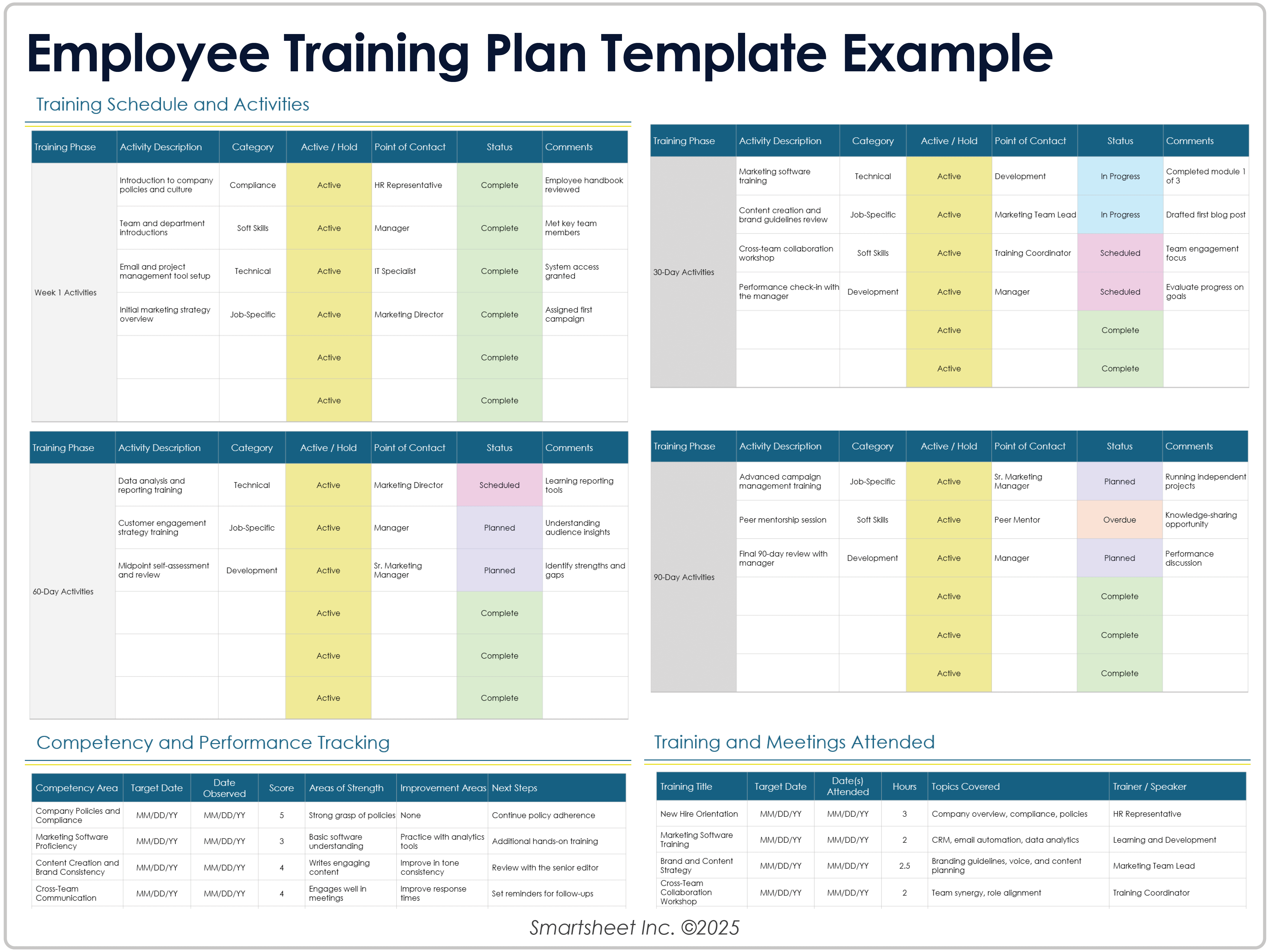
A 90-day period is traditionally broken down into three distinct blocks, each lasting four weeks. This periodicity is essential for preventing plateaus and allowing the central nervous system (CNS) to adapt to increasing demands.
Phase 1: The Foundational Block (Weeks 1–4)
The first 30 days are dedicated to "waking up" the musculature and perfecting form. For many, this phase involves identifying muscle imbalances and strengthening the core.
- Primary Goal: Establish consistency and master movement patterns.
- Training Focus: Compound movements (squats, lunges, presses) performed with moderate weight and higher repetitions.
- Mindset: Building the habit of showing up. The emphasis is on quality of movement over the amount of weight lifted.
Phase 2: The Strength and Definition Block (Weeks 5–8)
Once the foundation is set, the intensity increases. This is where most participants notice significant changes in body composition.
- Primary Goal: Increase metabolic rate and muscle density.
- Training Focus: Introduction of progressive overload. This involves gradually increasing the weight, frequency, or number of repetitions in your strength training sessions.
- HIIT Integration: Short, intense bursts of cardio are layered in to maximize calorie burn and improve heart health.
Phase 3: The Peak Performance Block (Weeks 9–12)
The final month is about refinement and testing the limits of your new fitness level.
- Primary Goal: Maximize fat loss while preserving lean muscle mass.
- Training Focus: Advanced techniques such as supersets, giant sets, and reduced rest periods.
- Final Push: Increasing the "neat" (Non-Exercise Activity Thermogenesis) by encouraging more daily movement outside of the gym.
Core Training Modalities Explained
To succeed in this 90-day plan, you must understand the specific types of exercise included. Each serves a distinct physiological purpose.
Resistance Training
This is the "meat and potatoes" of the Emily plan. By lifting weights or using high-tension resistance bands, you create micro-tears in the muscle fibers. As these fibers repair, they become stronger and more metabolically active. In the 2026 version of the program, there is a strong emphasis on multi-planar movements, which involve moving the body in different directions (forward, backward, sideways, and rotating) to ensure total-body functional strength.
High-Intensity Interval Training (HIIT)
HIIT is utilized sparingly but effectively. These sessions are usually 15–25 minutes long and involve maximum effort followed by short rest periods. HIIT is scientifically proven to trigger the "afterburn effect" (Excess Post-exercise Oxygen Consumption, or EPOC), meaning your body continues to burn calories at an elevated rate for hours after the workout is finished.
Core and Pelvic Stability
Emily Skye has long been a proponent of core health, particularly for women's postnatal recovery or general postural support. The 90-day plan includes specific "core finishers" that focus on the transverse abdominis—the deep abdominal muscles—rather than just the superficial "six-pack" muscles.
Realistic Nutrition Strategies for 2026
No training plan can overcome a poor diet. However, the "90 Days with Emily" philosophy rejects the idea of "good" and "bad" foods. Instead, it promotes a macros-based approach tailored to individual energy requirements.
- Protein Prioritization: Protein is the building block of muscle repair. The plan typically suggests 1.6 to 2.2 grams of protein per kilogram of body weight to support the demands of the resistance training.
- Complex Carbohydrates: Carbs are the body's primary fuel source. Rather than cutting them out, the plan integrates them around workout windows to ensure you have the energy to perform.
- Healthy Fats: Crucial for hormone production and brain function. Sources like avocado, nuts, and olive oil are encouraged.
- Hydration: Water intake is non-negotiable. Aiming for 3–4 liters a day helps with digestion, skin health, and muscle recovery.
Equipment and Workspace Requirements
A major barrier to fitness is the belief that one needs a fully equipped commercial gym. The Emily Skye 90-day plan is designed to be adaptable.
| Equipment Level | Required Items | Best For |
|---|---|---|
| Minimalist (Home) | Resistance bands, a chair/bench, and floor space. | Beginners or those with tight schedules. |
| Intermediate (Home/Garage) | Adjustable dumbbells, a yoga mat, and a skipping rope. | Those looking for significant muscle definition at home. |
| Advanced (Commercial Gym) | Full rack of dumbbells, barbells, cable machines, and cardio equipment. | Maximum hypertrophy and strength gains. |
Monitoring Progress Beyond the Scale
One of the most "realistic" aspects of this plan is the discouragement of daily weigh-ins. Body weight is an unreliable metric because muscle is denser than fat; as you lose fat and gain muscle, the scale may stay the same while your body shape changes drastically.
Instead, the program encourages:
- Progress Photos: Taken every four weeks in the same lighting and clothing.
- Biometric Measurements: Tracking inches lost around the waist, hips, and thighs.
- Performance Markers: Are you lifting more weight than last week? Can you run further without stopping?
- Energy Levels: Tracking how you feel throughout the day is a major indicator of metabolic health.
Common Obstacles and Troubleshooting
Even the best-laid plans encounter hurdles. A realistic 12-week journey includes a strategy for these common issues:
- Muscle Soreness (DOMS): Delayed Onset Muscle Soreness is common in Phase 1. The solution is not to stop moving, but to engage in "active recovery" like walking or light stretching to increase blood flow to the muscles.
- Plateaus: If progress stalls in Phase 2, it is often a sign that the body has adapted. This is the time to increase the weight or change the tempo of the repetitions.
- Lack of Motivation: Motivation is fleeting; discipline is what carries you through 90 days. Emily’s program often relies on community support—engaging with others on the same path through official app forums or social groups.
The Importance of Recovery and Sleep
In 2026, the fitness industry has reached a consensus that recovery is where the magic happens. You do not grow muscle in the gym; you grow muscle while you sleep. The 90-day plan emphasizes 7–9 hours of quality sleep. Lack of sleep increases cortisol (the stress hormone), which can lead to fat retention, particularly in the abdominal area, and can significantly hinder strength gains.
Comparison of Training Intensities
Understanding how to pace yourself over 90 days is vital for avoiding burnout.
- Low Intensity (Zone 2): Walking, light yoga. Used for active recovery.
- Moderate Intensity: Standard weightlifting sets where you have 1-2 reps left in the tank. This is the bulk of the program.
- High Intensity: HIIT and finishers where your heart rate is near its maximum. These are short and infrequent to prevent overtraining.
Is This Plan Right for You?
The "90 Days with Emily" plan is suitable for most fitness levels because it is scalable. A beginner can start with bodyweight versions of the exercises, while an advanced athlete can increase the load and intensity. However, if you have pre-existing injuries, it is essential to consult with a medical professional or a physical therapist before starting the high-impact or heavy lifting portions of the program.
Frequently Asked Questions
Can I do the 90-day plan if I am a complete beginner?
Yes. The plan is designed to be progressive. In Phase 1, the focus is entirely on learning the movements. Beginners are encouraged to use lighter weights or even just their body weight until they feel confident in their form. The "realistic" nature of the plan means it meets you where you are, rather than demanding elite-level performance from day one.
What happens if I miss a workout?
The plan is a framework, not a prison. If you miss a day, simply pick up where you left off. Do not try to "double up" on workouts the next day, as this increases the risk of injury and overtraining. Consistency over the full 90 days is more important than a single missed session.
Do I need to take supplements during these 90 days?
Supplements are not required for success, but they can be helpful. A high-quality protein powder can help you hit your daily protein targets, and creatine monohydrate is a well-researched supplement for supporting strength and muscle recovery. However, the focus should always be on whole foods first.
How much time do the workouts take?
Most sessions are designed to be completed within 30 to 45 minutes. This includes a warm-up and a cool-down. By utilizing efficient training methods like supersets, the plan maximizes results in a shorter timeframe, making it realistic for busy individuals.
Is the plan suitable for postnatal women?
Emily Skye is well-known for her postnatal fitness expertise. However, it is crucial to receive medical clearance from a doctor after childbirth before beginning any exercise regimen. Many of the core-strengthening exercises in the plan are specifically designed to be safe and effective for rebuilding abdominal strength after pregnancy.
What should I do after the 90 days are over?
The goal of the 90-day plan is to provide you with the tools to continue your fitness journey independently. Many people choose to repeat the plan with heavier weights, while others move on to more specialized training. The most important action is to maintain the healthy habits—balanced nutrition, regular movement, and adequate sleep—that you established during the 12 weeks.
Practical Recommendation
To begin your 90-day journey, start by taking "before" photos and recording your current strength levels for key movements like the squat and overhead press. Clear your schedule for at least four 45-minute blocks per week and prep your kitchen with high-protein staples. The most successful participants are those who treat their workouts like non-negotiable appointments. Focus on the process of showing up each day, and the physical results will follow as a natural byproduct of your consistency.