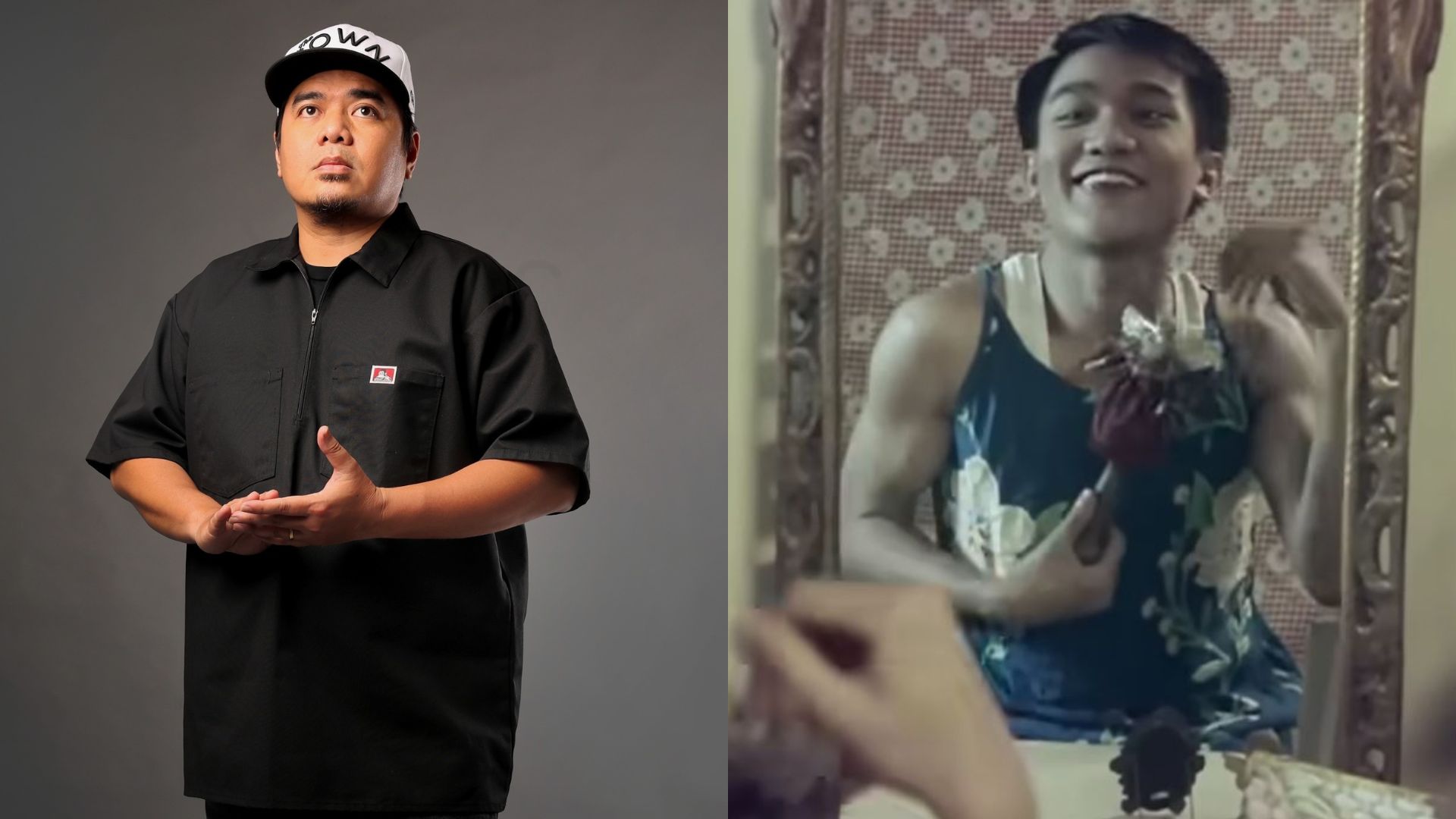
"Lando" is a seminal Filipino hip-hop track released by Gloc-9 (Aristotle Pollisco) featuring the legendary Francis Magalona. As one of the most culturally significant songs in OPM (Original Pilipino Music) history, it tells a tragic story of love, poverty, and violence, cementing Gloc-9's reputation as the Philippines' premier musical storyteller.
The song "Lando" is more than just a hit single; it is a piece of social literature set to a beat. Released in the mid-2000s, it bridged the gap between mainstream pop and the gritty reality of the Philippine streets. Even in 2026, the song remains a fixture in Filipino culture, frequently analyzed in academic settings and celebrated as a masterpiece of narrative songwriting.
Understanding the depth of "Lando" requires looking at the collaboration behind it, the technical structure of its lyrics, and the societal impact it had upon its release. Below are nine essential facts that define the legacy of this iconic track.
1. The Collaboration of Two Hip-Hop Generations
One of the most significant aspects of "Lando" is the pairing of Gloc-9 and Francis Magalona (Francis M). At the time of the song's release, Francis M was already the established "King of Philippine Rap," while Gloc-9 was the rising star known for his rapid-fire delivery and poetic depth.
This collaboration was not merely a marketing tactic; it was a passing of the torch. Francis M took Gloc-9 under his wing early in the latter’s career, and "Lando" served as a testament to their mutual respect. While Gloc-9 handles the heavy lifting of the verses, providing the detailed narrative, Francis M provides the haunting, melodic chorus that anchors the emotional weight of the song. The chemistry between the "Master Rapper" and the "Fastest Rapper" created a synergy that few tracks in OPM have ever replicated.
2. A Masterclass in Narrative Songwriting
Unlike many hip-hop tracks that focus on bravado or rhythmic complexity, "Lando" is a strictly narrative "story song." Gloc-9 utilizes a third-person perspective to recount the life of the protagonist, Lando, and his ill-fated romance with a woman named Elsa.
The song follows a classic tragic arc:
- The Introduction: Establishing Lando’s background and his humble life.
- The Conflict: The disapproval of Elsa’s mother due to Lando’s poverty.
- The Climax: The couple’s attempt to escape their circumstances, ending in a violent encounter in a dark alley.
- The Resolution: A grim conclusion that leaves the listener reflecting on the cycles of violence and poverty.
This storytelling technique is often compared to the Filipino tradition of Balagtasan (poetic debate), but modernized for the hip-hop era. Gloc-9’s ability to paint a vivid picture of the "iskinita" (alleys) and the "riles" (railroad tracks) allows the listener to visualize the story as if watching a film.
3. The Lead Single of the 'Diploma' Album
"Lando" was the lead single of Gloc-9’s third studio album, Diploma, released in 2007 under Sony BMG. The album title itself was a statement about Gloc-9’s journey—proving that rap was a legitimate craft that required the same dedication as any academic pursuit.
Diploma was a turning point for Gloc-9. Before this, he was known largely for his speed and his work with the group Death Threat. With "Lando" as the flagship track, the album showcased a more mature, socially conscious artist. The success of the song helped the album achieve critical and commercial success, eventually leading to multiple industry awards and setting the stage for his subsequent hits like "Upuan" and "Sirena."
4. Social Commentary on the Philippine Class Divide
At its core, "Lando" is a critique of the socio-economic barriers in the Philippines. The primary obstacle for Lando and Elsa is not a lack of love, but a lack of resources. Elsa’s mother represents the societal prejudice against those living in poverty, viewing Lando as someone with "no future" simply because of his social standing.
The tragedy that occurs at the end of the song—a random act of violence during a rainy night—serves as a metaphor for the vulnerability of the poor. In Gloc-9’s world, the characters are not just fighting their own choices; they are fighting an environment that is indifferent to their survival. This thematic depth is why the song is still discussed in 2026 as a relevant piece of social realism.
5. Technical Mastery and "The Gloc-9 Flow"
While "Lando" is slower than some of Gloc-9’s other high-speed tracks, it demonstrates his technical precision. He uses internal rhyme schemes and specific Tagalog vocabulary that evokes the grit of Manila life.
| Technical Element | Description in "Lando" |
|---|---|
| BPM (Beats Per Minute) | Approximately 85-90 BPM, allowing for clear enunciation of the story. |
| Rhyme Scheme | Primarily AABB and ABAB with heavy use of multisyllabic internal rhymes. |
| Vocal Texture | Gloc-9 uses a somber, almost whispered tone in the verses to build tension. |
| The Hook | A melodic, soulful delivery by Francis M that contrasts with the rhythmic verses. |
The "flow" in "Lando" is deliberate. Gloc-9 speeds up during moments of tension (like the description of the rain and the mugging) and slows down during the descriptive, melancholic passages, showing a sophisticated understanding of musical pacing.
6. The Cinematic Music Video
The music video for "Lando," directed by Anyo Guevarra, was instrumental in the song's mainstream success. It was shot with a cinematic aesthetic, using desaturated colors and gritty locations to match the song's mood.
The video features Gloc-9 as a witness or a narrator moving through the scenes of Lando’s life. It starred high-profile actors and featured Francis M in what would become one of his last major music video appearances before his passing in 2009. The imagery of the heavy rain and the dark alleys became synonymous with the song, making it a staple on music channels like MYX and MTV Philippines during the late 2000s.
7. The Legend of the "True Story"
For years, rumors circulated among fans that "Lando" was based on a true story that Gloc-9 had witnessed or heard about in his hometown of Binangonan, Rizal. While Gloc-9 has clarified in various interviews over the years that the characters are fictional composites, the song's "truth" lies in its relatability.
The "Lando" character represents thousands of Filipinos who face similar struggles. By grounding the fiction in hyper-realistic details—such as the specific way Elsa’s mother looked at Lando or the description of the weapon used in the climax—Gloc-9 created a narrative that felt more real to his audience than many actual news reports. This "emotional truth" is a hallmark of Gloc-9's writing style.
8. Accolades and Industry Impact
"Lando" was a juggernaut during the 2008 award season. It swept several categories across different organizations, validating hip-hop's place in the broader OPM landscape.
- Awit Awards: The song and the album Diploma received numerous nominations, with Gloc-9 winning for his songwriting and collaborations.
- MYX Music Awards: The video was a frequent winner and nominee, reflecting its popularity among the youth.
- Radio Dominance: Despite its tragic and dark themes, the song was a "crossover hit," playing on both hip-hop stations and mainstream pop stations.
The song's success proved that the Filipino public was hungry for content that went beyond the typical "hugot" (emotional) ballads. It showed that rap could be both intellectually stimulating and commercially viable.
9. A Living Legacy in 2026
In the current year of 2026, "Lando" has transitioned from a hit song to a "classic." It is frequently used in Philippine literature and social studies classes to discuss narrative techniques and social issues. The song has been covered by various artists, and its "unplugged" versions continue to garner millions of views on digital platforms.
The loss of Francis Magalona shortly after the song's peak gave the track an even deeper emotional resonance. When Gloc-9 performs the song live today, the audience often sings Francis M's parts in a collective tribute. "Lando" remains the gold standard for Filipino narrative rap, influencing a new generation of artists who aim to use their music as a mirror to society.
Comparison of Gloc-9's Narrative Trilogy
Gloc-9 is famous for his "story songs." While "Lando" was the pioneer, it is often grouped with two other major tracks to form what fans consider his narrative trilogy.
| Feature | Lando (2007) | Upuan (2009) | Sirena (2012) |
|---|---|---|---|
| Main Theme | Poverty and Tragic Love | Political Corruption | LGBTQ+ Struggles |
| Featured Artist | Francis Magalona | Jeazell Grutas | Ebe Dancel |
| Narrative Style | Third-person tragic tale | Second-person dialogue | First-person biography |
| Tone | Dark and Gritty | Sarcastic and Urgent | Empathetic and Empowering |
Common Questions About Gloc-9's "Lando"
Who is the girl in the song Lando?
In the song's narrative, the girl is named Elsa. She is the love interest of the protagonist, Lando. Their relationship is the central focus of the story, specifically how their love is challenged by Elsa's mother and the harsh environment they live in. In the music video, she is portrayed by an actress to bring the tragic character to life.
Did Gloc-9 write Lando alone?
Gloc-9 (Aristotle Pollisco) wrote the lyrics for the verses, which contain the bulk of the storytelling. The song's production and the iconic chorus were collaborative efforts involving Francis Magalona and the production team at Sony BMG. Gloc-9 is widely credited for the conceptualization and the narrative structure of the track.
What happened to Lando at the end of the song?
The ending of the song is famously tragic and somewhat open to interpretation regarding the finality of Lando's fate. After being cornered in an alley by thugs during a storm, Lando is attacked while trying to protect Elsa. The lyrics suggest a violent end, with Elsa left wandering or lost in the aftermath. The grim conclusion is meant to highlight the senselessness of street violence.
Why is the song called "Lando"?
The song is named after its protagonist, Lando. By naming the track after a specific person, Gloc-9 humanizes the statistics of poverty. Instead of rapping about "poor people" in general, he gives the struggle a name, a face, and a specific story, making the emotional impact much stronger for the listener.
Is Francis M's part sampled or original?
Francis Magalona’s part in "Lando" is an original vocal performance recorded specifically for the track. It is not a sample from an older song. His melodic delivery of the chorus became one of the most recognizable "hooks" in OPM history, providing a soulful contrast to Gloc-9's rhythmic storytelling.
Recommended Next Actions
For those looking to explore the world of "Lando" further, it is recommended to watch the official music video to see how the visual narrative complements the lyrics. Additionally, listening to the full Diploma album provides essential context for Gloc-9's artistic evolution during that era. For a deeper academic understanding, many Filipino linguistic blogs offer line-by-line breakdowns of the Tagalog metaphors used in the song, which are excellent for students of literature and music alike.