To convert 8:00 AM PDT (Pacific Daylight Time) to your local time, you must determine your current UTC offset. PDT is UTC-7. For example, if you are in New York (EDT/UTC-4), 8:00 AM PDT is 11:00 AM local time. If you are in London (BST/UTC+1), it is 4:00 PM.
The challenge of coordinating across time zones remains a significant hurdle in our globally interconnected world. Whether you are a remote professional preparing for a morning briefing, a gamer waiting for a server reset, or a traveler syncing schedules with the West Coast of North America, understanding "8 AM PDT" is the first step toward seamless synchronization. As of 2026, the reliance on Pacific Time as a standard for the technology and entertainment industries is as strong as ever, making it essential to master the math behind the conversion.
Understanding Pacific Daylight Time (PDT)
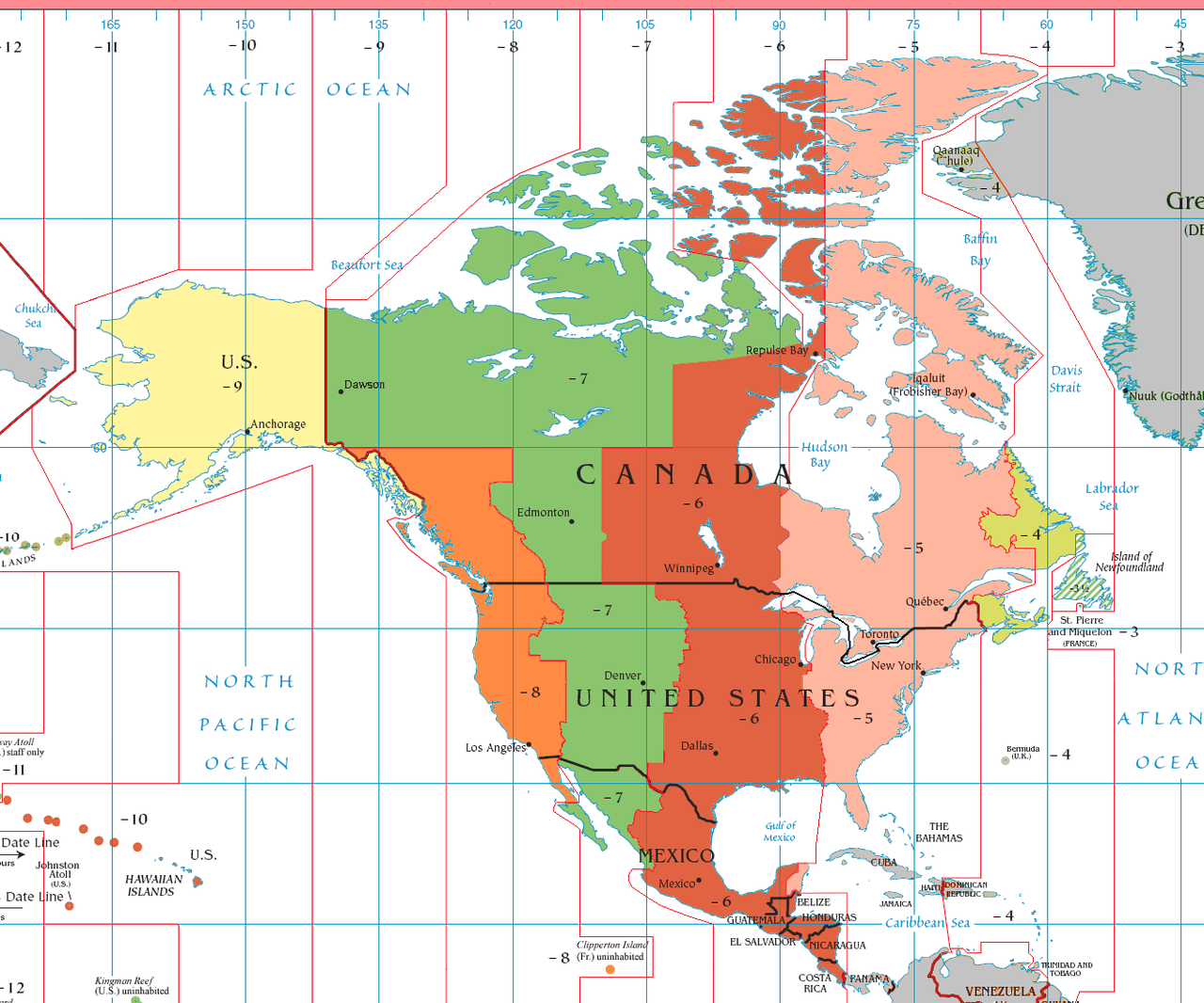
Pacific Daylight Time (PDT) is the time zone observed in the western parts of North America during the spring, summer, and early autumn months. It is defined as seven hours behind Coordinated Universal Time (UTC-7). This zone includes major metropolitan hubs such as Los Angeles, San Francisco, Seattle, and Vancouver.
In 2026, the transition from Pacific Standard Time (PST) to Pacific Daylight Time (PDT) followed the established North American pattern. Most regions adjusted their clocks forward one hour on the second Sunday of March and will return to standard time on the first Sunday of November. This "Spring Forward" shifts the region from UTC-8 to UTC-7, allowing for more evening daylight but often causing confusion for those in regions that do not observe Daylight Saving Time (DST) or those who change their clocks on different dates.
The Geography of the Pacific Time Zone
The Pacific Time Zone is not limited to the United States. It encompasses:
- United States: California, Washington, most of Oregon, Nevada, and the northern panhandle of Idaho.
- Canada: British Columbia and the Yukon Territory (though the Yukon moved to permanent Mountain Standard Time in recent years, many still associate it with western scheduling).
- Mexico: The state of Baja California observes Pacific Time and generally synchronizes its DST changes with the U.S. border.
Understanding these geographical boundaries is vital because local laws regarding DST can change. While most of the Pacific region follows the UTC-7 offset during the summer of 2026, small pockets or neighboring states (like Arizona, which stays on Mountain Standard Time year-round) may have different relative offsets.
8 AM PDT Conversion Table for Major Global Cities
To simplify your search for "8 AM PDT to my time," the following table provides the local equivalent for major cities across various time zones during the 2026 daylight saving period.
| Region / City | Local Time Zone | Offset from PDT | Local Time (Equivalent to 8 AM PDT) |
|---|---|---|---|
| Honolulu, Hawaii | HST | -3 Hours | 5:00 AM |
| Anchorage, Alaska | AKDT | -1 Hour | 7:00 AM |
| Denver, Colorado | MDT | +1 Hour | 9:00 AM |
| Chicago, Illinois | CDT | +2 Hours | 10:00 AM |
| New York, NY | EDT | +3 Hours | 11:00 AM |
| Rio de Janeiro, Brazil | BRT | +4 Hours | 12:00 PM (Noon) |
| London, UK | BST | +8 Hours | 4:00 PM |
| Berlin, Germany | CEST | +9 Hours | 5:00 PM |
| Dubai, UAE | GST | +11 Hours | 7:00 PM |
| Mumbai, India | IST | +12.5 Hours | 8:30 PM |
| Singapore / Beijing | SGT / CST | +15 Hours | 11:00 PM |
| Tokyo, Japan | JST | +16 Hours | 12:00 AM (Next Day) |
| Sydney, Australia | AEST | +17 Hours | 1:00 AM (Next Day) |
How to Manually Calculate the Time Difference
While digital tools are convenient, understanding the manual calculation ensures you are never caught off guard by a dead battery or a lack of internet access. The process involves three distinct steps: identifying the UTC offsets, calculating the mathematical difference, and adjusting for the date line.
Step 1: Identify the UTC Offsets
Every time zone is measured by its relationship to Coordinated Universal Time (UTC), which is the successor to Greenwich Mean Time (GMT).
- PDT is UTC-7.
- Determine your local offset. For example, Central European Summer Time (CEST) is UTC+2.
Step 2: Calculate the Difference
Subtract the PDT offset from your local offset.
- Equation: (Local Offset) - (PDT Offset) = Total Difference.
- Example: (+2) - (-7) = 9 hours.
- Since the result is positive, your local time is ahead of PDT. If the result were negative, your time would be behind PDT.
Step 3: Apply the Difference to 8:00 AM
Add the 9-hour difference to 8:00 AM.
- 8:00 + 9 hours = 17:00.
- In the 12-hour format, 17:00 is 5:00 PM.
Why 8 AM PDT is a Universal Benchmark
In 2026, 8 AM PDT remains one of the most significant timestamps for global operations. This specific time is chosen by corporations and organizations for several strategic reasons:
- The Start of the West Coast Workday: 8 AM is the traditional start of the business day for the tech giants of Silicon Valley and the creative powerhouses of Hollywood. When an announcement is made at 8 AM PDT, it ensures that staff in California are at their desks and ready to respond.
- The "Golden Window" for International Meetings: 8 AM PDT (11 AM EDT, 4 PM BST) represents a rare window where workers in the United States, Europe, and parts of the Middle East are all within standard working hours. This allows for live collaboration before the European teams finish their day.
- Product and Gaming Launches: Major software updates, video game expansions, and hardware pre-orders often go live at 8 AM PDT. This timing allows support teams to be fully staffed for the initial surge of traffic and provides a full workday to troubleshoot any launch-day issues.
The Distinction Between PDT and PST
A common error in time conversion is using "PST" and "PDT" interchangeably. This is more than a semantic issue; using the wrong term can result in being exactly one hour late or early for an appointment.
- PST (Pacific Standard Time): Observed from the first Sunday in November to the second Sunday in March. Its offset is UTC-8.
- PDT (Pacific Daylight Time): Observed from the second Sunday in March to the first Sunday in November. Its offset is UTC-7.
In 2026, if you are looking for "8 AM PDT," you are likely operating between March 8 and November 1. If your event falls outside these dates, you should be looking for 8 AM PST instead. Always check the current date against the Daylight Saving Time calendar to ensure accuracy.
Challenges with International Transitions
The most significant risk to accurate time conversion occurs during the "shoulder periods" in March and October/November. Not all countries observe Daylight Saving Time, and those that do rarely synchronize their transition dates perfectly.
For example, the United Kingdom usually shifts to British Summer Time (BST) on the last Sunday of March, while the U.S. shifts to PDT on the second Sunday of March. During that roughly two-week gap, the time difference between London and Los Angeles is only 7 hours instead of the usual 8. If you have a recurring meeting at 8 AM PDT, your local time in London will change during this period.
Regions Without DST
Many parts of the world, including most of Asia, Africa, and several South American countries, do not observe DST. For residents of these regions, the time difference to PDT changes twice a year, even though their own local clocks never move. If you are in Mumbai, 8 AM PDT will always be 8:30 PM IST during the summer, but it will shift to 9:30 PM IST when the U.S. returns to Pacific Standard Time in November.
Digital Tools for Error-Free Conversion
To avoid manual errors, several reliable digital resources can help you verify "8 AM PDT to my time" instantly:
- Operating System Clocks: Both Windows 11 and macOS allow you to add multiple "World Clocks" to your taskbar or notification center. Adding "Cupertino" or "Los Angeles" as a permanent clock provides an instant reference point.
- Smartphone Features: The "Clock" app on iOS and Android includes a world clock feature with a built-in converter. You can slide a bar to 8:00 AM on the PDT clock and see the corresponding time across all your saved cities.
- Search Engine Shortcuts: Typing "8 am pdt to my time" directly into search engines like Google or DuckDuckGo will typically return a featured snippet showing your local time based on your IP address location.
- Official Timekeepers: Websites like Time.gov (run by NIST and the USNO) provide the most accurate, atomic-clock-synchronized time for U.S. zones. For international comparisons, TimeAndDate.com remains a gold standard for tracking DST changes globally.
Common Mistakes to Avoid
- Forgetting the Date Line: When converting 8 AM PDT to locations in Australia, New Zealand, or East Asia, the local time will often be the following day. For example, 8 AM PDT Monday is 1 AM Tuesday in Sydney.
- Assuming 12-Hour Sync: Do not assume that because the sun is up in California, it is up in your location. Always use a 24-hour mental check to ensure you haven't confused AM and PM.
- Local Exemptions: Remember that some areas within a time zone don't follow the same rules. For instance, most of Arizona is in the Mountain Time Zone but does not observe DST. During the summer, Arizona time is actually the same as PDT.
Frequently Asked Questions
Is 8 AM PDT the same as 8 AM PST?
No. PDT (Pacific Daylight Time) is UTC-7, while PST (Pacific Standard Time) is UTC-8. 8 AM PDT is one hour earlier in terms of absolute time than 8 AM PST. If you use the wrong one, you will be an hour off your schedule.
What is 8 AM PDT in UTC?
8:00 AM PDT is 3:00 PM (15:00) UTC. Because PDT is seven hours behind UTC, you add seven hours to the Pacific time to reach the universal standard.
Does 8 AM PDT change if I am in a different state?
8 AM PDT is a fixed point in time. While the "8 AM" part is the same for everyone in the Pacific zone, the "to my time" part depends entirely on your specific location's offset from UTC-7.
Why do some people call it "PT" instead of PDT?
"PT" stands for Pacific Time, a generic term used to refer to the local time in that zone regardless of whether it is currently Standard or Daylight time. While convenient, it is less precise than using PDT or PST.
How does 8 AM PDT affect international flight schedules?
Airlines always list departure and arrival times in the local time of the airport. If your flight departs at 8 AM PDT, that is the time in the departure city. If you are checking this from another zone to see when a loved one takes off, you must convert it to your own time to know when to expect a "we've landed" text.
Practical Recommendation
When dealing with "8 AM PDT," the safest approach is to use a calendar invitation (such as Google Calendar or Outlook) to bridge the gap. When you create an event and set the time zone to "Pacific Time - Los Angeles," the software automatically handles the conversion for every invitee based on their own device's time zone settings. This eliminates the risk of manual calculation errors and accounts for differing Daylight Saving transition dates across the globe. For 2026, staying proactive about these shifts will ensure you remain punctual for all your international engagements.