To host a successful Thanksgiving in 2026, prioritize a structured preparation timeline, master precision temperature control for your turkey, and implement a rigorous "make-ahead" strategy for side dishes. Success depends on balancing traditional culinary techniques with modern kitchen efficiency, ensuring the host manages logistics effectively while maximizing quality time with guests.
1. Implement a Strategic Four-Week Preparation Timeline
The primary source of stress during the holiday season is the compression of tasks into the final 48 hours. For Thanksgiving 2026, professional event planners recommend a staggered "four-week countdown." This approach mitigates the risk of supply chain shortages for specialty items and ensures that kitchen infrastructure—such as ovens and refrigeration—is not overwhelmed by last-minute demands.
During the first week of November, finalize your guest list and confirm any dietary restrictions (e.g., gluten-free, vegan, or nut allergies). This is also the time to secure your turkey. If you are ordering a heritage breed or an organic pasture-raised bird from a local farm, early reservation is essential. In 2026, demand for ethically sourced poultry continues to rise, and local inventories often deplete by the second week of the month.
By the second week, conduct an equipment audit. Verify that your meat thermometer is calibrated, your roasting pan is in good repair, and you have sufficient storage containers for leftovers. The third week should focus on non-perishable shopping, such as pantry staples, wine, and décor. This leaves only the fresh produce and the final "prep-heavy" tasks for the holiday week, significantly reducing the cognitive load on the host.
2. Master the Science of the Bird: Brining and Spatchcocking
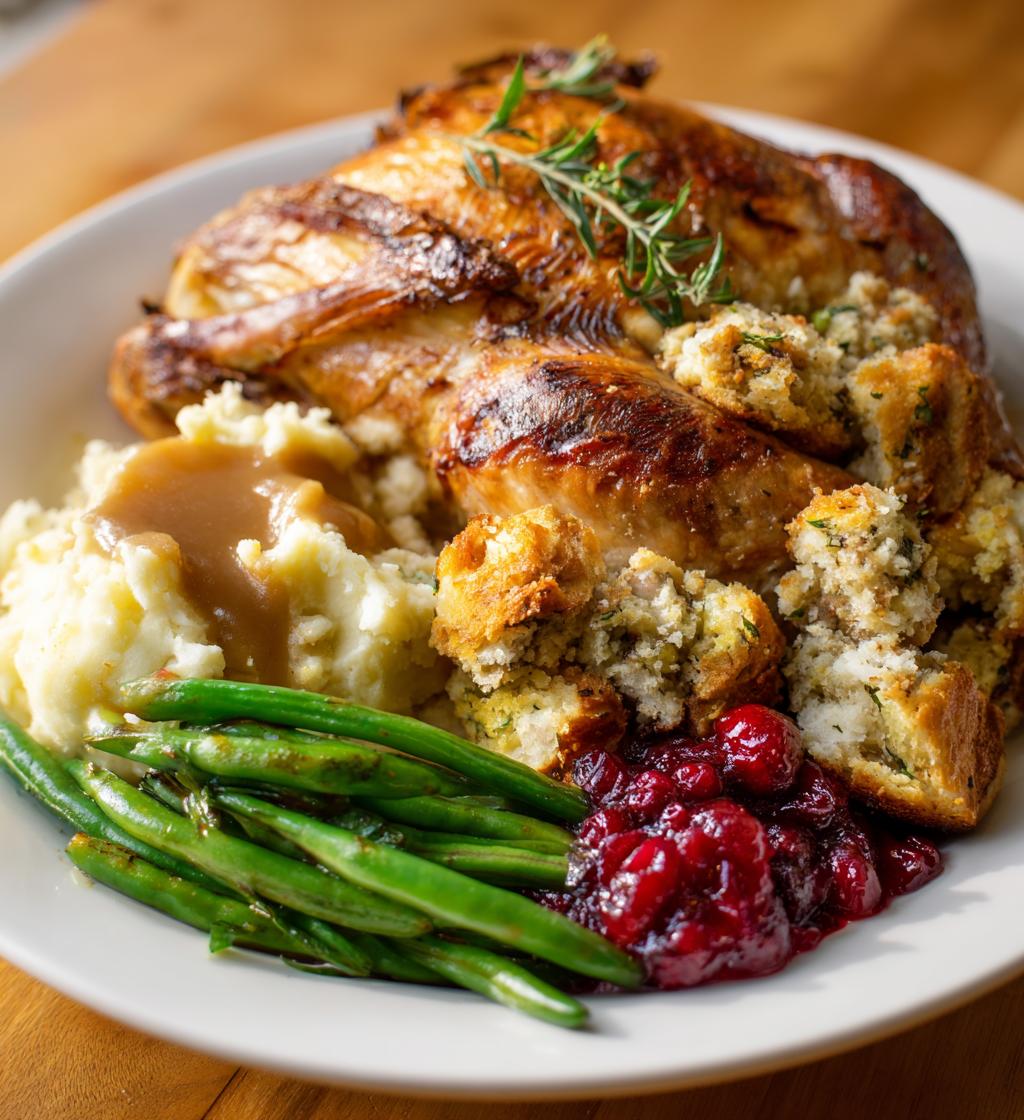
The turkey is the centerpiece of the meal, yet it is often the most difficult element to execute perfectly due to the anatomical differences between white and dark meat. To ensure a moist result in 2026, move beyond basic roasting toward more technically sound methods like dry brining and spatchcocking.
Dry brining involves rubbing the turkey with salt and aromatics at least 24 to 48 hours before cooking. Unlike wet brining, which can lead to spongy meat and flabby skin, dry brining allows the salt to penetrate the muscle fibers, breaking down proteins to retain moisture while simultaneously drying out the skin for a superior Maillard reaction (browning).
For those looking to optimize oven space and reduce cooking time, spatchcocking (or butterflying) is the gold standard. By removing the backbone and flattening the bird, you expose more surface area to the heat. This results in:
- Even Cooking: The legs and thighs, which require a higher internal temperature, are more exposed to heat than when the bird is whole.
- Faster Results: A 12-to-14 pound turkey can often cook in 80 to 90 minutes.
- Crispier Skin: Every inch of the skin is facing upward, allowing for uniform crisping.
Always use a high-quality digital meat thermometer. According to the USDA Food Safety and Inspection Service, a turkey must reach an internal temperature of 165°F (74°C) to be safe for consumption. Measure this in the thickest part of the breast and the innermost part of the wing and thigh.
3. Optimize Side Dish Scaling and Make-Ahead Logistics
A common mistake in Thanksgiving planning is attempting to cook every side dish from scratch on the day of the event. This creates a "bottleneck" at the stove and oven. In 2026, the trend toward "modular cooking" allows hosts to prepare up to 70% of the menu in advance.
Cranberry sauce, for instance, contains natural pectin and high acidity, making it an ideal candidate for preparation up to five days early. Similarly, root vegetables like carrots and parsnips can be blanched and shocked in ice water days before, requiring only a quick sauté or roast on Thanksgiving day.
For mashed potatoes, consider the "hot-hold" method. You can prepare them in the morning and keep them warm in a slow cooker on the lowest setting for several hours without losing texture, provided you incorporate enough fat (butter or cream) to prevent drying. When scaling recipes, use the "1.5 Rule": estimate 1.5 servings per guest for popular items like stuffing and potatoes to account for varying appetites and the inevitable demand for leftovers.
4. Engineering the Beverage Station and Bar Logistics
Managing drinks is often an afterthought, leading to crowded kitchens as guests search for ice or glassware. A dedicated beverage station located away from the primary cooking zone is essential for maintaining "flow" in the home.
For 2026, focus on a curated selection rather than a full bar. A standard recommendation includes:
- Wine: Two bottles of white (such as a crisp Riesling or Sauvignon Blanc) and two bottles of red (like Pinot Noir or Zinfandel) for every five guests.
- Non-Alcoholic Options: Sparkling water, cider, and sophisticated "mocktails" are increasingly popular.
- Ice Requirements: Plan for at least one pound of ice per person to cover both chilling and serving needs.
Ensure that red wines are opened at least 30 minutes before serving to allow for aeration. If space allows, use a separate cooler for beer and soda to keep the main refrigerator available for temperature-sensitive food items.
5. Kitchen Workflow and Mise en Place
Professional chefs rely on mise en place—a French term for "everything in its place"—to manage high-pressure environments. For a home cook, this means performing all chopping, measuring, and organizing before the first burner is even turned on.
Clear your countertops of any non-essential appliances. On Thanksgiving morning, organize your ingredients by dish. Use small bowls or containers for pre-chopped onions, celery, and herbs. This prevents the "search-and-find" delay that often leads to burnt food or missed steps.
Furthermore, manage your oven "real estate" by categorizing dishes by their required temperatures. Group items that can roast at 350°F together. If the turkey is taking up the main oven, utilize countertop toaster ovens or air fryers for smaller batches of roasted vegetables or rolls. This decentralized cooking approach is a hallmark of modern 2026 kitchen management.
6. Prioritizing Guest Comfort and Dietary Safety
In 2026, dietary inclusivity is no longer optional; it is a core component of hospitality. Beyond simply offering a salad, hosts should ensure that at least one main-course alternative (such as a mushroom Wellington or a lentil-based roast) is available for vegetarian or vegan guests.
To manage safety, particularly with food allergies, use a labeling system. Small cardstock labels placed next to each dish can identify common allergens like dairy, nuts, or shellfish. This empowers guests to make safe choices without having to constantly query the host.
Temperature control in the dining area is also a factor. With the oven running and a house full of people, the ambient temperature can rise quickly. Set your thermostat 2-3 degrees lower than usual an hour before guests arrive to compensate for the increase in body heat and kitchen activity.
7. Post-Meal Efficiency and Food Safety Protocols
The conclusion of the meal is often where food safety risks are highest. Bacteria grow rapidly in the "Danger Zone" (between 40°F and 140°F). To prevent foodborne illness, follow the "Two-Hour Rule" established by the Centers for Disease Control and Prevention: all perishable items must be refrigerated or frozen within two hours of being served.
To make this process efficient:
- Pre-Label Containers: Have your storage containers ready and labeled before dinner starts.
- Break Down the Bird: Do not put a whole turkey carcass in the fridge; it will not cool fast enough. Remove the meat from the bone and store it in shallow containers (less than two inches deep) to ensure rapid cooling.
- Enlist Help: Create a "cleanup crew" rather than doing it all yourself. Assign one person to scrap plates, one to wash, and one to pack leftovers.
Turkey Preparation and Timing Reference
| Turkey Weight (lbs) | Thawing Time (Fridge) | Roasting Time (Unstuffed) | Roasting Time (Stuffed) |
|---|---|---|---|
| 8 to 12 lbs | 2 to 3 days | 2.75 to 3 hours | 3 to 3.5 hours |
| 12 to 14 lbs | 3 to 4 days | 3 to 3.75 hours | 3.5 to 4 hours |
| 14 to 18 lbs | 4 to 5 days | 3.75 to 4.25 hours | 4 to 4.5 hours |
| 18 to 20 lbs | 5 to 6 days | 4.25 to 4.5 hours | 4.5 to 5 hours |
Note: Roasting times are based on a 325°F oven. Always verify with a meat thermometer.
Frequently Asked Questions
How do I safely thaw a turkey if I forgot to take it out of the freezer?
If you missed the refrigerator thawing window, use the cold-water method. Submerge the turkey in its original leak-proof packaging in a sink full of cold tap water. Change the water every 30 minutes to ensure it stays cold. This method takes approximately 30 minutes per pound. Never thaw a turkey on the counter at room temperature, as this allows bacteria to multiply on the outer layers while the center remains frozen.
Can I make the stuffing/dressing ahead of time?
You can prepare the components—chopping the vegetables, toasting the bread cubes, and making the stock—well in advance. However, do not mix the liquid with the dry ingredients until you are ready to bake it. If you mix them too early, the bread will become overly soggy and may lose its structural integrity. For food safety, bake stuffing in a separate casserole dish rather than inside the turkey.
What is the best way to reheat leftovers without drying them out?
To reheat turkey, place it in a baking dish with a splash of chicken broth or gravy and cover it tightly with foil. Bake at 300°F until warmed through. This "steam-heating" method prevents the meat from becoming stringy. For mashed potatoes, adding a small amount of milk or butter before microwaving or reheating on the stove will help restore their creamy texture.
How much food should I actually prepare per person?
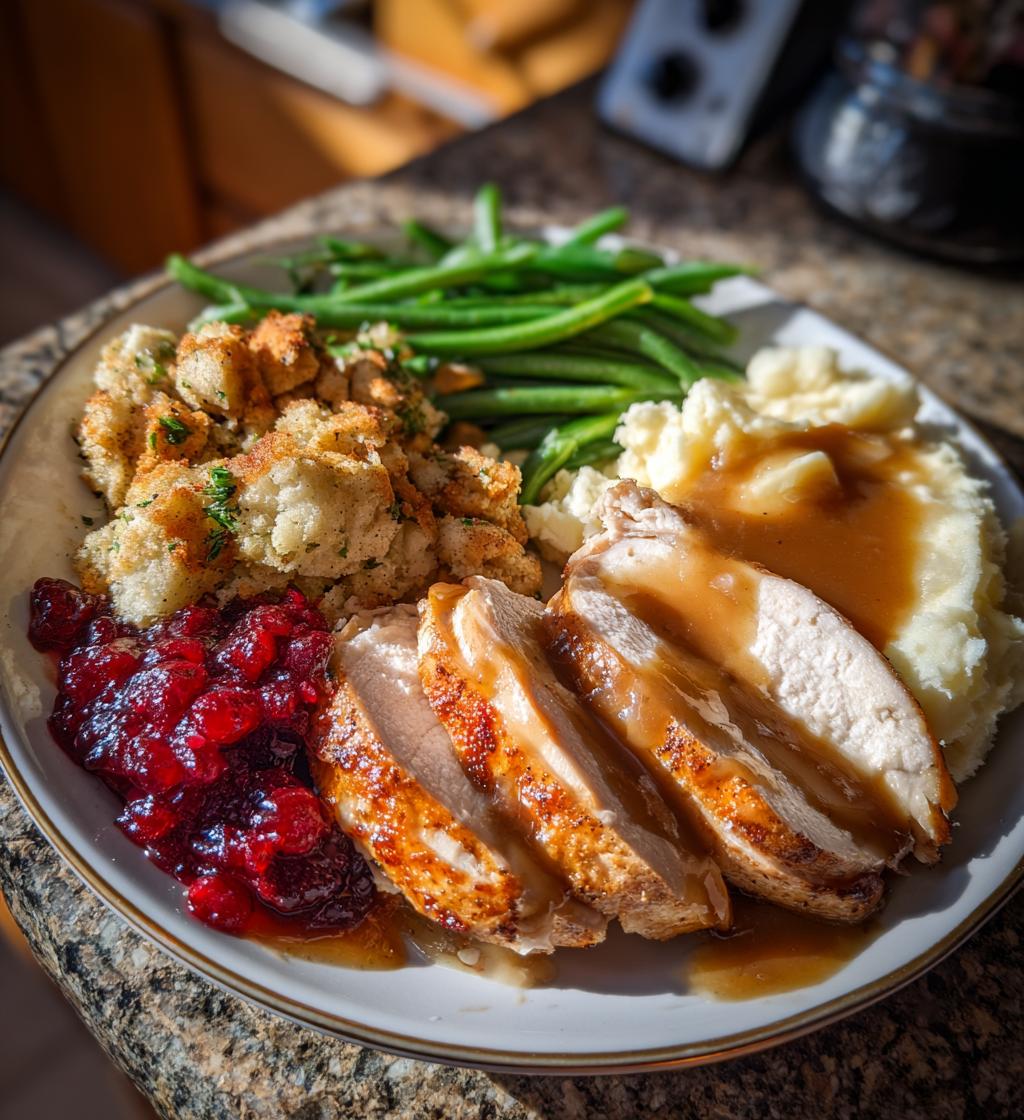
A standard guideline for a Thanksgiving feast is 1.5 pounds of turkey per person (to account for bones and leftovers), 1/2 cup of stuffing, 1/2 cup of mashed potatoes, and about 4 ounces of vegetables. For dessert, plan for 1.5 slices of pie per guest, as many people enjoy sampling multiple flavors.
What should I do if my turkey is done early?
If the turkey reaches 165°F before you are ready to serve, do not leave it in the oven. Remove it, tent it loosely with aluminum foil, and let it rest. A large turkey can hold its heat for up to 60 to 90 minutes if properly tented. Resting is actually beneficial, as it allows the juices to redistribute through the meat, making it easier to carve and more flavorful.
Practical Recommendation for 2026
The single most effective action you can take to improve your Thanksgiving outcome is to perform a "dry run" of your oven space 48 hours before the event. Physically place your empty roasting pan and your side-dish casseroles into the oven to see how they fit. If you find they do not all fit at once, you have two days to adjust your cooking schedule, identify which dishes can be served at room temperature, or borrow a portable roaster oven from a neighbor. This simple spatial check eliminates one of the most common sources of "day-of" panic.