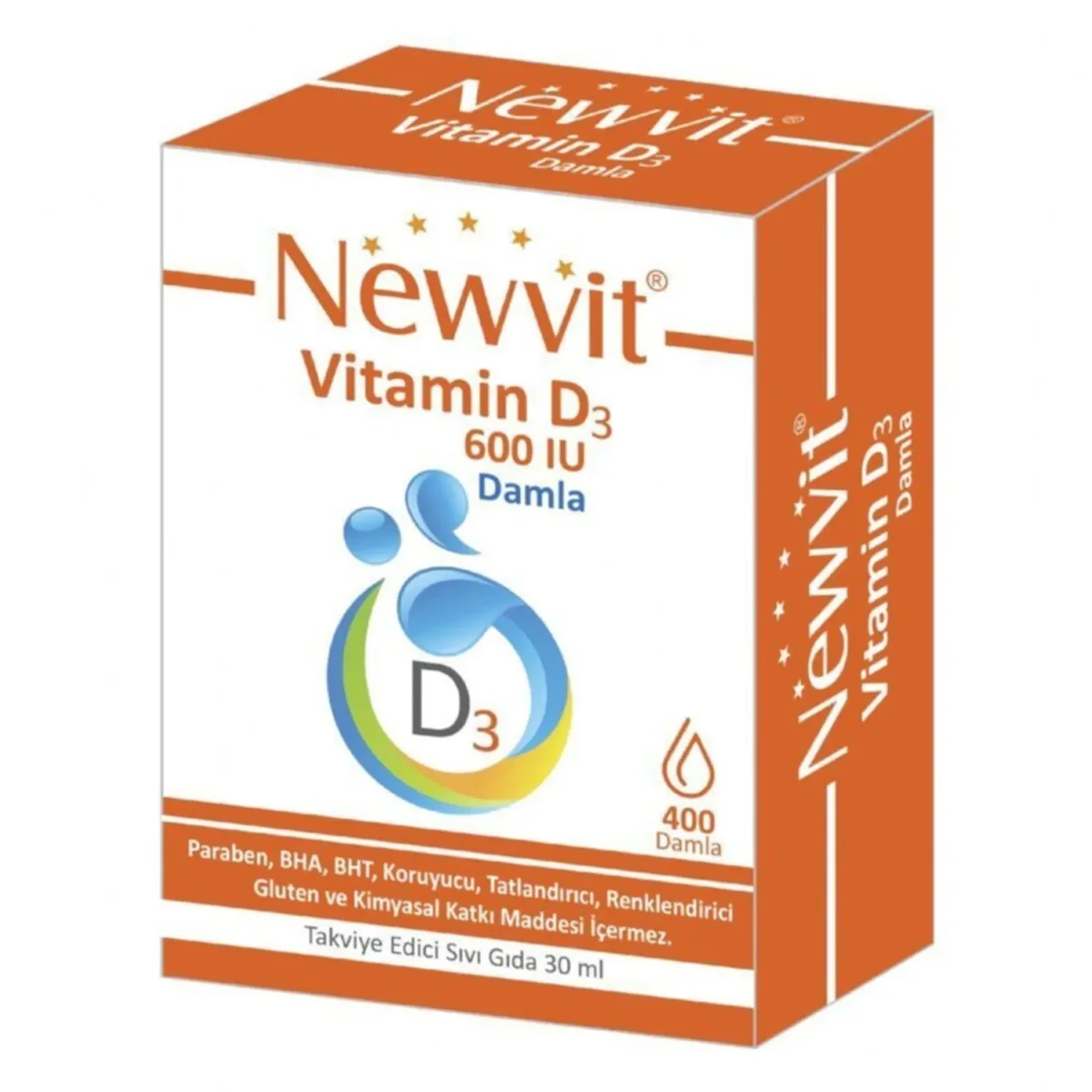
The 600 IU daily recommendation for Vitamin D3 represents the Recommended Dietary Allowance (RDA) established by the National Academy of Medicine (formerly the Institute of Medicine) for adults aged 1 to 70 years. This dosage is designed to maintain bone health and calcium homeostasis in the general population, serving as a baseline for preventing deficiencies in individuals with typical sun exposure and dietary habits.
Defining Vitamin D3 and the 600 IU Threshold
Vitamin D is a fat-soluble secosteroid that functions more like a hormone than a traditional vitamin within the human body. Its primary role involves the regulation of calcium and phosphorus absorption, which is critical for the maintenance of healthy bone structure. Vitamin D3 (cholecalciferol) is the specific form synthesized by the skin upon exposure to ultraviolet B (UVB) radiation and is also the form most commonly found in fortified foods and supplements.
The "600 IU" (International Units) figure is a standardized nutritional reference point. The National Academy of Medicine set this level as the minimum daily intake necessary to meet the nutritional requirements of nearly all healthy individuals in the United States and Canada. It is important to distinguish the RDA from a "therapeutic dose." The 600 IU recommendation is intended for the prevention of deficiency and the maintenance of skeletal integrity in healthy, asymptomatic individuals. It is not necessarily a clinical recommendation for those already suffering from severe deficiency, metabolic bone diseases, or malabsorption syndromes.
Biological Mechanisms of Vitamin D3
To understand why 600 IU is the established benchmark, one must look at how the body processes the nutrient. When D3 is ingested or produced by the skin, it undergoes two hydroxylations to become active. First, it is converted in the liver to 25-hydroxyvitamin D [25(OH)D], which is the circulating form measured by clinicians during blood tests. Finally, it is converted in the kidneys into the active hormone form, 1,25-dihydroxyvitamin D [1,25(OH)2D].
The 600 IU recommendation is calculated based on maintaining serum 25(OH)D levels at or above 20 ng/mL (50 nmol/L). The scientific community generally agrees that this serum level is sufficient to optimize bone health for the vast majority of the population. By providing 600 IU daily, the body is supported in its task of signaling the intestines to increase calcium transport, thereby preventing the body from resorbing calcium from the skeleton to maintain blood levels.
Evaluating Factors That Influence Individual Requirements
While 600 IU serves as the population-wide RDA, individual requirements can fluctuate significantly based on biology, geography, and lifestyle. Relying solely on the baseline recommendation may not be sufficient for everyone, and it is essential to consider the variables that shift the body’s actual need for supplementation.
1. Latitude and Geographic Location
The synthesis of Vitamin D3 via the skin is entirely dependent on the angle of the sun. Individuals living at latitudes further from the equator (generally above 37 degrees north or below 37 degrees south) experience months during the winter where UVB radiation is insufficient to stimulate natural production, regardless of time spent outdoors. During these months, the 600 IU recommendation acts as a crucial safety net.
2. Melanin Content
Skin pigmentation functions as a natural sunscreen. Melanin absorbs UVB radiation, which effectively slows the rate of Vitamin D3 production. Individuals with darker skin tones may require significantly more time in the sun to produce the same amount of Vitamin D as those with lighter complexions, meaning their reliance on dietary intake or supplementation to reach the 600 IU target is often higher.
3. Age and Metabolic Efficiency
As the body ages, the efficiency of cutaneous Vitamin D production decreases. Furthermore, older adults may have reduced dietary intake or diminished intestinal absorption. While the 600 IU RDA applies to adults up to age 70, many practitioners suggest that monitoring serum levels becomes increasingly important as the body's ability to maintain these levels naturally wanes.
4. Body Mass and Adiposity
Vitamin D is fat-soluble, meaning it is sequestered in adipose (fat) tissue. Individuals with a higher body mass index (BMI) may require higher circulating levels of Vitamin D to maintain the same physiological benefits as those with lower body fat percentages, as the vitamin is effectively "trapped" in the fat stores and rendered less bioavailable for immediate systemic use.
Comparison of Vitamin D Intake Guidelines
The following table summarizes the general context of Vitamin D intake, contrasting the RDA with other common reference points found in nutritional science.
| Category | Typical Daily Intake (IU) | Clinical Purpose |
|---|---|---|
| RDA (Adults 1-70) | 600 IU | Maintain bone health in healthy populations |
| RDA (Adults 70+) | 800 IU | Increased bone density support and fall prevention |
| Tolerable Upper Intake | 4,000 IU | Maximum daily amount unlikely to cause harm |
| Therapeutic Supplementation | Varies (e.g., 2,000-5,000+) | Correcting established clinical deficiency |
Practical Implementation and Supplementation
When choosing to supplement to meet the 600 IU recommendation, the source and delivery method can impact efficacy. Vitamin D3 (cholecalciferol) is generally preferred over Vitamin D2 (ergocalciferol) because D3 is typically more effective at raising and maintaining serum 25(OH)D levels over time.
It is highly recommended that supplements be taken with a meal containing fat. Because Vitamin D is a fat-soluble vitamin, the presence of dietary lipids in the digestive tract acts as a "carrier," significantly improving the bioavailability of the supplement. Taking a capsule with a glass of water on an empty stomach may result in suboptimal absorption compared to taking it alongside a meal that includes healthy fats like avocado, nuts, eggs, or olive oil.
Common Pitfalls and Troubleshooting
One of the most frequent mistakes individuals make regarding the 600 IU recommendation is the assumption that more is always better. While Vitamin D is essential, it is also one of the few vitamins that can reach toxic levels if consumed in excessive quantities over long periods. Hypervitaminosis D is rare but occurs when individuals take very high-dose supplements without clinical supervision, leading to hypercalcemia (excessive blood calcium).
Another issue is the "set it and forget it" mentality. If you suspect your levels are low, simply starting a 600 IU daily regimen may not be enough to rectify a chronic deficiency quickly. If you have been living with low Vitamin D for years, your body may require a "loading dose" determined by a physician to bring your blood levels back into a healthy range before moving to a maintenance dose like 600 IU.
When to Consult a Professional
Because Vitamin D interacts with various medications—including certain steroids, weight-loss drugs, and diuretics—it is prudent to consult a healthcare provider before starting a supplementation routine. A simple blood test, typically ordered as a "25-hydroxy vitamin D" test, is the only objective way to determine your current status. Relying on guesswork based on symptoms like fatigue or bone pain is rarely accurate, as these symptoms can overlap with a wide variety of other medical conditions.
If you are currently experiencing symptoms of muscle weakness, bone pain, or frequent illness, your target serum level may differ from the population-wide RDA. Doctors will often aim for a higher serum target in patients with specific health goals or underlying conditions, and they may recommend intake levels that deviate significantly from the 600 IU standard.
Frequently Asked Questions
Is 600 IU of Vitamin D3 enough to prevent all deficiencies? The 600 IU recommendation is a population-level average. While it is enough to prevent bone-related deficiency in healthy, average-weight individuals, it may not be sufficient for those with specific genetic variants, malabsorption issues (such as Celiac disease), or those living in regions with very little sunlight.
Can I get 600 IU of Vitamin D3 from food alone? It is difficult to reach 600 IU from diet alone because very few foods contain significant amounts of Vitamin D. Fatty fish (like salmon and mackerel), cod liver oil, and fortified dairy or plant-based milks are the primary sources. Unless your diet is highly consistent in these specific items, supplementation is often required to hit the 600 IU target reliably.
What happens if I take more than 600 IU daily? The National Academy of Medicine states that adults can safely consume up to 4,000 IU per day without risk of toxicity. However, there is no evidence that exceeding the recommended amount provides additional health benefits for healthy individuals. Always stay within the recommended ranges unless instructed otherwise by a doctor.
Does Vitamin D3 interact with other supplements? Vitamin D generally works in synergy with Vitamin K2 and magnesium. Magnesium is required for the conversion of Vitamin D into its active form, and Vitamin K2 helps ensure that the calcium transported by Vitamin D is deposited into the bones rather than the arteries. If you are starting a Vitamin D regimen, consider reviewing your overall mineral intake.
How long does it take for 600 IU daily to increase my blood levels? If you have a deficiency, it typically takes several weeks to months of consistent supplementation to see a meaningful change in your serum 25(OH)D levels. Vitamin D metabolism is a slow process; consistency is significantly more important than the timing of the dose.
Final Recommendations
To effectively manage your Vitamin D3 intake, follow these steps:
- Verify your status: Schedule a blood test to determine your current 25(OH)D levels. This eliminates guesswork.
- Review your diet: Assess your intake of fatty fish and fortified foods. If these are absent from your daily routine, assume you need external supplementation to meet the 600 IU goal.
- Choose quality supplements: Select a D3 supplement from a reputable manufacturer that provides third-party testing for purity.
- Optimize absorption: Always take your supplement with a meal that includes dietary fat.
- Monitor regularly: If you have concerns about your health or bone density, re-test your blood levels after three to six months of consistent supplementation to ensure your body is responding as expected.
By treating the 600 IU daily recommendation as a baseline rather than a universal limit, you can tailor your approach to Vitamin D to suit your specific lifestyle, geographic reality, and health requirements.