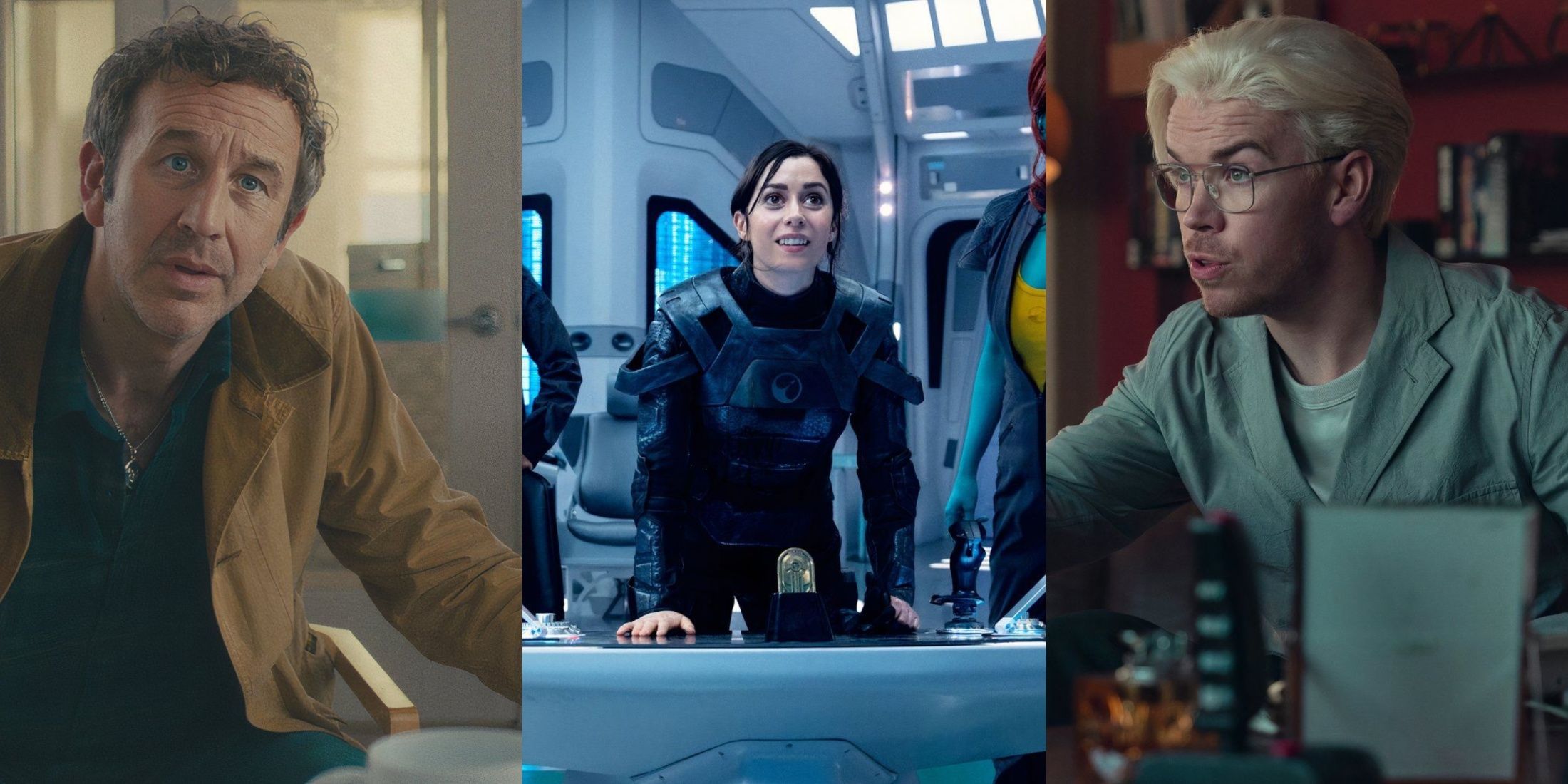
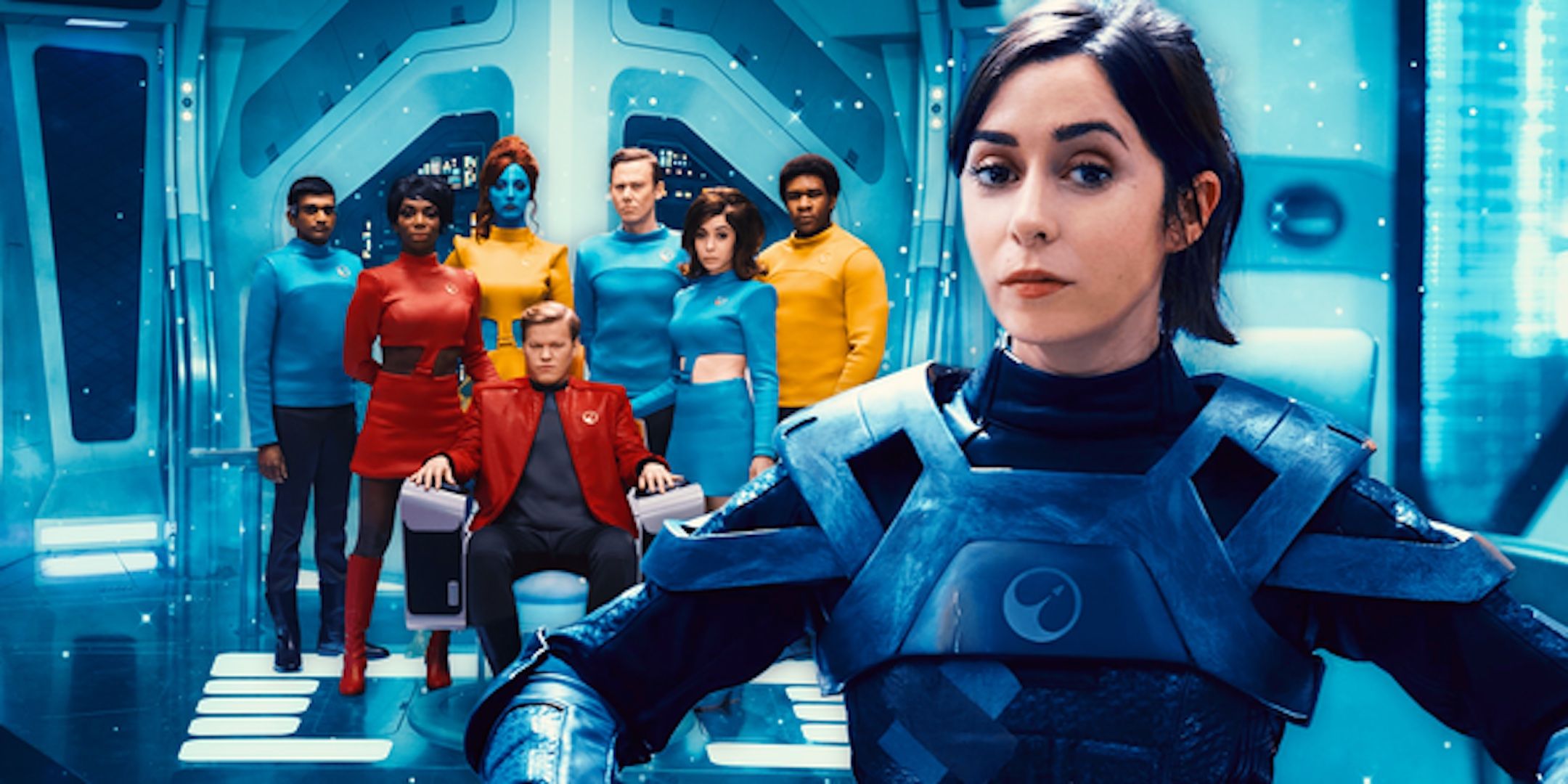
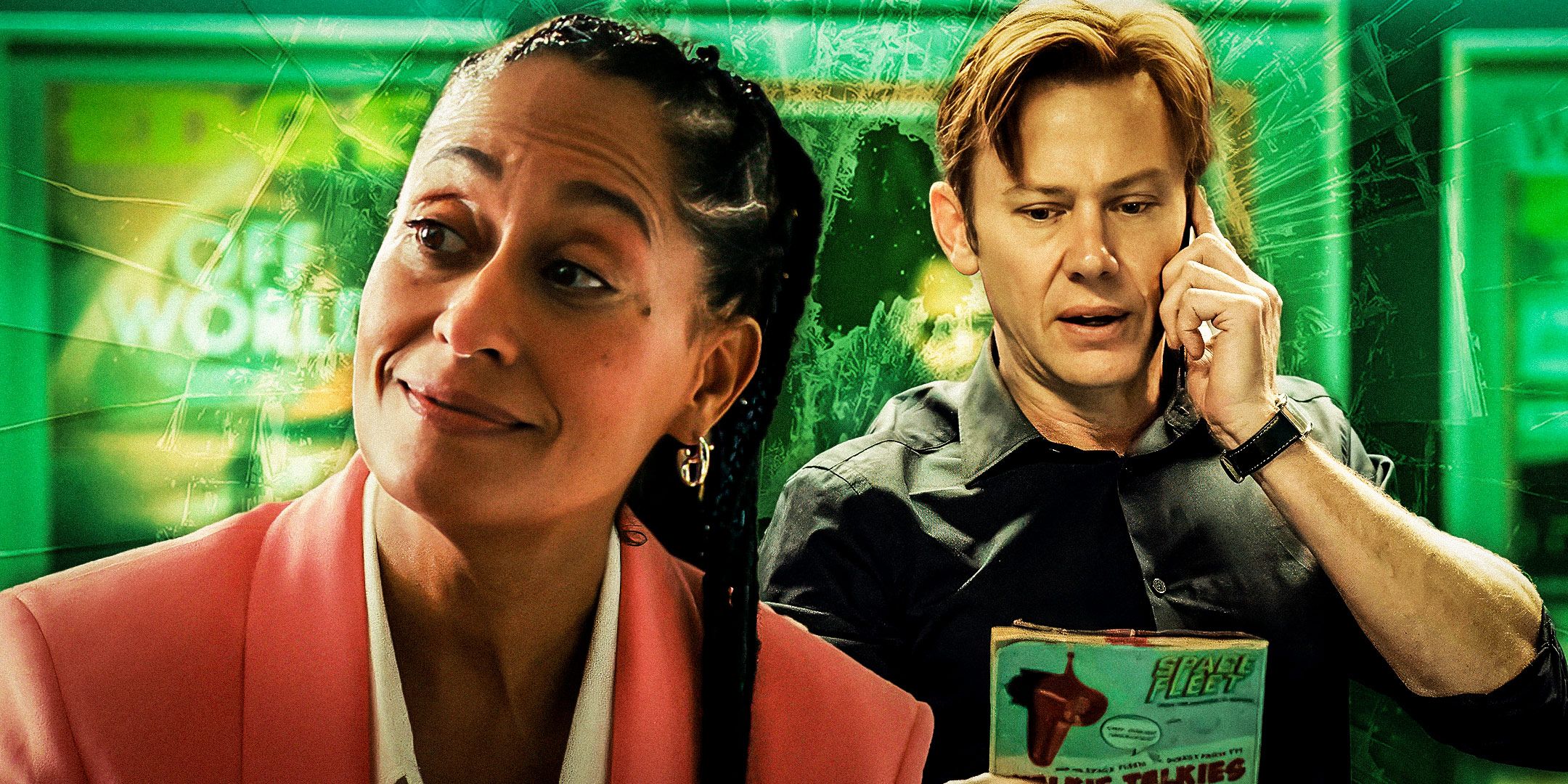
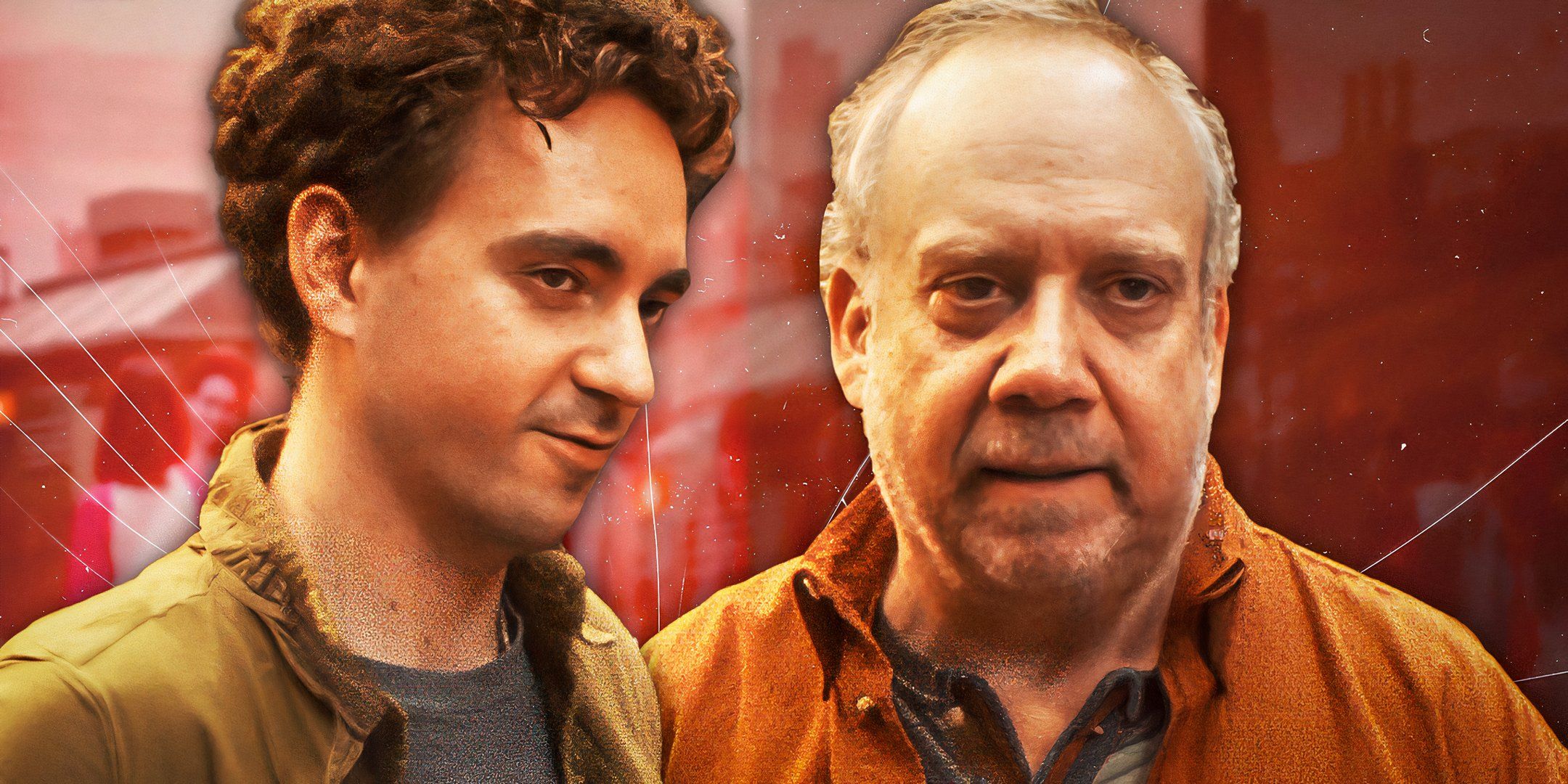
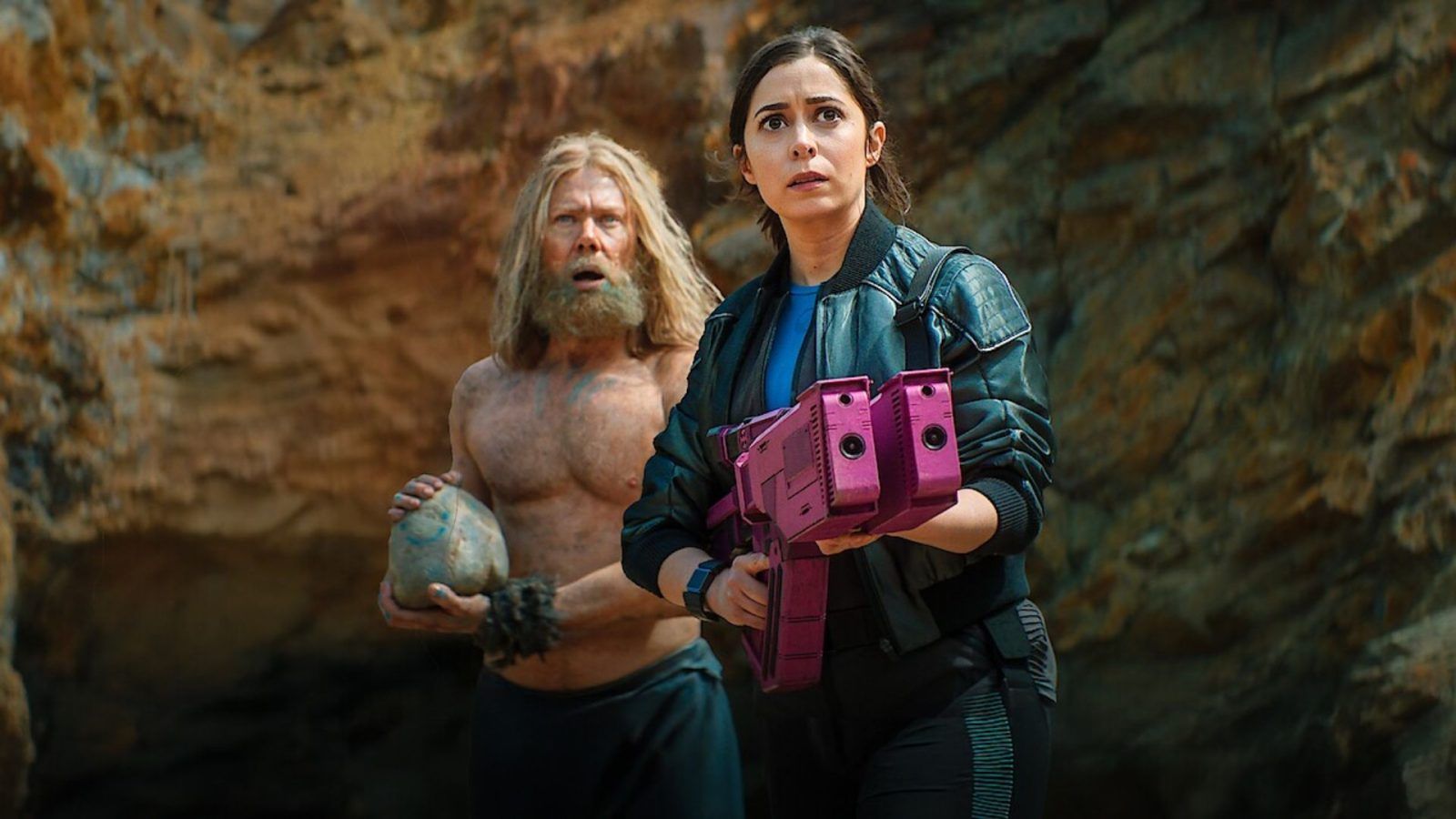
The sixth and final episode of Black Mirror Season 7, titled "USS Callister: Part II," features a core returning ensemble of six actors who reprise their roles from the 2017 Emmy-winning original. The cast is led by Cristin Milioti (Captain Nanette Cole), Billy Magnussen (Valdack), Jimmi Simpson (Walton), Milanka Brooks (Elena), Osy Ikhile (Nate Packwood), and Paul G. Raymond (Kabir).
This landmark episode marks the first direct sequel in the history of Charlie Brooker’s anthology series. Released in 2025 as the grand finale of Season 7, the episode follows the digital clones of the Callister Inc. employees as they navigate the wider, procedurally generated universe after escaping the tyrannical sandbox of Robert Daly. Below is an in-depth analysis of the six primary actors, their characters' evolution, and the production context that defines this cinematic conclusion to the season.
1. Cristin Milioti as Captain Nanette Cole
Cristin Milioti returns to the lead role of Nanette Cole, but the character has undergone a significant transformation since we last saw her in Season 4. In "USS Callister: Part II," Milioti portrays a version of Nanette who has fully embraced her role as a fugitive fleet commander. Having successfully transitioned from a terrified digital clone to a savvy, hardened leader, her performance in Episode 6 explores the psychological weight of leading a crew of sentient data in a boundless, often hostile, digital vacuum.
Milioti’s career between the original episode and this 2026 retrospective has been prolific. Known for her ability to balance dark comedy with high-stakes drama, her roles in The Penguin (2024) and Palm Springs (2020) prepared her for the tonal complexity required for the Season 7 finale. In this episode, her acting focuses on the "God complex" that begins to mirror the very man she escaped, providing a meta-commentary on power dynamics within digital spaces.
2. Billy Magnussen as Valdack
Billy Magnussen reprises his role as Valdack, the digital counterpart of the real-world Callister CFO. While the original episode cast Valdack as a sniveling, tortured villain within Daly’s simulation, the sequel allows Magnussen to flex his comedic and dramatic muscles as a reformed character trying to find a purpose in a world where he is no longer the "Big Bad."
Magnussen, a versatile actor who appeared in Road House (2024) and No Time to Die, brings a unique physical energy to the screen. In Episode 6, his performance emphasizes the absurdity of a digital avatar experiencing an existential crisis. The narrative places Valdack in a position where he must earn the trust of the crew he once antagonized, allowing Magnussen to portray a rare arc of digital redemption.
3. Jimmi Simpson as James Walton
Jimmi Simpson returns as James Walton, the digital consciousness of the Callister CEO. Walton’s character remains one of the most tragic in the Black Mirror mythos, having witnessed the digital "death" of his son in the original episode. Simpson’s performance in the Season 7 finale is markedly more somber, focusing on the trauma of eternal digital existence.
Simpson is well-regarded for his work in Westworld and It's Always Sunny in Philadelphia. In "USS Callister: Part II," he provides the emotional anchor for the crew. His acting highlights the exhaustion of a sentient program that has seen too much, often serving as the ethical compass for Milioti’s increasingly aggressive Nanette. The technical depth of Simpson's performance lies in his portrayal of a character who knows he is made of code but feels the full weight of human grief.
4. Milanka Brooks as Elena
Milanka Brooks returns as Elena, the office receptionist whose digital clone was once trapped in a blue-skinned alien form. In the sequel, Elena’s character is given significantly more agency. She serves as the ship's primary technician and tactical officer, reflecting the crew’s need to adapt their office skills to the mechanics of their new reality.
Brooks’ performance is vital for the ensemble's chemistry. She provides a grounded, "everyman" perspective to the high-concept sci-fi setting. In the Season 7 finale, Elena’s arc involves her grappling with the memories of her real-world counterpart, a theme that Black Mirror explores with its signature bleakness. Brooks successfully portrays the dissonance between who Elena was in the physical world and who she has become in the cloud.
5. Osy Ikhile as Nate Packwood
Osy Ikhile reprises his role as Nate Packwood. In the first installment, Nate was the voice of reason and survival; in the sequel, he has evolved into the ship’s primary strategist. Ikhile’s performance is characterized by a calm, commanding presence that balances the more volatile personalities of the crew.
Ikhile has a strong background in science fiction and action, having appeared in The Feed and Childhood's End. His work in Episode 6 is focused on the logistics of digital survival. He portrays Nate as a man who has accepted his digital nature and is determined to build a sustainable society within the game’s infrastructure. Ikhile’s performance is essential for the world-building aspects of the episode, as he explains the "rules" of the new universe to the audience through his character's technical mastery.
6. Paul G. Raymond as Kabir
Paul G. Raymond returns as Kabir, providing much-needed levity to the often-tense atmosphere of the ship. In the original, Kabir was the submissive, perpetually panicked crew member. In Season 7, Episode 6, Raymond portrays Kabir with a newfound sense of wonder and occasional incompetence that highlights the "glitchy" nature of their existence.
Raymond’s comedic timing is a highlight of the finale. His performance explores the concept of "digital fatigue"—the idea that a program might start to degrade or loop after years of uptime. As Kabir struggles to maintain his sanity in an infinite loop of space travel, Raymond delivers a performance that is both hilarious and deeply unsettling, fitting perfectly into the Black Mirror aesthetic.
Cast Comparison and Character Evolution
The following table outlines the shifts in character status and role focus between the original 2017 episode and the 2025 Season 7 finale.
| Actor | Character | Original Status (S4) | Sequel Status (S7 E6) | Primary Theme |
|---|---|---|---|---|
| Cristin Milioti | Nanette Cole | Reluctant Rebel | Fleet Commander | The Corruption of Power |
| Billy Magnussen | Valdack | Scripted Villain | Reformed Outcast | Redemption & Identity |
| Jimmi Simpson | Walton | Traumatized Victim | Emotional Anchor | Grief & Immortality |
| Milanka Brooks | Elena | Background Alien | Tactical Officer | Memory & Self |
| Osy Ikhile | Nate | Survivalist | Chief Strategist | Digital Sovereignty |
| Paul G. Raymond | Kabir | Panicked Tech | Comic Relief / Glitch | Existential Fatigue |
Narrative Significance of the Season 7 Finale
The decision to focus Episode 6 on these six actors was a response to years of fan demand. Black Mirror has traditionally avoided sequels to maintain its "dark mirror" reflection of standalone societal issues. However, by 2025, the landscape of streaming television and the themes of digital consciousness had evolved to a point where a follow-up was necessary.
The sequel focuses on the "Cloud Society"—the notion that if thousands of digital clones were released into a shared server, they would eventually form their own politics, hierarchies, and conflicts. The chemistry between these six actors is the engine of the episode. Because they had already worked together nearly a decade prior (real-world time), there is a palpable sense of history and "shared trauma" in their performances that mirrors the decades their characters have supposedly spent in the digital void.
Technical Depth: The Acting Challenges of a Digital Setting
From a technical acting perspective, "USS Callister: Part II" presented unique challenges. The actors had to maintain a dual-layer performance: playing characters who are aware they are in a video game while reacting to threats as if they were real. This "meta-acting" is particularly evident in the scenes where the crew encounters non-sentient NPCs (Non-Player Characters).
The actors had to develop specific physicalities to represent the digital nature of their world. For instance, Paul G. Raymond worked with movement coaches to simulate minor "frame-rate drops" in his character's movements during high-stress scenes, a subtle nod to the technical limitations of the server they inhabit. Similarly, Cristin Milioti’s performance is shot with specific lighting to highlight the "unnatural" perfection of her character's digital skin, forcing her to rely more on micro-expressions than broad physical movements.
Production and Direction
Directed by Toby Haynes (who also directed the original), Episode 6 benefited from a cohesive vision. Haynes pushed the actors to explore the darker side of freedom. The central question of the episode is: What do you do once you’ve won? For these six actors, the answer was to portray a group of people who are slowly realizing that their "heaven" is just a different kind of prison.
The production utilized advanced Volume technology (similar to The Mandalorian) to create the vast, psychedelic landscapes of the procedural universe. This allowed the actors to see the digital environments in real-time, leading to more authentic reactions than the green-screen methods used in 2017. The result is a visually stunning finale that serves as a showcase for the ensemble's range.
Frequently Asked Questions
Is Jesse Plemons in Black Mirror Season 7 Episode 6?
Jesse Plemons does not return as a lead actor in the sequel, as his character, Robert Daly, was left in a catatonic state in the real world and his digital avatar was deleted when the server crashed. However, his presence is felt throughout the episode as a "ghost in the machine," with archival footage and voice-overs used to signify the crew's lingering trauma.
Why is there a sequel to USS Callister?
Charlie Brooker and executive producer Annabel Jones stated that the world of "USS Callister" was too rich to leave as a one-off. With the rise of the Metaverse and advancements in AI consciousness in the mid-2020s, the themes of the original became more relevant than ever, making it the perfect subject for the show’s first-ever direct sequel.
Does Episode 6 conclude the Black Mirror series?
While Episode 6 is the finale of Season 7, Netflix and Charlie Brooker have not officially confirmed if it is the end of the entire series. However, the episode is written as a definitive "curtain call" for one of the show's most beloved storylines, providing closure for the characters introduced nearly a decade ago.
How does the 2025 version differ from the 2017 version?
The 2025 sequel is significantly longer, running nearly 90 minutes, and shifts from a parody of Star Trek to a broader exploration of open-world gaming and digital autonomy. The tone is darker, focusing less on the "fun" of the space adventure and more on the psychological consequences of digital immortality.
Where was Black Mirror Season 7 Episode 6 filmed?
While the majority of the episode was filmed on soundstages in the UK using LED volume technology, some location scouting for the "planet-side" scenes took place in the Canary Islands, providing the otherworldly, high-contrast landscapes seen during the crew's excursions.
Conclusion and Final Recommendations
If you have just finished watching the Season 7 finale, the best next step is to revisit the original "USS Callister" (Season 4, Episode 1) to fully appreciate the nuanced callbacks and character growth displayed by the six lead actors. The evolution of Cristin Milioti’s Nanette from a frantic captive to a complex leader is one of the most rewarding character arcs in modern television.
Furthermore, viewers interested in the technical aspects of the production should look for "The Making of Callister II" on Netflix’s behind-the-scenes portal, which details how the actors navigated the challenges of the Volume set. This episode stands as a testament to the enduring power of Black Mirror to use speculative fiction as a lens for examining the human—and post-human—condition.