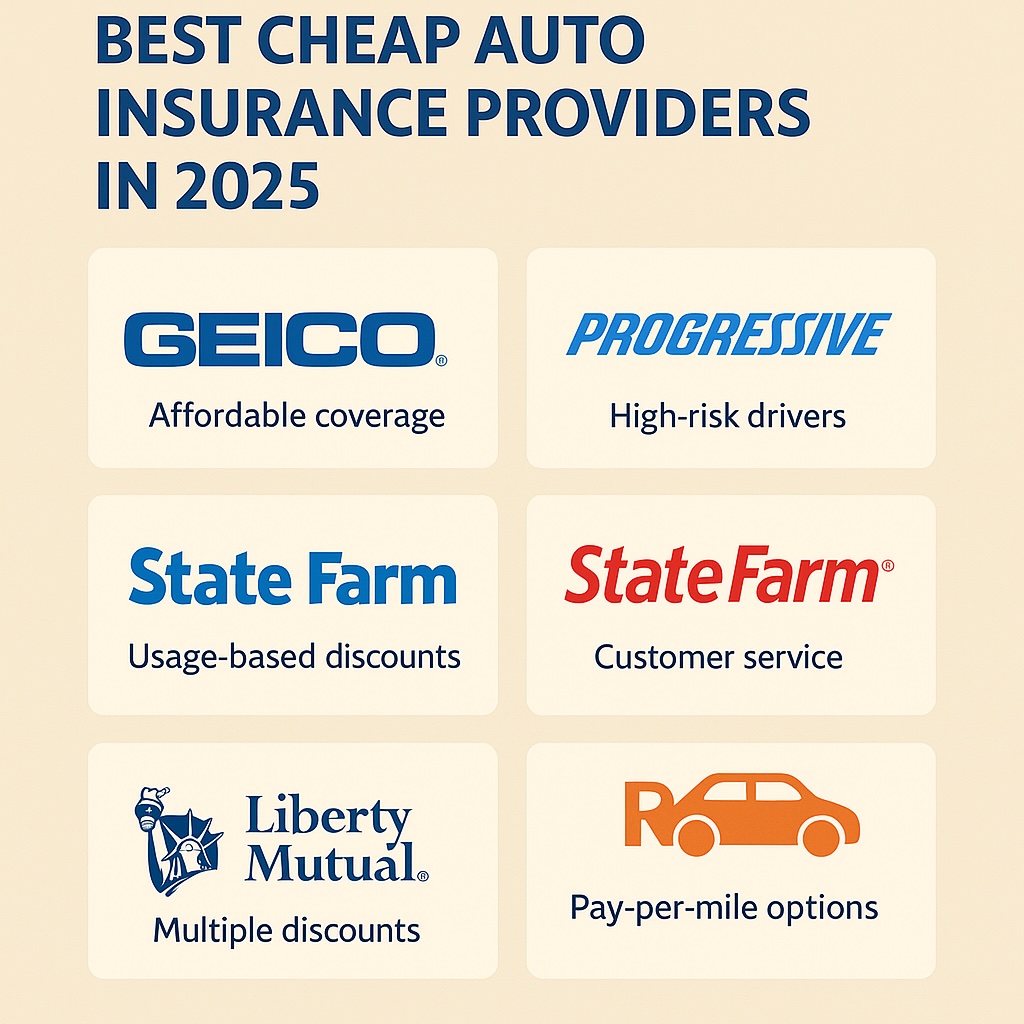
Securing comprehensive coverage for your vehicles and property without overpaying requires a strategic approach that combines policy bundling, deductible optimization, credit management, rigorous market comparison, and the strategic utilization of available discounts. By systematically evaluating these five areas, policyholders can successfully balance adequate protection and long-term financial efficiency.
Finding the most cost-effective yet reliable auto and home insurance coverage involves comparing quotes from multiple carriers, bundling policies with the same provider, raising your deductibles to lower monthly premiums, maintaining a strong credit score, and proactively asking insurers for specialized discounts such as safe driver or loyalty incentives.
1. Bundle Your Auto and Home Insurance Policies
One of the most effective ways to lower your overall insurance expenditures is through policy bundling, commonly referred to as a multi-policy discount. Insurance carriers prefer to manage all of a client's risk under a single corporate umbrella. When you purchase both your homeowners and auto insurance from the same company, insurers typically reward this consolidated business by reducing the premiums on both policies.
The Mechanics of Multi-Policy Discounts
Insurance companies calculate risk based on vast statistical models. By holding multiple policies with a single provider, you represent a more valuable, long-term customer relationship. In return, carriers apply percentage-based discounts that frequently range from 15% to 25% off the total premium cost.
Pros and Cons of Bundling
While bundling simplifies billing and centralizes customer service interactions, it requires careful evaluation.
- Pros: Lower combined cost, single deductible options in certain catastrophic scenarios (depending on the carrier and state regulations), simplified renewal dates, and consolidated customer portals.
- Cons: If a single carrier offers a poor standalone rate for auto insurance, even a 20% bundle discount might not make the overall package cheaper than buying policies separately from two different specialized providers. Always compare the bundled total against the cost of separate best-in-class policies.
2. Compare Quotes Across Multiple Competitors Annually
Loyalty rarely pays off in the insurance market. Many policyholders experience "rate creeping," where premiums steadily increase year-over-year despite a clean driving record and zero property claims. To combat this, shopping around and comparing quotes from at least three different insurance carriers every year ensures your rates remain competitive.
How to Shop Effectively
When comparing insurance quotes, you must ensure that you are comparing identical coverage limits, deductibles, and policy endorsements. A cheaper quote is only valuable if it provides the exact same financial protection.
- Independent Agents vs. Captive Agents: Captive agents (e.g., State Farm, Allstate) sell policies from only one company. Independent insurance agents work with dozens of carriers, allowing them to pull multiple quotes simultaneously and match you with the most competitive underwriter.
- Online Comparison Tools: Digital marketplaces allow consumers to input their risk profiles once and view estimated rates across multiple national and regional insurers. However, always verify quotes directly with the carrier before finalizing a purchase.
3. Optimize Your Deductibles to Balance Monthly Cash Flow
Your deductible is the out-of-pocket amount you agree to pay toward a claim before your insurance coverage kicks in. Adjusting your deductibles is a direct lever you can pull to alter your monthly or semi-annual premium costs.
The Math Behind Deductibles
Choosing a higher deductible—such as raising your comprehensive and collision auto deductible from $500 to $1,000, or your homeowners deductible from $1,000 to $2,500—significantly reduces your insurance premiums. Insurers charge less because policyholders assume a larger share of the initial financial risk for minor incidents.
| Deductible Level | Estimated Premium Impact | Financial Risk to Policyholder | Best Suited For |
|---|---|---|---|
| Low ($250 - $500) | Higher monthly payments | Minimal out-of-pocket burden | Drivers/homeowners with low emergency savings |
| Moderate ($1,000) | Standard market baseline | Moderate out-of-pocket burden | Most average households with stable savings |
| High ($2,500+) | Maximum premium savings | Substantial initial cash requirement | Individuals with robust emergency funds who rarely file minor claims |
Note: Selecting a high deductible only makes financial sense if you maintain a dedicated emergency fund capable of covering that exact amount immediately following an unexpected event.
4. Maintain and Protect Your Credit Score
In the vast majority of jurisdictions, insurance companies utilize credit-based insurance scores to help determine auto and home insurance premiums. Statistical data compiled by regulatory bodies and actuarial associations consistently demonstrates a strong correlation between an individual's credit habits and the likelihood of filing an insurance claim.
Understanding Insurance Credit Scoring
Unlike a traditional credit score used by mortgage lenders to assess loan repayment risk, an insurance-based credit score analyzes specific credit attributes weighted specifically for risk propensity.
- Timely Payments: Consistently paying credit cards, loans, and utility bills on time proves financial stability and reduces your calculated risk tier.
- Credit Utilization: Keeping your revolving credit balances well below your total credit limits signals responsible financial management.
- Avoiding Hard Inquiries: Limiting unnecessary applications for new credit cards or loans prevents temporary dips in your score that insurers might view negatively.
Improving your credit score over time can result in substantial, automatic premium reductions at your next policy renewal without requiring any changes to your actual coverage limits.
5. Leverage Overlooked Discounts and Credits
Insurance carriers offer a wide array of specialized discounts that many policyholders fail to claim simply because they never ask. Reviewing your policy details annually with an insurance representative ensures you are capturing every available credit.
Common Auto Insurance Discounts
- Safe Driver Programs: Telematics devices or mobile apps that monitor driving habits (speed, braking, acceleration, and phone usage) can yield immediate discounts for safe drivers.
- Low Mileage: If you work from home or use public transportation, reporting low annual mileage reduces your exposure risk.
- Safety Features: Anti-theft systems, factory-installed airbags, anti-lock brakes, and advanced driver-assistance systems (ADAS) qualify vehicles for specific rating credits.
Common Homeowners Insurance Discounts
- Home Security Systems: Monitored burglar alarms, fire sprinkler systems, and smart water shut-off valves lower the risk of catastrophic property loss.
- Roof Upgrades: Reinforcing your roof with impact-resistant shingles or durable metal materials can drastically reduce windstorm and hail insurance premiums.
- New Construction/Renovation: Newer homes feature modern electrical, plumbing, and HVAC systems that reduce the likelihood of sudden structural failures or fire hazards.
Frequently Asked Questions
Can I bundle auto and home insurance if my properties are in different states?
Generally, no. Most standard insurance carriers require both the home and the auto to be garaged and insured within the same state to qualify for a multi-policy bundle, as insurance regulations, rating bureaus, and policy forms vary significantly by state jurisdiction.
How often should I shop around for new insurance policies?
You should review your insurance rates and compare quotes at least once a year, or whenever you experience a major life event, such as getting married, buying a new vehicle, moving to a new ZIP code, or experiencing a significant change in your credit score.
Does filing a comprehensive auto claim raise my rates?
It depends on the insurance carrier and state laws. Comprehensive claims (such as windshield damage from a flying rock, animal strikes, or storm damage) are generally classified as "not-at-fault" claims. While some states prohibit insurers from raising rates for non-fault incidents, other carriers may adjust rates if you file multiple claims within a short timeframe.
What is a telematics program and is it worth joining?
A telematics program uses a plug-in device or a smartphone application to track your actual driving behaviors in real-time. If you are a low-mileage driver who accelerates smoothly, avoids speeding, and rarely drives late at night, these programs can lower your auto insurance premium by up to 30% or more. However, aggressive drivers may see their rates increase.
Final Next Actions
Begin your cost-reduction process today by pulling your current declarations pages for both your auto and home insurance policies. Verify your existing coverage limits, deductibles, and current premiums. Next, contact your current provider to request an audit of your account for any unapplied discounts. Finally, reach out to an independent insurance broker or utilize online comparison platforms to collect quotes from at least three competing carriers to benchmark your current expenses against the open market.