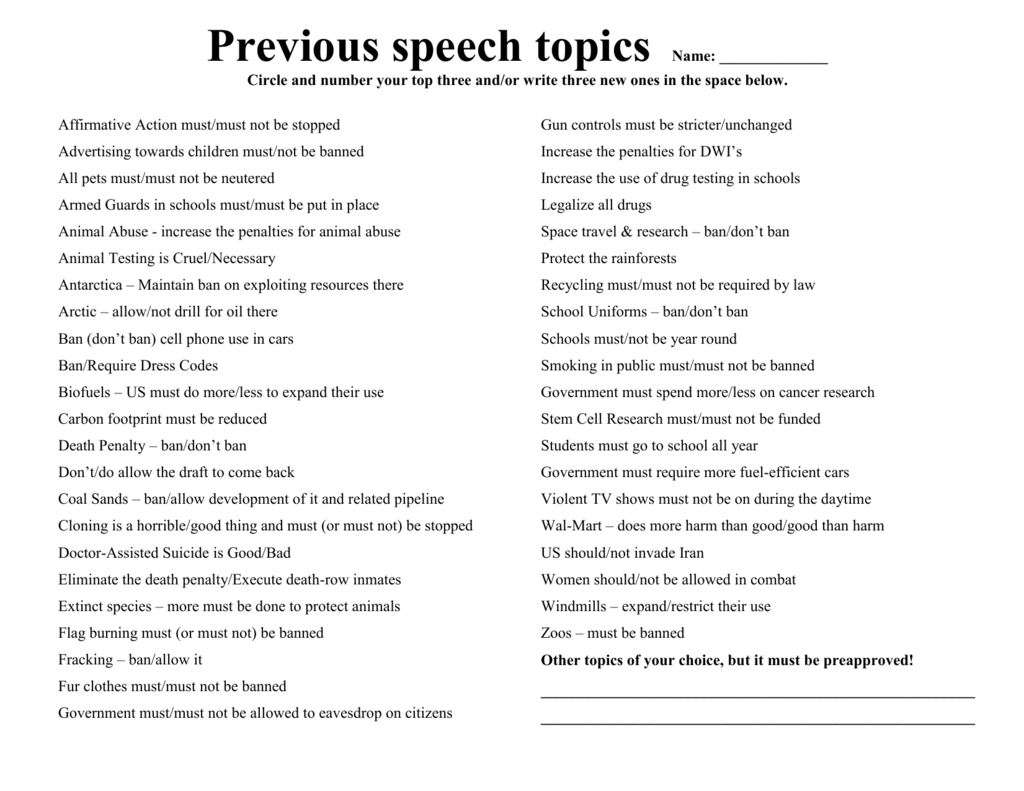
To deliver a successful 5-minute speech, you must select a topic that is narrow enough to be covered in depth but broad enough to resonate with your audience. The best topics focus on a single, clear message—whether that is a persuasive argument, an informative explanation, or a personal narrative—supported by three concise key points.
Why Topic Selection is the Foundation of Public Speaking
Choosing the right topic for a five-minute window requires a strategic understanding of scope and audience. Unlike a 20-minute keynote or an hour-long lecture, a five-minute speech—often referred to as a "briefing" or "lightning talk"—leaves no room for fluff or extensive background history. If your topic is too broad, such as "The History of Education," you will barely scratch the surface before your time expires, leaving the audience feeling unsatisfied. Conversely, if the topic is too narrow, you may struggle to fill the time or fail to explain why the subject matters.
In 2026, the demand for concise communication has never been higher. With attention spans continuing to shift toward short-form content, the ability to deliver a punchy, impactful five-minute presentation is a vital professional and academic skill. The goal is to move the needle: change one opinion, teach one skill, or share one memorable story.
Persuasive 5-Minute Speech Topic Ideas
Persuasive speeches aim to convince the audience to adopt a specific viewpoint or take a concrete action. Because you only have five minutes, your argument must be streamlined. Focus on a "Problem-Solution-Benefit" structure.
Technology and Digital Ethics
- The Case for "Digital Minimalism" in 2026: Explain why reducing app dependencies improves cognitive function and mental health.
- Why Every Student Should Learn Prompt Engineering: Argue that interacting with AI is a foundational literacy skill, similar to reading or writing.
- The Ethics of Deepfakes in Media: Persuade the audience that stricter legislative frameworks are required to protect individual identity.
- Why We Should Support Decentralized Social Media: Discuss the benefits of user-owned data versus corporate-controlled platforms.
Environment and Sustainability
- The Economic Benefits of Urban Gardening: Beyond just "being green," argue how local food production stabilizes community economies.
- Why Nuclear Energy is Essential for Net-Zero Goals: Present a data-driven argument for the necessity of nuclear power in the current energy mix.
- The Hidden Cost of "Fast Fashion" Returns: Persuade the audience to change their shopping habits by exposing the environmental impact of logistics.
- Why Single-Use Plastics Should Be Taxed, Not Just Banned: Propose an economic solution to plastic pollution.
Health and Lifestyle
- The Four-Day Work Week as a Health Necessity: Use recent 2025 and 2026 corporate data to show how shortened weeks reduce burnout.
- Why Mental Health Days Should Be Excused Absences: Argue for parity between physical and mental health in schools and workplaces.
- The Case Against Competitive Youth Sports: Explain how extreme pressure at a young age can lead to lifelong physical and psychological issues.
- Why We Should Prioritize Sleep Over Productivity: Challenge the "hustle culture" by presenting the physiological needs of the brain.
Informative 5-Minute Speech Topic Ideas
Informative speeches are designed to educate the audience on a specific subject. The key here is clarity and the "Aha!" moment—the point where the audience understands a complex concept for the first time.
Science and Emerging Technology
- How Quantum Computing Actually Works (Simplified): Explain the concept of qubits and superposition without getting lost in the math.
- The Role of CRISPR in Modern Medicine: Detail how gene editing is currently being used to treat specific hereditary diseases.
- What Happens Inside a Black Hole? A brief overview of current astrophysical theories regarding the event horizon and singularity.
- The Future of Solid-State Batteries: Why this technology will revolutionize electric vehicles and consumer electronics by 2030.
History and Culture
- The Significance of the Silk Road: How ancient trade routes shaped the modern globalization we see today.
- The Evolution of Language in the Digital Era: Discuss how emojis and internet slang are legitimate linguistic developments.
- The History of the Olympic Games: Focus on the transition from ancient Greek rituals to the modern international spectacle.
- Forgotten Female Scientists: Highlight the contributions of a specific figure, such as Rosalind Franklin or Katherine Johnson.
Professional Development
- How to Network Effectively Without Being "Salesy": Provide actionable steps for building genuine professional relationships.
- The Importance of Emotional Intelligence (EQ) in Leadership: Define EQ and explain why it often outweighs IQ in management roles.
- The Basics of Personal Branding: How individuals can curate their online presence to reflect their professional values.
- Mastering the Art of Active Listening: Explain the difference between hearing and listening, and how it improves workplace collaboration.
Demonstrative "How-To" Speech Ideas
Demonstrative speeches are a subset of informative speeches that walk the audience through a process. These are excellent for five-minute slots because they are naturally structured in chronological steps.
- How to Perform Basic First Aid for a Choking Victim: A vital, high-impact life skill that can be taught in exactly five minutes.
- How to Read a Nutritional Label in 30 Seconds: Teach the audience which metrics (like added sugars or fiber ratios) matter most.
- How to Use the Pomodoro Technique for Productivity: Explain the 25/5 split and why it prevents cognitive fatigue.
- How to Properly Secure Your Home Network: Walk through the steps of changing DNS settings and implementing two-factor authentication.
- How to Master the "Elevator Pitch": A meta-topic—teaching the audience how to summarize their own ideas in 60 seconds or less.
- How to Meditate for Beginners: A live demonstration of a simple breathing exercise that the audience can participate in.
Personal and Narrative Speech Ideas
Narrative speeches use storytelling to convey a message or moral. These are often the most engaging because they rely on human connection.
- The Most Important Lesson I Learned from Failure: Share a specific setback and how it redirected your career or education.
- How a Single Book Changed My Perspective: Discuss a piece of literature that altered your worldview.
- A Travel Experience That Challenged My Assumptions: Describe a culture shock moment and what it taught you about empathy.
- The Impact of a Mentor: Detail a specific piece of advice that shaped your current trajectory.
- Why I Volunteered for [Organization]: Share the personal motivation behind your community service and what you gained from it.
Structuring Your 5-Minute Speech for Maximum Impact
Timing is the biggest challenge of a short speech. To succeed, you must allocate your seconds wisely. A common mistake is spending three minutes on the introduction, leaving only two minutes for the core content and conclusion.
The 30-60-30-60-30 Rule
This is a standard framework for a high-quality 5-minute presentation:
- 0:00–0:45 (Introduction): Hook the audience with a statistic, quote, or question. State your thesis clearly.
- 0:45–1:45 (Point One): Present your strongest piece of evidence or the first step in your process.
- 1:45–2:45 (Point Two): Provide supporting data or a secondary angle to your argument.
- 2:45–3:45 (Point Three): Address a counter-argument or provide the final necessary detail.
- 3:45–4:30 (Conclusion): Summarize the three points and restate the thesis.
- 4:30–5:00 (Call to Action/Closing): Leave the audience with a final thought or a specific task.
Analyzing Speech Categories and Goals
The following table compares the different styles of 5-minute speeches to help you decide which format fits your specific assignment or professional need.
| Speech Type | Primary Goal | Best Structure | Audience Impact |
|---|---|---|---|
| Persuasive | Change an opinion or inspire action | Problem-Solution-Benefit | High (Emotional/Logical) |
| Informative | Teach a new concept or fact | Topical (Point 1, 2, 3) | Medium (Educational) |
| Demonstrative | Show how to perform a task | Chronological (Step-by-step) | High (Practical/Useful) |
| Narrative | Share a moral or personal insight | Story Arc (Set-up, Conflict, Resolution) | High (Relatable/Memorable) |
| Impromptu | Respond to a prompt on the spot | PREP (Point, Reason, Example, Point) | Variable (Spontaneous) |
Strategies for Refining Your Topic
If you have an idea but are unsure if it works for five minutes, use the "Rule of Three." Can you explain the core of the topic using only three main pillars? If you find yourself needing five or six sub-points to make the topic understandable, it is likely too complex for a five-minute slot.
Additionally, consider the "So What?" factor. For every topic idea, ask yourself: "Why does my audience need to know this in 2026?" If the answer is not immediately clear, you need to sharpen the angle. For example, instead of a general speech on "Climate Change," talk about "How Local Coastal Erosion Will Affect Our City’s Real Estate by 2030." Specificity creates relevance.
Delivering the Speech: Pacing and Visuals
When you only have five minutes, every word counts. Vocal variety and physical presence are as important as the script itself.
The Role of Visual Aids
In a short speech, visual aids should be minimal. If you are using slides, aim for no more than three. Avoid "text-heavy" slides; instead, use high-quality images or single, impactful charts. The audience should spend 95% of their time looking at you, not reading your presentation. If the speech is demonstrative, ensure your props are laid out in order so you don't waste precious seconds fumbling.
Pacing and Breath
Nervous speakers tend to speed up. A 5-minute speech is roughly 650 to 750 words when spoken at a conversational pace. If your draft is 1,000 words, you will be forced to speak too quickly, which diminishes your authority. Practice with a timer and aim to finish at the 4:45 mark to allow for a natural pause before any potential Q&A.
Common Mistakes to Avoid
- The Over-Introduction: Don't spend a minute introducing yourself and your credentials. A single sentence is enough. Let the quality of the content establish your authority.
- The "In Conclusion" Trap: Avoid saying "In conclusion" at the 3-minute mark. It signals to the audience that they can stop paying attention. Instead, use a transition like "Finally, we must look at..."
- Ignoring the Clock: In professional settings (like a Toastmasters meeting or a corporate board briefing), going over time is often seen as a lack of preparation or respect for others' schedules.
- Reading from a Script: While you can have notes, reading verbatim kills engagement. Use bullet points on a cue card to stay on track while maintaining eye contact.
Frequently Asked Questions
What is the ideal word count for a 5-minute speech?
The ideal length for a 5-minute speech is between 650 and 750 words. This allows for a steady, moderate speaking pace of about 130–150 words per minute. If you include pauses for emphasis or audience laughter, aim closer to the 650-word mark to ensure you don't run over your time limit.
How do I narrow down a broad topic?
To narrow a broad topic, apply a "lens" to it—such as a geographical lens, a demographic lens, or a time-based lens. Instead of "The Future of Artificial Intelligence" (broad), try "How AI Will Change High School Grading in 2026" (specific). The more specific you are, the more expert you will sound within the short timeframe.
Should I use a PowerPoint for a 5-minute speech?
Only use a PowerPoint if it is essential for clarity, such as showing a complex map or a specific piece of equipment. If you do use slides, follow the "1-2-5 rule": one idea per slide, no more than two images, and no more than five slides total for the entire five-minute duration.
How can I make my 5-minute speech more memorable?
Use the "Rule of Recency"—people remember the last thing you say most vividly. End with a "mic-drop" statement, a poignant quote, or a very specific call to action that gives the audience something to do immediately after the speech. A strong closing often outweighs a shaky start.
Is it better to memorize my speech or use notes?
For a five-minute speech, "extemporaneous" delivery is best. This means you have practiced enough to know the flow and key points by heart, but you are not reciting a memorized script like a robot. Use a small index card with 3-5 bullet points to keep you on track if you lose your place.
Practical Recommendation for Your Next Speech
If you are struggling to choose from the ideas above, start with a Personal Narrative or a Demonstrative topic. These are inherently easier to structure because they follow a natural timeline (either a story or a sequence of steps). Once you have gained confidence in managing the 5-minute clock, you can move on to more complex Persuasive or Informative topics that require tighter logical arguments and data integration. Regardless of the topic you choose, the key to success is multiple timed rehearsals to ensure your message fits perfectly within the five-minute window.