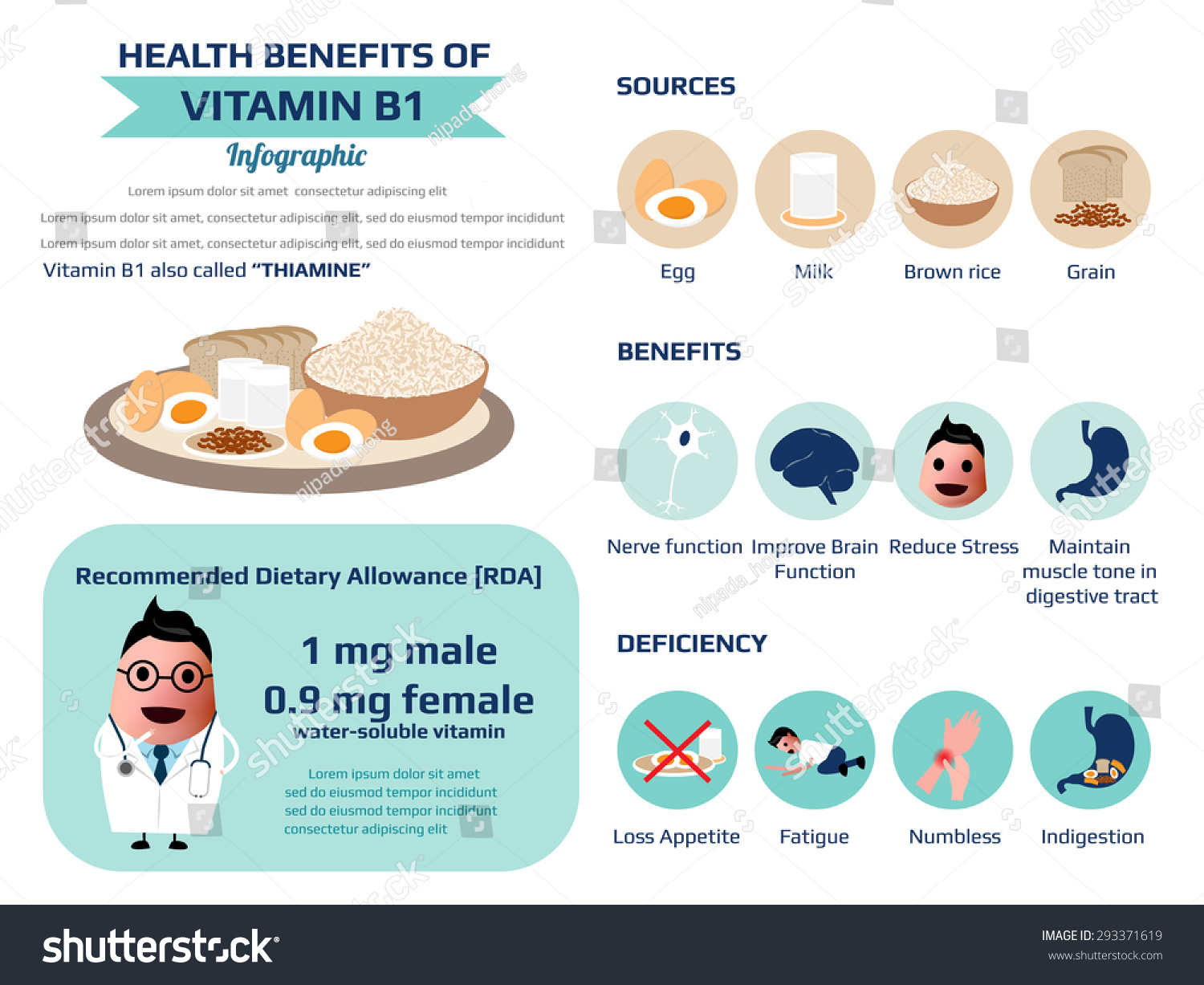
Vitamin B1, commonly known as thiamine, is an essential water-soluble micronutrient that plays a foundational role in human metabolism, cellular energy production, and neurological function. Because the human body cannot synthesize thiamine independently or store large amounts of it, daily dietary intake or targeted supplementation is required to maintain optimal physiological health and prevent deficiency-related conditions.
Understanding Vitamin B1: Fundamentals and Biological Role
Vitamin B1 was the first of the water-soluble vitamins to be discovered, earning it the designation "B1." As a vital cofactor for several key enzymes involved in carbohydrate and amino acid catabolism, thiamine acts as a biochemical catalyst. Without adequate levels of this micronutrient, cellular energy production grinds to a halt, heavily impacting organs with high metabolic demands, such as the brain and the heart.
Understanding how thiamine functions at a cellular level helps explain why deficiencies manifest with such diverse and severe symptoms. The nutrient is primarily absorbed in the small intestine through active transport mechanisms at low concentrations and passive diffusion at higher concentrations. Once inside the bloodstream, it is phosphorylated into its active form, thiamine pyrophosphate (TPP), which drives essential metabolic pathways within mitochondria.
Dietary Sources and Daily Requirements
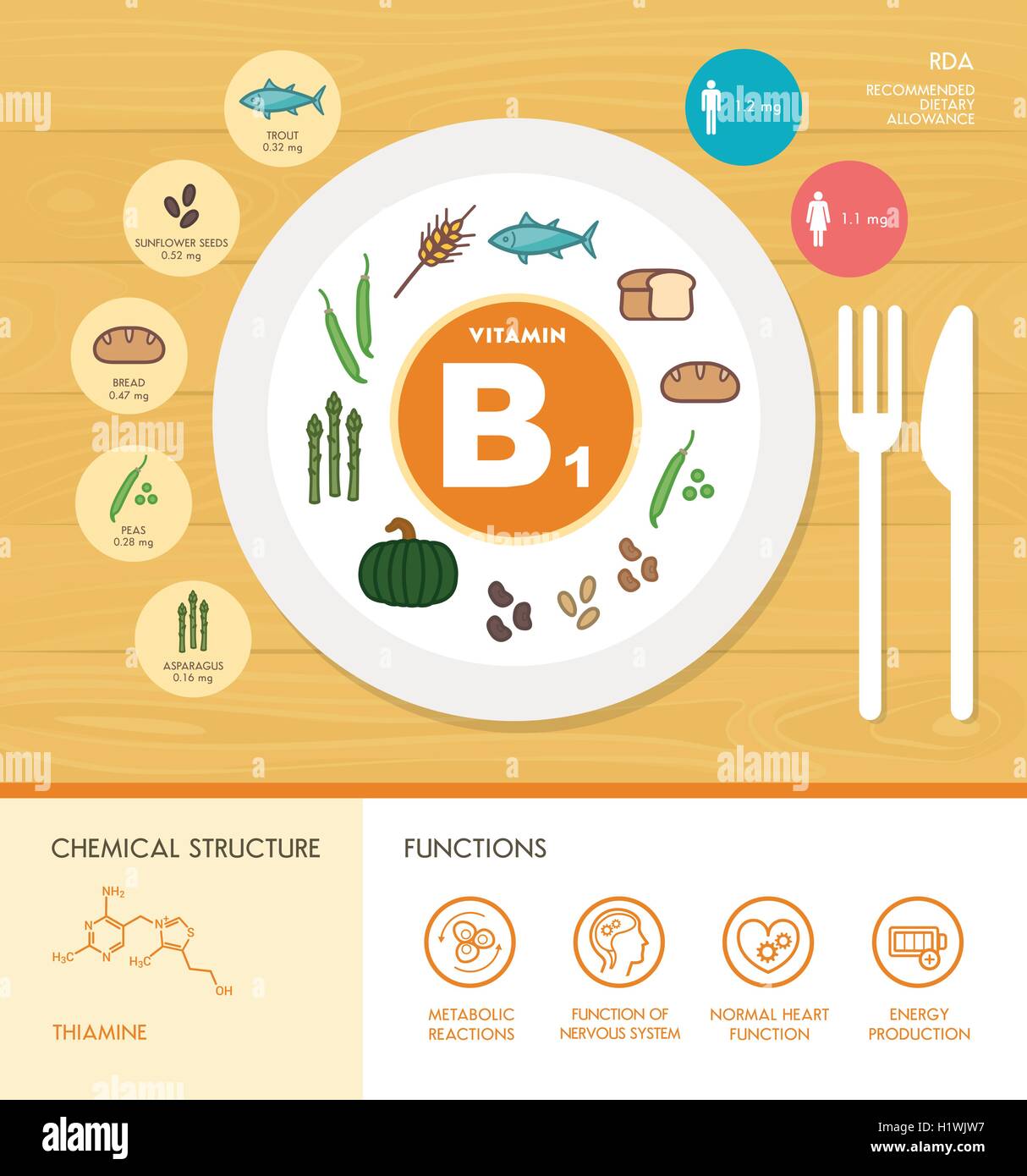
To maintain adequate nutritional status, individuals must consume thiamine-rich foods regularly. Excellent dietary sources include:
- Whole grains and fortified cereals
- Lean pork cuts
- Legumes, including black beans and lentils
- Nuts and seeds, such as sunflower seeds
- Nutritional yeast and green peas
Recommended dietary allowances vary by age, sex, and life stage. Adult men typically require approximately 1.2 milligrams (mg) per day, while adult women require about 1.1 mg per day, with increased requirements during pregnancy and lactation.
1. Energy Production and Carbohydrate Metabolism
The primary and most well-documented function of vitamin B1 is its role in converting dietary carbohydrates into usable cellular energy. As a core component of the coenzyme thiamine pyrophosphate, vitamin B1 is indispensable for several multi-enzyme complexes, most notably pyruvate dehydrogenase and alpha-ketoglutarate dehydrogenase.
The Krebs Cycle and Cellular Respiration
When you consume carbohydrates, your digestive system breaks them down into glucose. Inside the cells, glucose undergoes glycolysis, yielding pyruvate. For pyruvate to enter the Krebs cycle (citric acid cycle)—the main engine of aerobic cellular respiration—it must be converted into acetyl-CoA. This conversion process relies directly on thiamine pyrophosphate.
If vitamin B1 levels are insufficient, this chemical transformation slows down significantly. Consequently, the body cannot efficiently generate adenosine triphosphate (ATP), the primary energy currency of the cell. This metabolic bottleneck leads to generalized fatigue, muscle weakness, and a diminished capacity for physical endurance.
Impact on Physical Performance and Endurance
Athletes and active individuals depend heavily on efficient carbohydrate metabolism during high-intensity exercise. Adequate thiamine status ensures that muscles receive a steady supply of ATP. While thiamine supplementation does not inherently boost athletic performance beyond baseline normal levels in well-nourished individuals, correcting a marginal deficiency can rapidly restore stamina, reduce perceived exertion, and accelerate post-exercise recovery.
2. Neurological Support and Nervous System Function
The human brain consumes roughly twenty percent of the body's resting energy, relying almost exclusively on glucose metabolism. Because vitamin B1 is essential for glucose processing, the central and peripheral nervous systems are acutely sensitive to thiamine availability.
Neurotransmitter Synthesis and Nerve Signaling
Beyond energy metabolism, vitamin B1 contributes directly to the synthesis and regulation of several vital neurotransmitters, including acetylcholine, glutamate, and gamma-aminobutyric acid (GABA). These chemical messengers are responsible for transmitting signals across synapses, regulating mood, and controlling muscle movements.
Thiamine also plays a structural and functional role in maintaining the myelin sheath, the protective lipid-rich coating that insulates nerve fibers and ensures rapid signal propagation. A shortage of vitamin B1 can impair nerve conduction, leading to characteristic neurological symptoms such as:
- Paresthesia (tingling or burning sensations in the hands and feet)
- Peripheral neuropathy
- Cognitive difficulties, including short-term memory impairment and brain fog
- Reduced reflexes and coordination
Severe Neurological Manifestations: Beriberi and Wernicke-Korsakoff Syndrome
Chronic, severe thiamine deficiency can result in debilitating medical conditions. Wet beriberi primarily affects the cardiovascular system, while dry beriberi and Wernicke-Korsakoff syndrome severely impact the nervous system. Wernicke-Korsakoff syndrome, frequently associated with chronic alcohol dependence and malnutrition, causes acute encephalopathy followed by irreversible memory impairment if left untreated. Prompt administration of clinical thiamine is critical in managing these neurological emergencies.
3. Cardiovascular Health and Muscle Integrity
The heart is one of the most metabolically active organs in the human body, beating continuously throughout a lifetime and demanding a constant, uninterrupted supply of ATP. Vitamin B1 supports cardiovascular health by ensuring optimal myocardial energy metabolism and regulating autonomic nervous system control over heart rate and blood vessel tone.
Preventing Cardiovascular Strain
When thiamine levels drop, the heart muscle struggles to contract efficiently. To compensate for reduced mechanical efficiency, the heart often increases its output, leading to tachycardia (rapid heart rate), widened pulse pressure, and eventual cardiomegaly (enlargement of the heart). In advanced stages, this metabolic failure contributes to high-output heart failure, a hallmark of wet beriberi.
Furthermore, maintaining healthy thiamine levels supports vascular endothelial function, helping to regulate blood pressure and reduce oxidative stress within the cardiovascular system. While vitamin B1 is not a standalone treatment for chronic cardiovascular disease, adequate intake prevents deficiency-induced heart strain and supports overall circulatory health.
4. Cognitive Enhancement and Mental Clarity
Because the brain's metabolic rate is exceptionally high, even marginal thiamine deficiencies that fall short of causing clinical beriberi can impair cognitive function, mood stability, and mental clarity.
Supporting Brain Plasticity and Memory
Research indicates that thiamine influences neuroplasticity—the brain's ability to form new neural connections and adapt to learning experiences. Adequate vitamin B1 levels support synaptic transmission in regions of the brain responsible for memory consolidation, such as the hippocampus.
| Cognitive Domain | Impact of Adequate Vitamin B1 | Impact of Marginal Deficiency |
|---|---|---|
| Memory Retention | Efficient encoding and retrieval of short-term memories. | Difficulty retaining new information and frequent brain fog. |
| Mental Focus | Sustained attention span and reduced mental fatigue. | Rapid onset of distraction and difficulty concentrating. |
| Mood Regulation | Stable neurotransmitter balance supporting emotional well-being. | Heightened irritability, anxiety, and depressive symptoms. |
Addressing subclinical thiamine deficits in vulnerable populations, such as older adults or individuals with restricted diets, often results in noticeable improvements in mental acuity, concentration, and emotional resilience.
5. Digestive and Metabolic Support
The smooth muscles lining the gastrointestinal tract require coordinated neural signaling and steady energy supplies to maintain peristalsis—the wave-like muscle contractions that propel food through the digestive system. Vitamin B1 contributes to this process by supporting the autonomic nerves that regulate gut motility.
Promoting Healthy Digestion and Appetite
A mild thiamine deficiency frequently presents with non-specific gastrointestinal symptoms, including:
- Loss of appetite (anorexia)
- Indigestion and delayed gastric emptying
- Chronic constipation
- Unexplained weight loss
By ensuring optimal enzymatic function and nerve signaling in the enteric nervous system, vitamin B1 helps maintain normal appetite regulation and efficient nutrient absorption. This creates a positive feedback loop: better digestion allows for more effective extraction of micronutrients from food, further supporting systemic health.
Assessing Requirements, Deficiency Risks, and Supplementation
While severe thiamine deficiencies are relatively rare in developed nations due to widespread food fortification programs, certain populations remain at higher risk. Recognizing these risk factors is essential for timely intervention and preventative health management.
High-Risk Populations for Thiamine Deficiency
- Individuals with Chronic Alcohol Use Disorder: Alcohol impairs intestinal absorption of thiamine, accelerates its renal excretion, and frequently co-occurs with poor nutritional intake.
- Older Adults: Age-related changes in dietary intake, reduced absorption capacity, and polypharmacy can increase deficiency risks.
- Bariatric Surgery Patients: Procedures such as gastric bypass alter the anatomy of the upper gastrointestinal tract, significantly reducing the absorption of water-soluble vitamins.
- Individuals with Malabsorption Disorders: Conditions such as Crohn's disease, celiac disease, and persistent gastrointestinal infections impair micronutrient uptake.
- Athletes and Individuals on Restrictive Diets: Severely restrictive diets or extreme endurance training without adequate caloric and micronutrient intake can deplete bodily stores.
Supplementation Guidelines and Safety
For most healthy adults, a balanced diet provides sufficient vitamin B1. However, when supplementation is necessary—such as during pregnancy, recovery from illness, or management of specific medical conditions—supplements are available in various forms, including thiamine hydrochloride, thiamine mononitrate, and lipid-soluble derivatives like benfotiamine.
Because vitamin B1 is water-soluble, excess amounts absorbed through oral consumption are generally excreted in the urine, making toxicity rare. However, high-dose intravenous administration should always be conducted under medical supervision to manage rare allergic hypersensitivity reactions. Disclaimer: Consult a qualified healthcare professional before beginning any new supplement regimen, especially if you have underlying medical conditions or take prescription medications.
Frequently Asked Questions
Can you consume too much vitamin B1 from food?
No, it is virtually impossible to consume toxic levels of vitamin B1 through natural dietary sources. The kidneys efficiently filter out and excrete any excess water-soluble vitamins absorbed from food, preventing accumulation.
What are the earliest signs of vitamin B1 deficiency?
The earliest signs are often subtle and non-specific, including mild fatigue, irritability, poor concentration, reduced appetite, and occasional tingling sensations in the extremities. These symptoms are easily overlooked or attributed to stress.
How long does it take to correct a vitamin B1 deficiency with supplements?
The recovery timeline depends on the severity of the deficiency and the route of administration. Mild marginal deficiencies often improve within days to weeks of oral supplementation and dietary correction. Severe clinical deficiencies, such as Wernicke-Korsakoff syndrome, require immediate high-dose parenteral administration under strict medical supervision.
Is benfotiamine better than standard vitamin B1?
Benfotiamine is a synthetic, fat-soluble derivative of thiamine. Because it is lipid-soluble, it can cross cell membranes more easily and achieve higher concentrations in blood and tissues, particularly nerve and muscle tissue. It is frequently utilized in targeted clinical applications, though standard thiamine remains highly effective for general nutritional repletion.
Does cooking food destroy vitamin B1?
Yes, vitamin B1 is sensitive to heat, alkalinity, and prolonged cooking in water. Because it is water-soluble, significant amounts can leach into cooking water if the water is discarded. Steaming, microwaving, or consuming the cooking liquid in soups can help preserve the thiamine content of foods.
Next Actions for Optimizing Vitamin B1 Intake
To ensure your body maintains optimal levels of vitamin B1, begin by evaluating your current dietary patterns. Incorporate a variety of whole grains, lean meats, legumes, and seeds into your weekly meal planning. If you fall into a high-risk category—such as managing a gastrointestinal disorder, recovering from bariatric surgery, or consuming a restrictive diet—consult a registered dietitian or physician to assess your micronutrient status and determine if targeted supplementation is appropriate for your individual health profile.